

Why is my car smoking is one of the scariest questions a driver can ask.
The moment you spot smoke rising from your hood or tailpipe, panic sets in fast.
But not all smoke means the same thing.
The color, location, smell, and thickness of the smoke are all clues pointing to very different problems.
Understanding what your car is trying to tell you can save you thousands of dollars and prevent a breakdown on the road.
What Does It Mean When Your Car Is Smoking?
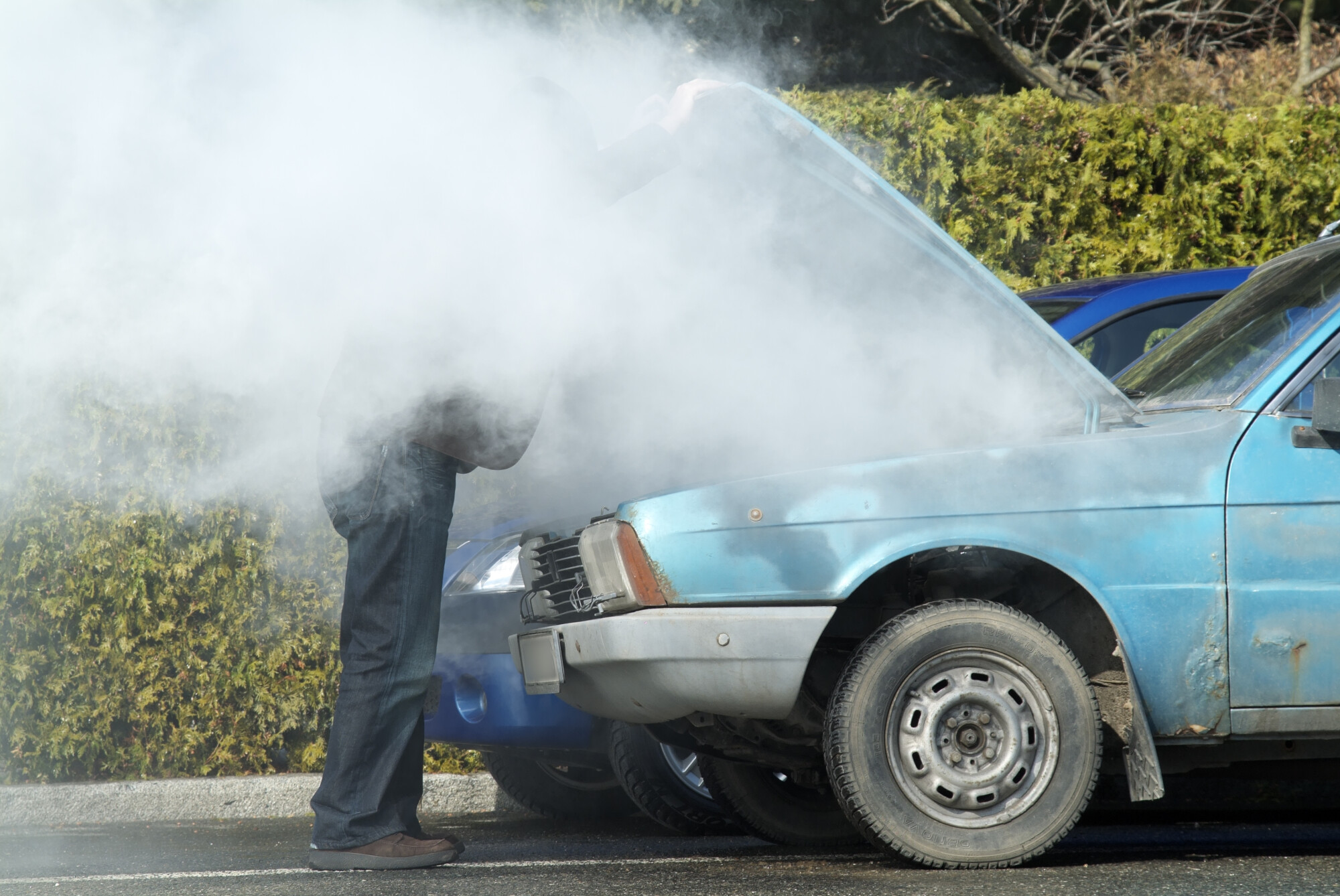
Car smoke is your engine’s way of signaling that something is wrong. Modern vehicles are engineered to run clean, so any visible smoke from the tailpipe or under the hood is almost always a red flag.
Before panicking, ask yourself three key questions. What color is the smoke? Where exactly is it coming from? Does it clear up after the engine warms up or does it persist?
Your answers to those three questions will guide every diagnosis in this article.
Where Is the Smoke Coming From?
The location of the smoke matters just as much as the color. Smoke from under the hood is usually a different problem than smoke from the exhaust tailpipe.
Smoke from under the hood is most often caused by a fluid leak dripping onto a hot engine surface or exhaust component. This includes oil, coolant, power steering fluid, brake fluid, or even windshield washer fluid.
Smoke from the tailpipe points to internal engine issues where fluids or excess fuel are burning inside the combustion chamber. This is generally a more serious situation.
Understanding Smoke Color: The Master Guide
The color of the smoke is the single most important clue when diagnosing why your car is smoking. Here is a breakdown of every smoke color and what it means.
| Smoke Color | Most Likely Cause | Urgency Level |
|---|---|---|
| Thin White / Steam | Normal condensation on cold start | No action needed |
| Thick White | Blown head gasket / coolant burning | Stop driving immediately |
| Blue / Gray | Engine burning oil | High – get to a shop soon |
| Black | Running too rich / excess fuel | Medium – address soon |
| White + Sweet Smell | Coolant leak internally | Stop driving immediately |
| Blue at Startup Only | Worn valve seals | Medium – monitor and fix |
White Smoke from Car: What It Really Means
White smoke is the most common and most misunderstood type of car smoke. There are two completely different situations that produce white smoke.
Thin White Vapor on Cold Start
If you see a light, wispy white puff from your tailpipe when starting your car on a cold morning, that is completely normal. It is simply water vapor or condensation burning off from inside the exhaust system. It disappears within a minute or two as the engine warms up.
You do not need to take any action for this type of white smoke.
Thick White Smoke While Driving
Thick, billowing white smoke that does not go away is a serious problem. It almost always means coolant is leaking into the combustion chamber and being burned with the fuel.
The most common causes of thick white smoke include a blown head gasket, a cracked cylinder head, a cracked engine block, or a leaking intake manifold gasket. A blown head gasket is by far the most frequent culprit.
How to confirm it: Check your coolant reservoir. If the level is dropping without any visible external leak, coolant is going somewhere inside the engine. Also check under the oil filler cap. A white, milky residue there means coolant is mixing with your oil, which is a very bad sign.
What to do: Stop driving immediately. Continuing to run an engine with coolant entering the combustion chamber can destroy the engine completely within a short period.
Repair cost estimate:
| Repair | Estimated Cost (USD) |
|---|---|
| Head Gasket Replacement | $1,000 – $2,500 |
| Cracked Cylinder Head Repair | $1,500 – $3,500 |
| Intake Manifold Gasket | $300 – $600 |
| Diagnostic Check | $80 – $150 |
Blue or Gray Smoke from Car: Engine Is Burning Oil
Blue or gray smoke coming from your tailpipe with a bitter, pungent burning smell means your engine is burning oil. Oil is getting into the combustion chamber where it does not belong and is being burned along with the fuel.
Worn Piston Rings
Piston rings create a seal between the piston and the cylinder wall. When these rings wear out over time, oil seeps past them into the combustion chamber and burns, producing that characteristic blue smoke.
This is a common issue in high-mileage vehicles. A compression test can confirm worn rings.
Leaking Valve Seals
Valve seals prevent oil from dripping down into the engine cylinders. When valve seals crack or harden with age, oil leaks through and burns. A key sign of this specific problem is blue smoke right at startup that clears up after a few minutes of driving.
Clogged PCV Valve
The Positive Crankcase Ventilation (PCV) valve manages pressure inside the engine. When this valve clogs, pressure builds up and forces oil into places it should not go, eventually causing blue smoke. This is one of the easiest and cheapest fixes on this list.
Turbocharger Oil Seal Failure
In turbocharged vehicles, worn seals inside the turbo can allow oil to be pulled into the intake and burned. You may notice blue smoke especially during hard acceleration or after the engine has been idling for a while.
Repair cost estimate:
| Repair | Estimated Cost (USD) |
|---|---|
| PCV Valve Replacement | $20 – $100 |
| Valve Seal Replacement | $400 – $1,200 |
| Piston Ring Replacement | $1,500 – $4,000 |
| Turbocharger Repair/Replacement | $800 – $2,500 |
Black Smoke from Car: Burning Too Much Fuel
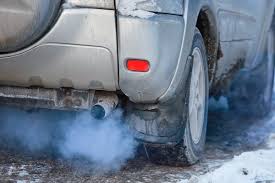
Black smoke means your engine is running rich, which means it is burning too much fuel relative to air. Black smoke can damage your catalytic converter over time and will hurt your fuel economy noticeably.
Clogged Air Filter
A clogged air filter is one of the simplest and most affordable causes of black smoke. When the filter is blocked, the engine gets less air but continues pulling in fuel, upsetting the air-to-fuel ratio. This is one of the first things to check.
Faulty Fuel Injectors
Leaking or stuck-open fuel injectors dump too much fuel into the combustion chamber. The excess fuel cannot all burn cleanly and exits as black smoke. You may also notice a strong fuel smell.
Bad MAF Sensor
The Mass Air Flow (MAF) sensor tells the engine computer how much air is entering the engine. A faulty MAF sensor sends incorrect data, causing the engine control unit to inject too much fuel. Black smoke often accompanies a rough idle or a check engine light.
Faulty Oxygen Sensor
Oxygen sensors monitor the exhaust gases to help the engine maintain a proper air-fuel mix. A failing O2 sensor can cause the engine to dump in too much fuel, resulting in black smoke and poor fuel economy.
Repair cost estimate:
| Repair | Estimated Cost (USD) |
|---|---|
| Air Filter Replacement | $20 – $50 |
| MAF Sensor Replacement | $100 – $300 |
| Fuel Injector Replacement | $150 – $400 per injector |
| Oxygen Sensor Replacement | $150 – $400 |
Smoke Coming from Under the Hood (Not the Tailpipe)
Smoke from under the hood without any smoke from the tailpipe usually means a fluid is leaking onto a hot engine surface or exhaust component and burning off.
Oil Leak onto Hot Engine Parts
This is the most common cause of smoke from under the hood. A small oil leak from a gasket, seal, or loose fitting can drip onto the hot exhaust manifold or engine block. You will often smell a burning oil odor along with the smoke.
This kind of smoke is often light and intermittent. It is not immediately dangerous in small amounts, but it does need to be addressed before the leak worsens or causes a fire.
Coolant Leak onto Hot Surfaces
A leaking coolant hose or cracked radiator can spray coolant onto hot engine surfaces. Burning coolant produces a sweet, somewhat sickly smell that is distinctive and different from burning oil. You may also notice your temperature gauge rising.
Electrical Short or Wiring Issue
In rare cases, a shorted wire or failing alternator can produce smoke with a sharp, acrid, electrical burning smell. If you smell something like burning plastic or rubber with no visible fluid leak, pull over safely and have the electrical system inspected immediately. Do not ignore this type of smoke.
Car Is Smoking but Not Overheating: What Is Going On?
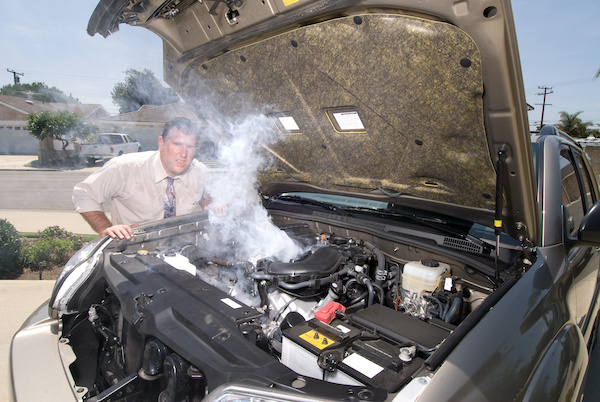
Many drivers assume that if their car is smoking, the engine must be overheating. That is not always true. Your car can produce smoke without the temperature gauge rising into the danger zone.
Oil burning on hot surfaces, a small coolant leak, worn valve seals, a faulty PCV valve, or even a turbocharger oil leak can all produce visible smoke while your engine temperature stays normal. The smoke is real, the problem is real, but the cooling system itself may still be functioning properly.
Just because the temperature gauge looks fine does not mean the problem can wait. Get the car diagnosed promptly.
Smoke from Car on Cold Start vs. While Driving
The timing of when the smoke appears tells you a lot about the root cause.
| Timing | Likely Cause |
|---|---|
| Only on cold start, clears up | Normal condensation or worn valve seals |
| On acceleration | Worn piston rings or turbo oil seal |
| On deceleration | Damaged valve guides |
| Constant while driving | Head gasket failure or serious oil leak |
| Only when idling | PCV valve issue or injector leak |
What to Do When Your Car Starts Smoking
Knowing what action to take the moment you see smoke can prevent a small problem from turning into an engine rebuild.
Step 1: Stay calm and observe. Note the color, location, and smell of the smoke immediately.
Step 2: If the smoke is thick, white, blue, or accompanied by a high temperature gauge reading, pull over to a safe location and shut off the engine right away.
Step 3: Do not open the hood immediately if you suspect overheating or see steam. Wait 15 to 30 minutes for the engine to cool down before opening it.
Step 4: Once cool, check the coolant reservoir level and the engine oil level. Low coolant with no visible external leak strongly suggests an internal leak. Milky oil indicates coolant mixing with oil.
Step 5: Do not drive further if the issue appears serious. Call for a tow or have a mechanic come to you.
Smoke and Emissions Test Failure
Visible smoke from your car is not just a mechanical problem. It can also cause you to fail your state emissions test.
If your car produces blue smoke, it is likely emitting excessive hydrocarbons from burning oil. Black smoke from running rich pushes unburned fuel into the exhaust. Both conditions will trigger a failure on a visual inspection or OBD-II diagnostic scan. In some states, repeated failures can result in temporary registration suspension.
Fix the underlying smoking issue before taking your car in for emissions testing.
Preventive Maintenance to Avoid Car Smoking
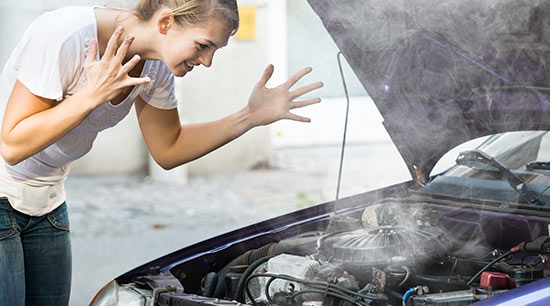
The best way to avoid dealing with a smoking car is regular maintenance. Most of the causes listed in this article are preventable with basic upkeep.
Change your engine oil on schedule using the correct oil type and weight for your vehicle. Check your coolant level regularly and have the cooling system flushed as recommended. Replace your air filter every 15,000 to 30,000 miles. Have your PCV valve inspected during routine tune-ups. Do not ignore check engine lights, as they often catch problems before they cause visible smoke.
A well-maintained engine is a smoke-free engine.
Smoke Color Quick Reference Chart
| Smoke Color | Smell | Main Cause | Safe to Drive? |
|---|---|---|---|
| Thin white steam | None | Cold weather condensation | Yes |
| Thick white | Sweet, antifreeze-like | Head gasket / coolant leak | No – stop now |
| Blue / Gray | Burnt oil, bitter | Burning engine oil | No – get to a shop |
| Black | Fuel-like | Running too rich | Drive carefully to a shop |
| White under hood | Burning rubber/fluid | Fluid on hot surface | Check and monitor |
| Electrical smell | Sharp, acrid | Wiring short | No – stop immediately |
Frequently Asked Questions (FAQs)
FAQ 1: Why is my car smoking but not overheating?
Your car can smoke without overheating if oil is burning on hot engine surfaces, the PCV valve is clogged, or a turbocharger oil seal is failing. The smoking is real, but the cooling system may still be working fine.
FAQ 2: Is it safe to drive a smoking car?
It depends on the smoke color. Thin white steam on a cold start is fine, but thick white, blue, or black smoke means you should stop driving and get the car inspected immediately to avoid major damage.
FAQ 3: What causes white smoke from my car exhaust?
Thick white smoke almost always means coolant is entering the combustion chamber due to a blown head gasket, cracked cylinder head, or leaking intake manifold gasket. Thin white vapor on startup is just harmless condensation.
FAQ 4: What does blue smoke from the exhaust mean?
Blue smoke means the engine is burning oil. The most common causes are worn piston rings, leaking valve seals, a clogged PCV valve, or a failing turbocharger oil seal.
FAQ 5: What causes black smoke from a car exhaust?
Black smoke means the engine is running too rich and burning excess fuel. Common causes include a clogged air filter, faulty fuel injectors, a bad MAF sensor, or a failing oxygen sensor.
FAQ 6: Why is smoke coming from under my hood?
Smoke from under the hood is usually caused by a fluid such as oil or coolant leaking onto a hot engine surface or exhaust component and burning off. A small oil leak is the most common cause.
FAQ 7: How much does it cost to fix a smoking car?
Repair costs range from $20 for a simple air filter replacement up to $2,500 or more for a blown head gasket. Getting a diagnostic check first ($80–$150) is the best way to know what you are dealing with.
FAQ 8: Can a clogged PCV valve cause smoke?
Yes. A clogged PCV valve causes pressure to build inside the engine, forcing oil into the intake or combustion chamber where it burns and produces blue or gray smoke. Replacing it is usually inexpensive.
FAQ 9: Why does my car smoke only on startup?
Smoke only on startup, especially blue smoke that clears after a minute, typically means worn valve seals. Oil drips down through the valve guides while the car sits and burns off when the engine first fires up.
FAQ 10: Will a smoking car fail an emissions test?
Yes. Thick white, blue, or black smoke will trigger a failure on a visual emissions inspection or OBD-II scan. The underlying mechanical problem must be repaired before the car can pass an emissions test.
Conclusion
Why is my car smoking has a different answer depending on what color and where the smoke appears. Thin white vapor on a cold morning is nothing to worry about.
Thick white smoke, blue smoke, or black smoke are all signals that your engine needs attention right now. White smoke points to coolant leaking internally from a blown head gasket or cracked component.
Blue smoke tells you oil is burning inside the engine.
Black smoke means the fuel system is out of balance and the engine is running too rich. In every case, catching the problem early saves you money and prevents further damage.
Pull over when in doubt, check your fluid levels once the engine is cool, and get a professional diagnosis before driving further.
Regular oil changes, coolant checks, and air filter replacements are the simplest ways to keep your car smoke-free for years to come.
