

Why is my cat so vocal all of a sudden — and should I be worried? Cats communicate far more than most people realize, and a chatty cat is not always a troubled one.
Some cats meow for food, others for attention, and some simply because that is who they are.
But a sudden increase in vocalization can also signal pain, illness, or emotional stress.
Understanding the difference between normal feline communication and a genuine cry for help is one of the most important skills a cat owner can develop.
Understanding Feline Vocalization: The Basics
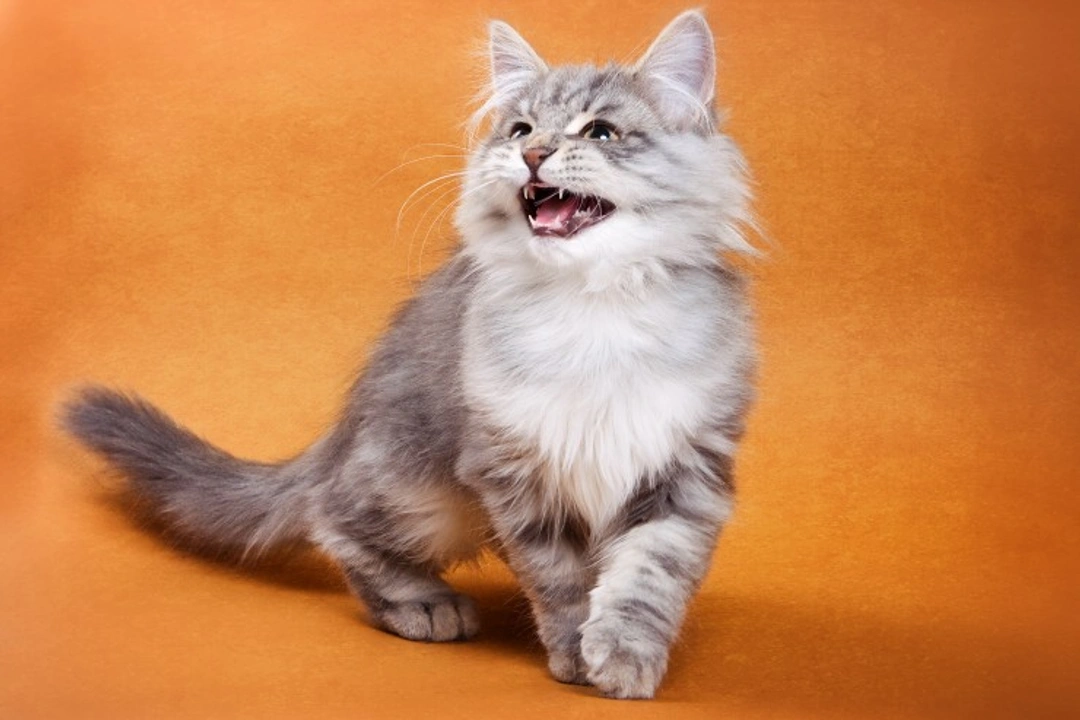
Adult cats do not meow at each other. This is one of the most surprising facts in feline behavior research. Meowing is a behavior that domestic cats developed almost exclusively to communicate with humans.
Kittens meow to signal hunger or cold to their mothers. Once they mature, cats largely drop this behavior with other cats — but they keep it going with their human companions for life. In that sense, your cat’s meow is a gift designed specifically for you.
Researchers have identified up to 21 distinct cat vocalizations, grouped into three categories: murmur sounds (mouth closed, like purring and trilling), vowel sounds (mouth opens and closes, like meowing and yowling), and high-intensity sounds (mouth held open, like hissing and growling).
What “Vocal” Really Means for a Cat
Not all vocal cats are excessive. Some cats simply have talkative personalities, just like people. A cat that narrates its day, greets you at the door, and comments on dinner being late is communicating normally — it just has a lot to say.
Excessive vocalization is something different. It refers to meowing that is persistent, distressed, unusual in tone, or happening at times that break from your cat’s established patterns.
The key is knowing your cat’s personal baseline. A cat that has always been chatty is different from a quiet cat that suddenly will not stop crying.
The Seven Most Common Sounds Cats Make
Before diagnosing why your cat is vocal, it helps to understand what each sound actually means. Here is a quick reference guide:
| Sound | Description | Typical Meaning |
|---|---|---|
| Meow | Short to long, variable pitch | Greeting, hunger, attention request |
| Trill / Chirrup | Musical, mouth-closed sound | Friendly greeting, happiness, “follow me” |
| Chirp | Short, high-pitched, birdlike | Prey excitement, frustration at window |
| Yowl | Long, drawn-out, loud cry | Pain, territorial warning, mating call |
| Caterwaul | Loud, wailing, up-and-down pitch | Female in heat attracting mates |
| Chatter | Rapid jaw clicking, nearly silent | Hunting frustration, prey sighting |
| Hiss / Growl | Sharp exhale or low rumble | Fear, threat, defensive warning |
Why Is My Cat So Vocal? The 10 Core Reasons
There are two broad categories of cause: behavioral and medical. Both matter and both need different responses.
Behavioral Reasons Your Cat Is So Vocal
Hunger and Food-Related Meowing
The most classic reason for feline vocalization is simple: your cat is hungry, or thinks it is time to eat. Cats are exceptionally good at training their owners. If meowing once ever resulted in food, they will meow again — and louder.
Many cats develop a specific “feed me” meow that sounds different from their everyday sounds. It is often more urgent, repetitive, and higher pitched. Meal times are the most common trigger.
If your cat meows loudly around a bowl that appears full, it may be able to see the bottom through the food — which some cats refuse to eat around, even if plenty remains.
Attention-Seeking and Loneliness
Cats that spend long periods alone often develop vocal habits to request interaction. They meow because meowing works — it gets humans to look, talk, pet, or play.
Cats left alone for many hours each day are particularly prone to this. When you return home, the flood of meowing is often a release of pent-up social need, not a complaint about your absence.
Interactive play sessions, puzzle feeders, and consistent daily routines dramatically reduce attention-seeking vocalization over time.
Greeting Behavior
Many cats meow simply to say hello. This type of vocalization is typically short, bright, and cheerful — nothing like the persistent crying linked to stress or illness.
If your cat trots toward you making a series of short meows or trills when you walk in the door, that is a greeting ritual. These cats are often described as “dog-like” in their social warmth.
Trilling — a musical, rolling sound made with the mouth closed — is one of the most positive sounds in a cat’s vocabulary. It is almost always a sign of happiness and affection.
Stress, Anxiety, and Environmental Changes
Cats are creatures of habit. Any disruption — a move, new furniture, a new pet, a new baby, or even a change in your schedule — can trigger a wave of anxious vocalization.
The meowing linked to anxiety often sounds different from normal communication. It may be more persistent, lower in tone, or accompanied by other stress signals like over-grooming, hiding, or changes in litter box behavior.
Common environmental stressors include outdoor cats visible through the window, new scents in the home, changes to feeding routines, and conflict with another household pet.
Territorial Conflict with Other Pets
Multi-pet households often see increased vocalization when cats feel their space is being encroached. This is especially true when a new animal is introduced without a proper gradual introduction process.
The meowing and yowling in these situations can sound threatening or distressed. You may notice it peak when the cats are near each other, near shared resources like food bowls or litter boxes, or near windows where outdoor animals are visible.
Proper territory management — separate feeding stations, multiple litter boxes, elevated resting spots — goes a long way toward reducing this type of vocal conflict.
Boredom and Under-Stimulation
An indoor cat that has nothing to do is a vocal cat. Cats have strong predatory instincts and need mental and physical stimulation to stay satisfied.
Boredom meowing often happens in bursts, particularly during the late evening when a cat’s natural hunting drive peaks. The cat may pace, vocalize, and seem restless even after being fed and given attention.
Rotating interactive toys, installing a bird feeder outside a window, providing puzzle feeders, and building a daily play routine resolves most boredom-driven vocalization quickly.
Heat Cycles in Unspayed Females
An unspayed female cat in heat is one of the loudest, most persistent vocal situations in cat ownership. The sound — called caterwauling — is a long, wailing, up-and-down cry designed to attract male cats from a distance.
It can last for days and often peaks at night. It is accompanied by restlessness, rolling on the floor, and attention-seeking behavior. If your female cat has never been this vocal before and suddenly cannot stop crying, check the calendar — heat cycles in unspayed cats occur every two to three weeks.
Spaying resolves this completely and also eliminates the health risks associated with repeated heat cycles.
Unneutered Males Seeking Females
Male cats that have not been neutered also vocalize intensely when they detect a female in heat nearby. They produce loud, insistent yowling calls and may spray urine to mark territory.
This is distinct from normal social meowing. It is driven by hormones and is very difficult to redirect or reduce through training alone. Neutering is the most effective solution.
Why Is My Cat So Vocal at Night?
Nighttime vocalization deserves its own discussion because it is one of the most disruptive and most common complaints from cat owners.
There are several distinct causes of nighttime meowing, and they require different responses:
| Nighttime Cause | Likely Age | Key Signals |
|---|---|---|
| Hunting drive / zoomies | Any age | Active, playful, energetic |
| Hunger | Any age | Vocal near food bowl |
| Heat cycle | Unspayed females | Rolling, restless, persistent |
| Anxiety | Any age | Hiding during day, clingy |
| Cognitive dysfunction | Senior (10+) | Disoriented, wanders, glassy eyes |
| Hyperthyroidism | Senior (8+) | Weight loss, hyperactive, increased appetite |
| Pain | Any age | Sudden change, low-pitched cry |
The most important step with nighttime vocalization is ruling out a medical cause before assuming it is behavioral.
Medical Reasons Your Cat Is So Vocal
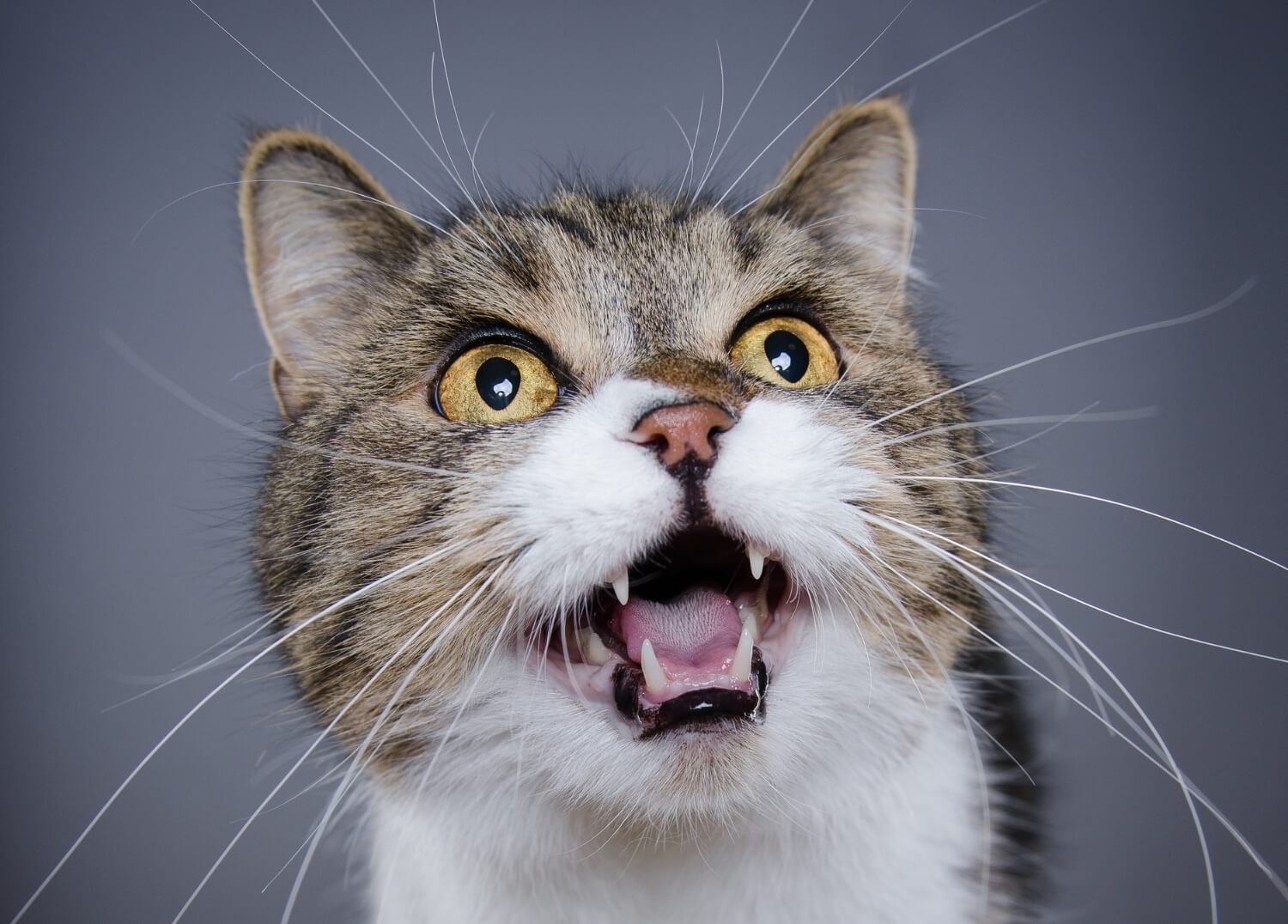
A sudden increase in vocalization — especially in a cat that was previously quiet — should always prompt a veterinary evaluation. Cats are instinctively skilled at hiding discomfort, and vocalization is often one of the earliest visible signs that something is medically wrong.
Hyperthyroidism: The Most Common Medical Cause in Senior Cats
Hyperthyroidism is an overactive thyroid gland that produces too much thyroid hormone. It is extremely common in cats over eight years old — one of the most frequently diagnosed conditions in feline geriatric medicine.
The excess hormone essentially puts the cat’s body on “high drive.” Affected cats become restless, hyperactive, vocal, and ravenously hungry despite losing weight. Nighttime yowling is a hallmark symptom.
Blood tests diagnose hyperthyroidism quickly. Treatments include daily medication (methimazole), a prescription low-iodine diet, radioactive iodine therapy, or surgery. Most cats respond very well to treatment, and vocalization often decreases dramatically once thyroid levels stabilize.
Feline Cognitive Dysfunction Syndrome (CDS)
Cognitive dysfunction syndrome is the feline equivalent of dementia or Alzheimer’s disease. It typically develops in cats over 10 years of age and causes gradual deterioration of brain function.
Cats with CDS often vocalize loudly at night, wandering through the house with a disoriented, aimless quality to their meowing. They may appear confused, forget the location of their litter box, fail to recognize familiar people, or stare blankly at walls.
The crying associated with CDS sounds different from normal meowing — it is often repetitive, monotone, and lacks the conversational quality of healthy cat communication. Nightlights, consistent routines, and in some cases medication can help manage symptoms.
Pain
Cats in pain often vocalize — but not always in obvious ways. A cat with dental disease, arthritis, a urinary tract infection, or bladder stones may cry out when moving, jumping, using the litter box, or being touched in a sensitive area.
Pain-related vocalization tends to be lower-pitched, urgent, and sudden. It may accompany changes in posture, limping, reduced grooming, hiding, decreased appetite, or reluctance to jump onto favorite surfaces.
Arthritis is particularly underdiagnosed in cats. Many owners assume their senior cat is “just slowing down” when in fact they are experiencing significant joint pain that responds well to veterinary treatment.
Kidney Disease
Cats with chronic kidney disease may become more vocal than usual. Kidney disease causes increased thirst and urination, and an affected cat may meow persistently near the water bowl.
The vocalization linked to kidney disease is often paired with visible changes in drinking and litter box habits. Weight loss, poor coat condition, and decreased appetite are also common signs.
Blood and urine tests diagnose kidney disease, and early detection significantly improves outcomes and quality of life.
High Blood Pressure (Hypertension)
Hypertension in cats is often secondary to another condition — most commonly hyperthyroidism or kidney disease. High blood pressure can cause serious complications including retinal detachment and sudden blindness.
A cat experiencing hypertension may meow more, appear startled, have dilated pupils, or show sudden changes in vision. This is a medical emergency that requires prompt veterinary attention.
Dental Disease
Dental pain is one of the most underrecognized sources of feline distress. Many cats develop significant periodontal disease by middle age, and the pain can cause them to vocalize — particularly around eating.
Signs of dental disease include bad breath, difficulty chewing, pawing at the mouth, drooling, and preference for soft food. Regular dental checkups can catch problems early before they cause significant pain.
Vocal Cat Breeds: When It Is Just Genetics
Some cats are loud simply because their breed is wired that way. If you have one of these breeds, the question is not why your cat is vocal — it is just who they are.
| Breed | Vocalization Level | Characteristic Style |
|---|---|---|
| Siamese | Very High | Loud, raspy, “conversational” |
| Oriental Shorthair | Very High | Similar to Siamese, highly communicative |
| Bengal | High | Wild-sounding chirps and yowls |
| Burmese | High | Social, demanding, persistent |
| Tonkinese | High | Friendly, chatty, affectionate |
| Japanese Bobtail | Moderate-High | Melodic, musical |
| Sphynx | Moderate-High | Attention-seeking |
| Russian Blue | Low | Very quiet, reserved |
| British Shorthair | Low | Calm, rarely initiates vocalization |
| Persian | Low | Generally quiet and sedate |
| Maine Coon | Low-Moderate | Soft chirps, rarely loud |
Siamese cats are the most famous talkers in the cat world. Their vocalization is tied to centuries of selective breeding for social temperament and human interaction. A Siamese that “narrates” your entire morning routine is behaving exactly as expected.
If your cat is a Siamese, Oriental, or Bengal mix, genetics likely explain much of the noise — and no amount of training will make them fully silent.
How to Tell Normal Vocalization from a Warning Sign
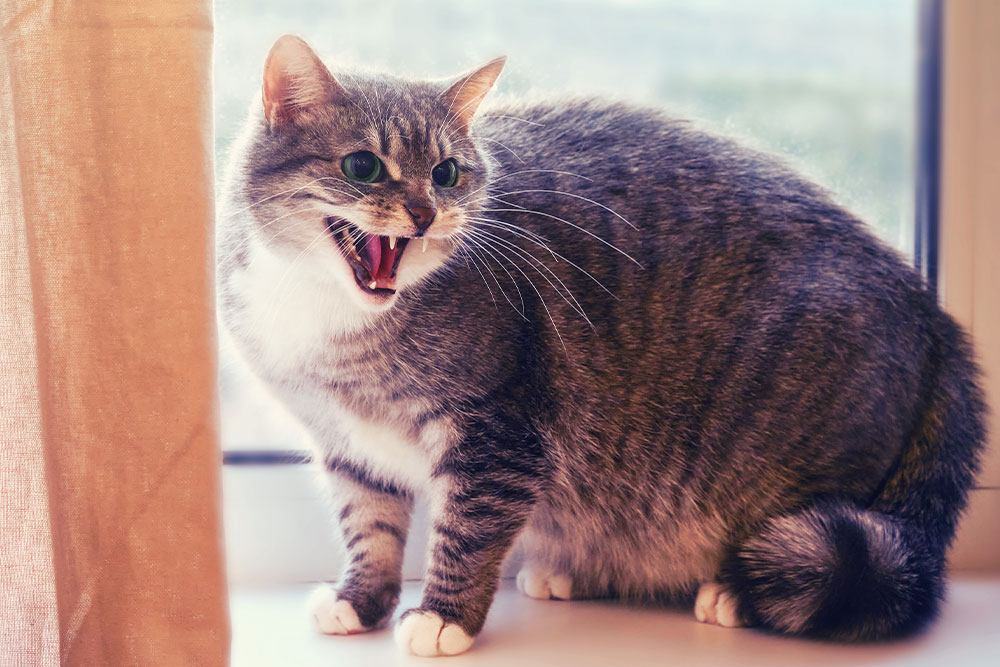
This is the most important skill a cat owner can develop. Here is a practical checklist:
It is probably normal if:
- Your cat has always been this vocal
- The meowing is linked to predictable triggers (mealtimes, greeting, playtime)
- Your cat seems happy, healthy, and energetic
- The tone is conversational, bright, or playful
- You have a naturally talkative breed
See a vet if:
- The vocalization is new or recently increased
- Your cat cries at night when they previously slept quietly
- The sound is low-pitched, urgent, or distressed
- Your cat seems disoriented, confused, or glassy-eyed
- Other symptoms are present: weight loss, increased thirst, limping, hiding
- Your cat cries in or near the litter box
- Your senior cat (8+) is suddenly much louder
Any change in vocalization pattern — not just loudness — warrants a conversation with your veterinarian. This includes a cat that has become unusually quiet, as that can signal pain or illness just as much as increased crying.
How to Reduce Excessive Vocalization: What Actually Works
Once you have ruled out a medical cause, behavioral interventions can be very effective.
Establish a Consistent Feeding Schedule
If your cat meows for food, stop free-feeding and switch to set meal times. Feed at the same times every day. Do not respond to meowing between scheduled meals. Over time, your cat will learn that the clock — not the meow — determines when food arrives.
An automatic feeder is one of the most effective tools here. Once the cat realizes the machine dispenses food on a timer, meowing at you becomes less interesting.
Do Not Reward the Meowing
This is the cardinal rule. Every time you respond to unwanted meowing — even to say “stop it” — you reinforce the behavior. The cat learns that meowing gets a response.
Wait for a moment of quiet, then immediately give attention, a treat, or play. Your cat is smart and will connect the dots quickly: silence brings rewards, meowing brings nothing.
Increase Environmental Enrichment
A stimulated cat is a quieter cat. Window perches with bird feeders outside, puzzle feeders, rotating toy selection, wand toys for interactive play, and cat trees for climbing all reduce boredom-driven vocalization.
Aim for at least two dedicated play sessions per day — ideally around dusk when cats are naturally most active. Even 10 to 15 minutes of focused interactive play makes a measurable difference.
Address Stress at the Source
If your cat is meowing due to anxiety, identifying and removing the stressor is more effective than any behavioral training. Pheromone diffusers (like Feliway) can help create a calming environment.
If a new pet has disrupted household harmony, a structured reintroduction — keeping animals separated and gradually introducing shared spaces — usually resolves territorial vocalization over several weeks.
Spay or Neuter
If your cat’s vocalization is driven by reproductive hormones — heat cycles in females or mate-seeking in males — the only truly reliable solution is spaying or neutering. This also brings significant health benefits and reduces the risk of certain cancers.
Veterinary Treatment for Medical Causes
If a medical condition is driving the vocalization, treating the underlying condition is the solution. Hyperthyroidism managed with medication, dental pain treated with extraction, arthritis addressed with pain management — all of these reduce vocalization dramatically when the root cause is properly treated.
When to Call the Vet: A Quick Reference Table
| Symptom | Urgency Level | Action |
|---|---|---|
| Crying in litter box during urination | Emergency — call immediately | Possible urinary blockage |
| Sudden loud yowling in senior cat | Urgent — same day if possible | Pain, hypertension, CDS |
| New nighttime vocalization in older cat | Call within a few days | Hyperthyroidism, CDS |
| Increased meowing with weight loss | Schedule appointment | Hyperthyroidism, kidney disease |
| Meowing with limping or hiding | Schedule appointment | Pain evaluation |
| Vocal cat, otherwise healthy, young | Monitor | Likely behavioral |
| Heat-cycle caterwauling | Schedule when convenient | Discuss spay |
Building a Stronger Bond Through Vocal Communication
Understanding why your cat is vocal is not just about solving a problem — it is about deepening your relationship. Cats that are highly vocal with their owners are typically very bonded to them. The meow evolved as a human-directed communication tool, and a cat that talks to you trusts you.
When you respond appropriately — with play when they are bored, food when they are hungry, calm reassurance when they are anxious — your cat learns that communication with you works. That mutual understanding is the foundation of a strong human-cat bond.
The goal is not a silent cat. It is a cat whose needs are met and whose vocal cues you understand.
Frequently Asked Questions (FAQs)
Why is my cat so vocal all of a sudden?
A sudden increase in vocalization often signals pain, illness, stress, or a major environmental change. A vet visit is recommended to rule out medical causes before assuming it is behavioral.
Why does my cat meow so much at night?
Nighttime meowing can stem from hunting instincts, hunger, heat cycles, anxiety, or medical conditions like hyperthyroidism or cognitive dysfunction. Senior cats meowing at night especially warrant a veterinary evaluation.
Is it normal for cats to be very vocal?
Yes — some cats are naturally chatty, especially vocal breeds like Siamese, Oriental, and Bengal. Constant meowing is only concerning when it is new, distressed-sounding, or paired with other behavioral or physical changes.
Why does my senior cat suddenly meow a lot?
Senior cats who suddenly increase vocalization often have hyperthyroidism, cognitive dysfunction syndrome, hypertension, or pain from arthritis. A blood panel and physical exam can identify the cause quickly.
Do cats meow at other cats?
Rarely. Adult cats developed meowing primarily as a communication tool for humans. They use trills, chirps, growls, and hisses with other cats far more than meowing.
Can I train my cat to be less vocal?
Yes, for behavioral vocalization. Never reward unwanted meowing, maintain consistent feeding schedules, enrich the environment, and reward quiet behavior. It takes patience but produces reliable results.
Why does my cat meow when I leave the room?
Your cat is likely very bonded to you and experiences mild separation anxiety when you are out of sight. This is a sign of attachment, not a problem — unless it is very distressed or persistent.
What does it mean if my cat yowls but seems fine?
Yowling in an otherwise healthy cat often points to a heat cycle, territorial tension with another animal, or boredom. However, yowling can also be an early sign of pain or illness, so a vet checkup is a sensible step.
Which cat breeds are the most vocal?
Siamese cats are the most famously vocal, followed by Oriental Shorthairs, Bengals, Burmese, and Tonkinese. If your cat is one of these breeds, high vocalization is normal and expected.
When should I take my cat to the vet for meowing?
Seek veterinary care if meowing is new, intensifying, accompanied by other symptoms, happening at night in a senior cat, or occurring in or near the litter box. Crying in the litter box during urination is a medical emergency.
Conclusion
Why is my cat so vocal? The answer lives somewhere on a spectrum — from personality and breed to hunger, boredom, stress, and serious medical conditions.
Most vocal cats are simply communicating what they need, and learning to read those signals is one of the most rewarding parts of living with a feline companion.
A chatty cat is not a broken cat. But a cat whose vocalization has suddenly changed, intensified, or taken on a distressed quality deserves prompt attention.
Start by assessing whether the behavior is new or longstanding, check for other symptoms, rule out reproductive hormones if your cat is unspayed or unneutered, and involve your veterinarian whenever there is any doubt.
Your cat cannot tell you what is wrong in words — but they are absolutely trying to tell you. Learning to listen is the most important thing you can do.
