

Why is the roof of my mouth swollen? In most cases, it happens because of a small injury, a burn from hot food, dehydration, or a mouth sore, and it heals on its own within a few days.
The palate is delicate tissue, so it reacts quickly to heat, rough foods, allergies, and infections. While most causes are harmless, a few need attention from a dentist or doctor.
Quick Overview: Common Causes at a Glance
Before going into detail, here is a fast summary table you can scan in seconds.
| Cause | How Common | Typical Healing Time |
|---|---|---|
| Burn from hot food or drink | Very common | 3–7 days |
| Injury from sharp or crunchy food | Very common | 3–5 days |
| Dehydration | Common | 1–2 days |
| Canker sores | Common | 7–10 days |
| Cold sores (herpes simplex) | Common | 7–14 days |
| Allergic reaction | Moderate | Hours to 2 days |
| Oral thrush (fungal infection) | Moderate | 1–2 weeks with treatment |
| Sinus infection | Moderate | Varies with infection |
| Mucocele (blocked salivary gland) | Less common | Weeks, or needs removal |
| Dental abscess | Less common | Needs treatment |
| Squamous papilloma (HPV-related) | Rare | Needs removal |
| Oral cancer | Rare | Needs medical care |
Why the Roof of Your Mouth Swells So Easily
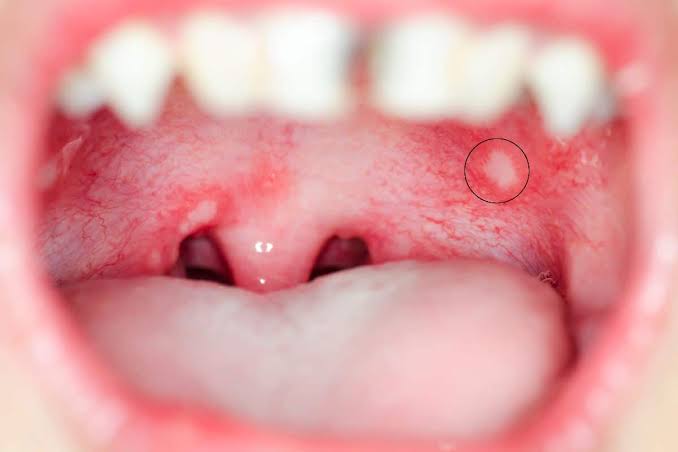
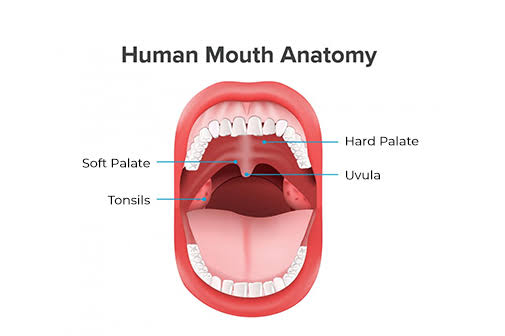
The roof of your mouth, called the palate, is made of a hard front section and a softer back section. This tissue sits close to the surface and has a rich blood supply.
Because of this, even small amounts of heat, friction, or irritation can trigger a visible swelling response. This is your body’s normal way of protecting the area while it heals.
Burns From Hot Food or Drinks
One of the most frequent reasons people ask “why is the roof of my mouth swollen” is a simple burn. Hot pizza, coffee, tea, and soup are common culprits.
The burn damages the top layer of tissue, which then swells, turns red, and can peel over the next day or two. It usually feels tender rather than sharply painful.
What helps: Sip cool water, avoid hot or spicy food for a few days, and let the tissue heal naturally.
Injury or Trauma From Sharp Foods
Crunchy foods like chips, toast, nuts, and hard candy can scratch or poke the roof of the mouth. This mechanical injury causes localized swelling and soreness.
Sometimes people do not even notice the scratch happening until they feel tenderness a few hours later.
What helps: Switch to soft foods like yogurt or mashed potatoes until the area calms down, and rinse gently with warm salt water.
Dehydration and Dry Mouth
Dehydration reduces saliva production, and a dry palate becomes more prone to irritation and mild swelling. This is a commonly overlooked cause.
Common triggers include not drinking enough water, excessive alcohol, certain medications, and breathing through the mouth during sleep.
What helps: Increase water intake throughout the day and consider a humidifier at night if you sleep with your mouth open.
Canker Sores on the Palate
Canker sores are small, round ulcers with a white or yellow center and a red border. They are not contagious and often appear after stress, minor injury, or nutrient deficiencies.
They can appear on the roof of the mouth, though they are more common on the inner cheeks and lips.
What helps: Over-the-counter benzocaine gels, salt water rinses, and avoiding acidic or spicy foods while it heals.
Cold Sores From Herpes Simplex Virus
Cold sores are caused by the herpes simplex virus and are contagious through close contact. On the palate, they can appear as clusters of small blisters.
The first outbreak is usually the most uncomfortable and may come with fever, sore throat, or swollen lymph nodes.
What helps: Antiviral medication if prescribed, keeping the area clean, and avoiding contact with others during an active outbreak.
Allergic Reactions
Certain foods, medications, toothpaste, or mouthwash ingredients can trigger an allergic response in the mouth. This usually causes rapid swelling and sometimes tingling or itching.
If swelling appears right after eating a specific food, an allergy or sensitivity is a likely explanation.
What helps: Identify and avoid the trigger, rinse the mouth thoroughly, and seek urgent care if breathing or swallowing becomes difficult.
Oral Thrush (Fungal Infection)
Oral thrush is caused by an overgrowth of Candida yeast. It often shows up as white patches on the palate, tongue, or inner cheeks, with soreness and swelling underneath.
People with weakened immune systems, diabetes, or those who wear dentures are more likely to develop this infection.
What helps: Antifungal medication prescribed by a dentist or doctor, along with good denture hygiene.
Sinus Infections and Congestion
Your sinuses sit just above the roof of your mouth. When they become inflamed from a cold, allergies, or sinusitis, that pressure can be felt as swelling in the palate.
This type of swelling usually comes with nasal congestion, facial pressure, or a headache.
What helps: Treating the underlying sinus infection with decongestants, saline rinses, or medication as recommended by a doctor.
Mucocele (Blocked Salivary Gland)
A mucocele is a soft, fluid-filled bump that forms when a small salivary gland duct gets blocked. It is usually painless unless it is accidentally bitten.
While more common on the lower lip, mucoceles can occasionally form on the roof of the mouth as well.
What helps: Many mucoceles resolve on their own within a few weeks; larger or persistent ones may need removal by a dentist.
Dental Abscess
A dental abscess is a pocket of infection near a tooth root. The swelling and pain can radiate upward and affect the roof of the mouth, especially with upper teeth involved.
This condition tends to come with throbbing pain, bad taste, and sometimes fever, and it should not be ignored.
What helps: Prompt dental treatment, since abscesses do not resolve without professional care.
Squamous Papilloma (HPV-Related Growth)
A squamous papilloma is a small, noncancerous growth caused by the human papillomavirus. It can appear as a painless bump on the palate.
These growths are usually harmless but should still be checked and, in some cases, removed by a dentist.
What helps: Professional evaluation and, if recommended, minor removal of the growth.
Oral Cancer (Rare but Serious)
Oral cancer is an uncommon but serious cause of persistent swelling in the roof of the mouth. It is far more likely to affect adults over 40, particularly those who smoke or drink heavily.
Warning signs include a sore that does not heal, a lump that keeps growing, or swelling paired with unexplained numbness.
What helps: Immediate evaluation by a dentist or doctor, since early diagnosis significantly improves outcomes.
Symptoms That Often Come With Swelling
Swelling rarely shows up completely alone. Watching for these accompanying symptoms can help you and your doctor narrow down the cause.
| Symptom | Possible Meaning |
|---|---|
| Blisters or peeling | Burn or cold sore |
| White patches | Oral thrush |
| Dry mouth | Dehydration |
| Fever | Infection |
| Facial pressure | Sinus involvement |
| Persistent lump | Needs medical evaluation |
How Long Swelling Usually Lasts
Most causes of a swollen palate improve within a few days to two weeks. Minor burns and scratches tend to heal the fastest.
Sores caused by viruses or fungal infections take slightly longer, and anything lasting beyond two weeks deserves a professional check.
When You Should See a Dentist or Doctor
Occasional, mild swelling from a hot drink or crunchy snack is rarely a concern. However, certain patterns suggest it is time to get checked.
You should schedule an appointment if swelling lasts longer than a week, keeps returning, or is paired with fever, difficulty swallowing, or a sore that will not heal.
Red Flag Symptoms Table
| Warning Sign | Why It Matters |
|---|---|
| Swelling lasting over 7 days | May indicate infection or deeper issue |
| Difficulty breathing or swallowing | Could signal severe allergic reaction |
| Non-healing sore or lump | Needs evaluation to rule out oral cancer |
| High fever with swelling | Suggests active infection |
| Numbness in the mouth | Requires prompt medical review |
Home Remedies That Actually Help
For mild, non-urgent swelling, simple home care is often enough. These steps calm irritation and support faster healing.
Rinse gently with cool salt water a few times a day. Stick to soft, bland foods like soup, yogurt, or mashed potatoes. Stay well hydrated and avoid alcohol, tobacco, and very spicy or acidic foods until the swelling goes down.
Prevention Tips for the Future
Small daily habits can reduce how often the roof of your mouth becomes swollen or irritated.
Let hot food and drinks cool slightly before eating. Chew crunchy foods carefully, especially chips and hard candy. Drink enough water throughout the day, and maintain good oral hygiene with a soft toothbrush.
Understanding the Anatomy of the Palate
To understand why swelling happens so easily, it helps to know the basic structure of the roof of your mouth. This knowledge also explains why some causes affect the front while others affect the back.
The front two-thirds is called the hard palate. It is bony, firm, and covered by a thin layer of tissue, which is why burns and scratches show up quickly here.
The back third is the soft palate. It is more flexible, contains more blood vessels, and moves when you swallow or speak, which makes it more sensitive to infections and allergic swelling.
Hard Palate vs Soft Palate Swelling
| Feature | Hard Palate | Soft Palate |
|---|---|---|
| Texture | Firm and bony | Soft and flexible |
| Common causes | Burns, scratches, canker sores | Infections, allergies, sinus pressure |
| Pain level | Sharp, localized | Dull, spreading discomfort |
| Healing speed | Usually faster | Can take longer |
Swollen Roof of Mouth in Children
Children experience many of the same causes as adults, but a few are more specific to younger age groups. Hot food burns and accidental injuries from toys, pacifiers, or sharp snacks are especially common.
Hand, foot, and mouth disease, a viral infection common in young kids, can also cause small sores and swelling on the palate along with a rash on the hands and feet.
Parents should watch for refusal to eat, drooling, or fussiness, since young children often cannot describe mouth pain clearly. A pediatric dentist or pediatrician can help identify the exact cause.
Swollen Roof of Mouth During Pregnancy
Hormonal changes during pregnancy can affect the gums and soft tissues throughout the mouth, sometimes including the palate. Increased blood flow can make tissue more sensitive to irritation.
Pregnant women are also more prone to nutrient-related mouth sores if they are not getting enough iron, B12, or folate.
Staying hydrated, eating a balanced diet, and mentioning any persistent swelling to a prenatal care provider or dentist is a reasonable precaution.
The Connection Between Diet and Palate Swelling
What you eat plays a bigger role in palate health than most people realize. Certain dietary patterns make swelling more likely, while others help prevent it.
| Dietary Factor | Effect on Palate |
|---|---|
| Very hot food and drinks | Increases burn risk |
| Spicy or acidic foods | Worsens existing irritation |
| Low vitamin B12, iron, or folate | Increases sore and ulcer risk |
| Adequate water intake | Reduces dryness and irritation |
| Rough, sharp textured snacks | Raises injury risk |
Nutrient Deficiencies and Mouth Sores
A lack of certain vitamins and minerals can make the mouth, including the palate, more prone to swelling, burning sensations, and recurring sores.
Vitamin B12, folate, iron, and zinc are the nutrients most often linked to oral tissue problems. A simple blood test can confirm whether a deficiency is contributing to your symptoms.
What helps: A balanced diet rich in leafy greens, lean protein, and whole grains, or a supplement if a doctor confirms a deficiency.
Medications That Can Cause Mouth Swelling or Dryness
Certain medications list dry mouth or oral irritation as a side effect, which can indirectly lead to palate swelling over time.
Common categories include antihistamines, blood pressure medications, antidepressants, and some chemotherapy drugs. If you started a new medication around the same time symptoms began, mention this to your prescribing doctor.
What helps: Never stop a prescribed medication without medical advice; instead, ask about alternatives or ways to manage dry mouth.
Lifestyle Habits That Increase Risk
A few everyday habits make people more likely to experience recurring swelling in the roof of the mouth.
Smoking and heavy alcohol use both irritate oral tissue and slow healing. Breathing through the mouth while sleeping dries out the palate overnight. Frequently eating very hot meals without letting them cool is another common contributor.
Comparing At-Home Care vs Professional Treatment
Knowing which situations you can manage yourself versus when to seek care saves time and prevents complications.
| Situation | Best Approach |
|---|---|
| Mild burn from hot food | Home care, cool rinses |
| Small canker sore | Home care, OTC gel |
| Swelling with fever | Professional evaluation |
| Growth or lump that persists | Professional evaluation |
| Swelling after starting new medication | Discuss with prescribing doctor |
| Difficulty breathing or swallowing | Emergency medical care |
Diagnostic Process: What to Expect at the Dentist

If you do book an appointment, the process is usually quick and non-invasive. Understanding what happens can ease any anxiety about the visit.
The dentist or doctor will typically ask about your symptoms, examine the area visually, and check your medical and dental history. In some cases, they may take a swab, order a blood test, or refer you for a biopsy if a growth looks unusual.
Most appointments for a swollen palate are straightforward and result in reassurance or a simple treatment plan, such as antifungal medication or advice on home care.
Myths About Swollen Roof of Mouth
There are several common misconceptions worth clearing up, since believing them can delay proper care or cause unnecessary worry.
Myth: Swelling always means something serious. Fact: Most cases are caused by minor burns, injuries, or dehydration.
Myth: Canker sores are contagious. Fact: Canker sores are not contagious, unlike cold sores, which are caused by a virus.
Myth: You should pop or pick at a mucocele. Fact: This can cause infection; it is better to let a dentist evaluate and treat it if needed.
Key Takeaways Before You Go
Swelling on the roof of the mouth is common and usually harmless, but it pays to track how it changes over the following days.
Note when the swelling started, what you ate or did beforehand, and whether any other symptoms appeared. This small habit makes any future dental or medical visit faster and more accurate.
Frequently Asked Questions (FAQs)
1. Why is the roof of my mouth swollen with no pain?
Painless swelling is often a mucocele, a squamous papilloma, or mild dehydration. If it persists, have it checked by a dentist.
2. Can stress cause the roof of my mouth to swell?
Yes, stress is a known trigger for canker sores, which can appear on the palate and cause swelling.
3. Is a swollen roof of the mouth a sign of COVID-19?
Some people reported mouth and palate swelling during COVID-19 infections, though it is not a primary symptom. See a doctor if it’s accompanied by other symptoms.
4. Why does the roof of my mouth swell after eating pizza?
Hot cheese and sauce commonly burn the palate, causing quick, temporary swelling that heals in a few days.
5. Can allergies cause swelling on the roof of the mouth?
Yes, food allergies and oral allergy syndrome can cause rapid swelling, especially after eating raw fruits, nuts, or shellfish.
6. How do I know if it’s a canker sore or something more serious?
Canker sores are small, round, and heal within 7–10 days. A sore lasting longer or growing in size needs professional evaluation.
7. Can a sinus infection make the roof of my mouth feel swollen?
Yes, sinus pressure sits directly above the palate and can cause a swollen or tender feeling without a visible sore.
8. What foods should I avoid when the roof of my mouth is swollen?
Avoid spicy, acidic, hot, and crunchy foods until the swelling goes down, and stick to soft, bland meals instead.
9. When is a swollen palate an emergency?
It becomes an emergency if you have trouble breathing, swallowing, or the swelling spreads rapidly, especially with an allergic reaction.
10. Can dentures cause the roof of my mouth to swell?
Yes, ill-fitting dentures can irritate the palate and, in some cases, contribute to fungal infections like oral thrush.
Conclusion
A swollen roof of the mouth is usually caused by something simple, like a burn, a scratch from crunchy food, dehydration, or a canker sore, and it typically heals within a week with basic home care.
Cold sores, allergies, sinus issues, and infections like oral thrush are also common but manageable causes once identified.
Rarer conditions such as dental abscesses, mucoceles, or oral cancer are far less likely but are the reason ongoing or unusual swelling should never be ignored.
If your symptoms are mild and improving, gentle rinses, soft foods, and hydration are usually all you need.
If swelling lasts more than a week, keeps coming back, or comes with fever, severe pain, or a sore that will not heal, book an appointment with a dentist or doctor so the exact cause can be diagnosed and treated properly.
