

Why is my cat peeing on the floor is one of the most common questions cat owners search for when their pet suddenly stops using the litter box. It can feel confusing, frustrating, and even a little worrying.
The good news is that this behavior almost always has a clear cause. It can be medical, behavioral, or related to the litter box setup itself.
Why Is My Cat Peeing on the Floor? Quick Overview
Cats are naturally clean animals. When a litter-trained cat suddenly pees outside the box, something has changed.
That change could be inside their body, inside their mind, or inside their environment.
The table below gives you a fast snapshot before we go deeper into each cause.
| Category | Common Triggers | Fix Difficulty |
|---|---|---|
| Medical | UTI, kidney disease, diabetes, arthritis | Needs vet visit |
| Behavioral | Stress, marking, anxiety | Moderate, needs time |
| Litter Box Setup | Dirty box, wrong location, wrong litter | Easy to fix |
| Environmental | New pet, moving home, loud noises | Moderate |
Common Medical Reasons Cats Pee Outside the Litter Box
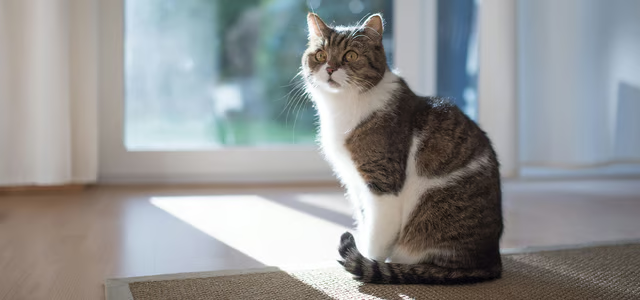
Medical issues are one of the most frequent causes behind sudden floor peeing. Cats hide pain very well, so litter box habits are often the first visible clue.
If your cat suddenly changes behavior, a vet visit should always be the first step.
Urinary Tract Infection (UTI)
A UTI causes inflammation and discomfort in the bladder. Cats then associate the litter box with pain and avoid it.
You may also notice frequent, small amounts of urine or visible straining.
Kidney Disease
Kidney disease makes cats drink and urinate more often. This can overwhelm the litter box or cause accidents before they reach it.
Older cats are especially prone to this condition.
Diabetes
Diabetic cats also drink and urinate more than usual. Increased urine volume can lead to overflow outside the box.
Weight changes and increased appetite are often seen alongside this issue.
Arthritis and Joint Pain
Cats with arthritis may struggle to climb into a high-sided litter box. The pain of getting in and out can push them to pee nearby instead.
This is very common in senior cats over the age of ten.
Bladder Stones or Crystals
Bladder stones can block or irritate the urinary tract. This creates urgency and pain, both of which lead to inappropriate urination.
Male cats are at higher risk of complete blockage, which is an emergency.
Feline Cognitive Dysfunction
Older cats can develop a condition similar to dementia. This can make them forget where the litter box is located.
Confusion and disorientation are common signs of this condition.
Behavioral and Stress-Related Causes
Not every case of floor peeing is medical. Cats are highly sensitive to their surroundings and emotional state.
Stress can be just as powerful a trigger as illness.
Territorial Marking or Spraying
Marking usually involves small amounts of urine on vertical surfaces like walls or furniture. It is more common in unneutered cats.
Spaying or neutering often reduces this behavior significantly.
Litter Box Aversion
If a cat had a bad experience in the box, such as pain or being startled, they may avoid it completely. This is called litter box aversion.
The cat then picks a new, often consistent, spot to eliminate.
Competition in Multi-Cat Households
When multiple cats share limited litter boxes, competition and bullying can occur. A shy cat may avoid the box to escape conflict.
Experts recommend one litter box per cat, plus one extra.
Changes in the Home Environment
New furniture, renovations, new pets, or even a new smell can disturb a cat’s sense of security. This stress can trigger floor peeing.
Cats are creatures of habit and dislike sudden disruption.
Separation Anxiety
Some cats pee on beds, clothes, or floors when left alone for long periods. This is often linked to separation anxiety.
Keeping a consistent routine can help reduce this stress.
Litter Box Setup Problems
Sometimes the issue is not the cat at all, but the litter box itself. Small setup mistakes can lead to big behavior problems.
Below is a simple checklist table to review your current setup.
| Setup Factor | What Cats Prefer |
|---|---|
| Cleanliness | Scooped at least once daily |
| Location | Quiet, low-traffic, easily accessible |
| Size | Large enough to turn around comfortably |
| Litter Type | Soft, fine texture like clumping clay |
| Box Style | Many cats prefer open over covered boxes |
| Number of Boxes | One per cat, plus one extra |
Cleanliness Issues
A dirty litter box is one of the top reasons cats avoid it. Cats have a much stronger sense of smell than humans.
Daily scooping and a full clean every one to two weeks make a big difference.
Wrong Location
Litter boxes placed in noisy or high-traffic areas can feel unsafe to cats. They need privacy to feel comfortable.
Try placing the box in a calm, quiet corner of the home.
Box Size and Accessibility
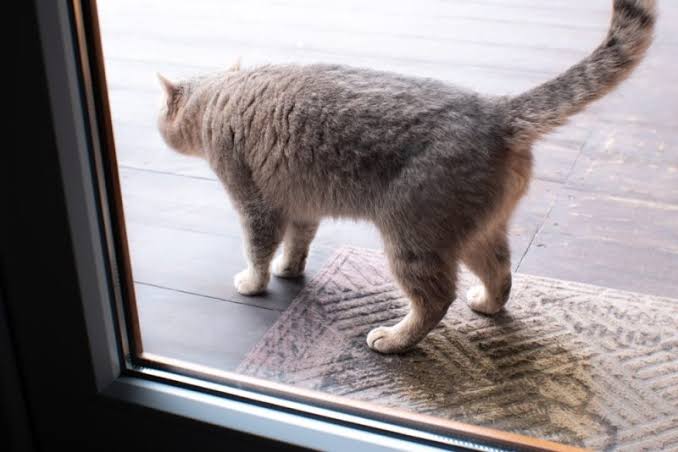
A box that is too small or too high-sided can discourage use, especially for older or larger cats. The box should allow easy, full movement.
Ramps or low-entry boxes help senior cats greatly.
Litter Type Preferences
Some cats dislike scented litter or certain textures. Most cats prefer soft, unscented, fine-grain litter.
Testing a few types can help you find their favorite.
Covered vs Open Boxes
Covered boxes can trap odor and make some cats feel cornered. Open boxes allow better visibility and airflow.
In multi-cat homes, open boxes are usually the safer choice.
Signs to Watch in 2026: When Peeing on the Floor Signals Something Serious
Not all floor peeing is equal. Some signs mean it is time to act quickly.
The table below highlights red flags every cat owner should watch for in 2026.
| Warning Sign | Possible Meaning |
|---|---|
| Straining with little or no urine | Possible blockage, emergency |
| Blood in urine | Infection or bladder stones |
| Frequent small urinations | UTI or cystitis |
| Increased thirst and urination | Diabetes or kidney disease |
| Crying while urinating | Pain, needs vet visit |
| Sudden confusion or wandering | Cognitive dysfunction |
Emergency Signs in Male Cats
Male cats can develop life-threatening urinary blockages. Straining with no urine output is a true emergency.
If you see this, contact a vet immediately, ideally the same day.
Gradual Behavior Changes
Slow shifts, like avoiding certain rooms or hesitating near the box, often point to arthritis or cognitive decline. These changes deserve monitoring.
Keeping a simple log of behavior helps vets diagnose faster.
How to Stop Your Cat From Peeing on the Floor
Once medical causes are ruled out, several practical steps can help retrain your cat. Consistency is the key to success.
Below are the most effective, vet-recommended strategies.
Step 1: Rule Out Medical Issues First
Always start with a veterinary visit. Urine and blood tests can quickly rule in or out common conditions.
Treating an underlying illness often resolves the behavior completely.
Step 2: Clean the Litter Box Daily
Scoop waste every day and wash the box weekly. A clean box removes one of the biggest reasons cats avoid it.
Avoid strong-scented cleaners, as smell matters to cats.
Step 3: Add More Litter Boxes
If you have multiple cats, add one extra box beyond the number of cats. Spread boxes across different rooms.
This reduces competition and territorial stress.
Step 4: Clean Soiled Areas Thoroughly
Use an enzyme-based cleaner on any spot where your cat has urinated. Regular cleaners do not fully remove the scent.
Leftover odor can encourage repeat accidents in the same spot.
Step 5: Reduce Stress at Home
Keep routines consistent and introduce changes slowly. Provide safe hiding spots and vertical spaces for your cat.
Feliway diffusers can also help calm anxious cats.
Step 6: Consider Spaying or Neutering
If marking behavior is the issue, spaying or neutering often reduces or stops it. This works best when done early.
Talk to your vet about timing if not already done.
When to See a Vet
Any sudden change in litter box habits deserves a vet visit. This is especially true if it happens overnight.
Do not wait if you notice pain, blood, or straining.
| Situation | Action Needed |
|---|---|
| First-time accident | Monitor for 24 to 48 hours |
| Repeated accidents | Schedule a vet visit |
| Blood or straining | Seek same-day vet care |
| No urine output at all | Emergency vet visit |
Senior Cats and Litter Box Habits
Older cats face unique challenges that younger cats do not. Arthritis, vision loss, and cognitive decline all play a role.
Simple home adjustments can make a big difference for senior cats.
Adjusting the Box for Senior Cats
Choose a low-entry, uncovered box for easier access. Place extra boxes on every floor of the home.
This reduces the distance and effort needed to reach the litter box in time.
Regular Vet Checkups
Senior cats should see a vet at least once or twice a year. Early detection of kidney or joint issues leads to better outcomes.
Routine bloodwork can catch problems before symptoms worsen.
Peeing vs Spraying: What Is the Difference
Many owners confuse peeing with spraying, but they are not the same behavior. Knowing the difference helps you find the right solution faster.
Peeing usually happens on horizontal surfaces like floors, carpets, or beds. The cat squats fully, and the urine volume is often larger.
Spraying happens on vertical surfaces like walls, doors, or furniture legs. The cat stands upright, tail quivering, releasing a small amount of urine.
| Behavior | Surface | Posture | Common Cause |
|---|---|---|---|
| Peeing | Horizontal, floors, carpets | Squatting | Medical issue, litter box aversion |
| Spraying | Vertical, walls, furniture | Standing, tail up | Territorial marking, stress |
Understanding which behavior you are seeing helps guide the next step. Peeing points more toward health or box setup issues, while spraying points more toward territory and stress.
Common Mistakes Owners Make
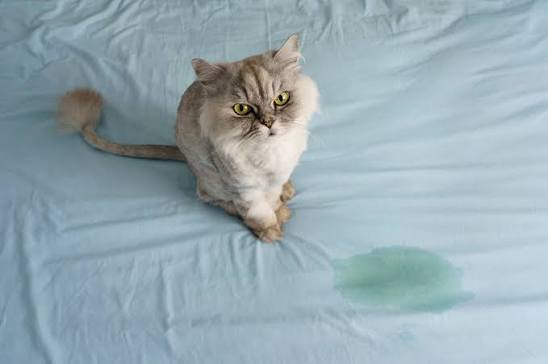
Many well-meaning owners accidentally make the problem worse. Avoiding these mistakes speeds up recovery significantly.
Punishing the Cat
Yelling, spraying water, or scolding a cat for accidents increases fear and stress. This often makes the behavior worse, not better.
Cats do not connect punishment with the act of urinating outside the box.
Ignoring Sudden Changes
Assuming a single accident is “just a phase” can delay important medical care. Early vet visits catch problems before they become serious.
A single accident is normal, but a pattern is not.
Using Strong-Scented Cleaners or Litter
Heavily scented products can overwhelm a cat’s sensitive nose. This can push them further away from the litter box.
Unscented options are almost always the safer choice.
Moving the Litter Box Too Often
Cats rely on consistency to feel secure. Frequently relocating the litter box can confuse and stress them.
Once you find a good spot, keep it there long term.
Natural Remedies and Calming Aids
Alongside medical treatment and box adjustments, some natural calming aids can support behavior changes. These work best as an addition, not a replacement, for vet care.
Pheromone Diffusers
Synthetic pheromone diffusers mimic a cat’s natural calming scent. Many owners see reduced stress-related accidents within a few weeks.
These are widely available and simple to plug in at home.
Enrichment and Playtime
Bored or under-stimulated cats are more prone to stress behaviors. Daily play sessions burn energy and reduce anxiety.
Puzzle feeders and climbing towers also help keep cats mentally engaged.
Consistent Daily Routine
Cats feel safest when feeding, playtime, and cleaning happen at similar times each day. Predictability lowers overall stress levels.
Small, steady routines often matter more than big gestures.
How Long Does It Take to Fix This Behavior
Recovery time depends on the root cause. Medical issues often improve within days of starting treatment.
Behavioral and stress-related causes can take a few weeks of consistent effort. Patience is important during this period.
| Cause Type | Typical Recovery Time |
|---|---|
| UTI or infection | Days after starting antibiotics |
| Litter box setup issue | A few days to one week |
| Stress or environmental change | Two to four weeks |
| Territorial marking | Several weeks, longer without neutering |
If there is no improvement after a few weeks of consistent changes, return to your veterinarian for further testing. Ongoing accidents may point to a cause that still needs to be identified.
Indoor vs Outdoor Cats and Litter Box Habits
Indoor-only cats rely entirely on the litter box, making setup and cleanliness even more important. Any issue with the box has nowhere else to go but the floor.
Outdoor-access cats sometimes have more flexibility, but sudden indoor accidents still deserve attention. A cat choosing the floor over the litter box or outdoors is signaling a problem either way.
| Cat Type | Litter Box Dependence | Watch For |
|---|---|---|
| Indoor-only | Very high | Any change in habits |
| Indoor-outdoor | Moderate | Sudden preference for indoors |
Kittens and Litter Box Training Issues
Young kittens sometimes pee on the floor simply because they are still learning. This is different from an adult cat suddenly breaking an established habit.
Patience and consistent placement help kittens learn faster.
Introducing a Kitten to the Litter Box
Place your kitten in the box after meals and naps, when they are most likely to need it. Gently guide their paws to scratch the litter if needed.
Most kittens learn within a few days with consistent reminders.
Choosing the Right Box Size for Kittens
A box that is too large or has high sides can be difficult for a small kitten to use. Start with a shallow, low-entry box.
You can upgrade to a larger box as your kitten grows.
Cat Breeds and Individual Personality Differences
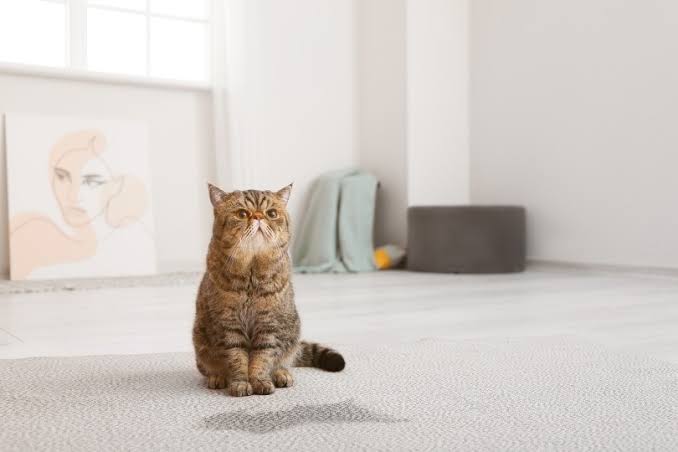
While any cat can develop litter box issues, personality and past experiences play a large role. Nervous or easily stressed cats are often more sensitive to changes.
Rescue cats with an unknown history may also carry past trauma related to litter boxes or confined spaces.
Sensitive or Anxious Cats
Cats with naturally anxious temperaments benefit from extra reassurance and predictable routines. Slow introductions to change reduce their stress load.
Calming aids and quiet box placement help these cats the most.
Confident or Territorial Cats
More dominant or territorial cats are more likely to mark or compete over litter box space. Multiple boxes and clear territory boundaries help reduce this behavior.
Neutering also plays a strong role in reducing marking in these cats.
Tracking and Monitoring Your Cat’s Progress
Keeping a simple record of accidents helps you and your veterinarian spot patterns. Note the date, location, and any visible symptoms each time.
This information becomes valuable if the behavior continues and further testing is needed.
| Date | Location | Symptoms Noticed | Action Taken |
|---|---|---|---|
| Example | Living room floor | None visible | Cleaned, monitored |
| Example | Near litter box | Straining | Vet visit scheduled |
A simple log like this takes only seconds to fill in. Over time, it can reveal whether the issue is improving, worsening, or staying the same.
Long-Term Prevention Tips
Once the immediate problem is resolved, ongoing prevention keeps it from returning. Small, consistent habits make the biggest long-term difference.
Stick to a Cleaning Schedule
Set a fixed daily and weekly cleaning routine for the litter box. Consistency prevents small issues from building into larger avoidance behaviors.
A clean box remains the single most effective prevention tool.
Schedule Annual Vet Visits
Routine checkups catch early signs of kidney disease, diabetes, or arthritis before symptoms become obvious. Early treatment leads to better long-term outcomes.
This is especially important for cats over seven years old.
Watch for Life Changes
New pets, moving homes, or family changes are common triggers for relapse. Prepare your cat gradually whenever possible before these changes happen.
Keeping the litter box routine stable during transitions reduces stress significantly.
Frequently Asked Questions (FAQs)
Why is my cat suddenly peeing on the floor?
Sudden floor peeing is usually caused by a medical issue, stress, or a litter box problem. A vet visit is the best first step.
Is my cat peeing on the floor out of spite?
No, cats do not urinate out of spite or revenge. It is almost always linked to stress, pain, or an environmental issue.
Can a dirty litter box cause my cat to pee on the floor?
Yes, a dirty litter box is one of the most common reasons cats avoid it. Daily scooping usually fixes this quickly.
How do I know if it is a UTI or behavioral issue?
UTIs often involve straining, small urine amounts, or blood in urine. Behavioral issues usually lack these physical symptoms.
Should I punish my cat for peeing outside the box?
No, punishment increases stress and can worsen the behavior. Positive reinforcement works far better than punishment.
How many litter boxes should I have for multiple cats?
The general rule is one litter box per cat, plus one extra. This reduces competition and stress significantly.
Can stress alone cause a cat to pee on the floor?
Yes, stress from new pets, moves, or noise can trigger inappropriate urination. Reducing stress often resolves the issue.
Does spaying or neutering stop cats from peeing outside the box?
It often reduces or stops marking-related urination, especially in unneutered males. It works best when done early in life.
What cleaner removes cat urine smell completely?
Enzyme-based cleaners break down urine compounds fully. Regular household cleaners often leave a scent cats can still detect.
When should I take my cat to the vet for peeing outside the box?
Visit the vet immediately if you see blood, straining, or no urine output. Any sudden change lasting more than a day also warrants a visit.
Conclusion
Why is my cat peeing on the floor comes down to three main areas: medical health, behavior, and litter box setup. Most cases have a clear, fixable cause once identified correctly.
Start by ruling out medical issues with a vet visit, since pain and illness are common triggers. Next, review your litter box cleanliness, location, and number of boxes.
Watch for warning signs like blood in urine, straining, or sudden confusion, especially in senior cats. These signs to watch in 2026 can help you catch problems early and avoid emergencies.
With patience, consistency, and the right adjustments, most cats return to normal litter box habits. If accidents continue despite your efforts, a veterinarian remains your best resource for a lasting solution.
