

Why is gold so expensive is one of the most searched financial questions of 2026, and for good reason.
Gold has crossed historic price levels, trading above $4,500 per ounce as of May 2026.
The answer is not simple. Gold is expensive because of its extreme scarcity, the high cost of mining it, surging central bank demand, inflation fears, and a 5,000-year legacy as the world’s most trusted store of value.
Gold Price in 2026: Where We Stand Right Now
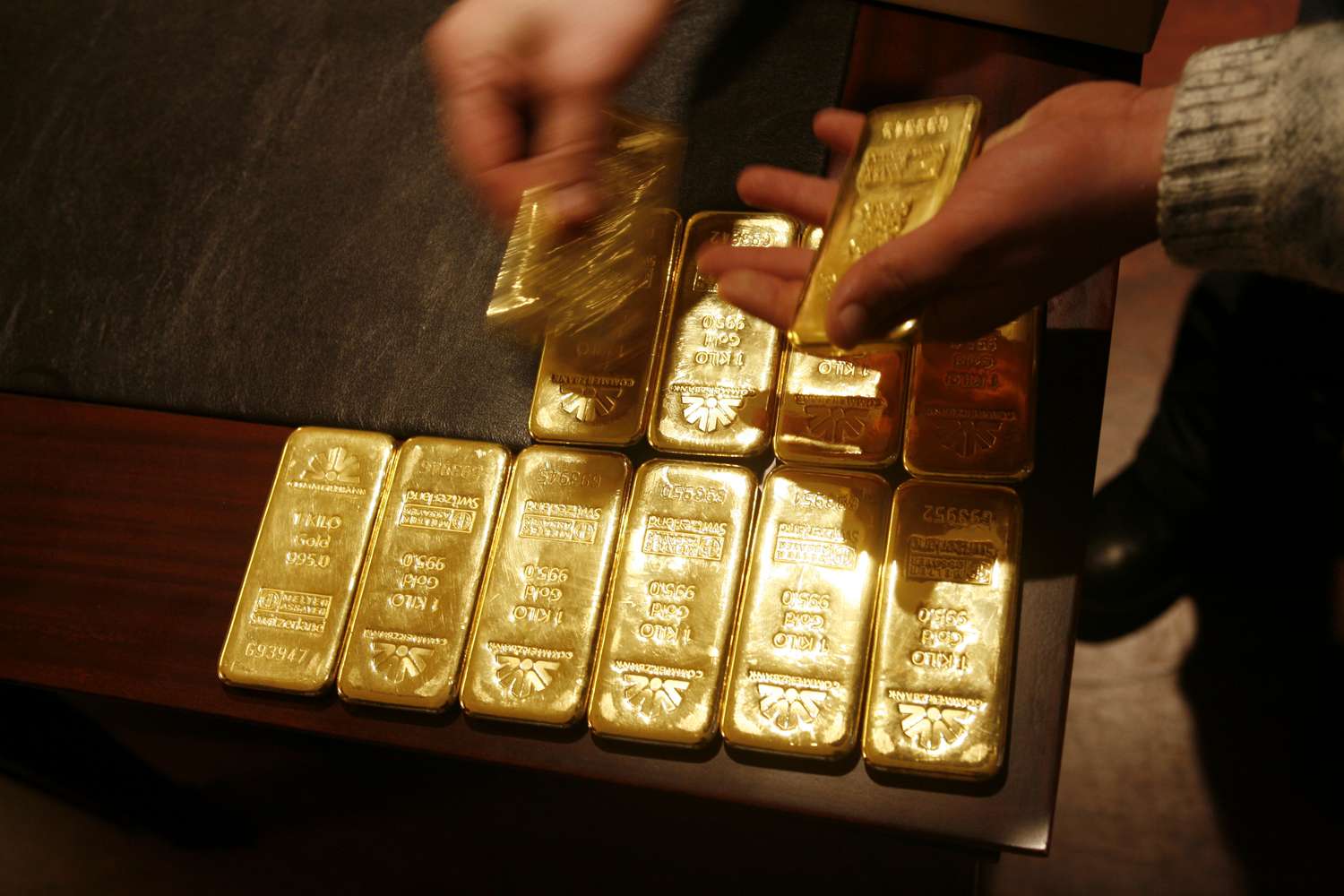
Gold hit a record high of $5,542.40 per ounce in January 2026. As of late May 2026, it trades around $4,520 to $4,580 per ounce.
That is still more than 36% higher than a year ago. Goldman Sachs has set a year-end price target of $5,400 per troy ounce. J.P. Morgan forecasts gold could reach $6,000 to $6,300 per troy ounce by end of 2026.
| Year | Approx. Gold Price (USD/oz) | % Change YoY |
|---|---|---|
| 2020 | $1,900 | +25% |
| 2022 | $1,800 | -5% |
| 2024 | $2,400 | +15% |
| 2025 | $3,300 | +37% |
| 2026 (May) | $4,520 | +36% |
This kind of price movement does not happen by accident. Let’s break down every factor driving it.
What Makes Gold Intrinsically Valuable
Gold’s Unique Physical Properties
Gold is one of the rarest stable elements on Earth. It does not rust, corrode, or tarnish over thousands of years. It is malleable, conductive, and visually striking in a way no other metal can replicate.
These properties made gold the natural choice for currency, jewelry, and industrial use across every major civilization in history. No other element checks all those boxes simultaneously.
5,000 Years of Trusted Value
Ancient Egypt, Rome, China, and the Islamic Golden Age all used gold as the ultimate form of wealth. That cultural and historical trust does not disappear. It compounds over millennia.
Gold was not declared valuable by a government. It earned that status naturally. That distinction matters enormously when comparing it to fiat currencies or newer assets.
Why Is Gold So Expensive: The Core Reasons
Scarcity Is the Foundation
All the gold ever mined in human history fits inside roughly 3.5 Olympic-sized swimming pools. Total above-ground gold stock sits at approximately 212,582 tonnes.
Annual mine production adds only about 3,500 tonnes per year. That is barely a 1.6% annual increase to total supply. No matter how high prices go, you cannot print more gold.
The High Cost of Mining Gold
Finding a viable gold deposit can take 10 to 20 years and hundreds of millions of dollars in exploration costs. Most projects never become producing mines.
Once a mine is running, costs pile up fast. Fuel, labor, water management, environmental compliance, and deep-shaft machinery all require constant investment. As shallow deposits get exhausted, miners go deeper and into more remote areas, making every ounce more expensive to produce.
Mining Cost Breakdown (Approximate)
| Cost Component | % of Total Mining Cost |
|---|---|
| Labor | 30–35% |
| Energy & Fuel | 20–25% |
| Equipment & Maintenance | 15–20% |
| Environmental Compliance | 10–15% |
| Exploration & Development | 10–15% |
This is why even when gold prices rise sharply, new supply cannot immediately respond. The infrastructure simply takes too long and costs too much to build.
Central Bank Buying Is a Massive Price Driver
Record Central Bank Purchases
Central banks around the world have been buying gold at a historic pace for several consecutive years. China’s People’s Bank of China extended its buying streak to 17 consecutive months through April 2026.
Countries that once held the bulk of reserves in U.S. Treasury bonds are now diversifying into gold. The reason is straightforward: when the country issuing the world’s reserve currency runs $2 trillion annual deficits, holding unlimited dollars starts to feel like a liability.
What Central Bank Buying Does to Price
When a central bank buys gold, it holds it for decades. That gold is effectively removed from the market for other buyers. This reduction in available supply pushes prices higher for everyone else, including retail investors and jewelry manufacturers.
This is institutional demand operating on a multi-decade time horizon. It does not respond to short-term price changes the way retail demand does.
Inflation and Currency Debasement
Why Gold Is the Classic Inflation Hedge
Gold cannot be printed. Governments cannot create more of it to fund deficits. That is fundamentally different from every fiat currency in existence.
When inflation rises, the purchasing power of paper currency falls. Investors who hold gold maintain purchasing power because gold’s value tends to rise with or ahead of inflation. This relationship has held across decades and across dozens of countries.
The Data Proves It
From 1971 to 2024, gold delivered an average annual return of 10.6%. During the 1970s stagflation era, gold rose from $35 per ounce in 1971 to $850 by 1980, a 2,300% increase. That outpaced even the high inflation of that decade.
The U.S. dollar has lost more than 97% of its purchasing power since 1913. An ounce of gold in 1913 cost $20. In 2026, that same ounce costs over $4,500. The gold did not change. The dollar did.
2026 Inflation Context
U.S. inflation has stabilized around 2.9% in 2026. But elevated government debt levels, ongoing deficits, and questions about Federal Reserve independence are keeping investor anxiety high.
Gold in 2026 is functioning less as a pure inflation hedge and more as a hedge against policy credibility risk. Investors are buying it because they are uncertain about the long-term reliability of the systems managing those prices.
Geopolitical Uncertainty Drives Demand
Safe Haven Status in a Turbulent World
When the world gets uncertain, investors run to gold. This has been true for centuries and remains true in 2026. Ongoing trade disputes, geopolitical conflicts, energy market volatility, and concerns about the Middle East have all added to gold demand this year.
Gold thrives in uncertainty. The more volatile and unpredictable global events become, the more investors want an asset that holds value outside any political system.
2026 Geopolitical Factors Supporting Gold
The prolonged Middle East conflict involving Iran has created energy price volatility and inflation fears. U.S.-China tensions over trade have pushed investors toward neutral assets. Concerns about Federal Reserve independence after political pressure from the White House added another layer of uncertainty.
Each of these events, on its own, would modestly support gold prices. Together in 2026, they have created a powerful tailwind.
Investment Demand and ETFs
Retail and Institutional Investors Both Buying
Global gold demand hit an all-time high in 2025. Investment demand through ETFs, bars, and coins surged 84% to 2,175 tonnes. That momentum has continued into 2026.
Exchange-traded funds (ETFs) backed by physical gold made it easier than ever for retail investors to buy gold exposure without storing physical bars. When ETF demand surges, fund managers must buy physical gold to back the shares, which drives spot prices higher.
Why Investment Demand Compounds
Unlike jewelry demand, which responds to price sensitivity, investment demand tends to accelerate as prices rise. Investors see gold going up and want more of it. This momentum dynamic can push prices far above what supply-demand fundamentals alone would suggest.
Gold’s Industrial and Technological Demand
Not Just Jewelry and Investment
Gold has critical industrial applications that add another layer of demand beyond investment. It is used in electronics, semiconductors, aerospace components, and medical devices because of its conductivity and corrosion resistance.
As technology manufacturing grows globally, industrial gold demand grows with it. This demand does not disappear during recessions the way luxury jewelry demand might.
Technology Sector Gold Uses
| Industry | Gold Application |
|---|---|
| Electronics | Circuit boards, connectors |
| Aerospace | Reflective coatings, contacts |
| Medical | Implants, diagnostic equipment |
| Dentistry | Crowns, fillings |
| Semiconductors | Bonding wires, chip packaging |
Interest Rates and the Gold Price Relationship
The Inverse Relationship
Gold pays no dividend and yields nothing. When interest rates are high, holding gold becomes relatively less attractive because cash and bonds pay meaningful returns. When rates fall or are expected to fall, gold becomes more appealing.
The Federal Reserve’s rate hike cycle in 2022 to 2023 initially pressured gold prices. But as markets anticipate eventual rate cuts and real interest rates remain uncertain, gold demand has returned strongly.
2026 Rate Dynamics
In May 2026, markets are pricing in roughly a 55% chance of at least one Federal Reserve rate hike before year-end due to energy-driven inflation concerns. This has created some pressure on gold prices in recent weeks, pulling it back from the $5,500 peak to the $4,500 range.
Even so, gold remains significantly higher than any point before 2026, reflecting the structural demand factors that short-term rate expectations cannot override.
The US Dollar and Gold
The Dollar-Gold Seesaw
Gold is priced in U.S. dollars globally. When the dollar weakens, gold becomes cheaper in other currencies, which boosts demand internationally and pushes dollar prices higher. When the dollar strengthens, it creates temporary headwinds for gold.
In 2026, dollar weakness driven by ballooning U.S. debt levels and growing concerns about dollar reserve status has been a consistent tailwind for gold prices.
De-Dollarization Trend
Multiple major economies are actively reducing their reliance on the U.S. dollar in trade settlements. Nations accumulating gold as a reserve asset instead of U.S. Treasuries represents a structural, multi-decade shift that consistently supports gold demand.
This is not a short-term trade. It is a global monetary realignment happening in real time.
How Gold Compares to Other Assets in 2026
Gold vs. Stocks, Bonds, and Real Estate
| Asset Class | 2025 Return | Volatility | Liquidity |
|---|---|---|---|
| Gold | +37% | Medium | Very High |
| S&P 500 | +12% | Medium-High | Very High |
| U.S. Bonds | -3% | Low-Medium | High |
| Real Estate | +5% | Low | Low |
| Bitcoin | +45% | Very High | High |
Gold’s combination of strong returns, medium volatility, and very high liquidity in 2025 made it one of the best risk-adjusted assets available. That track record attracted even more institutional money in 2026.
Gold vs. Bitcoin
Both gold and Bitcoin are often described as inflation hedges and stores of value. Bitcoin is more volatile and returned higher in some periods. But gold has a 5,000-year track record while Bitcoin has roughly 15 years. Central banks buy gold. They do not buy Bitcoin.
For risk-averse institutional money, gold remains the dominant choice by a wide margin.
Supply Constraints That Keep Gold Expensive
Peak Gold Is a Real Concern
Many geologists believe we may be approaching or have already passed peak gold. The largest and most accessible gold deposits have been mined. New discoveries are smaller, deeper, lower-grade, and more expensive to develop.
It now takes an average of 10 to 20 years from discovery to production for a new gold mine. Even with today’s elevated prices, meaningful new supply cannot reach the market for years.
Recycled Gold Fills the Gap
When prices are high, recycled gold from jewelry, electronics, and industrial scrap becomes more economically viable. Recycled gold accounts for roughly 25 to 30% of annual gold supply. But it is not enough to significantly close the supply gap when demand is surging.
Why Gold Jewelry Prices Are Also Rising
Jewelry Demand Remains Strong
Jewelry represents about 40 to 45% of total global gold demand. India and China together account for more than half of global jewelry consumption. As middle-class populations grow in both countries, long-term jewelry demand trends upward.
Higher gold prices do push some consumers toward lighter pieces or gold alternatives. But cultural significance in South Asian and East Asian wedding traditions keeps jewelry demand resilient even at high prices.
Karat Differences Affect Price
| Gold Karat | Gold Purity | Relative Cost |
|---|---|---|
| 24K | 99.9% | Highest |
| 22K | 91.7% | High |
| 18K | 75% | Moderate |
| 14K | 58.3% | Lower |
| 10K | 41.7% | Lowest |
The purity of gold in a piece of jewelry directly determines its material cost. When spot gold prices rise 36% in a year, the material cost of a 22K necklace rises by approximately the same proportion.
Will Gold Stay Expensive in 2026 and Beyond?
Analyst Forecasts
Goldman Sachs reaffirmed its price target of $5,400 per troy ounce by end of 2026 even after a sharp pullback in March. J.P. Morgan forecasts a range of $6,000 to $6,300 per troy ounce by year-end.
These are not outlier predictions. They reflect a consensus view that the structural forces driving gold prices are not going away.
What Could Push Gold Lower
A significant and sustained U.S. dollar rally, rapid resolution of geopolitical tensions, or a surprise hawkish shift from major central banks could create headwinds. A large-scale selloff of gold reserves by central banks would also pressure prices, though there is no evidence of this happening.
Short-term pullbacks are normal and healthy. The March 2026 pullback of more than 10% was the largest single-month decline since June 2013, yet Goldman Sachs maintained its bullish forecast immediately after.
What Could Push Gold Higher
Continued central bank buying, any escalation in geopolitical conflicts, further weakening of the dollar, and a shift toward rate cuts by the Federal Reserve would all support higher gold prices. If global growth slows sharply or equity markets sell off, safe-haven demand would likely surge.
How to Invest in Gold in 2026
Main Ways to Gain Gold Exposure
Physical gold bars and coins give direct ownership but require secure storage. Gold ETFs offer easy exposure through brokerage accounts without storage concerns. Gold mining stocks give leveraged exposure to gold prices but carry company-specific risks.
Gold IRAs allow investors to hold physical gold within a tax-advantaged retirement account. This has become one of the most popular options for retirement savers concerned about inflation eroding the value of traditional stock and bond portfolios.
Key Considerations Before Investing
Gold does not pay dividends or interest. It is a store of value, not an income-producing asset. In strong economic periods, equities have historically outperformed gold.
From 1971 through 2024, the stock market averaged 10.7% annual returns while gold averaged 7.9%. Gold’s value comes from what it does during the bad times, not the good ones.
Frequently Asked Questions (FAQs)
Why is gold so expensive right now in 2026?
Gold is expensive in 2026 because of record central bank buying, persistent inflation fears, a weakening dollar, geopolitical uncertainty, and surging investor demand that pushed prices above $4,500 per ounce.
What is the price of gold per ounce in May 2026?
As of late May 2026, gold trades between $4,500 and $4,580 per ounce, down from its January peak of $5,542 but still around 36% higher than a year ago.
Is gold a good investment in 2026?
Gold has been one of the best-performing assets of 2025 and 2026, but it pays no income. It works best as a portfolio diversifier and inflation hedge rather than a standalone growth investment.
Why do central banks buy gold?
Central banks buy gold to diversify reserves away from the U.S. dollar, hedge against inflation and currency debasement, and hold an asset that no government can default on or print more of.
Will gold prices go up or down in 2026?
Goldman Sachs forecasts $5,400 and J.P. Morgan forecasts $6,000 to $6,300 per ounce by end of 2026. Short-term corrections are possible, but the structural drivers remain strongly bullish.
Why does gold go up when inflation rises?
Gold is a finite, tangible asset that cannot be printed. As inflation erodes the value of paper currency, gold tends to hold or increase its purchasing power, making it the classic inflation hedge.
Is gold rarer than silver?
Yes. Gold is significantly rarer than silver. Total above-ground gold stock is roughly 212,000 tonnes while above-ground silver is estimated at over 1.7 million tonnes, making gold about 8 times rarer by above-ground stock.
Why is gold used in electronics?
Gold is used in electronics because it is an excellent electrical conductor, does not corrode or oxidize, and forms reliable, long-lasting connections in circuit boards, connectors, and semiconductor packaging.
What is the difference between spot price and retail gold price?
The spot price is the live market price for immediate delivery of raw gold. Retail prices for coins, bars, or jewelry include a premium covering manufacturing, distribution, dealer margins, and sometimes collectible value.
How much gold has been mined in all of human history?
Approximately 212,582 tonnes of gold have been mined throughout all of human history. If melted into a single cube, it would measure about 22 meters on each side, easily fitting inside a standard football pitch.
Conclusion
Why is gold so expensive in 2026 comes down to a powerful combination of forces working together. Extreme scarcity limits supply.
High mining costs mean production cannot easily ramp up even at record prices. Central banks around the world are buying at historic rates and holding for decades.
Inflation erodes currency value while gold holds its own. Geopolitical uncertainty drives investors toward safe-haven assets.
And investor demand through ETFs, bars, and coins hit all-time highs in 2025 before continuing into 2026.
Gold prices above $4,500 per ounce are not a bubble or anomaly.
They reflect genuine structural shifts in how governments, institutions, and individuals think about money, risk, and long-term value.
The 5,000-year track record of gold as the world’s most reliable store of value is not weakening. If anything, the events of 2025 and 2026 have reinforced it.
Whether you are an investor, a jewelry buyer, or simply curious about the global economy, understanding why gold is so expensive helps you make smarter decisions about wealth in an uncertain world.
