

Why does my gums hurt is one of the most common questions people type into Google right before they book a dentist visit. Sore gums can feel like a dull ache, a sharp sting, or a throbbing pressure that gets worse when you eat or brush.
Most of the time, gum pain is caused by something simple like brushing too hard or a piece of food stuck near the gumline. But sometimes it points to gingivitis, periodontitis, or an infection that needs professional care.
Quick Answer: Why Does My Gums Hurt?
In most cases, gum pain comes from plaque buildup, gum disease, brushing technique, or a minor injury. Less commonly, it signals an infection, hormonal shift, or nutrient deficiency.
The table below gives you a fast overview before we go deeper into each cause.
| Cause | Common Symptom | Usually Serious? |
|---|---|---|
| Gingivitis | Red, swollen, bleeding gums | No, if treated early |
| Periodontitis | Loose teeth, receding gums, pain | Yes |
| Brushing too hard | Soreness, irritation | No |
| Trapped food | Localized pain in one spot | No |
| Canker sore | Small white sore, stinging | No |
| Dental abscess | Throbbing pain, swelling, pus | Yes |
| Hormonal changes | Tender, swollen gums | No |
| Vitamin deficiency | Bleeding, weak gum tissue | Sometimes |
| Ill-fitting dentures or braces | Rubbing, ulcers | No |
| Tooth decay | Pain near a specific tooth | Yes |
Now let’s look at each of these causes in detail, along with symptoms and what you can do about them.
Common Causes of Gum Pain
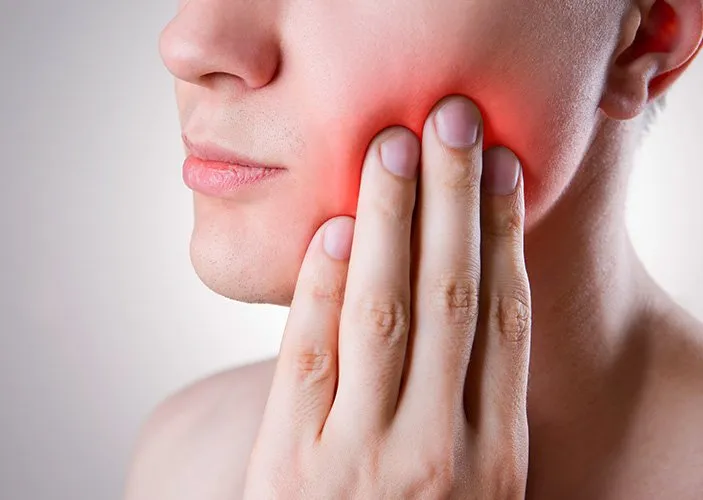
Gum pain rarely comes out of nowhere. Your gums are sensitive tissue, and they react quickly to bacteria, pressure, injury, or changes inside your body.
Understanding the exact cause helps you decide whether home care is enough or whether you need a dental appointment.
Gingivitis (Early Gum Disease)
Gingivitis is the most common answer to why do my gums hurt. It happens when plaque builds up along the gumline and irritates the tissue.
Gums usually look red, puffy, and may bleed when you brush or floss. The good news is that gingivitis is fully reversible with better oral hygiene.
Periodontitis (Advanced Gum Disease)
If gingivitis is left untreated, it can progress into periodontitis. This is a deeper infection that damages the bone and tissue holding your teeth in place.
Periodontitis causes persistent pain, gum recession, bad breath, and eventually loose teeth. It cannot be reversed, only managed with professional treatment.
Brushing Too Hard
Aggressive brushing or a hard-bristled toothbrush can physically damage delicate gum tissue. Over time, this leads to soreness, redness, and even gum recession.
Switching to a soft-bristled brush and gentler strokes usually resolves this within a few days.
Trapped Food Particles
Small pieces of food, popcorn hulls, or seeds can wedge between your teeth and gums. This is a very common reason gums hurt in one specific spot.
Left alone, trapped debris can trigger local inflammation or even a small infection.
Canker Sores (Mouth Ulcers)
Canker sores are small, shallow ulcers that can appear directly on the gum tissue. They sting, especially with acidic or spicy foods.
Stress, minor injury, or certain foods can trigger them. Most heal on their own within one to two weeks.
Dental Abscess
A dental abscess is a pocket of pus caused by a bacterial infection at the tooth root or within the gum tissue. This is one of the more serious causes of gum pain.
Pain is often intense, throbbing, and may radiate to your jaw or ear. This always requires prompt dental treatment.
Hormonal Changes
Hormone fluctuations during puberty, pregnancy, menstruation, or menopause increase blood flow to the gums. This can make gums more sensitive, swollen, and prone to soreness.
Pregnant women in particular may notice this condition, sometimes called pregnancy gingivitis.
Vitamin Deficiency
A lack of Vitamin C or B vitamins can weaken gum tissue over time. This makes gums more prone to bleeding, soreness, and infection.
Eating a balanced diet with enough fruits and vegetables supports stronger, healthier gum tissue.
Ill-Fitting Dentures, Braces, or Retainers
Oral appliances that do not fit properly can rub against gum tissue. This friction leads to localized pain, irritation, and sometimes small ulcers.
If pain persists after a dental adjustment, orthodontic tightening, or new dentures, an adjustment visit may be needed.
Teeth Grinding (Bruxism)
Grinding or clenching your teeth, especially at night, puts extra pressure on your gums and jaw. This can cause soreness that is worse in the morning.
A night guard is often recommended to reduce pressure and protect both teeth and gums.
Recent Dental Work
Fillings, crowns, cleanings, or implant procedures can leave gums temporarily tender. This is a normal healing response.
Discomfort from dental work typically fades within a few days without treatment.
Receding Gums
When gums pull back from the teeth, the sensitive root surface becomes exposed. This can cause pain or sensitivity, especially with hot, cold, or sweet foods.
Gum recession does not reverse on its own and often needs dental evaluation.
Tooth Decay and Cavities
Bacteria produce acid that erodes tooth enamel, and this process can irritate the surrounding gum tissue. Pain often centers around one specific tooth.
Untreated decay can spread deeper into the tooth and eventually affect the gums and bone.
Gum Pain by Location
Where your gum pain shows up can offer clues about the underlying cause. Localized pain often points to something different than widespread discomfort.
Why Do My Gums Hurt in One Spot?
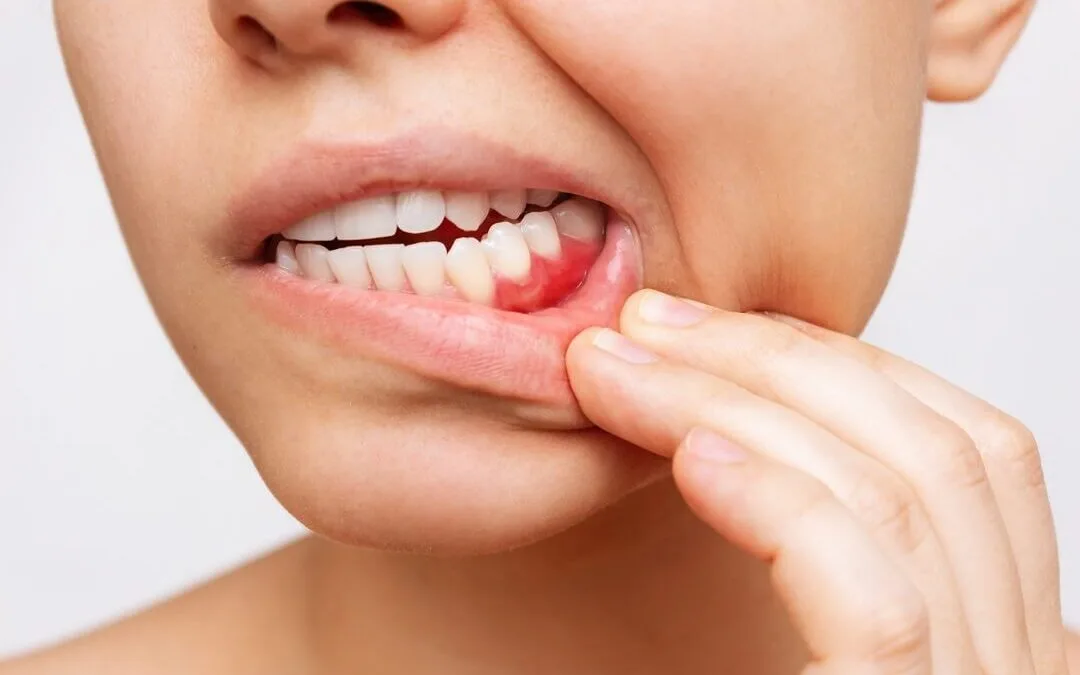
Pain in a single area is often caused by trapped food, minor trauma, or a developing canker sore. Occasionally it signals an infected tooth nearby.
If the spot does not improve within two to three days, it is worth having a dentist take a look.
Why Do My Bottom Gums Hurt?
Sudden pain in the lower gums is often linked to trapped debris, aggressive brushing, or early gum disease. Hormonal shifts can also play a role.
If pain appears without warning and does not fade, an infection or early decay could be the cause.
Why Do My Gums Hurt Between Teeth?
Pain between teeth is frequently caused by food particles or plaque buildup in tight spaces. Flossing habits, or the lack of them, matter here.
Interdental brushes or floss picks can help clear debris that a toothbrush alone cannot reach.
Symptoms That Often Come With Gum Pain
Gum pain rarely shows up completely alone. Watching for related symptoms can help you understand how serious the issue might be.
Common symptoms include swelling, redness, bleeding while brushing, bad breath, and a change in gum texture. Some people also notice a bad taste in their mouth.
More concerning symptoms include pus, fever, loose teeth, and pain that spreads to the jaw or ear.
Table: Gum Pain Symptom Checker
| Symptom | Likely Cause | Action to Take |
|---|---|---|
| Bleeding when brushing | Gingivitis | Improve brushing and flossing |
| Pain in one spot only | Trapped food or trauma | Floss gently, monitor for 2 days |
| Throbbing pain with swelling | Abscess | See a dentist immediately |
| Sore gums during pregnancy | Hormonal changes | Maintain gentle oral hygiene |
| Small white sore | Canker sore | Salt water rinse, wait it out |
| Loose teeth with pain | Periodontitis | Urgent dental treatment |
| Sensitivity to hot or cold | Receding gums | Dental evaluation |
| Pain near braces or dentures | Ill-fitting appliance | Adjustment appointment |
When Gum Pain Is Serious — Warning Signs to Watch
While most gum pain is minor, certain signs mean you should not wait for an appointment.
Seek prompt dental or medical care if you notice pus, a fever, facial swelling, or pain that keeps getting worse instead of better.
Red streaks near the painful area, difficulty swallowing, or trouble breathing are emergency signs and need immediate attention.
Gum pain lasting more than two weeks, even if mild, should also be checked rather than ignored.
How to Relieve Gum Pain at Home
If your gum pain is mild and not linked to infection, several simple home remedies can bring relief while your gums heal.
Warm Salt Water Rinse
Mixing warm water with salt and rinsing several times a day helps reduce inflammation. It also helps clear out bacteria near the gumline.
This is one of the easiest and most effective first steps for sore gums.
Cold Compress
Applying a cold compress to the outside of your cheek can numb pain and reduce swelling. This works especially well after an injury or dental trauma.
Use it in short sessions of ten to fifteen minutes at a time.
Over-the-Counter Pain Relief
Standard pain relievers can temporarily ease discomfort while you address the underlying cause. Topical gels made for gum pain can also help numb the area.
These options are for short-term relief only, not a long-term fix.
Switch to a Soft-Bristled Toothbrush
A soft-bristled brush is gentler on inflamed gum tissue while still removing plaque effectively. Hard bristles often make existing gum pain worse.
Replace your toothbrush every three months for best results.
Avoid Trigger Foods
Spicy, acidic, or very hot foods can aggravate sore gums and slow healing. Sticking to milder foods for a few days often helps.
Crunchy foods like chips or nuts can also irritate a sensitive area.
Gentle Flossing
Skipping flossing entirely can make gum inflammation worse over time. Instead, floss gently around the painful area to remove trapped debris.
Avoid snapping the floss down hard against the gumline.
Professional Treatments for Gum Pain
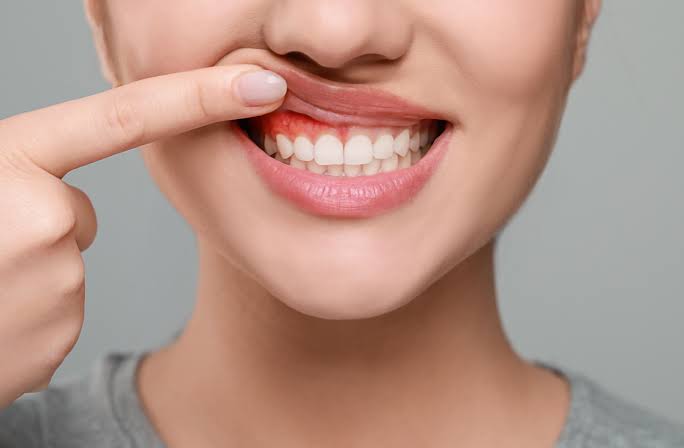
If home care does not resolve your symptoms, a dentist can offer treatments that target the actual cause of the pain.
Scaling and Root Planing
This deep cleaning procedure removes plaque and tartar from below the gumline. It is the standard treatment for gingivitis and early periodontitis.
Most patients notice reduced pain and swelling within a week of treatment.
Antibiotics
For infections like abscesses or advanced periodontitis, a dentist may prescribe antibiotics. These help clear bacteria that brushing alone cannot reach.
Antibiotics are usually combined with another procedure, not used alone.
Abscess Drainage
A dental abscess often needs to be drained by a professional to relieve pressure and pain. This is not something to attempt at home.
Left untreated, an abscess can spread infection to other parts of the body.
Denture or Brace Adjustment
If an oral appliance is the source of your pain, a simple adjustment can resolve it. Continuing to wear an ill-fitting appliance only worsens irritation.
Regular checkups help catch fit issues before they cause real discomfort.
How to Prevent Gum Pain in the Future
Preventing gum pain is usually easier than treating it. A few consistent habits go a long way toward healthier, pain-free gums.
Brush twice daily with a soft-bristled brush and fluoride toothpaste. Floss once a day to clear plaque between teeth.
Visit your dentist for a cleaning and checkup every six months. Eat a balanced diet rich in Vitamin C to support gum tissue strength.
Avoid tobacco products, since they significantly increase the risk of gum disease and slow healing.
Gum Pain vs Tooth Pain: How to Tell the Difference
It can be hard to tell whether pain is coming from your gum or from the tooth itself. Location and triggers usually give the clearest clues.
Gum pain tends to feel like soreness or tenderness in the soft tissue, and it often worsens with brushing or flossing. Tooth pain, on the other hand, is usually sharper and triggered by biting, chewing, or temperature changes.
If pressing on a specific tooth causes intense pain, the problem is more likely inside the tooth, such as decay or a cracked tooth. If the pain is spread across the gumline and comes with redness or bleeding, gum tissue is the more likely source.
When both areas hurt at the same time, it often signals that a tooth problem has started to affect the surrounding gum, which makes a dental visit even more important.
Foods That Help Heal Sore Gums
What you eat can either support gum healing or slow it down. Soft, nutrient-rich foods are generally the safest choice while your gums recover.
Leafy greens, citrus fruits, and berries are high in Vitamin C, which strengthens gum tissue and supports healing. Yogurt and other probiotic foods can help balance the bacteria in your mouth.
Green tea contains antioxidants that may reduce gum inflammation over time. Water remains one of the simplest tools, since it rinses away food particles and keeps saliva production steady.
On the other hand, sugary snacks, alcohol-based mouthwash, and very hot or spicy meals tend to aggravate sore gums and should be limited until symptoms improve.
Common Myths About Gum Pain
A lot of misinformation circulates about sore gums, and some of it can actually make things worse. Clearing up a few myths helps you respond correctly.
One common myth is that you should stop brushing the painful area completely. In reality, gentle brushing with a soft brush is important to keep bacteria from building up further.
Another myth is that bleeding gums are always a sign of brushing too hard. While this can happen, bleeding is more often an early sign of gingivitis that needs better, not less, oral hygiene.
Some people also believe gum pain always means a serious disease. Most cases are minor and resolve with simple care, though persistent or severe symptoms should still be evaluated.
Building a Long-Term Gum Care Routine
A little consistency does more for gum health than any single remedy. Small daily habits, repeated over months, protect gum tissue far better than reacting only when pain shows up.
Start your morning and end your night with two full minutes of brushing. Angle the brush toward the gumline, not just the tooth surface, since plaque loves to hide right at that edge.
Add flossing as a non-negotiable step, not an occasional one. Most gum problems begin in the tight spaces between teeth that a brush alone cannot reach.
Keep a spare soft-bristled toothbrush on hand and swap it out the moment bristles start to fray. A worn-out brush loses effectiveness and can irritate gum tissue unnecessarily.
Finally, treat your twice-yearly dental visit as prevention, not just a formality. A hygienist can spot early gum changes long before you would ever feel pain.
When to See a Dentist
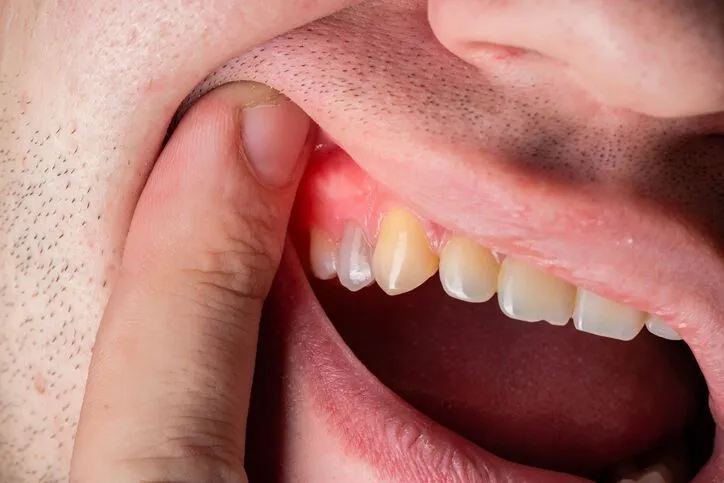
Not every case of gum pain needs a same-day appointment, but some situations should never be ignored.
Book a visit if pain lasts more than a week, keeps getting worse, or comes with swelling, pus, or fever. Loose teeth or a bad taste that will not go away are also red flags.
Early treatment is almost always simpler, faster, and less expensive than waiting until the problem grows.
Frequently Asked Questions (FAQs)
1. Why do my gums hurt when I brush my teeth?
This usually means gum inflammation from plaque or brushing too hard. Switching to a soft brush and gentler technique often helps within days.
2. Why do my gums hurt in one spot but not bleed?
Localized pain without bleeding often points to trapped food or minor trauma. It can still signal early gum disease, so watch it closely.
3. Can stress cause my gums to hurt?
Yes, indirectly. Stress can trigger teeth grinding or weaken your immune response, both of which contribute to gum irritation.
4. Why do my gums hurt after flossing?
This is common if you have not flossed in a while or floss too aggressively. Gentle, consistent flossing usually reduces this over time.
5. Is it normal for gums to hurt during pregnancy?
Yes, hormonal changes increase blood flow to the gums during pregnancy. This often causes tenderness and mild swelling.
6. Why do my gums hurt near my wisdom teeth?
An emerging wisdom tooth can trap food and bacteria under the gum flap. This causes swelling and pain known as pericoronitis.
7. Can a vitamin deficiency really cause gum pain?
Yes, low Vitamin C levels can weaken gum tissue and cause soreness or bleeding. A balanced diet usually improves this within weeks.
8. Why do my gums hurt but my teeth feel fine?
Gum-only pain often points to gingivitis, trauma, or a canker sore rather than a tooth problem. It still deserves attention if it persists.
9. How long should I wait before seeing a dentist for gum pain?
If mild pain does not improve within two to three days, schedule a visit. Severe pain, swelling, or pus needs immediate care.
10. Can gum pain go away on its own?
Minor irritation from brushing or food often resolves within a couple of days. Pain linked to infection or gum disease will not improve without treatment.
Conclusion
Gum pain is a common but important signal from your body. Most of the time, the answer to why does my gums hurt comes down to plaque buildup, brushing habits, or a minor irritation that clears up with basic home care.
However, persistent pain, swelling, or pus should never be ignored, since these can point to gingivitis, periodontitis, or an abscess that needs professional treatment.
Simple daily habits like gentle brushing, regular flossing, and routine dental visits go a long way in preventing gum pain before it starts. When in doubt, a quick check with your dentist can catch small problems before they become bigger ones, keeping your gums healthy and your smile pain-free.
