

Why does my eyeball hurt — this is one of the most searched health questions online, and for good reason.
Eye pain can range from a mild irritation to a serious emergency that threatens your vision.
Whether you feel a sharp sting, a dull ache, or burning pressure behind the eye, understanding the cause is the first step toward relief.
Some cases resolve on their own in hours. Others demand immediate medical attention.
What Does Eye Pain Actually Feel Like?
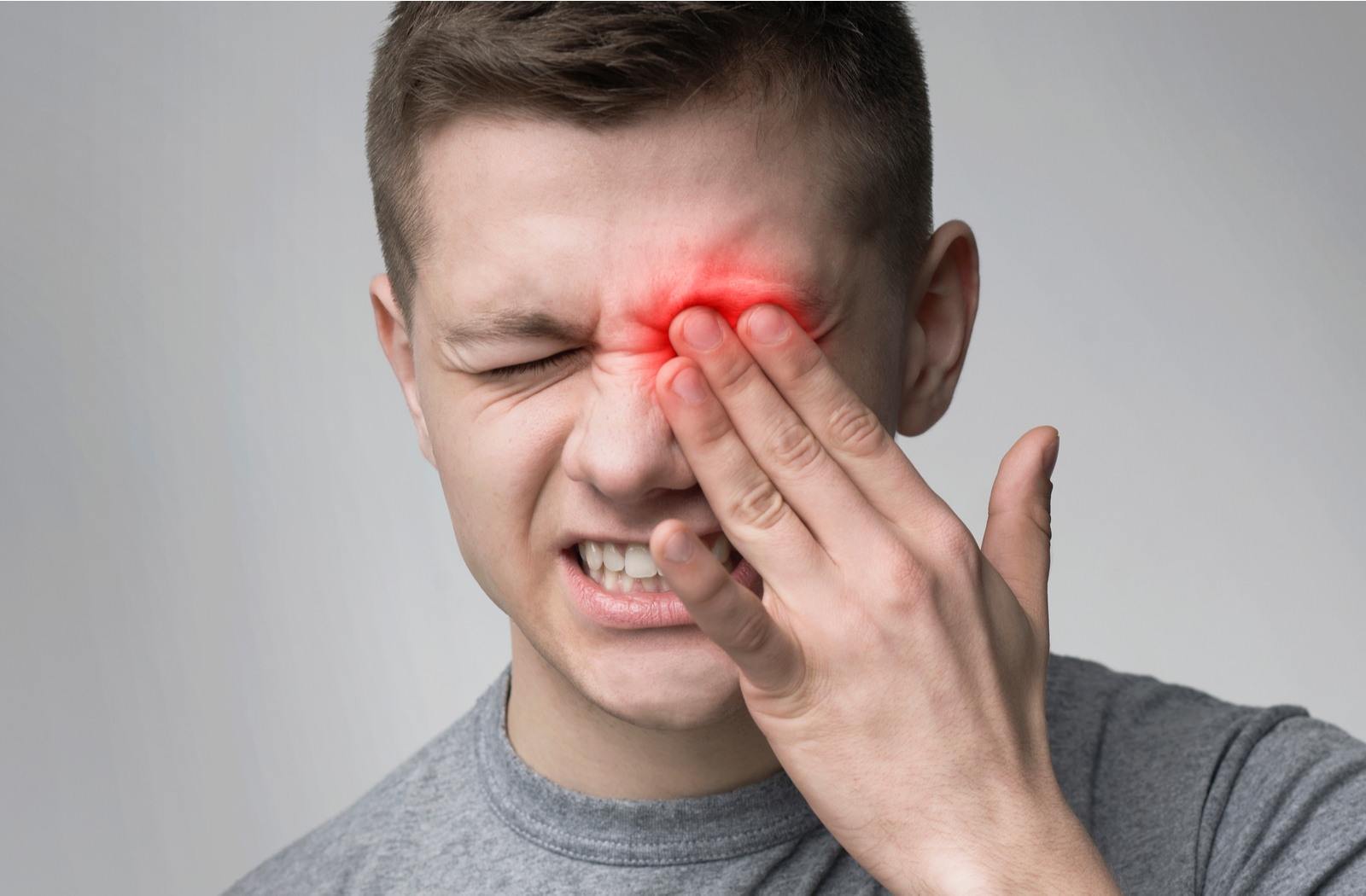
Eye pain is not always the same. It varies by location, intensity, and type. Knowing how to describe it helps your doctor diagnose the problem faster.
| Pain Type | Common Description | Likely Area Affected |
|---|---|---|
| Sharp, stabbing | Sudden, intense, quick | Cornea, foreign body |
| Dull, aching | Deep, constant pressure | Uveitis, glaucoma, sinuses |
| Burning, stinging | Surface irritation | Dry eye, conjunctivitis |
| Throbbing | Pulsing, worsens with heartbeat | Infection, scleritis |
| Pressure behind eye | Heaviness or pushing sensation | Sinusitis, migraine |
| Pain on eye movement | Sharpens when looking sideways | Optic neuritis |
Understanding your pain type narrows down the cause significantly. Always note whether the pain is in one eye or both.
The Anatomy Behind Your Eye Pain
Your eye is a complex organ, and pain can arise from several structures. Knowing the anatomy helps explain why different conditions hurt differently.
The Cornea
The cornea is the clear dome covering the front of your eye. It is one of the most sensitive tissues in the human body, packed with nerve endings. Even a tiny scratch causes intense pain.
The Sclera and Conjunctiva
The sclera is the white outer wall of your eye. The conjunctiva is the thin membrane over it. Inflammation in either area causes redness and pain.
The Uvea (Iris, Ciliary Body, Choroid)
The uvea sits inside the eye. Inflammation here, called uveitis, creates a deep aching pain that gets worse with light and movement.
The Optic Nerve
The optic nerve runs from the back of your eyeball to the brain. When inflamed (optic neuritis), it causes pain that spikes when you move your eye.
The Eye Socket (Orbit)
Muscles, fat, blood vessels, and bone surround your eyeball. Infections or tumors in this space cause pressure, bulging, or restricted movement.
14 Most Common Causes of Eyeball Pain
1. Dry Eye Syndrome
Dry eye is the single most common reason people ask why does my eyeball hurt. Tears evaporate faster than they are produced, leaving the eye surface exposed. Blinking rates drop by up to 60% during screen use, which accelerates tear loss.
Symptoms include burning, gritty feeling, redness, and blurry vision that clears when you blink. The pain is usually bilateral and worse at the end of the day.
2. Digital Eye Strain (Computer Vision Syndrome)
Prolonged screen use causes the eye muscles to fatigue. This creates a dull ache around and behind both eyes, often paired with headache and neck stiffness.
The 20-20-20 rule — looking 20 feet away for 20 seconds every 20 minutes — is the most evidence-backed way to reduce this strain. Screen distance and brightness matter too.
3. Conjunctivitis (Pink Eye)
Conjunctivitis is inflammation of the conjunctiva. It can be bacterial, viral, or allergic. Viral and bacterial forms are highly contagious. The eye appears pink or red, with discharge and a burning or gritty sensation.
Allergic conjunctivitis causes intense itching rather than pain. Bacterial forms produce thick yellow or green discharge, especially overnight.
4. Corneal Abrasion
A corneal abrasion is a scratch on the cornea’s surface. It is one of the most painful eye conditions possible. Common causes include fingernail scratches, dust, metal particles, or improper contact lens handling.
The pain is sharp and immediate, paired with tearing, light sensitivity, and the feeling that something is stuck in your eye. Most minor abrasions heal within 24–72 hours with proper care.
5. Foreign Body in the Eye
Dust, sand, eyelashes, or debris trapped under the eyelid creates constant irritation. The eye tears up to flush the object out. Rubbing makes it worse and can cause a corneal abrasion.
If the object is large, metallic, or embedded, do not attempt removal. Go to an emergency room or eye clinic immediately.
6. Stye (Hordeolum)
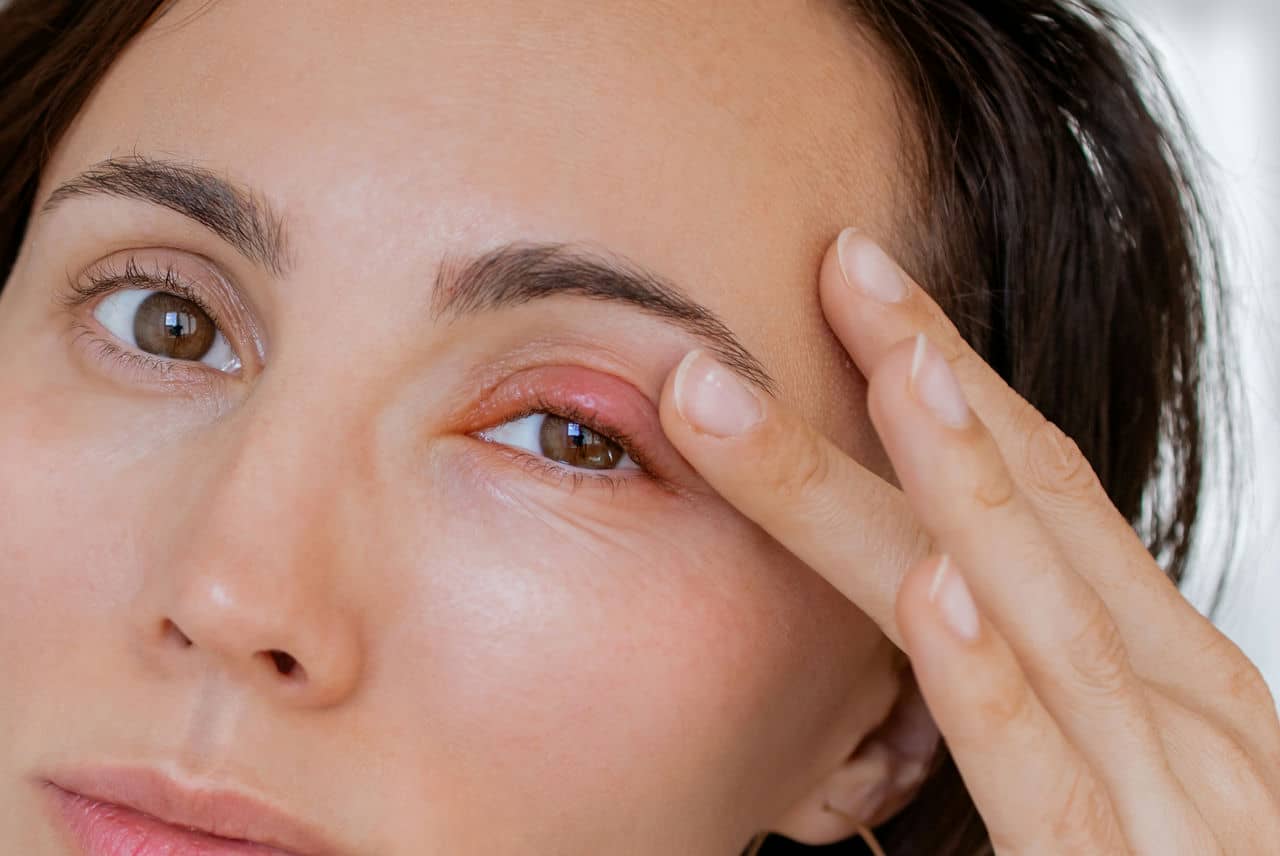
A stye is an infected oil gland or eyelash follicle at the eyelid margin. It presents as a tender, red bump, sometimes with a yellow pus point. The eyelid swells and the area feels sore to touch.
Most styes resolve in one to two weeks with warm compresses applied three to four times a day. Never squeeze or pop a stye.
7. Blepharitis
Blepharitis is chronic inflammation of the eyelid edges, usually from blocked oil glands or bacterial overgrowth. It causes redness, flaking skin at the lash line, and a burning or stinging sensation.
It often accompanies dry eye syndrome. Treatment involves daily lid scrubs, warm compresses, and sometimes antibiotic ointment from a doctor.
8. Uveitis
Uveitis is inflammation inside the eye, specifically of the uvea. It is less common but more serious. Pain is deep, achy, and worsens with reading or bright light. The eye appears red, and vision may blur.
Uveitis can cause permanent vision loss if untreated. It is sometimes linked to autoimmune diseases like rheumatoid arthritis or inflammatory bowel disease. See an ophthalmologist within 24 hours.
9. Acute Angle-Closure Glaucoma
This is a medical emergency. Fluid pressure inside the eye spikes rapidly when the drainage angle closes. The pain is sudden, severe, and often described as the worst eye pain ever felt. It is usually in one eye.
Associated symptoms include nausea, vomiting, halos around lights, blurred vision, and a rock-hard feeling to the eyeball. Go to the emergency room immediately — permanent blindness can occur within hours without treatment.
10. Scleritis
Scleritis is a rare but serious inflammation of the sclera, the white of the eye. The pain is intense, deep, and boring in character. It often worsens at night and radiates to the jaw, face, or temple.
About half of scleritis cases are associated with an underlying autoimmune disease. It requires prompt evaluation and treatment with anti-inflammatory medication.
11. Optic Neuritis
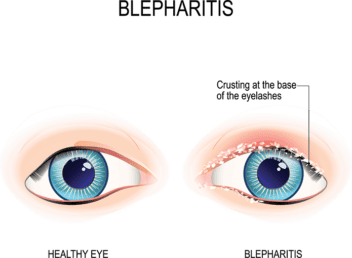
Optic neuritis is inflammation of the optic nerve. It causes pain that sharply intensifies when moving the eye. Vision in the affected eye dims or loses color saturation. It is often associated with multiple sclerosis.
If you experience this combination of symptoms, seek urgent care. An MRI is typically used to evaluate the extent of nerve involvement.
12. Keratitis
Keratitis is inflammation or infection of the cornea. Contact lens wearers are at significantly higher risk. Symptoms include severe pain, redness, discharge, light sensitivity, and blurred vision.
Bacterial keratitis can destroy corneal tissue rapidly if not treated with prescription antibiotic eye drops. Never sleep in contact lenses, and replace your lens case regularly.
13. Sinusitis
Sinus infections create pressure behind the eyes without directly involving the eyeball. The ethmoid and sphenoid sinuses sit very close to the eye socket. When they become congested, pain radiates to and behind the eye.
The pain usually worsens when bending forward or lying down. It is typically accompanied by nasal congestion, postnasal drip, and facial tenderness.
14. Migraine and Cluster Headaches
Migraines frequently present with eye pain, particularly in or behind one eye. Cluster headaches are even more intense and localized to one eye, causing severe stabbing pain alongside a red, watering eye and stuffy nostril on the same side.
Cluster headaches are not dangerous but are among the most painful conditions known. Both conditions require appropriate medical management for relief.
Pain by Location: What Your Symptom Site Tells You
Where your eye hurts is almost as important as how it hurts. This quick reference helps narrow down your situation.
| Pain Location | Top Likely Causes |
|---|---|
| Surface of the eyeball | Dry eye, foreign body, conjunctivitis, corneal abrasion |
| Deep inside the eye | Uveitis, glaucoma, optic neuritis, scleritis |
| Behind the eye | Sinusitis, migraine, optic neuritis |
| Eyelid margin | Stye, blepharitis, chalazion |
| One eye only | Foreign body, stye, angle-closure glaucoma, cluster headache |
| Both eyes | Dry eye, digital eye strain, allergic conjunctivitis, sinusitis |
| Worse on eye movement | Optic neuritis, orbital cellulitis, scleritis |
Warning Signs You Should Never Ignore
Most eye pain is benign and resolves quickly. But certain signs demand same-day or emergency care. Do not wait if you experience any of the following.
Sudden Vision Loss
Any sudden or rapid loss of vision in one or both eyes is a medical emergency. This can indicate a retinal detachment, acute glaucoma, or vascular occlusion. Seconds count — go directly to an emergency room.
Severe, Sudden Eye Pain with Nausea
The combination of intense eye pain and nausea or vomiting strongly suggests acute angle-closure glaucoma. The eye may feel hard to the touch. This is an emergency requiring immediate treatment.
Pain After Eye Injury
If you were hit in the eye, poked, or splashed with a chemical, seek care immediately even if you think it is minor. Blunt trauma can cause internal bleeding or retinal damage that is not visible from outside.
Seeing Halos Around Lights
Halos around lights, especially with pain and blurred vision, signal dangerous pressure buildup inside the eye. This is associated with glaucoma and warrants emergency evaluation.
Eye Bulging or Inability to Move the Eye
A bulging eyeball paired with pain indicates a possible orbital cellulitis or orbital tumor. Restricted eye movement with pain could mean orbital pseudotumor or severe infection spreading from the sinuses.
Persistent Pain Lasting More Than 48 Hours
Eye pain that does not improve or worsens over two days needs professional evaluation. Many serious conditions like uveitis and keratitis worsen rapidly without appropriate treatment.
Eye Pain Red Flag Quick-Check Table
| Symptom | Action Required |
|---|---|
| Sudden vision loss | Emergency room immediately |
| Severe pain + nausea + halos | Emergency room immediately |
| Chemical splash in eye | Flush with water 15 min, then ER |
| Metal or large foreign body in eye | ER, do not rub or remove |
| Eye pain after injury | Same-day eye clinic or ER |
| Eye bulging outward | Urgent same-day care |
| Pain on moving eye + vision dimming | Ophthalmologist within 24 hours |
| Redness + discharge + light sensitivity | Ophthalmologist within 24 hours |
| Mild soreness, no vision change | Home care, monitor 48 hours |
Digital Eye Strain: The Modern Epidemic
Digital eye strain, also known as computer vision syndrome, is now one of the top reasons why does my eyeball hurt is searched online. The average adult spends seven or more hours per day on screens.
Why Screens Cause Eye Pain
When you stare at a screen, your blink rate drops significantly. Normally you blink about 15–20 times per minute. On screens, this falls to 5–7 times per minute. Each blink spreads a fresh tear film over the eye. Without frequent blinking, the surface dries out and irritates the nerve endings.
Blue light from screens is often blamed, but research suggests the main culprit is simply reduced blinking and prolonged near-focus work rather than the light wavelength itself.
How to Relieve Digital Eye Strain
The 20-20-20 Rule — Every 20 minutes, look at something at least 20 feet away for at least 20 seconds. This relaxes the focusing muscles inside the eye.
Increase blink frequency — Consciously remind yourself to blink fully and regularly, especially during video calls.
Adjust screen settings — Lower screen brightness to match your environment. Increase text size so you do not need to lean forward. Position the screen 20–26 inches from your face with the top of the screen at or slightly below eye level.
Use artificial tears — Preservative-free lubricating drops replenish the tear film. Apply one to two drops per eye as needed throughout the day.
Humidify your workspace — Dry air accelerates tear evaporation. A small desk humidifier can significantly reduce end-of-day eye fatigue.
Home Remedies That Actually Work
These remedies are appropriate for mild eye pain with no vision changes, no injury, and no red flag symptoms.
Warm Compress
A clean cloth soaked in warm water and held gently over closed eyelids for 5–10 minutes relieves pain from styes, blepharitis, dry eye, and blocked oil glands. The warmth loosens debris and helps oil glands function properly.
Cold Compress
A cool, damp cloth over closed eyes reduces inflammation and swelling from allergic reactions or after minor irritation. It constricts blood vessels and reduces redness. Use for 5–10 minutes at a time.
Preservative-Free Artificial Tears
Over-the-counter lubricating drops are the frontline treatment for dry eye and digital eye strain. Preservative-free formulas are gentler on frequent use and do not cause the rebound redness that some preserved drops can create.
Saline Eye Rinse
A sterile saline rinse flushes out dust, pollen, or minor debris from the eye surface. It is safe to use several times a day and soothes surface irritation quickly.
Rest Your Eyes
Simply closing your eyes and resting them in a dark room for 15–20 minutes can dramatically reduce aching from eyestrain or mild fatigue.
Avoid These Common Mistakes
Do not rub your eyes. Rubbing pushes a foreign body deeper, spreads infection, and can permanently distort the corneal shape with repeated forceful rubbing (a condition called keratoconus).
Do not use redness-relief drops long term. Drops containing vasoconstrictors like tetrahydrozoline cause rebound redness with overuse and can raise intraocular pressure in people at risk for glaucoma.
Do not wear contact lenses when your eye hurts. Contact lenses trap bacteria and reduce oxygen to the cornea. Remove them at the first sign of pain and do not reinsert until the pain resolves.
When to See a Doctor: The Full Guide
See an Eye Doctor Within 24 Hours If You Have
Eye pain along with noticeable vision changes, significant light sensitivity, or a clearly red eye. Also if you wear contact lenses and experience any eye pain at all, as contact lens-related infections escalate fast.
Go to the Emergency Room If You Have
Sudden severe pain, sudden vision loss, eye trauma, chemical exposure, a hard eyeball, nausea with eye pain, or a visible bulging of the eyeball. These are signs of conditions that can cause permanent blindness within hours.
It Is Safe to Monitor at Home If You Have
Mild soreness after a long day of screen use, minor irritation from dust or wind, mild redness without discharge or vision change, or a small stye that is not near the eyelid margin. Monitor for 24–48 hours and seek care if it does not improve.
Children and Eye Pain: Special Considerations
Children often cannot clearly describe where their eye hurts or how. Watch for rubbing the eye frequently, squinting, avoiding bright light, tilting the head to one side, or unusual clumsiness. These behaviors can signal an eye problem that needs evaluation.
Uveitis in children is particularly dangerous because it often develops without obvious redness or pain. Regular pediatric eye exams are essential.
Any eye injury in a child should be evaluated by a doctor on the same day, even if the child seems fine.
Eyeball Pain and Underlying Diseases
Sometimes eye pain is the first sign of a systemic condition that has nothing to do with the eye itself. This is called referred pain or secondary ocular manifestation.
| Underlying Condition | How It Affects the Eye |
|---|---|
| Multiple sclerosis | Optic neuritis — pain on eye movement, vision loss |
| Rheumatoid arthritis | Scleritis, dry eye syndrome |
| Inflammatory bowel disease | Uveitis, episcleritis |
| Lupus | Dry eye, retinal vasculitis |
| Diabetes | Neovascular glaucoma, fluctuating vision |
| High blood pressure | Retinal vein occlusion, optic nerve damage |
| Thyroid disease | Orbital inflammation, bulging eyes |
| Shingles (herpes zoster) | Herpetic keratitis, uveitis |
If you have a known autoimmune or chronic disease and develop eye pain, contact your ophthalmologist early. These conditions can accelerate eye damage.
What Happens at the Eye Doctor?
Knowing what to expect removes anxiety and helps you prepare.
Your doctor will ask about the type of pain, when it started, any recent injury or illness, your contact lens history, medications, and family history of eye disease.
The examination includes checking your visual acuity, looking at the eye surface under a slit lamp microscope, measuring intraocular pressure, and examining the back of the eye with dilating drops when needed.
If a corneal problem is suspected, fluorescein dye is applied to the eye. Under blue light, scratches and abrasions glow bright green and are easily visible.
If glaucoma is suspected, a tonometer measures the pressure inside the eye. Normal intraocular pressure is 10–21 mmHg. Pressures above this range indicate possible glaucoma.
Prevention: How to Protect Your Eyes Long Term
Schedule Annual Eye Exams
Many serious eye diseases including glaucoma, diabetic retinopathy, and early cataracts have no early symptoms. Regular eye exams catch them before they cause permanent damage. Adults over 40 should have a comprehensive exam every one to two years.
Wear Protective Eyewear
Use safety glasses or goggles when doing woodworking, metalwork, grinding, using power tools, or playing contact sports. Eye injuries from projectiles are among the most preventable causes of blindness.
Use Proper UV-Protective Sunglasses
Long-term UV exposure damages the cornea, lens, and retina. Wear sunglasses that block 99–100% of both UVA and UVB rays whenever you are outdoors in daylight.
Manage Screen Time Intentionally
Use blue-light filter settings on devices in the evening. Keep screens clean and free from glare. Take regular breaks and adjust ambient lighting to reduce contrast between the screen and the room.
Keep Your Contact Lenses Clean
Follow the 1-2-3 of contact lens hygiene: one-time use cleaning solution (never reuse), two hours maximum storage after wear, three months maximum for reusable cases before replacement. Never sleep in lenses unless they are specifically approved for extended wear.
Stay Hydrated
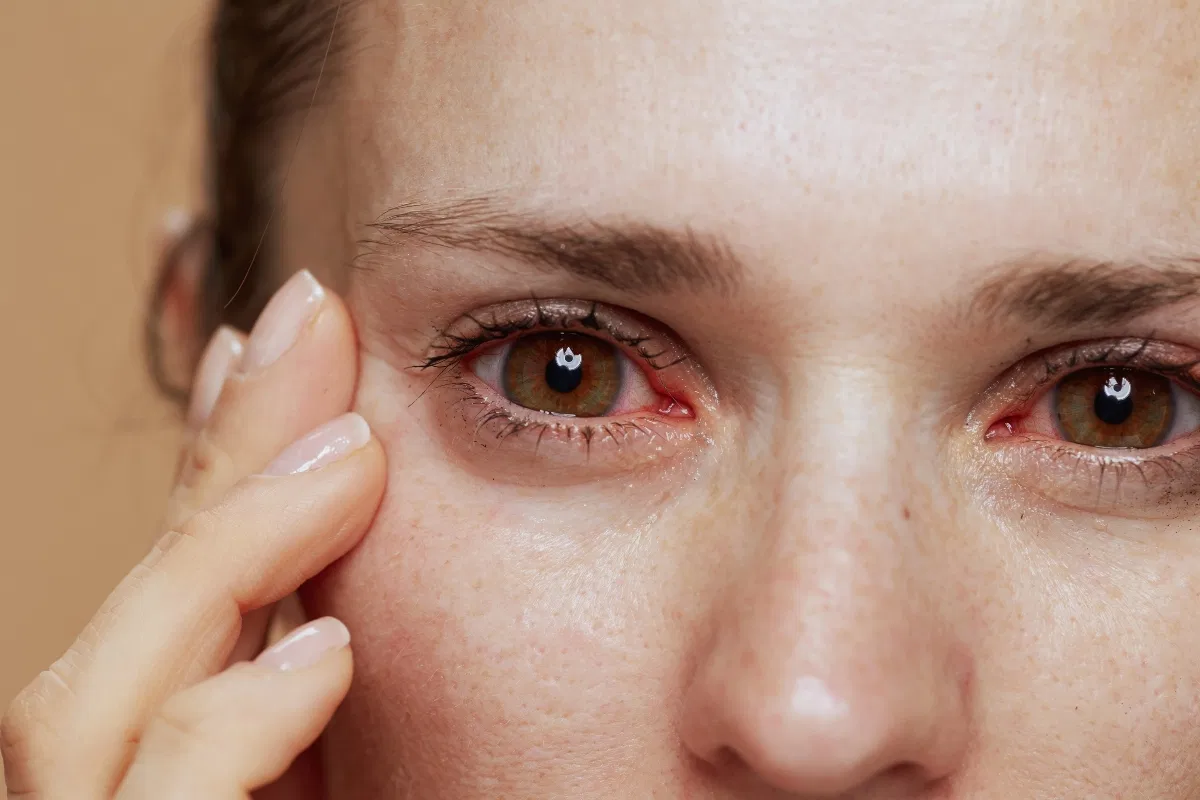
Dehydration reduces tear production and worsens dry eye symptoms. Aim for eight or more glasses of water per day, especially in dry or air-conditioned environments.
Eat for Eye Health
Omega-3 fatty acids found in salmon, sardines, and flaxseed support the meibomian glands that produce the oily layer of tears. Lutein and zeaxanthin found in leafy greens protect the retina from oxidative damage. Vitamins C and E reduce the risk of cataracts and age-related macular degeneration.
Frequently Asked Questions (FAQs)
Why does my eyeball hurt when I move it?
Pain during eye movement usually points to optic neuritis, scleritis, or orbital cellulitis. See an ophthalmologist quickly, especially if vision is also dimming.
Why does my eyeball hurt and feel like something is in it?
This foreign body sensation is most commonly caused by a corneal abrasion, dry eye, or an actual piece of debris under the eyelid. Rinse with saline and avoid rubbing.
Why does my eyeball hurt when I blink?
Pain with blinking suggests a surface problem — a corneal scratch, a foreign body, or conjunctivitis. It can also happen with a stye pressing on the eyeball during lid movement.
Why does my eyeball hurt after looking at screens?
Screen use reduces your blink rate, dries out the eye surface, and fatigues focusing muscles. This is digital eye strain. Use the 20-20-20 rule and lubricating drops for relief.
Why does my eyeball hurt at the back?
Pain felt deep inside or at the back of the eye can indicate uveitis, optic neuritis, or increased intraocular pressure. Deep aching or throbbing pain warrants same-day medical attention.
Can a sinus infection make my eyeball hurt?
Yes. The ethmoid and sphenoid sinuses sit directly adjacent to the eye socket. Sinus pressure transmits as aching pain behind or around the eye, often worse when bending forward.
Why does only one eyeball hurt?
One-sided eye pain is often caused by a foreign body, stye, corneal abrasion, uveitis, or cluster headache. Sudden severe one-sided pain should be treated as a possible acute glaucoma emergency.
Is it normal for my eyeball to hurt after crying?
Yes. Prolonged crying causes the eye surface to dry out from air exposure and the salt in tears can mildly irritate the conjunctiva. Use lubricating drops and cold compress for relief.
Why does my eyeball hurt in the morning?
Morning eye pain is commonly caused by nocturnal dry eye — eyes partially open during sleep allow the surface to dry. It can also result from sleeping with contact lenses or nighttime grinding pressing on facial structures.
When is eyeball pain a medical emergency?
Treat it as an emergency when you have sudden vision loss, severe pain with nausea or vomiting, halos around lights, an eye that feels hard, a bulging eyeball, or pain following an injury or chemical exposure.
Conclusion
Why does my eyeball hurt is a question with dozens of possible answers, and the difference between a minor irritation and a sight-threatening emergency is often just one or two symptoms.
Most everyday eye pain — from screens, dryness, allergies, or a speck of dust — resolves quickly with simple home care.
But deep aching pain, sudden vision changes, severe pain with nausea, or pain after injury are red flags that demand immediate professional evaluation.
The safest approach is always to err on the side of caution. When in doubt, call your eye doctor.
Conditions like acute angle-closure glaucoma, uveitis, and optic neuritis can cause permanent vision loss within hours or days if left untreated.
Annual eye exams, protective eyewear, proper screen habits, and staying hydrated go a long way toward preventing most causes of eye pain before they start.
Your eyes are irreplaceable — treat any pain in them with the seriousness it deserves.
