

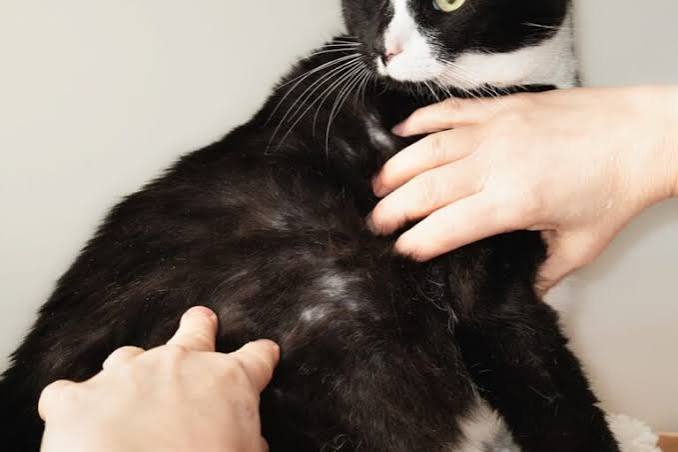
Why Does My Cat Have a Bald Spot? A bald spot on your cat is one of those small changes that can trigger a flood of worry, even when your cat seems happy, eating well, and acting completely normal otherwise.
Fur loss can appear overnight or build up slowly over weeks, and the cause behind it ranges from totally harmless to something that needs a vet visit.
Fleas, allergies, stress, fungal infections, hormone shifts, and even normal anatomy can all leave a patch of skin showing through your cat’s coat.
Is It Normal for Cats to Have Bald Spots?
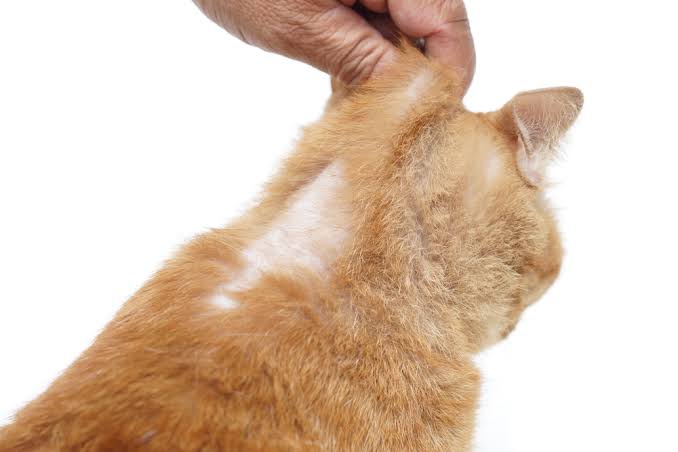
Not all hair loss is a red flag. Cats naturally have thinner fur in certain spots, like just in front of the ears, and this is considered completely normal anatomy rather than a medical issue.
Some researchers believe this thin patch near the ears helps with sensory feedback, warmth regulation, or social signaling between cats. It shows up across many cat breeds and even in wild cats, which suggests it serves a real biological purpose.
The difference between normal thinning and a problem bald spot usually comes down to symmetry, irritation, and speed. A symmetrical, non-itchy patch is rarely worrying, while a sudden, one-sided, red, or expanding bald spot usually is.
Common Causes of Cat Bald Spots at a Glance
Before diving into each cause individually, here’s a quick-reference table that compares the most frequent reasons cats develop bald spots.
| Cause | Typical Location | Itchy? | Common in |
|---|---|---|---|
| Fleas / flea allergy | Lower back, base of tail | Very itchy | Outdoor or multi-pet homes |
| Ringworm (fungal) | Ears, head, front legs | Mildly itchy | Kittens, multi-cat homes |
| Mites / mange | Ears, face, neck | Intensely itchy | Shelter or stray cats |
| Food or environmental allergy | Face, paws, belly | Itchy | Any age, any breed |
| Stress-related overgrooming | Belly, inner thighs, flanks | Self-inflicted, not itchy | Anxious or bored indoor cats |
| Pain-related overgrooming | Over a joint or organ | Localized licking | Senior cats, arthritis |
| Cat bite abscess | Anywhere, often face or legs | Painful, not itchy | Unneutered, outdoor cats |
| Hormonal imbalance | Symmetrical, trunk of body | Usually not itchy | Middle-aged to senior cats |
| Genetics or breed traits | Ears, paws, tail | Not itchy | Sphynx, Devon Rex, Siamese |
| Normal pre-auricular thinning | In front of ears | Not itchy | All cats |
1. Fleas and Flea Allergy Dermatitis
Fleas are the single most common reason a cat develops a bald spot, especially around the lower back and the base of the tail. Even one or two bites can trigger an intense allergic reaction in sensitive cats.
The itching from flea allergy dermatitis is often far more dramatic than the flea infestation itself. A cat may scratch and chew so aggressively that bald patches and small scabs appear within just a few days.
Signs That Point to Fleas
Look for small black specks in the fur that turn reddish-brown on a damp paper towel, tiny scabs along the spine, and a cat that suddenly seems restless or unable to settle.
2. Ringworm (a Fungal Skin Infection)
Despite the name, ringworm has nothing to do with worms. It’s a fungal infection that often causes a circular, scaly bald patch, most commonly around the ears, face, or front legs.
Ringworm spreads easily between cats and can also transfer to humans, so it’s worth handling with gloves and getting a vet diagnosis quickly if you suspect it.
Kittens and cats in shelters or multi-cat households are at higher risk simply because the fungus spreads through shared bedding, brushes, and close contact.
3. Mites and Mange
Several types of mites can burrow into a cat’s skin and cause patchy hair loss, most often around the ears, face, and neck. Ear mites in particular cause intense scratching near the head.
Mange caused by Notoedres or Demodex mites is less common but can cause more widespread, crusty bald patches, especially in cats with weakened immune systems or underlying illness.
A vet can usually confirm mites with a quick skin scraping examined under a microscope, which makes diagnosis fast and treatment straightforward.
4. Food and Environmental Allergies
Cats can develop allergies to specific proteins in their food, as well as to pollen, dust mites, mold, or cleaning products in the home. These allergies almost always show up as itchy skin first.
The itching leads to excessive licking and scratching, and over time that repeated trauma is what actually causes the bald spot, not the allergy directly.
Food allergies tend to affect the face, ears, and paws, while environmental allergies can be more seasonal and widespread across the body.
5. Stress-Related Overgrooming (Psychogenic Alopecia)
Cats are meticulous groomers by nature, but anxious or bored cats can take grooming to an extreme. This condition, called psychogenic alopecia, usually shows up on the belly, inner thighs, or flanks.
Unlike allergy-driven hair loss, stress grooming isn’t always preceded by visible itching. The cat is using licking as a coping mechanism, similar to a self-soothing habit.
Common triggers include a new pet in the house, moving homes, changes in routine, or conflict with another cat in a multi-cat household.
6. Pain-Related Overgrooming
Cats are experts at hiding pain, and sometimes excessive licking over one specific spot is actually a sign of discomfort rather than itchiness or stress. A cat with joint pain may lick over that joint repeatedly.
A cat with bladder discomfort or digestive pain might overgroom the lower belly, creating a bald patch that looks identical to a stress-related one but has a completely different root cause.
This is one of the trickiest causes to identify at home, which is exactly why a full veterinary exam matters before assuming the bald spot is “just stress.”
7. Cat Bite Abscess
Cats, especially unneutered males who roam outdoors, sometimes get into fights with other cats. A bite wound can seal over quickly while bacteria multiply underneath, forming a painful abscess.
The bald spot in this case often appears alongside swelling, warmth, and tenderness, and the cat may suddenly avoid being touched in that area or seem unusually quiet.
Abscesses typically need veterinary draining and a course of antibiotics, after which the fur usually regrows fully once the area heals.
8. Hormonal and Endocrine Imbalances
Hormone-related hair loss is less common than parasites or allergies, but conditions like an overactive thyroid (hyperthyroidism) or imbalances tied to reproductive hormones can cause symmetrical thinning across the trunk of the body.
This type of bald spot usually isn’t itchy at all, which is actually a useful clue. If a cat is losing fur evenly on both sides without scratching, hormones are worth investigating.
Blood work is typically needed to diagnose a hormonal cause, and treatment depends entirely on which hormone system is involved.
9. Genetics and Breed-Related Thinning
Some cats are simply built with less fur in certain areas. Sphynx cats are famously hairless, while Devon Rex and Cornish Rex cats naturally carry thinner, finer coats than other breeds.
Siamese and Burmese cats can also show naturally sparser fur around the ears and face, which is a completely normal trait rather than a medical condition.
If a bald or thin patch has been present since kittenhood and the skin underneath looks healthy, genetics is a far more likely explanation than illness.
10. The Normal Bald Spot in Front of the Ears
Many cat owners are surprised to learn that a small patch of thinner fur directly in front of each ear is considered standard feline anatomy, not a health concern.
This pre-auricular thinning appears in domestic cats and many wild cats across the Felinae family, hinting at a shared evolutionary trait rather than a coincidence.
As long as the skin looks calm, there’s no redness, and the cat isn’t scratching at the area, this particular bald spot is nothing to worry about.
Bald Spot vs. Normal Shedding: How to Tell the Difference
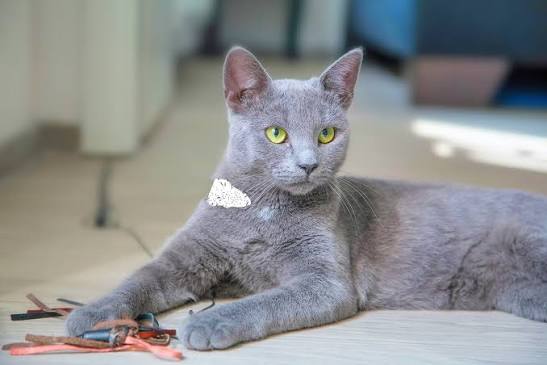
Every cat sheds, and some loose fur on furniture or clothing is completely normal, especially during seasonal coat changes in spring and fall.
The key difference is that shedding thins the coat evenly all over, while a true bald spot leaves a visible patch of skin or noticeably shorter fur in one specific area.
Run your hand over your cat’s coat in good lighting. If you can see skin clearly through the fur in one spot rather than just general thinning everywhere, it’s worth treating as a true bald spot rather than ordinary shedding.
Heavy shedding combined with a patchy bald area can sometimes point to an underlying issue like stress, poor nutrition, or an early skin condition, so it’s still worth keeping an eye on the overall pattern.
Bald Spots in Kittens vs. Senior Cats
Age plays a real role in which causes are most likely. Kittens are especially prone to ringworm and mites because their immune systems are still developing and they’re often in close contact with littermates.
A kitten with a circular bald patch, especially around the face or ears, should be checked for ringworm fairly quickly since it spreads so easily to other pets and people in the home.
Senior cats, on the other hand, are more likely to develop bald spots from hormonal changes, arthritis-related overgrooming, or early signs of internal illness rather than parasites.
If an older cat suddenly starts losing fur symmetrically without any itching, it’s worth asking your vet about thyroid or other hormone-related testing rather than assuming it’s simply old age.
Where the Bald Spot Is Located Tells You a Lot
The location of a bald spot is one of the fastest ways to narrow down the likely cause, even before a vet visit.
| Location on the Body | Most Likely Cause |
|---|---|
| Base of tail / lower back | Fleas or flea allergy |
| Ears, face, front legs | Ringworm or mites |
| Belly, inner thighs | Stress or allergies |
| Symmetrical, both sides of body | Hormonal imbalance |
| One isolated swollen spot | Bite wound or abscess |
| In front of the ears, symmetrical | Normal anatomy |
Red Flags That Mean You Should Worry
Most bald spots are manageable once the cause is identified, but a few signs suggest the issue is more serious and shouldn’t wait.
- The skin underneath looks red, raw, scabbed, or has an odor
- The bald spot is spreading rapidly over a few days
- Your cat seems lethargic, isn’t eating, or seems painful to touch
- There are multiple bald spots appearing in different areas at once
- You notice swelling, pus, or an open wound near the patch
When to See a Vet
A single, calm, symmetrical bald spot with healthy skin underneath usually doesn’t need an emergency visit, but it’s still worth mentioning at the next routine checkup.
Any bald spot paired with redness, scabbing, rapid spreading, or a change in your cat’s behavior should be checked sooner rather than later, since early treatment almost always means faster recovery.
If you’re unsure whether your cat’s situation counts as urgent, a quick call or photo sent to your vet’s office can usually settle the question without an unnecessary trip.
How Vets Diagnose the Cause
Veterinarians typically start with a full physical exam and a detailed history, asking about diet, recent environment changes, flea prevention, and when the hair loss was first noticed.
From there, common diagnostic tools include skin scrapings to check for mites, a special light or fungal culture to check for ringworm, and blood tests to rule out hormonal causes.
In trickier cases, an elimination diet trial or allergy testing may be recommended to pin down whether food or environment is triggering the itching.
Treatment Options by Cause
Treatment for a bald spot always depends entirely on what’s causing it, which is why a proper diagnosis matters more than guessing at home remedies.
| Cause | Typical Treatment | Expected Regrowth Time |
|---|---|---|
| Fleas | Vet-approved flea preventative, environment treatment | 4–8 weeks |
| Ringworm | Antifungal cream and/or oral medication | 4–6 weeks |
| Mites | Prescription parasiticide treatment | 3–6 weeks |
| Allergies | Allergy medication, diet trial, allergen avoidance | Varies, often months |
| Stress overgrooming | Environmental enrichment, anti-anxiety support | Several weeks to months |
| Abscess | Drainage and antibiotics | 2–4 weeks |
| Hormonal imbalance | Medication targeting the specific hormone issue | Several months |
How to Help Hair Regrow at Home
Once the underlying cause is being treated, supporting healthy regrowth mostly comes down to consistency rather than special products.
Keep up with whatever flea, allergy, or medical treatment your vet prescribed, even after the bald spot starts looking better, since stopping early is one of the most common reasons hair loss returns.
A balanced diet with adequate protein and essential fatty acids supports healthy coat regrowth, and your vet can recommend a specific food or supplement if needed.
Avoid home remedies like essential oils, human skincare products, or random supplements without checking with a vet first, since some common household products are actually toxic to cats.
How to Prevent Future Bald Spots
Year-round flea prevention recommended by your vet is one of the simplest ways to prevent the most common cause of bald spots before it ever starts.
Reducing household stress through consistent routines, enough vertical space, and separate resources in multi-cat homes can significantly cut down on stress-related overgrooming.
Regular at-home coat checks during petting sessions help you catch new bald spots early, while routine vet visits catch hormonal or internal issues before they show up as visible hair loss.
Keeping a simple log or photo timeline of any new bald spot can also be genuinely useful. Tracking size, location, and any new symptoms over a week or two gives your vet a clearer picture and often speeds up an accurate diagnosis.
Other Rare Causes Worth Knowing
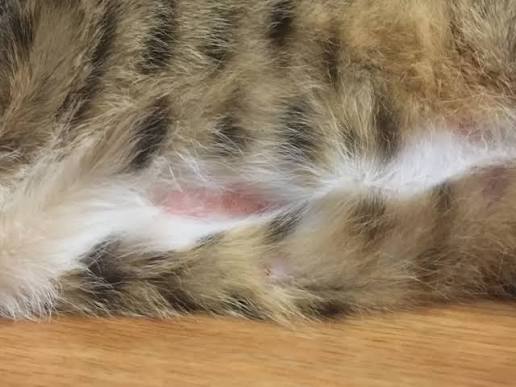
A small number of bald spots trace back to less common conditions, including immune-mediated skin disease, certain medication reactions, or in rare cases, an underlying tumor affecting the skin or hormone glands.
These causes are far less frequent than fleas, allergies, or stress, but they’re part of why vets often run blood work alongside a physical exam rather than guessing from appearance alone.
Pregnant or nursing cats can also develop temporary bald patches due to hormone shifts during that life stage, and this type of hair loss typically resolves on its own once hormone levels stabilize.
The takeaway isn’t to panic over rare possibilities, but rather to understand why a proper diagnosis matters more than self-treating based on what the bald spot simply looks like.
Frequently Asked Questions (FAQs)
Here are quick, straightforward answers to the questions cat owners ask most often about bald spots.
Will my cat’s bald spot grow back?
In most cases, yes. Once the underlying cause like fleas, ringworm, or an abscess is treated, fur typically regrows within several weeks.
Is a bald spot on a cat an emergency?
Usually not, unless it’s spreading fast, looks infected, or your cat seems unwell. A calm, healthy-looking patch can wait for a routine vet visit.
Can stress alone cause a cat to go bald?
Yes, psychogenic alopecia from stress or anxiety is a recognized cause of overgrooming and hair loss, especially on the belly and inner thighs.
Are bald spots in front of a cat’s ears normal?
Yes, this is typically standard feline anatomy and not a sign of illness, as long as the skin looks calm and the cat isn’t scratching there.
Can indoor-only cats get fleas and bald spots?
Yes, fleas can hitch a ride indoors on clothing, shoes, or other pets, so indoor cats are not automatically protected from flea-related hair loss.
How long does ringworm hair loss take to heal?
With proper antifungal treatment, most cats see fur regrowth within four to six weeks, though severe cases can take longer.
Can I put coconut oil on my cat’s bald spot?
It’s best to avoid home remedies until you know the cause, since some oils can worsen certain skin conditions or be unsafe if licked off.
Why does my cat have a bald spot on its belly?
Belly bald spots are most often linked to stress overgrooming or allergies, since cats can easily reach and lick that area repeatedly.
Can food cause a cat to lose fur?
Yes, food allergies can trigger itching that leads to overgrooming and bald spots, usually affecting the face, ears, and paws first.
Should I shave around my cat’s bald spot?
No, shaving isn’t necessary and won’t speed up healing. Focus on treating the underlying cause and let the vet guide any clipping if it’s needed for treatment.
Conclusion
A bald spot on your cat can mean almost anything, from a completely normal anatomical trait near the ears to a sign of fleas, allergies, stress, infection, or an underlying hormonal issue.
The good news is that most causes are easy to identify with a proper veterinary exam and respond well to treatment once diagnosed correctly.
Pay attention to where the bald spot is located, whether the skin looks irritated, and how quickly it’s changing, since these details offer real clues even before a vet visit.
While a single calm patch rarely signals an emergency, redness, rapid spreading, or a change in your cat’s behavior is always worth a same-week appointment. With the right care, most cats see their fur grow back fully within weeks to a few months.
