

Why do I see black spots floating across my vision, especially when I look at a bright wall or the sky? It’s one of the most common eye-related questions people search for, and the honest answer is that it depends.
Most of the time, these spots are called floaters, and they’re a normal part of aging. But in some cases, they can be an early warning sign of a more serious eye condition.
What Are Black Spots in Your Vision, Exactly?

Black spots in vision are usually small shapes that drift across your line of sight. They can look like dots, specks, threads, squiggly lines, or cobwebs.
Doctors call this phenomenon “eye floaters.” The medical term is myodesopsia, though almost nobody uses that word outside a clinic.
These spots are most noticeable against plain, bright backgrounds. A clear blue sky, a white wall, or a bright computer screen will make them far easier to spot.
They move when your eyes move, then drift slowly once your eyes stop. This drifting motion is one of the easiest ways to tell a floater apart from other vision problems.
The Main Cause: How Floaters Actually Form
To understand black spots, you need to understand the vitreous humor first. This is the clear, gel-like substance that fills the inside of your eyeball.
The vitreous humor makes up roughly 80% of your eye’s total volume. It helps your eye hold its round shape and lets light pass through to the retina.
As you age, this gel slowly changes texture. It shrinks, becomes more watery, and tiny fibers inside it begin to clump together.
Those clumps are no longer perfectly clear. When light passes through your eye, the clumps cast small shadows onto your retina.
Your brain interprets those shadows as floating black dots or shapes. That’s the entire mechanism behind almost every floater you’ll ever see.
Posterior Vitreous Detachment (PVD): The Underlying Process
Most floaters are tied to a process called posterior vitreous detachment, or PVD. This happens when the vitreous gel separates from the retina at the back of the eye.
PVD is extremely common in adults over 50. By the age of 80, the large majority of people have experienced it in at least one eye.
During PVD, the gel pulls away gradually rather than all at once. This pulling motion is what produces both floaters and occasional flashes of light.
In most cases, PVD is harmless and resolves on its own without treatment. The floaters it creates often fade or become less noticeable within a few months.
However, a small percentage of PVD cases lead to a retinal tear. That’s why sudden, large increases in floaters should always be checked by a professional.
Table: Quick Overview of Common Causes
| Cause | Typical Age Group | Urgency Level |
|---|---|---|
| Age-related vitreous changes | 45+ | Low |
| Posterior vitreous detachment (PVD) | 50+ | Low to Moderate |
| Retinal tear or detachment | Any age, higher risk 50+ | Emergency |
| Diabetic retinopathy | Diabetics of any age | High |
| Eye inflammation (uveitis) | Any age | High |
| Ocular migraine | 20–50 | Low |
| Eye injury or trauma | Any age | Emergency |
| Post-cataract surgery changes | 60+ | Low to Moderate |
Are Black Spots Always Floaters?
Not every black spot you notice is a true floater. Some people describe a fixed dark patch that doesn’t move, which is different.
A floater drifts when your eyes move and settles when they stop. A fixed dark spot that stays in one place could indicate a blind spot or scotoma instead.
Scotomas are linked to retinal or neurological issues, not the vitreous gel. They deserve a separate, more urgent conversation with your doctor.
If your “black spot” never moves no matter where you look, mention this specific detail during your eye exam. It changes the diagnostic path completely.
Black Spots and Aging: What’s Considered Normal
Aging is, by far, the single biggest risk factor for floaters. Most people start noticing them sometime in their 40s or 50s.
This happens because the vitreous gel naturally liquefies more with each passing decade. The collagen fibers inside it become more prone to clumping together.
A few floaters that have been stable for months or years are usually nothing to worry about. Your brain typically adapts and starts tuning them out over time.
The concern arises specifically with new floaters or a rapid increase in their number. New onset always warrants a prompt, non-emergency eye exam.
Nearsightedness (Myopia) and Floater Risk
People who are highly nearsighted face a higher lifetime risk of floaters. Myopic eyes tend to be slightly longer than average, which stresses the vitreous gel.
This added stress can speed up the liquefaction process described earlier. As a result, floaters often appear earlier in life for nearsighted individuals.
High myopia is also linked to a greater risk of retinal thinning. Thinner retinal tissue is more vulnerable to tears when the vitreous pulls on it.
If you’re highly nearsighted and notice new floaters, don’t wait. Schedule a dilated eye exam sooner rather than later.
Diabetic Retinopathy: A Serious Underlying Cause

Diabetes can directly cause black spots through a condition called diabetic retinopathy. High blood sugar damages the tiny blood vessels inside the retina over time.
Damaged vessels can leak blood into the vitreous gel itself. That leaked blood casts shadows that look exactly like ordinary floaters.
This is one of the trickiest causes because it can feel identical to harmless aging-related floaters. The difference often only shows up during a dilated retinal exam.
According to the American Diabetes Association, floaters in someone with diabetes should never be dismissed as routine. They recommend getting checked right away whenever new floaters appear.
Table: Floaters vs. Ocular Migraine — Key Differences
| Feature | Eye Floaters | Ocular Migraine |
|---|---|---|
| Appearance | Dark spots, threads, cobwebs | Flashing, zigzag, shimmering light |
| Color | Black or gray | Bright, white, or colored |
| Movement | Drifts with eye movement | Expands or spreads across vision |
| Duration | Can be permanent | Usually resolves in 20–60 minutes |
| Cause | Vitreous gel changes | Neurological activity in the brain |
| Associated symptoms | None usually | Sometimes followed by headache |
Can Migraines Cause Black Spots?
Migraines, specifically migraine with aura, can produce visual disturbances that people sometimes mislabel as black spots. These are technically called scintillating scotomas.
Unlike floaters, migraine-related visual symptoms originate in the brain’s visual cortex. They are not caused by anything physically happening inside the eye.
Migraine visual symptoms tend to be bright, dynamic, and patterned rather than dark and still. Many people describe them as shimmering, flickering, or zigzag-shaped.
These symptoms are usually temporary, lasting anywhere from a few minutes to about an hour. If a “black spot” lingers for days, a migraine is an unlikely explanation.
Eye Inflammation and Uveitis
Uveitis is inflammation of the uvea, the middle layer of tissue inside your eye. It’s a less common but important cause of black spots.
Inflammation can cause white blood cells to drift into the vitreous gel. Those cells cast shadows just like collagen clumps do, producing visible dark specks.
Posterior uveitis specifically affects the back portion of the eye and is the rarer form. It often comes with additional symptoms like blurred vision or eye pain.
Uveitis requires prescription treatment, usually anti-inflammatory drops or oral medication. Left untreated, it can threaten long-term vision, so prompt diagnosis matters.
Eye Surgery, Trauma, and Floater Risk
Cataract surgery and other eye procedures can sometimes trigger new floaters. The surgery itself can shift or disturb the vitreous gel slightly.
This is typically a temporary side effect rather than a sign of a new problem. Most post-surgical floaters settle down within a few weeks.
Physical trauma to the eye is a different story and should always be taken seriously. Any blunt force injury can tear the retina or cause internal bleeding.
If you’ve had a recent eye injury and now see new black spots, treat it as urgent. Don’t wait to see if it resolves on its own.
Warning Signs That Mean You Should See a Doctor Immediately
Most black spots are harmless, but certain warning signs change everything. These signs point toward a possible retinal tear or detachment.
A sudden shower of many new floaters, often described as “pepper” or “soot,” is one major red flag. This kind of sudden onset is different from the gradual floaters of normal aging.
Flashes of light, especially in your peripheral vision, are another key warning sign. These flashes happen when the retina is being physically tugged or pulled.
A dark curtain or shadow spreading across part of your vision is the most urgent sign of all. This can indicate the retina is actively detaching.
Sudden loss of side or peripheral vision should be treated as a medical emergency. Time matters enormously when it comes to protecting your eyesight.
Table: Symptom Checklist — Urgent vs. Non-Urgent
| Symptom | Likely Non-Urgent | Likely Urgent |
|---|---|---|
| A few stable floaters for months | Yes | No |
| Sudden shower of new floaters | No | Yes |
| Flashes of light in peripheral vision | No | Yes |
| Dark curtain over part of vision | No | Yes |
| Floaters after minor eye strain | Yes | No |
| Floaters with eye pain or redness | No | Yes |
| Floaters following recent eye trauma | No | Yes |
| Floaters that fade over weeks | Yes | No |
Screen Time, Lighting, and Why Spots Seem Worse Some Days

Many people notice their floaters seem to change in intensity from day to day. This isn’t usually a sign that the underlying condition is worsening.
Bright screens and high-contrast backgrounds make existing floaters far easier to notice. Staring at a white document or a sunny sky simply increases visibility, not severity.
Dry eyes can also make floaters feel more prominent than usual. A drier tear film slightly affects how light scatters as it enters the eye.
Fatigue and prolonged screen use don’t create new floaters, but they can increase awareness of existing ones. Taking regular breaks and blinking more often can ease this effect.
Lighting conditions matter too. Floaters are typically least visible in dim, low-contrast environments and most visible in bright, even lighting.
Black Spots in One Eye vs. Both Eyes: Why It Matters
The distinction between one-eye and two-eye symptoms is more important than many people realize. Vitreous changes almost always happen independently in each eye.
If you notice spots in only your left or right eye, that’s the expected pattern for normal aging-related floaters. Both eyes rarely degrade at exactly the same rate.
Genuine two-eye symptoms occurring at the same time are less common and deserve closer attention. This pattern is more often associated with systemic causes like diabetes or migraine.
A simple way to track this is to cover one eye at a time for ten seconds. Note whether the spot is present, then repeat with the other eye covered.
Write down your findings before your appointment. This small detail can speed up your diagnosis considerably.
How Doctors Diagnose the Cause of Black Spots
A comprehensive dilated eye exam is the standard first step. Dilation allows the doctor to see the retina and vitreous gel clearly.
Your doctor will likely ask detailed questions about your symptoms. Expect questions about when the spots started and whether they’ve changed recently.
Imaging tools like optical coherence tomography (OCT) may be used for a closer look. OCT creates detailed cross-sectional images of the retina’s layers.
If diabetes or another systemic condition is suspected, blood sugar testing may follow. Catching diabetic retinopathy early can prevent further vision damage.
Treatment Options for Black Spots and Floaters
For most age-related floaters, the standard approach is simply observation. No treatment is needed because they’re not dangerous and often fade naturally.
When floaters are severe enough to interfere with daily life, a vitrectomy may be considered. This surgery removes the vitreous gel and replaces it with a clear solution.
If a retinal tear is found early, in-office laser treatment can often seal it quickly. This prevents the tear from progressing into a full detachment.
For diabetic retinopathy or uveitis, treating the underlying condition is the real priority. Managing blood sugar or reducing inflammation addresses the root cause directly.
Can You Prevent Black Spots From Forming?
You can’t completely prevent age-related vitreous changes since aging is unavoidable. However, certain habits can lower your overall risk profile.
Wearing protective eyewear during sports or risky activities reduces your trauma risk significantly. Eye injuries are one of the few preventable causes on this list.
Keeping diabetes well-managed through diet, exercise, and medication protects your retinal blood vessels. This directly lowers your risk of diabetic retinopathy-related floaters.
Routine annual eye exams help catch problems before symptoms even appear. This is especially important if you’re over 40, diabetic, or highly nearsighted.
A balanced diet rich in leafy greens and omega-3 fatty acids also supports general retinal health over time, even though it won’t reverse floaters that have already formed.
Living With Floaters Day to Day
Many people find that their floaters become less noticeable over weeks or months. The brain gradually learns to filter them out of conscious attention.
Floaters tend to stand out most against plain, bright backgrounds like a clear sky. Looking at busier, more textured scenes can make them far less distracting.
If floaters interfere with reading or screen work, try adjusting your eye position slightly. Moving your eyes can shift the floater out of your direct line of sight temporarily.
Persistent anxiety about floaters is common, even when they’re medically harmless. Talking to your eye doctor can offer real reassurance once serious causes are ruled out.
When Black Spots Affect Only One Eye
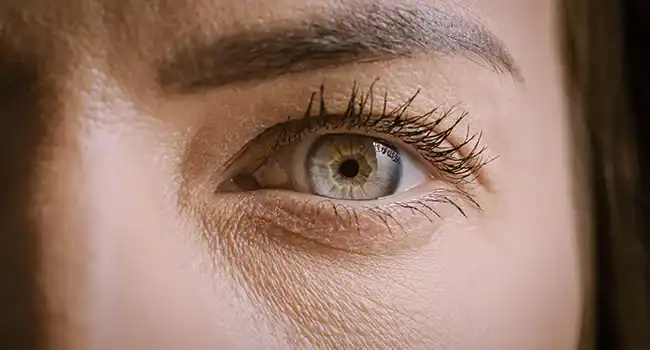
Floaters and black spots often appear in just one eye rather than both. This is completely normal since the vitreous gel ages independently in each eye.
If symptoms appear suddenly in just one eye, pay close attention to that eye specifically. One-sided sudden symptoms are more concerning than gradual, long-term ones.
Comparing both eyes by covering one at a time can help you notice differences. This simple test can reveal whether a problem is isolated to one eye.
Report which eye is affected clearly to your doctor during your exam. This detail helps narrow down the most likely underlying cause.
Why Do I See Black Spots? Warning Signs Explained 2026
If you’ve made it this far, you now understand most of what causes black spots in vision. The next section answers the most common follow-up questions people ask.
Frequently Asked Questions (FAQs)
Why do I see black spots in my vision suddenly?
A sudden onset often points to posterior vitreous detachment or vitreous gel changes. If the spots increase rapidly, see an eye doctor right away.
Are black spots in vision dangerous?
Most are harmless age-related floaters that don’t threaten your eyesight. They become dangerous only when linked to a retinal tear or bleeding.
What do floaters look like exactly?
They typically appear as dots, threads, squiggly lines, or cobweb-like shapes. They’re most visible against bright, plain backgrounds like the sky.
Can stress cause black spots in vision?
Stress itself doesn’t directly cause floaters in the eye’s vitreous gel. However, stress-related migraines can produce similar-looking visual disturbances.
Do black spots in vision go away on their own?
Many floaters fade or become less noticeable over weeks or months. Some, however, remain permanently though less distracting over time.
Can high blood pressure cause black spots?
Severe, uncontrolled high blood pressure can affect retinal blood vessels. This can occasionally lead to visual disturbances, including spots or blurriness.
Is it normal to see black spots when standing up quickly?
Yes, this is usually a brief drop in blood flow, not an eye floater. It typically resolves within a few seconds and isn’t usually serious.
When should I go to the ER for black spots?
Go immediately if you notice a sudden shower of floaters with flashing lights. A dark curtain spreading across your vision is also an ER-level emergency.
Can children get black spots in their vision?
Yes, though it’s less common since vitreous changes are usually age-related. In children, it’s worth ruling out trauma or inflammation specifically.
Will my black spots ever fully disappear?
Some floaters fade completely as your brain adapts to them. Others remain permanently but typically become far less noticeable with time.
Conclusion
Seeing black spots in your vision is one of the most common eye symptoms people experience, and in most cases, it’s simply a harmless part of aging. Floaters form when the vitreous gel inside your eye changes texture and casts tiny shadows on the retina.
While the majority of cases need no treatment at all, certain warning signs, like sudden flashes, a shower of new floaters, or a dark curtain across your vision, mean you should see an eye doctor immediately.
Conditions like diabetic retinopathy, uveitis, and retinal tears all share floaters as a symptom, which is why self-diagnosis isn’t enough. The safest approach is simple: track when your floaters started, note any changes, and schedule a dilated eye exam if anything feels new or different.
Most people live comfortably with occasional floaters for life, but staying alert to the red-flag symptoms covered in this guide is the best way to protect your long-term vision and catch serious problems early.
