

Why do people throw rice at weddings is a question almost every guest asks at least once while standing outside a ceremony, handful of rice ready to toss. The tradition feels playful, but its roots go back thousands of years.
Long before confetti and bubbles became popular alternatives, rice was the go-to symbol of blessing for newlyweds. Ancient cultures believed grains carried the power to bring wealth, fertility, and protection to a new marriage.
The Ancient Roman Origins of Throwing Grain

The tradition of throwing grain at newlyweds is widely believed to have started with the ancient Romans. Instead of rice, Roman guests originally tossed wheat or oats at couples leaving their ceremony.
Wheat and oats were essential foods that nourished Roman communities, which naturally linked these grains to ideas of prosperity, nourishment, and new beginnings.
By showering couples with grain, guests symbolically wished the newlyweds a life filled with abundance, much like a successful harvest season.
Table: Ancient Grain Traditions by Culture
| Culture | Grain or Item Used | Symbolic Meaning |
|---|---|---|
| Ancient Rome | Wheat and oats | Prosperity and nourishment |
| Celtic tradition | Grain | Warding off evil spirits |
| Medieval Europe | Rice | Wealth and fertility |
| Ancient Asian cultures | Rice | Growth and abundance |
How Rice Became the Preferred Wedding Symbol
Rice did not become the standard wedding toss until the Middle Ages. Before that, wheat, oats, and other cereal grains were more commonly used across European wedding ceremonies.
Rice eventually took over because it was widely available, affordable, and easy to store, making it practical for large wedding gatherings of any size.
As rice spread in popularity, it also absorbed symbolic meanings tied to wealth, fertility, and good health for the newly married couple.
Why Do People Throw Rice at Weddings for Fertility
One of the most common answers to why do people throw rice at weddings involves fertility. Rice, as a growing grain, became a natural symbol for new life and growth.
Many historians believe rice was meant to encourage the couple’s ability to have children, tying the ritual directly to hopes for a growing family.
This fertility symbolism made rice throwing feel like more than tradition. It became an active blessing performed by every guest at the ceremony.
Rice as a Symbol of Prosperity and Wealth
Beyond fertility, rice throwing has long symbolized prosperity and financial security for the newlywed couple. Grains historically represented successful harvests and abundant resources.
Showering a couple with rice was essentially a wish for a financially stable and comfortable future together, especially in agricultural societies of the past.
This layered symbolism explains why rice remained a popular choice across so many different cultures and centuries of wedding traditions.
The Belief That Rice Wards Off Evil Spirits
Some cultures, including the Celts, believed throwing grain at a couple helped ward off evil spirits looking to bring bad luck to the marriage.
This protective belief added a spiritual layer to the tradition, transforming a simple toss of rice into a meaningful ritual of protection and blessing.
In Celtic tradition, leftover grain was sometimes collected and donated to families in need, extending the blessing beyond just the newlywed couple.
How Rice Throwing Spread Across Different Cultures
While rice throwing became especially popular in Western wedding traditions, similar customs exist worldwide, each using different items with similar symbolic meaning.
In Morocco, guests traditionally throw dried dates instead of rice. In Eastern India, flower petals often replace grain as the symbol of blessing.
These cultural variations show that while the specific item changes, the underlying wish for happiness and prosperity remains consistent across the world.
Table: Global Wedding Toss Traditions
| Country or Region | Item Thrown | Symbolic Meaning |
|---|---|---|
| Italy | Candy or sugared nuts | Sweetness in marriage |
| France | Wheat | Prosperity and abundance |
| Morocco | Dried dates | Sweetness and good fortune |
| Eastern India | Flower petals | Beauty and blessing |
| Poland | Rice and coins | Wealth and prosperity |
The Myth About Rice Being Harmful to Birds
For years, a popular myth claimed that rice thrown at weddings could harm birds, supposedly causing their stomachs to swell and burst after eating it.
This myth has been widely debunked by wildlife experts, who confirm that birds regularly eat raw rice in nature without any harmful effects whatsoever.
Despite being disproven, this myth still influences some couples today, leading many to choose alternative options instead of traditional rice tossing.
Why the Bird Myth Still Persists Today
Even though experts have repeatedly confirmed rice is safe for birds, the myth continues to circulate through word of mouth and social media.
Many couples choose alternatives simply out of caution, preferring not to risk any potential harm even if the science suggests there is none.
This persistence shows how powerful wedding myths can be, sometimes influencing traditions long after being proven factually inaccurate.
Modern Alternatives to Throwing Rice
As preferences shift, many couples now choose alternatives like flower petals, bubbles, confetti, or sparklers for their wedding exit celebration.
These options offer similar visual excitement while avoiding concerns about cleanup, venue restrictions, or outdated myths about harming local wildlife.
Choosing an alternative does not eliminate the tradition entirely. It simply reinterprets the same symbolic blessing using a different physical item.
Table: Popular Alternatives to Rice Throwing
| Alternative | Benefit |
|---|---|
| Flower petals | Biodegradable and visually elegant |
| Bubbles | Fun, safe, and easy cleanup |
| Confetti | Colorful and customizable |
| Sparklers | Dramatic and photogenic exit |
| Ribbon wands | Reusable and budget-friendly |
Why Some Couples Still Choose Traditional Rice
Despite modern alternatives, many couples continue choosing traditional rice for their wedding exit, valuing its long history and cultural significance.
For some, rice throwing connects them to family traditions passed down through generations, adding emotional meaning beyond simple aesthetics.
Choosing rice can also feel like an authentic nod to wedding history, especially for couples drawn to timeless or vintage wedding themes.
The Role of Guests in the Rice Toss Tradition
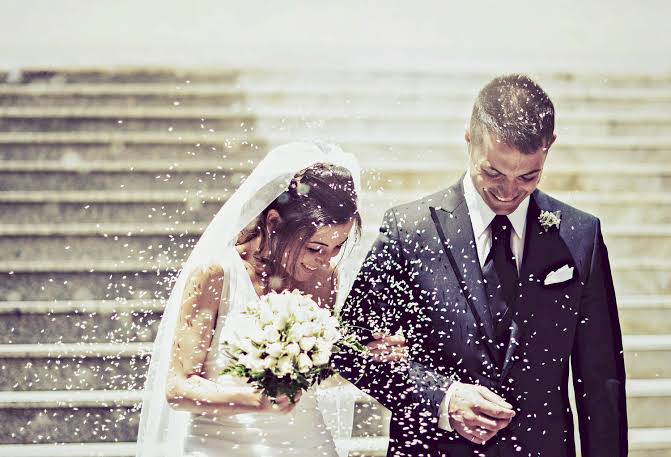
Rice throwing gives every guest an active role in blessing the couple, rather than simply watching the ceremony from a distance.
This participatory element strengthens community bonds, allowing friends and family to physically contribute to wishing the newlyweds a prosperous future together.
Many couples appreciate this interactive tradition because it creates a joyful, memorable moment shared collectively by everyone in attendance.
How to Plan a Rice Toss at Your Wedding
Couples planning a rice toss should first check their venue’s policies, since some locations restrict or prohibit rice due to cleanup concerns.
Providing small bags or cones of rice to guests beforehand helps keep the event organized and prevents delays during the exit moment.
Timing the toss right after the ceremony or before departing in a getaway car creates a picture-perfect, celebratory send-off moment.
Venue Considerations Before Choosing Rice
Many wedding venues, especially indoor locations, have specific rules against rice due to slipping hazards or difficult cleanup requirements afterward.
Couples should always confirm venue guidelines early in the planning process to avoid last-minute changes to their exit tradition.
If rice is not allowed, choosing a biodegradable alternative like petals or bubbles can preserve the spirit of the tradition without breaking venue rules.
The Symbolic Meaning Behind Wedding Send-Off Traditions
Wedding exit traditions, whether rice, petals, or confetti, all share one common purpose: celebrating the couple’s transition into their new life together.
These traditions mark a symbolic threshold moment, turning a private commitment into a shared community celebration filled with well wishes.
Understanding this deeper meaning helps explain why send-off traditions remain popular, regardless of which specific item couples ultimately choose to use.
Many wedding officiants even mention this symbolism directly during the ceremony, framing the upcoming toss as a communal blessing rather than just a fun photo opportunity.
Regional Variations of Rice Throwing in the United States
Rice throwing customs can vary slightly across different regions of the United States, often blending with local cultural or religious wedding practices.
Some families combine rice throwing with other traditions, such as bell ringing or bubble blowing, creating a unique blended send-off experience.
These regional blends show how flexible and adaptable wedding traditions can be, evolving naturally based on family background and personal preference.
Why Photographers Love the Rice Toss Moment
Wedding photographers often highlight the rice toss as one of the most dynamic, energetic moments of the entire wedding day.
The motion of rice flying through the air creates dramatic, candid photographs that capture genuine joy and celebration among guests and the couple.
This visual appeal is one more reason many couples continue choosing rice, or similar toss traditions, despite newer alternatives becoming available.
Photographers often recommend positioning the couple with soft natural light behind the guest line, since backlighting makes each falling grain of rice visible and sharp in the final images.
The Future of Rice Throwing in Modern Weddings
As sustainability becomes a bigger priority for couples, biodegradable rice and eco-friendly alternatives are becoming increasingly popular choices for 2026 weddings.
Many couples now blend tradition with modern values, choosing options that honor history while still respecting environmental and venue considerations.
This balance ensures that the symbolic meaning behind rice throwing continues, even as the specific materials used continue evolving over time.
The Connection Between Rice and Agricultural Societies
Rice has long been a staple crop in agricultural societies, making it a natural symbol for wealth and successful harvests throughout history.
In many cultures, an abundant rice harvest directly represented survival and prosperity, which made the grain a fitting gift for couples starting a new chapter.
This deep agricultural connection explains why rice carried such strong symbolic weight compared to other, less essential food items available at the time.
How Religion Influenced the Rice Throwing Tradition
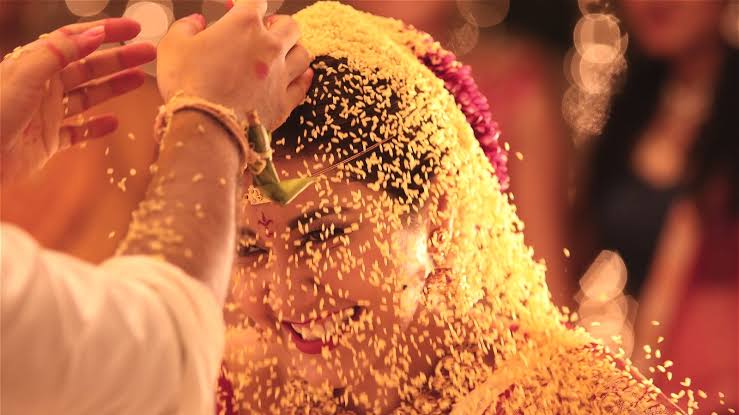
Religious beliefs across different cultures often reinforced the symbolism behind throwing grain at weddings, tying the act to blessings from a higher power.
In many traditions, grain was seen as a gift from the divine, making its use in weddings feel like an extension of spiritual blessing.
This religious layer added deeper meaning to what might otherwise seem like a simple, playful wedding custom passed down through generations.
The Shift From Practical Custom to Symbolic Ritual
Originally, throwing grain may have had practical roots tied to ensuring good harvests, but over time, the act became almost entirely symbolic.
As societies moved away from agricultural dependence, the meaning behind rice throwing shifted toward representing abstract concepts like happiness, luck, and prosperity.
This evolution shows how traditions often survive by adapting their meaning, even after their original practical purpose no longer applies to daily life.
Rice Throwing in Literature and Popular Culture
Wedding rice tossing has appeared frequently in literature, films, and television, reinforcing its image as a classic symbol of romantic celebration.
These portrayals have helped cement rice throwing in the public imagination, even for people who have never personally attended a wedding using the tradition.
Popular culture continues to influence how new generations perceive and adopt wedding customs, including whether they choose rice or a modern alternative.
Environmental Concerns Surrounding Rice at Weddings
Some couples avoid rice due to environmental concerns, particularly regarding cleanup and the use of processed rice that may not break down naturally outdoors.
Choosing biodegradable, natural rice can help address these concerns while still allowing couples to enjoy the traditional symbolism of the toss.
This growing environmental awareness has pushed many wedding suppliers to offer eco-friendly rice options specifically designed for outdoor wedding tosses.
Cultural Sensitivity When Choosing Wedding Traditions
Couples from multicultural backgrounds often blend traditions, incorporating both rice throwing and customs from their own heritage into a single ceremony.
This blending allows couples to honor multiple cultural backgrounds while still including a widely recognized symbol of blessing like the rice toss.
Respecting cultural sensitivity ensures that traditions feel meaningful and inclusive, rather than simply decorative additions to the wedding day.
Etiquette Tips for Guests During the Rice Toss
Guests participating in a rice toss should wait for a clear signal from the couple or wedding coordinator before throwing their handful of rice.
Aiming slightly to the side rather than directly at the couple’s faces helps ensure the moment stays fun and celebratory rather than uncomfortable.
Following venue instructions and cleanup guidelines afterward shows respect for both the couple’s wishes and the wedding location itself.
The Difference Between Rice Throwing and Rice Blessing Ceremonies
Some cultures incorporate rice into pre-wedding blessing ceremonies, separate from the guest toss that happens after the ceremony concludes.
In these rituals, rice is often sprinkled by family elders as a formal blessing, distinct from the celebratory group toss most guests recognize today.
Understanding this difference highlights how rice serves multiple symbolic roles throughout a single wedding, not just during the final send-off moment.
How Wedding Planners View the Rice Toss Trend
Many wedding planners report a steady mix of couples requesting rice tosses alongside those preferring modern alternatives, showing the tradition remains far from outdated.
Planners often recommend biodegradable rice or petal blends as a compromise, satisfying both traditional preferences and practical venue requirements.
This flexible approach allows planners to honor a couple’s vision while still managing logistics like cleanup and guest safety effectively.
Comparing Rice Toss Costs to Other Wedding Exit Options
Rice remains one of the most affordable wedding exit traditions, especially compared to sparklers, biodegradable confetti, or specialty petal blends.
Its low cost makes rice an appealing option for couples working within a tighter wedding budget while still wanting a memorable send-off.
This affordability factor is often overlooked, yet it remains one of the practical reasons rice continues appearing at weddings across different budget levels.
Table: Approximate Cost Comparison of Wedding Exit Options
| Exit Option | General Cost Level |
|---|---|
| Rice | Low cost, widely available |
| Flower petals | Moderate cost |
| Sparklers | Higher cost, requires safety precautions |
| Confetti | Moderate cost, varies by material |
| Bubbles | Low to moderate cost |
Personalizing the Rice Toss for a Modern Wedding

Couples today often personalize the rice toss by using colored or dyed rice that matches their overall wedding color scheme and theme.
Some couples package rice in decorative bags or cones featuring their names and wedding date, turning a simple grain into a keepsake favor.
These small personal touches show how a centuries-old tradition can still feel fresh, unique, and tailored to a couple’s individual style.
Why Tradition Still Matters in Modern Wedding Planning
Even as trends shift toward minimalism or eco-conscious choices, many couples still value including at least one traditional element in their wedding day.
Rice throwing offers an easy way to connect a modern celebration to centuries of shared human history and universal wedding symbolism.
This blend of old and new reflects a broader pattern in wedding planning, where couples selectively honor tradition while still expressing personal style.
Frequently Asked Questions (FAQs)
Why do people throw rice at weddings?
Rice symbolizes fertility, prosperity, and good fortune for the couple. The tradition dates back to ancient Roman and medieval customs.
Is throwing rice at weddings harmful to birds?
No, this is a myth. Birds regularly eat raw rice safely in nature without any harm.
Where did the rice throwing tradition originate?
It traces back to ancient Rome, where wheat and oats were originally thrown. Rice became popular later during the Middle Ages.
What does rice symbolize at a wedding?
Rice represents fertility, wealth, and blessings for a prosperous future. It reflects hopes for growth and abundance.
Are there alternatives to throwing rice at weddings?
Yes, popular alternatives include flower petals, bubbles, confetti, and sparklers. Each offers a similar celebratory effect.
Do all cultures throw rice at weddings?
No, cultures vary in their traditions. Some throw dates, petals, or candy instead of rice.
Why do some venues not allow rice throwing?
Rice can create slipping hazards and messy cleanup. Many venues prefer biodegradable or mess-free alternatives instead.
When during the wedding does the rice toss happen?
It typically occurs right after the ceremony recessional. Some couples also do it before their final departure.
Why did ancient Romans throw wheat instead of rice?
Wheat and oats were essential foods symbolizing prosperity at the time. Rice was not commonly used until much later.
Is rice throwing still popular at weddings today?
Yes, many couples still choose rice for its symbolism. Others opt for modern, eco-friendly alternatives instead.
Conclusion
Why do people throw rice at weddings? The tradition began with ancient Romans tossing wheat and oats, eventually evolving into rice as a symbol of fertility, prosperity, and good fortune for newlyweds.
Though myths about harming birds once caused hesitation, experts have confirmed rice is completely safe, allowing many couples to continue this meaningful custom without concern.
Whether couples choose traditional rice or modern alternatives like petals and bubbles, the underlying purpose remains the same: celebrating a joyful transition into married life surrounded by loved ones.
As weddings continue evolving in 2026, this centuries-old tradition proves that some customs endure simply because they capture something timeless about love, community, and shared celebration.
Rice throwing at weddings is a time-honored tradition that continues carrying meaning well past the couple’s actual wedding day itself, living on in photographs and family stories for years.
Whichever version couples choose in 2026, the tradition remains a simple, powerful way to send newlyweds off with love, laughter, and centuries of shared human hope for their future together.
