

Why do kids grind their teeth at night is one of the most common questions parents ask after hearing a strange grating sound from their child’s bedroom.
The medical term for this is bruxism, and it affects a surprisingly large number of children at some point during childhood.
In most cases, nighttime teeth grinding is harmless and something children naturally outgrow. It can be linked to teething, growing jaws, stress, or even how a child breathes during sleep.
What Is Bruxism in Children?
Bruxism is the medical term for grinding, gnashing, or clenching the teeth. In children, it usually happens during sleep, though some kids also grind during waking hours.
Sleep bruxism is far more common than awake bruxism and is usually the type parents notice first, often from a hallway or through a bedroom wall.
Most children are not aware they grind their teeth at all. Parents or siblings are typically the ones who first notice the sound.
How Common Is Teeth Grinding in Kids?

Teeth grinding in children is far more common than most parents expect. Studies estimate a wide range, depending on age group and how grinding is measured.
Some research suggests grinding affects roughly 15 to 33 percent of children at some point during childhood, with the peak occurrence between ages 5 and 7.
Younger children show even higher rates, with estimates suggesting close to 3 out of every 10 kids grind their teeth before reaching age 5.
Table: Estimated Rates of Childhood Bruxism
| Age Group | Estimated Percentage Affected |
|---|---|
| Under age 5 | Around 30% |
| Ages 5 to 7 (peak years) | 15-33% |
| General childhood range | 13-49% (varies by study) |
| School-age children | 6-50% depending on methodology |
Why Do Kids Grind Their Teeth at Night?
There is no single cause of bruxism in children. Dentists and researchers point to a combination of physical, emotional, and developmental factors working together.
Teething and jaw growth are among the most common triggers in very young children, since new teeth and shifting jaw structure can cause discomfort during sleep.
Stress, sleep quality, and even genetics also play a role, which is why two children in the same household can have very different grinding patterns.
Teething and Jaw Development
Babies and toddlers often grind their teeth as new teeth push through the gums. This grinding can temporarily relieve the pressure and discomfort of teething.
As permanent teeth begin replacing baby teeth around school age, grinding sometimes reappears while the mouth adjusts to a new set of teeth.
This type of grinding is usually temporary and resolves once the teething phase passes or the permanent teeth settle into place.
Stress and Anxiety in Children
Children experience stress just like adults, even if the causes look different. Schoolwork, friendship problems, or family changes can all contribute to nighttime tension.
Research has found a connection between anxiety levels and bruxism, particularly in children described as restless or prone to worrying about performance at school.
Interestingly, one sleep study found that children who grind their teeth more frequently were also more likely to be described by parents as withdrawn or as having a harder time adjusting to preschool, though this link is not fully understood as cause and effect.
Table: Common Causes of Bruxism in Children
| Cause | Typical Age Group | Notes |
|---|---|---|
| Teething | Infants and toddlers | Temporary, resolves after teeth emerge |
| Jaw misalignment | Any age | May need dental evaluation |
| Stress and anxiety | School-age children | Linked to school and social pressure |
| Sleep disorders | Any age | Includes sleep apnea, restless sleep |
| Airway issues | Any age | Jaw clenches to support breathing |
| Certain medications | Any age | Side effect in rare cases |
| Caffeine or sugar before bed | School-age children | Can worsen grinding intensity |
Sleep Disorders and Airway Health
Grinding is sometimes connected to how well a child breathes during sleep. When breathing feels restricted, the jaw and tongue may shift position to help keep the airway open.
Children with sleep apnea or noisy, restless sleep patterns show a stronger association with bruxism compared to children with steady, quiet sleep.
Some pediatric dental specialists now evaluate grinding as part of a broader airway health assessment, rather than treating it as an isolated dental issue.
Jaw Misalignment and Bite Problems
An improper bite, sometimes called malocclusion, is another common contributor to childhood teeth grinding. When the upper and lower teeth do not align well, the jaw may grind to find a more comfortable resting position.
Dentists check for this during routine visits by looking at how the teeth meet and whether wear patterns suggest a misalignment issue.
In some cases, correcting the bite through orthodontic treatment reduces or eliminates grinding entirely, especially in older children.
Diet and Lifestyle Triggers
What a child eats or drinks before bed can influence how much they grind their teeth overnight. Stimulants are the biggest concern here.
Caffeine, found in soda, chocolate, and some flavored drinks, can increase muscle activity and worsen grinding intensity when consumed too close to bedtime.
Sugary snacks before bed may also contribute indirectly by affecting sleep quality, which in turn can increase the likelihood of nighttime grinding episodes.
Signs Your Child May Be Grinding Their Teeth
Many parents only discover bruxism after hearing the grinding sound directly, but there are other signs worth watching for during the day as well.
A sore jaw upon waking, complaints of headaches, or unusual tooth sensitivity to hot and cold foods can all point toward nighttime grinding.
Visible wear on the teeth, noticed during brushing or a dental visit, is often the clearest confirmation that grinding has been happening for some time.
Table: Common Signs of Childhood Bruxism
| Sign | What Parents Notice |
|---|---|
| Grinding or grating sound | Heard while child sleeps |
| Jaw soreness | Child complains upon waking |
| Headaches | Especially in the morning |
| Tooth sensitivity | Reacts to hot or cold foods |
| Worn tooth enamel | Noticed during brushing or checkups |
| Chipped teeth | Visible damage over time |
| Ear pain | Sometimes mistaken for an ear infection |
When Does Teeth Grinding Usually Stop?
Most children outgrow teeth grinding without any lasting damage. The habit often fades once permanent teeth are fully in place and jaw growth stabilizes.
Many cases resolve by around age 6, particularly grinding linked to early teething rather than stress or airway issues.
Grinding that continues into the teenage years is less common but not unheard of, especially if stress or an unresolved bite issue is still present.
When Should Parents Worry About Teeth Grinding?
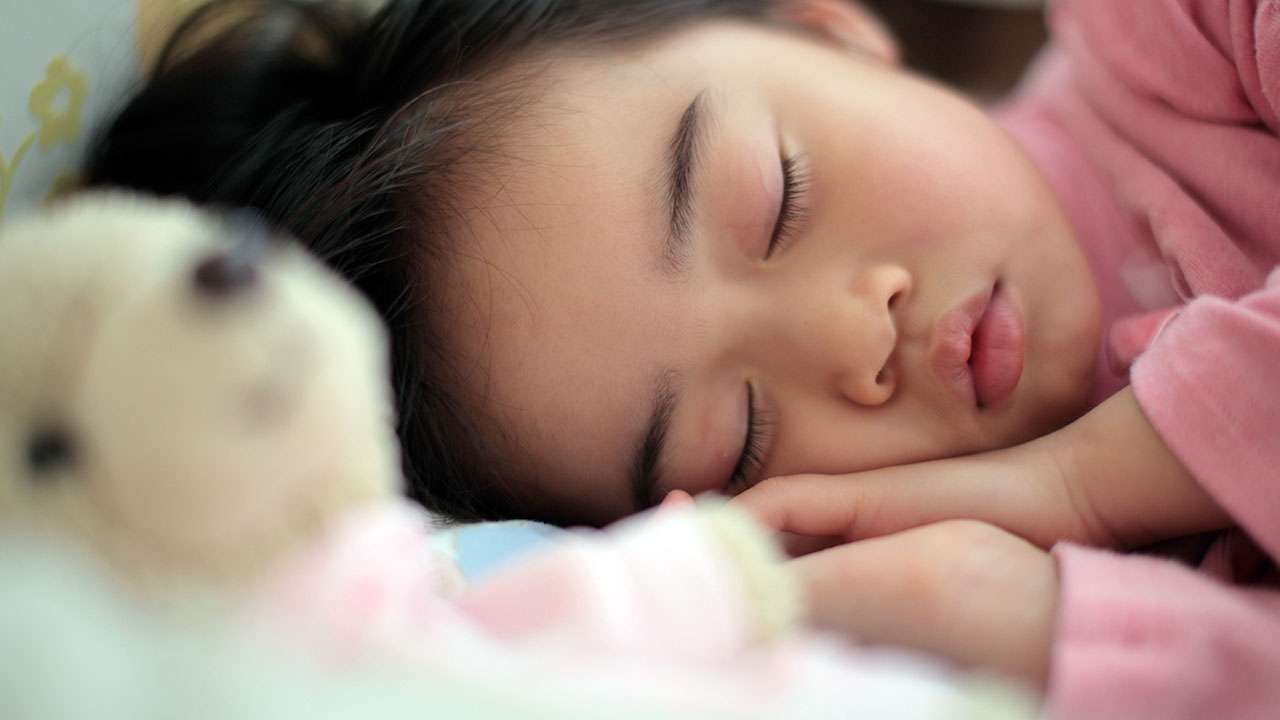
Occasional grinding is rarely a cause for concern, but certain warning signs suggest it is time to consult a pediatric dentist for a closer look.
Frequent, loud grinding that happens most nights, combined with visible tooth wear, should be evaluated rather than assumed to be a passing phase.
Complaints of jaw pain, frequent headaches, or noticeable changes in tooth appearance are strong indicators that professional guidance is worth seeking sooner rather than later.
Table: When to See a Dentist for Bruxism
| Warning Sign | Action Recommended |
|---|---|
| Grinding most nights for weeks | Schedule a dental checkup |
| Visible tooth wear or chips | See a pediatric dentist |
| Frequent jaw pain or headaches | Get a professional evaluation |
| Grinding paired with snoring | Consider a sleep evaluation |
| Grinding continues past age 8-9 | Discuss long-term options with a dentist |
Potential Complications of Untreated Bruxism
While most childhood grinding resolves on its own, severe or prolonged cases can cause lasting effects on the teeth and jaw if left unaddressed.
Constant grinding can wear down tooth enamel, leading to increased sensitivity and a higher risk of cavities in the affected areas.
In more severe cases, ongoing grinding has been linked to jaw discomfort and early signs of temporomandibular joint issues, which can affect chewing and jaw movement later in life.
How Dentists Diagnose Teeth Grinding
A pediatric dentist typically diagnoses bruxism through a simple visual examination rather than specialized testing, unless a sleep disorder is suspected.
The dentist looks for flattened or chipped tooth surfaces, unusual wear patterns, and signs of jaw muscle tension during a routine checkup.
If sleep-related breathing issues are suspected as a root cause, the dentist may refer the family to a sleep specialist for further evaluation.
Home Remedies to Reduce Nighttime Grinding
Many mild cases of bruxism respond well to simple changes at home, especially when stress or bedtime habits are contributing factors.
Establishing a calm, consistent bedtime routine helps lower overall tension before sleep, which can reduce the frequency of nighttime grinding episodes.
Limiting caffeine and sugary snacks in the hours before bedtime is another simple, effective step many parents find helpful.
Table: Home Remedies for Childhood Teeth Grinding
| Remedy | How It Helps |
|---|---|
| Calming bedtime routine | Reduces stress before sleep |
| Warm compress on jaw | Relaxes tense jaw muscles |
| Limiting caffeine and sugar | Reduces stimulant-driven grinding |
| Open conversations about worries | Addresses emotional triggers |
| Consistent sleep schedule | Improves overall sleep quality |
Relaxation Techniques That Can Help
Helping a child unwind before bed can meaningfully reduce stress-related grinding, especially for children who worry about school or social situations.
Simple breathing exercises, a warm bath, or quiet reading time before bed can lower overall tension heading into sleep.
Encouraging a child to talk openly about worries during the day, rather than right before bed, can also prevent stress from building up at night.
Night Guards and Dental Appliances
For children with significant tooth wear or ongoing discomfort, dentists sometimes recommend a custom night guard to protect the teeth during sleep.
A night guard is a molded appliance, similar to a sports mouthpiece, worn over the teeth to prevent direct grinding contact.
While a night guard can take some getting used to, most children adjust within a short period and experience noticeable relief from jaw soreness.
Table: Night Guard Basics for Kids
| Detail | Information |
|---|---|
| Purpose | Prevents direct tooth-on-tooth grinding |
| Material | Soft, custom-molded plastic |
| Adjustment period | Usually a few nights to two weeks |
| Recommended for | Severe grinding with visible tooth wear |
| Prescribed by | Pediatric dentist |
Should You Wake a Child Who Is Grinding?
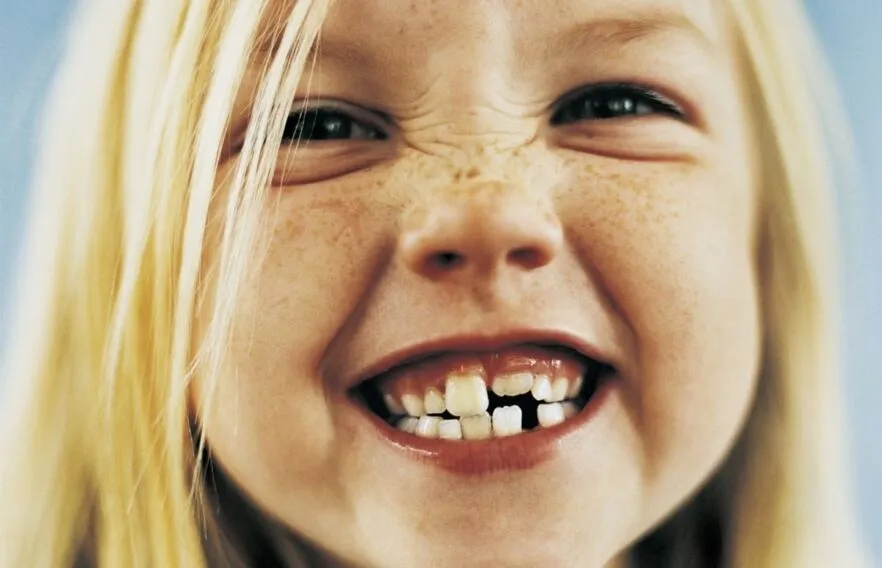
Many parents wonder whether waking a grinding child helps stop the behavior. Dental experts generally advise against this approach.
Waking a child mid-sleep can disrupt healthy sleep cycles, which may worsen overall sleep quality without actually reducing the grinding habit itself.
Instead, experts recommend focusing on stress reduction and a calming bedtime routine rather than interrupting sleep directly.
The Role of Orthodontic Treatment
For children whose grinding stems from a misaligned bite, orthodontic treatment can address the root cause rather than just managing symptoms.
Braces or other alignment tools reposition the teeth over time, which can reduce the physical trigger behind certain types of grinding.
This approach usually applies to older children, since orthodontic treatment timing depends heavily on how permanent teeth have developed.
Airway-Focused Approaches to Grinding
A growing number of pediatric dental specialists now look at grinding through an airway health lens rather than treating it purely as a dental symptom.
When a child’s airway feels restricted during sleep, the jaw may clench and shift to help maintain steady airflow, which shows up as grinding.
An airway-focused evaluation can help determine whether grinding is tied to jaw growth, breathing mechanics, or general oral habits, guiding more targeted treatment.
Prevention Tips for Parents
While not all teeth grinding can be prevented, especially cases linked to teething or natural jaw growth, certain habits can lower the overall risk.
Keeping bedtime routines calm and predictable reduces stress-related grinding triggers before children fall asleep each night.
Regular dental checkups every six months allow a dentist to catch early signs of grinding before significant tooth wear develops.
Table: Prevention Checklist for Parents
| Habit | Why It Helps |
|---|---|
| Consistent bedtime routine | Lowers stress before sleep |
| Limiting screens before bed | Improves overall sleep quality |
| Reducing evening caffeine and sugar | Prevents stimulant-driven grinding |
| Regular dental visits | Catches early signs of wear |
| Open communication about worries | Reduces emotional tension |
Awake Bruxism vs Sleep Bruxism
Bruxism comes in two distinct forms, and understanding the difference helps parents figure out what they are actually dealing with.
Sleep bruxism happens during rest, typically during lighter sleep stages, and is the type most parents notice through sound alone.
Awake bruxism usually involves clenching rather than grinding, and often happens during moments of concentration, frustration, or stress during the day rather than at night.
Table: Sleep Bruxism vs Awake Bruxism
| Factor | Sleep Bruxism | Awake Bruxism |
|---|---|---|
| When it happens | During sleep | During waking hours |
| Main action | Grinding | Clenching |
| Common triggers | Sleep cycles, teething, airway issues | Stress, concentration, frustration |
| Parent awareness | Noticed through sound | Often unnoticed unless pointed out |
| Typical age group | Any age | More common in older children |
The Genetic Link to Teeth Grinding
Family history appears to play a role in whether a child develops bruxism. Children with a parent who ground their teeth as a child are statistically more likely to do the same.
Researchers believe this connection may relate to shared jaw structure, sleep patterns, or even inherited stress responses passed down within families.
While genetics alone does not guarantee a child will grind their teeth, it does help explain why the habit sometimes runs strongly through certain families.
How Screen Time Before Bed May Play a Role
Increased screen exposure before bedtime has become a growing area of interest for pediatric sleep researchers studying childhood bruxism.
Blue light exposure and stimulating content close to bedtime can make it harder for children to fully relax, potentially increasing nighttime muscle tension.
Reducing screen time in the hour before bed is a simple adjustment many pediatric dentists now recommend alongside other bedtime routine changes.
The Emotional Side of Nighttime Grinding
Beyond physical causes, teeth grinding can sometimes reflect emotions a child has not yet learned to express clearly during the day.
Younger children especially may not have the vocabulary to describe feelings of worry or frustration, so those emotions can surface physically instead, including through nighttime grinding.
Parents who notice grinding alongside other behavior changes, like clinginess or trouble sleeping, may want to gently check in about how their child is feeling emotionally.
Comparing Bruxism Treatments by Severity
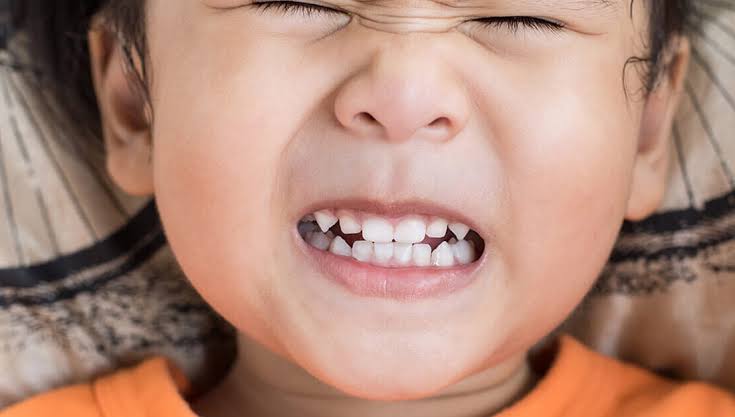
Not every child needs the same level of intervention. Treatment approaches generally scale up based on how severe and persistent the grinding has become.
Mild, occasional grinding usually only requires monitoring and simple bedtime routine adjustments without any dental appliance involved.
Moderate to severe cases, especially those with visible tooth wear, typically call for a dental evaluation and possibly a custom night guard for protection.
Table: Bruxism Severity and Recommended Response
| Severity Level | Signs | Recommended Approach |
|---|---|---|
| Mild | Occasional grinding, no visible wear | Monitor, calming bedtime routine |
| Moderate | Regular grinding, some jaw soreness | Dental checkup, lifestyle adjustments |
| Severe | Frequent grinding, visible tooth damage | Night guard, possible airway evaluation |
Working With Your Pediatric Dentist
Building a relationship with a pediatric dentist early gives parents a trusted resource for tracking grinding over time rather than reacting only when problems appear.
Routine six-month checkups allow the dentist to monitor tooth wear patterns and catch subtle changes before they become significant issues.
Open communication about sleep habits, stress levels, and family history helps the dentist form a more complete picture of what might be driving a child’s grinding.
Long-Term Outlook for Children Who Grind Their Teeth
The overall outlook for childhood bruxism is reassuring. The vast majority of cases resolve naturally without any lasting damage to the teeth or jaw.
Even children who grind heavily for a period often stop once permanent teeth fully settle, stress levels change, or underlying sleep issues improve.
For the small number of cases that continue into the teenage years, ongoing dental monitoring ensures any tooth wear is caught and managed early.
Myths About Childhood Teeth Grinding
Many parents assume grinding always signals a serious medical problem, when in most cases it is a temporary and harmless phase of childhood development.
Another common myth is that grinding only happens in children who are anxious or troubled. In reality, teething and normal jaw growth cause plenty of cases too.
Some also believe a night guard is always necessary. Most mild cases resolve naturally and never require any dental appliance at all.
Frequently Asked Questions (FAQs)
Why do kids grind their teeth at night?
Common causes include teething, jaw growth, stress, sleep disorders, and sometimes airway issues affecting breathing during sleep.
Is teeth grinding in children dangerous?
Usually not. Most cases are harmless and temporary, though severe grinding can wear down teeth over time.
At what age do most kids stop grinding their teeth?
Many children outgrow grinding by around age 6, though it can continue longer in some cases.
Should I wake my child if they are grinding their teeth?
No, waking them can disrupt sleep. Focus on a calming bedtime routine instead.
What are signs my child is grinding their teeth?
Look for jaw soreness, headaches, tooth sensitivity, or visible tooth wear noticed during brushing.
Can stress cause teeth grinding in children?
Yes, stress and anxiety are commonly linked to nighttime bruxism, especially in school-age children.
Does teething cause teeth grinding in toddlers?
Yes, new teeth pushing through the gums often trigger temporary grinding in babies and toddlers.
When should I take my child to the dentist for grinding?
See a dentist if grinding is frequent, loud, paired with visible tooth wear, or causes jaw pain.
What is a night guard for kids’ teeth grinding?
It is a custom-molded appliance worn during sleep to protect teeth from direct grinding contact.
Can diet affect teeth grinding in children?
Yes, caffeine and sugary snacks before bed can increase grinding intensity in some children.
Conclusion
Why do kids grind their teeth at night comes down to a mix of teething, jaw growth, stress, sleep quality, and sometimes airway health.
Most cases are temporary and resolve on their own by the time a child’s permanent teeth settle into place, usually without any lasting damage.
Parents should watch for signs like jaw soreness, headaches, or visible tooth wear, since these can signal it is time for a dental checkup. Simple steps like a calming bedtime routine, limiting caffeine, and regular dental visits go a long way toward managing mild grinding at home.
If grinding is frequent, loud, or paired with tooth damage, a pediatric dentist can offer solutions like a custom night guard or a closer look at possible airway or bite issues behind the habit.
