

Why am I bruising so much is a question worth taking seriously, especially if marks are showing up without a clear bump or injury behind them.
Most bruises are harmless, but frequent or unexplained bruising can sometimes point to something worth checking with a doctor.
What Actually Causes a Bruise?
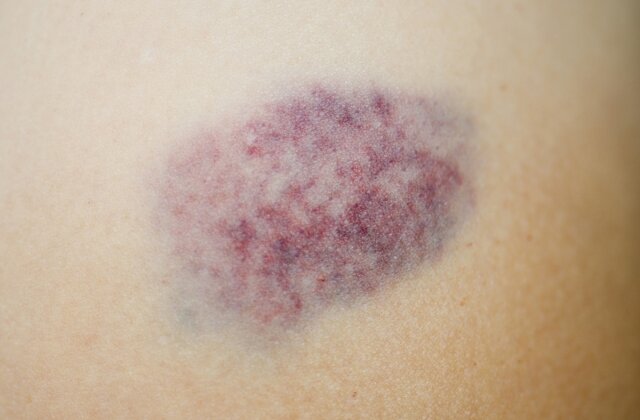
A bruise forms when small blood vessels called capillaries near the skin’s surface break, usually from an impact or bump. Blood then leaks into the surrounding tissue.
At first, the trapped blood looks like a dark mark under the skin. Over time, the body reabsorbs it, and the bruise gradually fades away.
Generally, harder impacts cause bigger bruises. But for people who bruise easily, even a light bump can leave a surprisingly large, dark mark behind.
Quick Overview: Common Causes at a Glance
Before going deeper, here’s a fast summary table connecting the most common causes of easy or frequent bruising to their typical explanation.
| Category | Common Cause | Typical Pattern |
|---|---|---|
| Aging | Thinning skin, less fat cushioning | Bruises on arms, hands |
| Medications | Blood thinners, NSAIDs, steroids | Sudden increase in bruising |
| Nutrition | Low vitamin C or vitamin K | Bruising plus slow healing |
| Blood disorders | Low platelets, clotting issues | Large, unexplained bruises |
| Genetics | Family history of easy bruising | Lifelong pattern |
| Skin tone | Fair, thin skin | More visible bruising |
Is Why Am I Bruising So Much Related to Age?
Age is one of the most common explanations for increased bruising, and it’s usually not a cause for alarm on its own.
As skin ages, it loses collagen and a protective layer of fat that normally cushions the small blood vessels underneath it.
This makes blood vessels more exposed and fragile, so even a minor bump against furniture or a doorway can cause a noticeably large bruise to form.
Older adults may also develop a harmless condition called senile purpura, which causes dark, bruise-like patches, most often on the arms and hands.
Could Medications Be the Reason?
Certain medications directly affect how your blood clots, which is one of the most frequent answers to why am I bruising so much in adults of any age.
| Medication Type | Examples | How It Affects Bruising |
|---|---|---|
| Blood thinners | Warfarin, apixaban, heparin | Slows normal clotting |
| Pain relievers | Aspirin, ibuprofen, naproxen | Reduces platelet function |
| Steroids | Prednisone, corticosteroids | Thins the skin over time |
| Some antibiotics | Certain penicillin-type drugs | Can affect clotting factors |
If bruising increased right after starting a new medication, this timing is a strong clue worth mentioning to your doctor or pharmacist.
Could a Vitamin Deficiency Be Involved?
Nutrition plays a bigger role in bruising than many people realize, particularly when it comes to two specific vitamins.
Vitamin C supports collagen production, which helps keep blood vessel walls strong. Severe deficiency, known as scurvy, is a rare but real cause of bruising.
Vitamin K helps the body form blood clots properly. Low levels can lead to bruising that takes longer than usual to fade.
| Nutrient | Role in the Body | Deficiency Symptom |
|---|---|---|
| Vitamin C | Supports collagen and vessel strength | Easy bruising, slow wound healing |
| Vitamin K | Supports blood clotting | Bruising, prolonged bleeding |
| Iron | Supports oxygen transport | Not a typical bruising cause |
Iron deficiency, despite being common, is not typically linked to easy bruising the way vitamin C and K deficiencies are.
Underlying Health Conditions Linked to Bruising
In some cases, why am I bruising so much has less to do with lifestyle and more to do with an underlying health condition affecting blood or clotting.
| Condition | What It Affects | Notable Symptom |
|---|---|---|
| Low platelet count | Blood’s ability to clot | Frequent, unexplained bruises |
| Von Willebrand disease | Clotting protein levels | Bruising, heavy nosebleeds |
| Hemophilia | Clotting factor proteins | Prolonged bleeding, deep bruises |
| Vasculitis | Blood vessel inflammation | Purple, bruise-like patches |
| Liver disease | Clotting factor production | Bruising, fatigue |
These conditions are far less common than everyday causes like aging or medication, but they’re worth ruling out if bruising feels unusual, painful, or excessive over an extended period of time.
Bruising and Blood Cancers: What to Know
It’s natural to worry about serious causes, so it’s worth addressing directly. In rare cases, unexplained bruising can be linked to blood cancers like leukemia.
This is uncommon, and bruising alone rarely points to cancer. It’s usually accompanied by other symptoms like fatigue, unexplained weight loss, or frequent infections.
If bruising appears alongside these additional symptoms, it’s worth scheduling a medical evaluation rather than assuming the worst on your own.
Does Skin Tone Affect How Bruises Look?
Skin tone genuinely changes how visible a bruise appears, though it doesn’t change how often bruising actually happens underneath the skin.
On lighter skin, bruises often appear reddish-purple before shifting through green and yellow shades as they heal over one to two weeks.
On darker skin tones, bruises may appear darker brown, purple, or black, and can be harder to spot in early stages compared to fair skin.
Regardless of skin tone, a bruise that feels unusually painful, swollen, or slow to fade is worth paying attention to either way.
Bruising vs. Petechiae vs. Purpura
These three terms often get confused, but they describe different things. Understanding the difference can help you describe symptoms accurately to a doctor.
| Term | Size | Appearance |
|---|---|---|
| Bruise (ecchymosis) | Larger, spread out | Flat, discolored patch |
| Purpura | Medium, pinpoint clusters | Small purple-red spots |
| Petechiae | Very small (under 2mm) | Tiny dot-like marks |
Petechiae in particular are worth mentioning to a doctor, since they can sometimes signal a low platelet count or other blood-related concern.
How to Treat a Bruise at Home
Most everyday bruises don’t need medical treatment and heal on their own within one to two weeks without any lasting effects.
Applying an ice pack wrapped in cloth for the first 24 to 48 hours can help reduce swelling and limit how large the bruise becomes.
After the first two days, switching to a warm compress can help improve blood flow to the area and support faster healing.
Elevating the bruised area above heart level, when possible, also helps reduce swelling and may slightly speed up the healing process.
Simple Prevention Tips Worth Trying
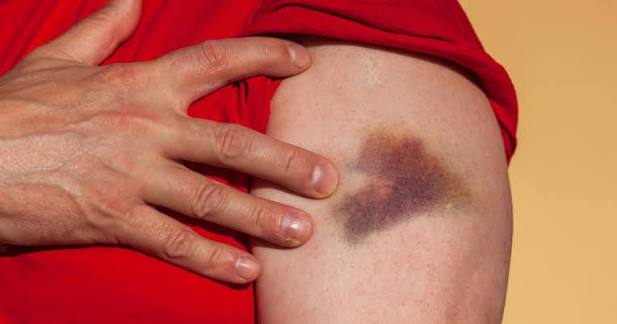
While not every cause of bruising is preventable, a few habits can meaningfully reduce how often bruises show up.
- Keep living spaces clear of clutter and sharp furniture edges
- Wear protective clothing during sports or physical activity
- Ask your doctor whether current medications may be contributing
- Eat a balanced diet with adequate vitamin C and vitamin K
- Use caution around stairs, doorways, and low furniture
For older adults especially, small environmental changes like better lighting can meaningfully reduce bumps that lead to bruising in the first place.
When Why Am I Bruising So Much Becomes a Medical Concern
Most bruising is harmless, but certain patterns are worth bringing to a doctor’s attention rather than dismissing as normal.
- Large bruises appearing on the chest, back, stomach, or face
- Bruises appearing with no clear cause or memory of injury
- Bruising alongside frequent nosebleeds or bleeding gums
- Small cuts that take unusually long to stop bleeding
- Sudden increase in bruising after starting a new medication
- A close family history of easy bruising or bleeding disorders
If several of these apply to your situation, scheduling a checkup is a reasonable next step rather than continuing to wonder about the cause alone. Bringing a written list of symptoms to the appointment can also help your doctor evaluate things more efficiently.
What Tests Might a Doctor Run?
If bruising seems unusual or frequent, a doctor may order a few standard tests to help narrow down the underlying cause.
| Test | What It Checks |
|---|---|
| Complete blood count | Platelet levels and overall blood health |
| Clotting factor tests | How well blood clots form |
| Liver function tests | Whether liver disease may be involved |
| Vitamin level tests | Vitamin C or K deficiency |
These tests are typically quick, low-risk, and provide clear answers that help guide whatever treatment plan makes sense afterward.
A Note on Domestic Violence and Unexplained Bruising
It’s worth acknowledging directly that unexplained bruising can sometimes be connected to abuse or intentional harm, not only medical causes.
Healthcare providers are trained to ask sensitively about this possibility, and support resources are available for anyone who may be experiencing this situation.
If this applies to you or someone you know, reaching out to a trusted doctor, counselor, or local support organization is a safe, important step.
The Science Behind Blood Clotting
Understanding a bit about how clotting works helps explain why so many different things can trigger easy bruising in the first place.
When a blood vessel is damaged, platelets rush to the site and stick together, forming a temporary plug to stop the bleeding.
Then a series of proteins called clotting factors kick in, reinforcing that plug into a stable clot strong enough to seal the vessel properly.
If any part of this chain is disrupted — low platelets, missing clotting factors, or weak vessel walls — bruising becomes easier and more frequent.
Bruising in Athletes and Active People
People who exercise regularly or play contact sports often notice more bruising simply due to repeated minor impacts during activity.
This is usually completely normal and not a sign of an underlying condition, especially if bruises appear only after specific workouts or games.
| Activity Type | Common Bruise Location | Typical Cause |
|---|---|---|
| Weightlifting | Shins, forearms | Equipment contact |
| Contact sports | Legs, arms, torso | Direct impact |
| Running | Shins, ankles | Minor trips or bumps |
| Cycling | Legs, hips | Falls or pedal contact |
If bruising from exercise seems disproportionate to the activity, or takes unusually long to heal, it’s still worth mentioning at a routine checkup.
Hormonal Factors and Bruising
Hormones can also play a subtle role in how easily someone bruises, particularly during specific life stages.
During pregnancy, increased blood volume and hormonal shifts can sometimes make bruising slightly more noticeable for some people.
Menopause is associated with declining estrogen, which can affect skin thickness and collagen production, similar to the natural aging process described earlier.
These hormonal patterns are generally harmless, but any dramatic or sudden change is still worth discussing with a healthcare provider.
Bruising After Cosmetic or Medical Procedures
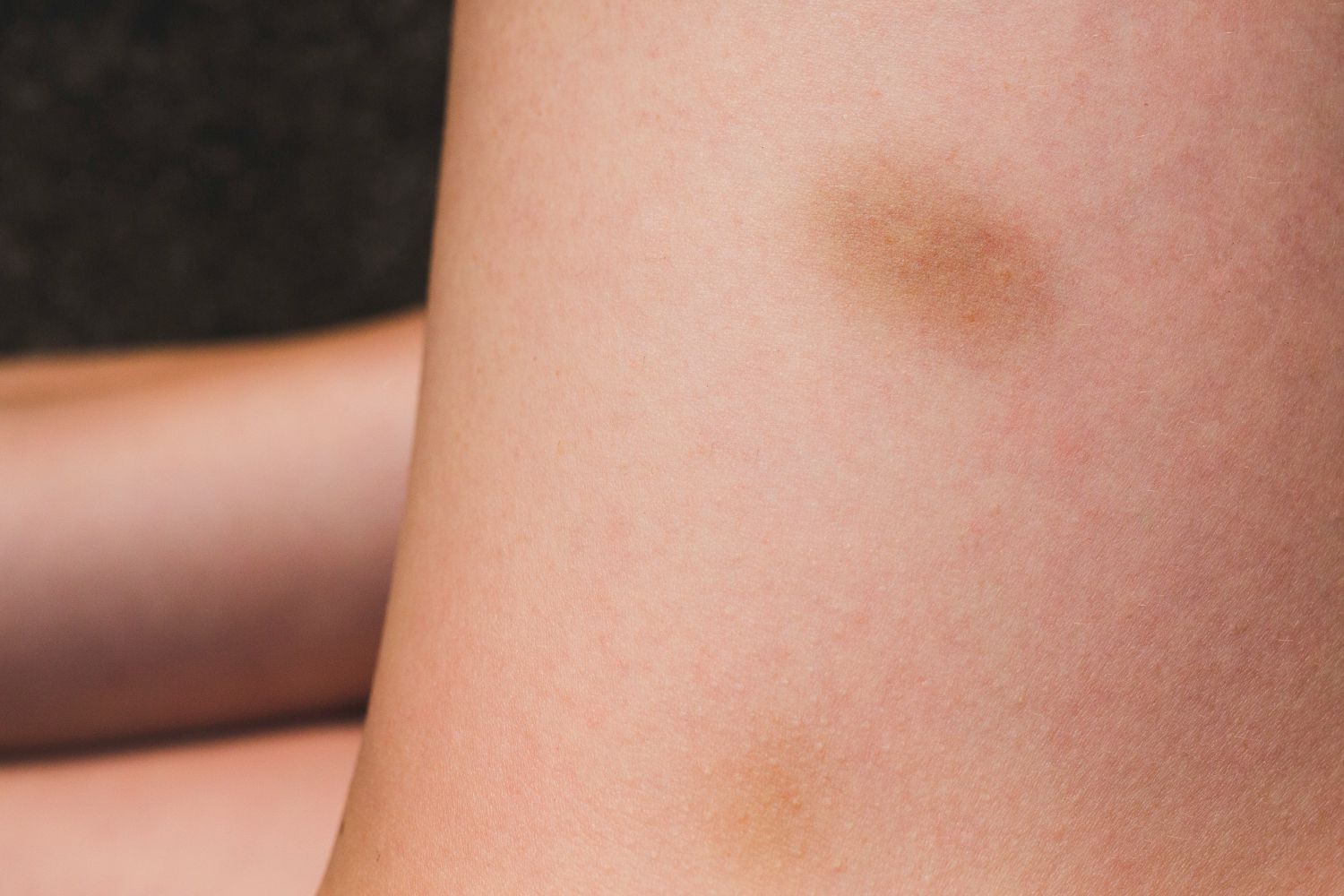
It’s common to bruise after blood draws, injections, minor surgeries, or cosmetic treatments like injectables, since these involve direct needle contact with blood vessels.
This type of bruising is expected and typically resolves within a week or two, following the same color-changing healing pattern as any other bruise.
Applying gentle pressure immediately after a blood draw or injection can help minimize how large the resulting bruise ends up being.
If bruising after a procedure seems excessive, spreads significantly, or is accompanied by unusual swelling or pain, contacting the provider who performed it is a reasonable next step to take.
Lifestyle Habits That May Contribute
Beyond medication and medical conditions, a few everyday lifestyle factors can quietly contribute to why am I bruising so much becomes a recurring question.
Alcohol use can interfere with normal platelet function and liver health over time, both of which play a role in normal blood clotting.
Smoking affects blood vessel health and circulation over time, which may contribute to fragile vessels that bruise more easily than they otherwise would in a non-smoker.
Chronic sun exposure over many years thins the skin similarly to natural aging, making underlying blood vessels more exposed to minor everyday trauma than they would otherwise be.
Tracking Your Bruising Pattern
Keeping a simple log can make conversations with a doctor much more productive if bruising becomes a recurring concern worth investigating.
- Note the date and location of each new bruise
- Record whether you remember any specific bump or injury
- Track any new medications or supplements started recently
- Note how long each bruise takes to fully fade
Bringing this kind of pattern to a doctor’s appointment often speeds up diagnosis significantly compared to describing symptoms from memory alone during a short visit.
Bruising in Children vs. Adults
Bruising patterns differ quite a bit between children and adults, and understanding what’s typical can ease unnecessary worry for parents.
Active children commonly develop bruises on their shins, knees, and elbows from everyday play, and this is generally considered completely normal.
Bruises in unusual locations for a child’s activity level, such as the back, stomach, or ears, are more worth discussing with a pediatrician.
| Age Group | Typical Bruise Areas | When to Ask a Doctor |
|---|---|---|
| Toddlers | Shins, knees, forehead | Bruising on torso or ears |
| School-age children | Shins, elbows, knees | Frequent large bruises without falls |
| Adults | Arms, legs | Trunk, face, unexplained bruises |
| Older adults | Arms, hands | Rapidly increasing frequency |
Foods That May Support Healthy Blood Vessels
While diet alone won’t eliminate bruising caused by medication or a medical condition, certain foods support the nutrients involved in healthy clotting and vessel strength.
| Nutrient | Food Sources |
|---|---|
| Vitamin C | Citrus fruits, bell peppers, strawberries |
| Vitamin K | Leafy greens, broccoli, Brussels sprouts |
| Protein | Eggs, lean meat, legumes |
| Zinc | Nuts, seeds, whole grains |
A generally balanced diet supports overall vessel and skin health, even if it won’t fully resolve bruising tied to medication or a diagnosed underlying medical condition.
Myths About Bruising Worth Clearing Up
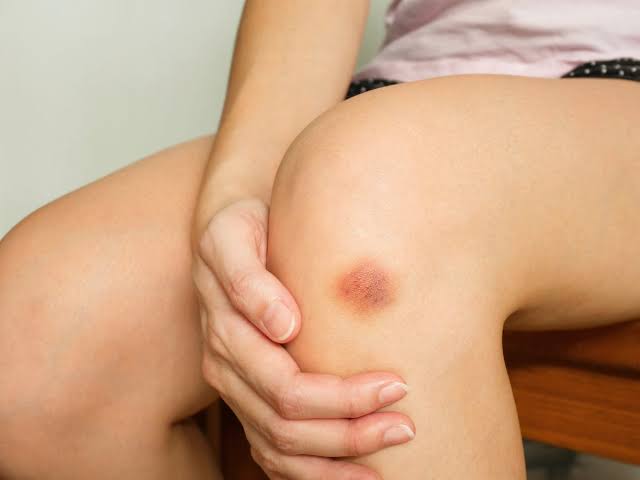
A few common myths about bruising circulate widely, and clearing them up can prevent unnecessary worry or the wrong home remedy.
Myth: Bruises mean you’re weak or unhealthy. In reality, bruising is usually about skin thickness, medication, or genetics — not overall fitness or strength.
Myth: Rubbing a fresh bruise helps it heal faster. Rubbing can actually increase swelling and irritation; gentle ice and rest work better in the first two days.
Myth: All bruising in older adults is dangerous. Most age-related bruising, including senile purpura, is harmless and simply reflects thinner, less elastic skin over time.
Myth: Vitamin supplements always fix easy bruising. Supplements only help if an actual deficiency exists; otherwise, the underlying cause lies elsewhere and needs proper diagnosis.
Frequently Asked Questions (FAQs)
1. Why am I bruising so much all of a sudden?
A sudden increase often points to a new medication, vitamin deficiency, or minor injuries you don’t consciously remember happening. Tracking recent changes can help identify the cause.
2. Is it normal to bruise without remembering an injury?
Occasionally, yes, especially with aging skin. Frequent unexplained bruising, though, is worth mentioning to a doctor at your next checkup.
3. Can stress cause easy bruising?
Stress itself doesn’t directly cause bruising, but poor sleep and nutrition during stressful periods can indirectly contribute to it over time.
4. What vitamin deficiency causes bruising the most?
Vitamin C and vitamin K deficiencies are the two most commonly linked to increased or slow-healing bruising in otherwise healthy adults.
5. Does aspirin make bruising worse?
Yes, aspirin reduces platelet function, which can make bruises appear more easily and take longer than usual to fade completely.
6. Should I worry about a single large bruise?
A single bruise from a known injury usually isn’t concerning, but very large or unusually painful bruises should still be checked out.
7. Can low iron cause bruising?
Not typically. Iron deficiency usually causes fatigue and paleness rather than bruising directly, unlike vitamin C or K deficiency.
8. How long should a normal bruise take to heal?
Most bruises fade within one to two weeks, moving through red, purple, green, and yellow shades along the healing process.
9. When should I see a doctor about bruising?
See a doctor if bruises are large, unexplained, painful, or paired with nosebleeds or slow-healing cuts that concern you.
10. Can bruising easily run in families?
Yes, genetics can play a role, and a family history of easy bruising or bleeding disorders is worth mentioning to your doctor.
Conclusion
Why am I bruising so much usually comes down to a fairly ordinary explanation: aging skin, a medication side effect, or a mild nutritional gap.
In most cases, bruises are harmless and fade on their own within a couple of weeks with basic home care like ice, elevation, and rest.
That said, certain patterns deserve real attention — large unexplained bruises, bruising paired with nosebleeds, or a sudden change after starting a new medication.
These signs don’t automatically mean something serious, but they’re worth discussing with a healthcare provider rather than ignoring.
Paying attention to your body’s patterns, tracking when bruises appear, and asking questions when something feels off is the most practical way to stay ahead of any underlying issue.
