

Why do my eyes look sunken in is a question many people ask after noticing a hollow, tired look under their eyes in the mirror. This change can happen slowly with age or suddenly after weight loss, poor sleep, or dehydration.
The good news is that sunken eyes are rarely dangerous, and in most cases they can be improved with simple lifestyle changes or targeted treatments.
Why Do My Eyes Look Sunken In? What Does It Mean
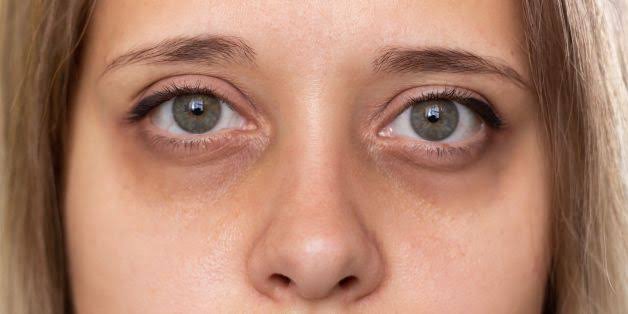
Sunken eyes, also called hollow eyes or tear trough hollows, happen when the skin under your eyes sits deeper than normal.
This creates a shadowed, hollowed-out appearance, often paired with dark circles or thin, papery-looking skin.
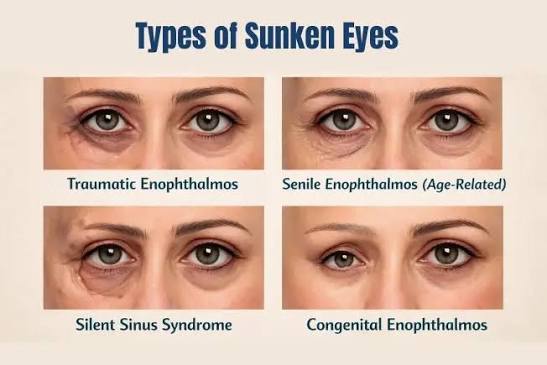
The medical term for this condition is enophthalmos, though this term is usually reserved for more severe or sudden cases linked to injury or illness.
Common Causes of Sunken Eyes
There are many reasons your eyes may look sunken, ranging from harmless lifestyle habits to underlying medical conditions.
Below is a breakdown of the most common causes reported by dermatologists and eye specialists.
1. Natural Aging
As you age, your skin loses collagen and fat volume around the eyes.
This causes the eye area to settle deeper into the socket, creating a hollow, sunken look that becomes more visible over time.
2. Dehydration
Not drinking enough water is one of the fastest ways to make your eyes look sunken and tired.
Dehydration reduces skin elasticity and volume, making the under-eye area appear thinner and darker almost overnight.
3. Lack of Sleep
Poor or insufficient sleep is strongly linked to dark circles and hollow-looking eyes.
Sleep deprivation causes blood to pool under the eyes and reduces skin plumpness, both of which worsen the sunken appearance.
4. Sudden or Extreme Weight Loss
Rapid weight loss removes fat from the face, including the delicate area around the eyes.
This can expose blood vessels and bone structure, making the eyes appear more deep-set than before.
5. Genetics
Some people are simply born with deep-set eyes due to their bone structure and inherited facial features.
If sunken eyes run in your family, genetics may be the main driver rather than any lifestyle factor.
6. Smoking
Research has linked smoking to faster breakdown of collagen and skin elasticity.
This accelerates tear-trough hollowing and premature aging around the eyes, making the sunken look appear earlier in life.
7. Nutrient Deficiencies
Low levels of iron, vitamin C, or vitamin K can weaken skin and blood vessel strength.
This often shows up first as dark, hollow-looking circles under the eyes before other symptoms appear.
8. Allergies and Sinus Issues
Chronic allergies or sinus infections can cause inflammation and puffiness that later leads to a hollow rebound effect.
Nasal congestion also affects blood flow around the eyes, deepening shadows and hollowness.
9. Eye Injury or Trauma
A fracture or injury to the bones around the eye socket can cause sudden sunken eyes on one side.
This condition, called enophthalmos, needs prompt medical evaluation to rule out serious damage.
10. Medications and Medical Conditions
Certain medications list sunken or hollow eyes as a side effect, especially those affecting fluid balance.
Conditions like adrenal fatigue, dehydration-related illness, or chronic disease can also contribute to this appearance.
11. Stress and Cortisol Levels
Chronic stress raises cortisol levels, which can break down collagen and disrupt sleep quality over time.
This combination often accelerates the hollow, tired look around the eyes, even in people who are otherwise healthy.
12. Excessive Screen Time
Long hours staring at screens can strain the eyes and lead to poor sleep patterns, both of which worsen under-eye hollowness.
Blue light exposure late at night also delays melatonin production, reducing the quality of restorative sleep your skin needs.
13. Sun Exposure
Unprotected sun exposure breaks down collagen and elastin in the thin skin around the eyes faster than almost anywhere else on the face.
Over time, this accelerates hollowing and makes fine lines and shadows more prominent.
Causes of Sunken Eyes at a Glance
| Cause | Onset Speed | Common Age Group | Reversible? |
|---|---|---|---|
| Aging | Gradual | 40+ | Partially |
| Dehydration | Fast (hours) | Any age | Yes |
| Lack of sleep | Fast (1-2 days) | Any age | Yes |
| Weight loss | Weeks to months | Any age | Partially |
| Genetics | Present from birth | Any age | No |
| Smoking | Gradual | Adults | Partially |
| Nutrient deficiency | Weeks | Any age | Yes |
| Allergies/sinus issues | Fast | Any age | Yes |
| Eye injury | Sudden | Any age | Needs treatment |
| Medications | Varies | Adults | Yes, after stopping |
Symptoms That Often Come With Sunken Eyes
Sunken eyes rarely appear alone and are usually accompanied by other visible signs.
Common symptoms include dark circles, thin or papery under-eye skin, and a tired or aged appearance even after adequate rest.
Some people also notice visible blood vessels, mild puffiness that fades into hollowness, or a slightly asymmetrical look between the two eyes.
In cases linked to injury or illness, symptoms may include double vision, pain, or difficulty focusing, which require medical attention.
Skin texture changes are another common sign, with the under-eye area often feeling thinner, drier, or more crepey than the surrounding skin.
Some people also report increased sensitivity to light or a heavier, more fatigued feeling around the eyes by the end of the day.
Sunken Eyes vs Dark Circles: What’s the Difference?
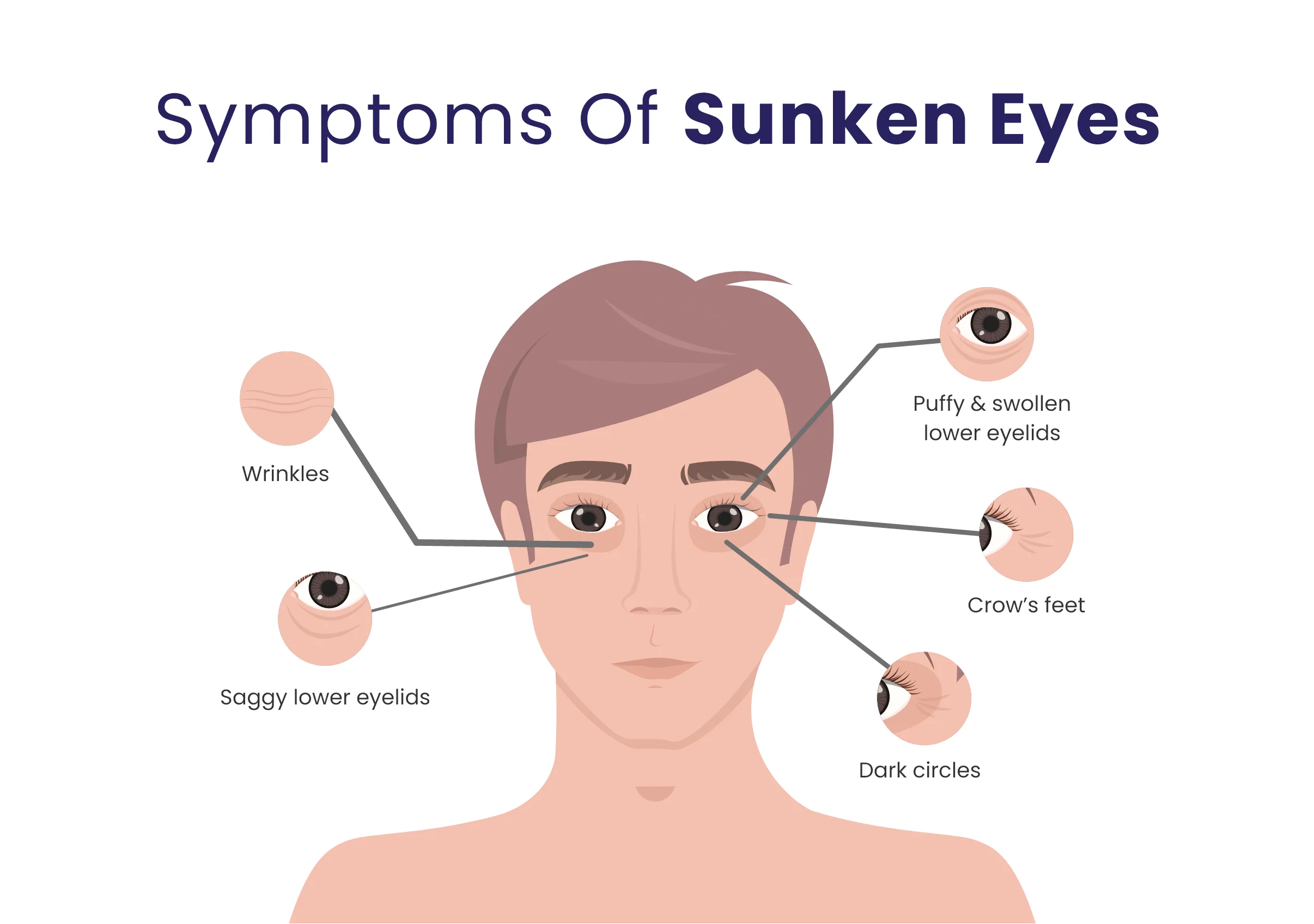
Sunken eyes and dark circles often occur together, but they are not the same thing.
Dark circles refer to pigmentation or discoloration under the eyes, while sunken eyes describe a loss of volume that creates a hollow shadow.
You can have dark circles without sunken eyes, and vice versa, though treating one often improves the appearance of the other.
Sunken Eyes in Different Age Groups
In younger people, sunken eyes are usually linked to dehydration, poor sleep, genetics, or nutrient deficiencies rather than aging.
In middle-aged and older adults, collagen loss and fat depletion become the leading causes, making the hollow look more permanent.
Understanding your age group helps narrow down the most likely cause and the most effective remedy.
Home Remedies for Sunken Eyes
Most mild to moderate cases of sunken eyes can be improved at home without medical procedures.
Consistency is key, as these remedies work gradually over days to weeks rather than overnight.
Stay Hydrated
Drinking enough water throughout the day helps restore skin plumpness and reduces the hollow, sunken look.
Aim for consistent hydration rather than large amounts at once for the best results.
Improve Your Sleep Habits
Getting 7 to 9 hours of quality sleep allows the skin around your eyes to repair and refresh overnight.
Elevating your head slightly while sleeping can also reduce fluid pooling under the eyes.
Use Cold Compresses
Applying a cold compress or chilled spoon under the eyes for a few minutes can temporarily reduce puffiness and brighten the area.
This is a quick fix best used before important events or photos.
Eat a Nutrient-Rich Diet
Foods rich in iron, vitamin C, and vitamin K support skin strength and blood vessel health.
Leafy greens, citrus fruits, and lean proteins are especially helpful for reducing hollow-looking eyes.
Use Eye Creams With Retinol or Peptides
Topical treatments containing retinol, peptides, or hyaluronic acid can gradually boost collagen and hydration under the eyes.
Results typically take several weeks of consistent use to become visible.
Limit Smoking and Alcohol
Cutting back on smoking and alcohol helps preserve collagen and prevents further thinning of the under-eye skin.
This is one of the most effective long-term prevention strategies available.
Quick Home Remedy Comparison
| Remedy | Time to See Results | Cost |
|---|---|---|
| Hydration | 1-2 days | Free |
| Better sleep | 3-7 days | Free |
| Cold compress | Minutes (temporary) | Low |
| Diet changes | 2-4 weeks | Low-Moderate |
| Eye creams | 4-8 weeks | Moderate |
| Quitting smoking | Months | Free-Moderate |
Medical Treatments for Sunken Eyes
When home remedies aren’t enough, especially for age-related or genetic causes, medical treatments can offer more dramatic and lasting results.
Dermal Fillers
Hyaluronic acid fillers are a popular, minimally invasive option that restores volume under the eyes almost immediately.
Results typically last 6 to 18 months depending on the product used.
Under-Eye Surgery (Blepharoplasty)
For more permanent correction, blepharoplasty removes or repositions fat and tissue to smooth the under-eye area.
This surgical option is best suited for significant, long-standing hollowness that doesn’t respond to fillers.
Fat Grafting
This procedure transfers fat from another part of your body to restore volume under the eyes naturally.
It offers longer-lasting results than fillers since it uses your own tissue.
Laser and Light Therapy
Laser treatments can stimulate collagen production and improve skin texture around the eyes over several sessions.
This option works well for mild hollowness combined with pigmentation issues.
Microneedling
Microneedling creates tiny controlled punctures in the skin to trigger natural collagen production over time.
It is often combined with serums for enhanced absorption and works well for mild to moderate hollowness with minimal downtime.
What to Expect During Recovery
Non-surgical treatments like fillers usually involve little to no downtime, with most people returning to normal activities the same day.
Mild swelling or bruising can occur but typically fades within a few days.
Surgical options like blepharoplasty require more recovery time, often one to two weeks, along with follow-up visits to monitor healing.
Following your provider’s aftercare instructions closely helps ensure the best possible results and reduces the risk of complications.
Prevention Tips to Avoid Sunken Eyes
Preventing sunken eyes is often easier than reversing them, especially when caused by lifestyle factors.
- Drink at least 8 glasses of water daily
- Maintain a consistent sleep schedule
- Wear sunscreen daily to protect collagen
- Avoid crash diets and rapid weight loss
- Manage allergies and sinus issues promptly
- Include iron and vitamin-rich foods in your diet
Small, consistent habits protect the delicate skin around your eyes far more effectively than occasional fixes.
Best Sleep Position for Reducing Sunken Eyes
Sleeping on your back with your head slightly elevated helps prevent fluid from pooling under your eyes overnight.
Using an extra pillow or a wedge pillow can make a noticeable difference if you tend to wake up with puffiness that fades into hollowness by afternoon.
Side sleeping, especially face-down into a pillow, can worsen fluid retention and even contribute to fine lines forming faster around the eyes.
The Role of Skincare Routine Consistency
A consistent morning and night skincare routine matters more than any single miracle product for long-term results.
Gently applying products with your ring finger, using minimal pressure, helps avoid tugging on the thin under-eye skin.
Always apply sunscreen around the eye area during the day, even on cloudy days, since UV damage is cumulative and largely irreversible.
Lifestyle Habits That Make Sunken Eyes Worse
Certain everyday habits can quietly worsen the hollow, tired look around your eyes without you realizing it.
Rubbing your eyes frequently, especially due to allergies or fatigue, breaks down delicate skin fibers and speeds up thinning.
Excessive caffeine or alcohol intake can also dehydrate the skin and disrupt sleep quality, both of which contribute to a more sunken appearance over time.
When Should You See a Doctor?
Most sunken eyes are cosmetic and not a medical emergency.
However, you should see a doctor if the sunken appearance develops suddenly, affects only one eye, or comes with pain, vision changes, or recent trauma.
Sudden sunken eyes can sometimes signal dehydration from illness, an underlying medical condition, or an eye socket injury that needs prompt care.
If home remedies show no improvement after several weeks, a dermatologist or oculoplastic surgeon can help identify the exact cause.
Makeup Tips to Hide Sunken Eyes Instantly
If you need a quick fix before an event, makeup can visually soften the hollow, shadowed look in minutes.
A peach or salmon-toned color corrector cancels out dark, bluish shadows better than concealer alone.
Choose the Right Concealer Shade
Pick a concealer one shade lighter than your skin tone and apply it in a triangle shape under the eye.
This technique brightens the entire hollow area instead of just the darkest spot, creating a more lifted look.
Add Light-Reflecting Products
Illuminating primers or highlighters placed at the inner corners of the eyes bounce light and reduce the appearance of depth.
Avoid heavy shimmer, as it can settle into fine lines and emphasize hollowness instead of hiding it.
Set with a Light Powder
A thin layer of translucent powder locks concealer in place without adding weight or creasing.
Pressing rather than rubbing the powder on helps maintain a smooth, natural finish throughout the day.
Diet Plan to Support Under-Eye Skin Health

What you eat plays a direct role in how plump and healthy the skin around your eyes looks.
Building meals around specific nutrients can noticeably reduce hollowness over a few weeks.
| Nutrient | Best Food Sources | Why It Helps |
|---|---|---|
| Iron | Spinach, lentils, red meat | Prevents pale, hollow-looking skin |
| Vitamin C | Oranges, bell peppers, strawberries | Boosts collagen production |
| Vitamin K | Kale, broccoli, Brussels sprouts | Strengthens blood vessel walls |
| Omega-3 | Salmon, walnuts, flaxseed | Improves skin elasticity |
| Water | Fluids, water-rich fruits | Maintains skin volume and hydration |
Pairing this diet with consistent sleep and hydration habits gives the best long-term results for reducing sunken eyes.
Common Myths About Sunken Eyes
There is a lot of misinformation online about what causes sunken eyes and how to fix them.
Clearing up these myths can help you avoid wasting time and money on ineffective solutions.
Myth: Sunken Eyes Only Happen With Age
While aging is a common cause, dehydration, genetics, and nutrient deficiencies can affect people of any age.
Many young adults notice sunken eyes without any signs of aging elsewhere on their face.
Myth: Drinking Water Instantly Fixes Sunken Eyes
Hydration helps, but it typically takes a day or two of consistent water intake to see visible improvement.
A single glass of water will not reverse hollowness caused by long-term dehydration or aging.
Myth: Only Fillers Can Fix Sunken Eyes
Fillers offer fast results, but many people see significant improvement through sleep, hydration, and diet changes alone.
Medical treatment is usually only necessary for severe or long-standing hollowness.
How Long Does It Take to See Results?
Recovery timelines vary widely depending on the underlying cause and the remedy used.
Dehydration and sleep-related sunken eyes often improve within a few days of better habits.
Diet and skincare-based improvements usually take three to eight weeks of consistent effort to become noticeable.
Medical treatments like fillers show results almost immediately, while surgical options may need a few weeks of healing before final results appear.
Frequently Asked Questions (FAQs)
1. Why do my eyes suddenly look sunken in?
Sudden sunken eyes are usually caused by dehydration, illness, or lack of sleep. If it happens after an injury, see a doctor right away.
2. Can lack of sleep really cause sunken eyes?
Yes, poor sleep reduces skin plumpness and increases blood pooling under the eyes, creating a hollow, tired appearance.
3. Is it normal to have sunken eyes at a young age?
Yes, genetics, dehydration, and nutrient deficiencies can cause sunken eyes even in teens and young adults.
4. How can I fix sunken eyes naturally at home?
Stay hydrated, sleep well, eat iron-rich foods, and use cold compresses for gradual, natural improvement.
5. Do dermal fillers work for sunken eyes?
Yes, hyaluronic acid fillers are a fast, minimally invasive way to restore volume and reduce hollowness for months at a time.
6. Can dehydration alone cause sunken eyes?
Yes, dehydration is one of the fastest causes of sunken, tired-looking eyes and often resolves within a day or two of proper hydration.
7. Are sunken eyes a sign of a serious illness?
Rarely, but sudden sunken eyes paired with pain or vision changes could indicate injury or a medical condition needing evaluation.
8. What vitamins help with sunken eyes?
Vitamin C, vitamin K, and iron support skin strength and blood vessel health, reducing hollow, dark under-eye appearance.
9. Does weight loss make eyes look sunken?
Yes, rapid or extreme weight loss reduces facial fat, including around the eyes, making them appear more hollow.
10. How long does it take to fix sunken eyes?
Lifestyle changes show results in days to weeks, while medical treatments like fillers offer near-instant improvement.
Conclusion
Sunken eyes can result from many factors, including aging, dehydration, poor sleep, genetics, weight loss, and certain medical conditions.
In most cases, this appearance is harmless and can be improved through simple lifestyle changes like better hydration, quality sleep, and a nutrient-rich diet.
For more stubborn or age-related hollowness, medical treatments such as dermal fillers, fat grafting, or blepharoplasty offer effective, longer-lasting solutions.
If your sunken eyes appear suddenly, affect only one eye, or come with pain or vision changes, it’s important to consult a doctor promptly.
With the right combination of prevention and treatment, most people can restore a brighter, more refreshed look around their eyes and feel more confident in their appearance.
