

Why are my eyelids red? It’s a question that usually points to inflammation, irritation, or an underlying eye condition rather than something serious.
Your eyelids are thin, sensitive, and packed with blood vessels, so even minor irritation can cause noticeable redness. Common culprits include allergies, blepharitis, styes, dermatitis, or simple eye strain from screens.
Most cases clear up with basic home care, but persistent or severe redness sometimes signals something that needs medical attention.
What Does Red Eyelid Skin Actually Mean?
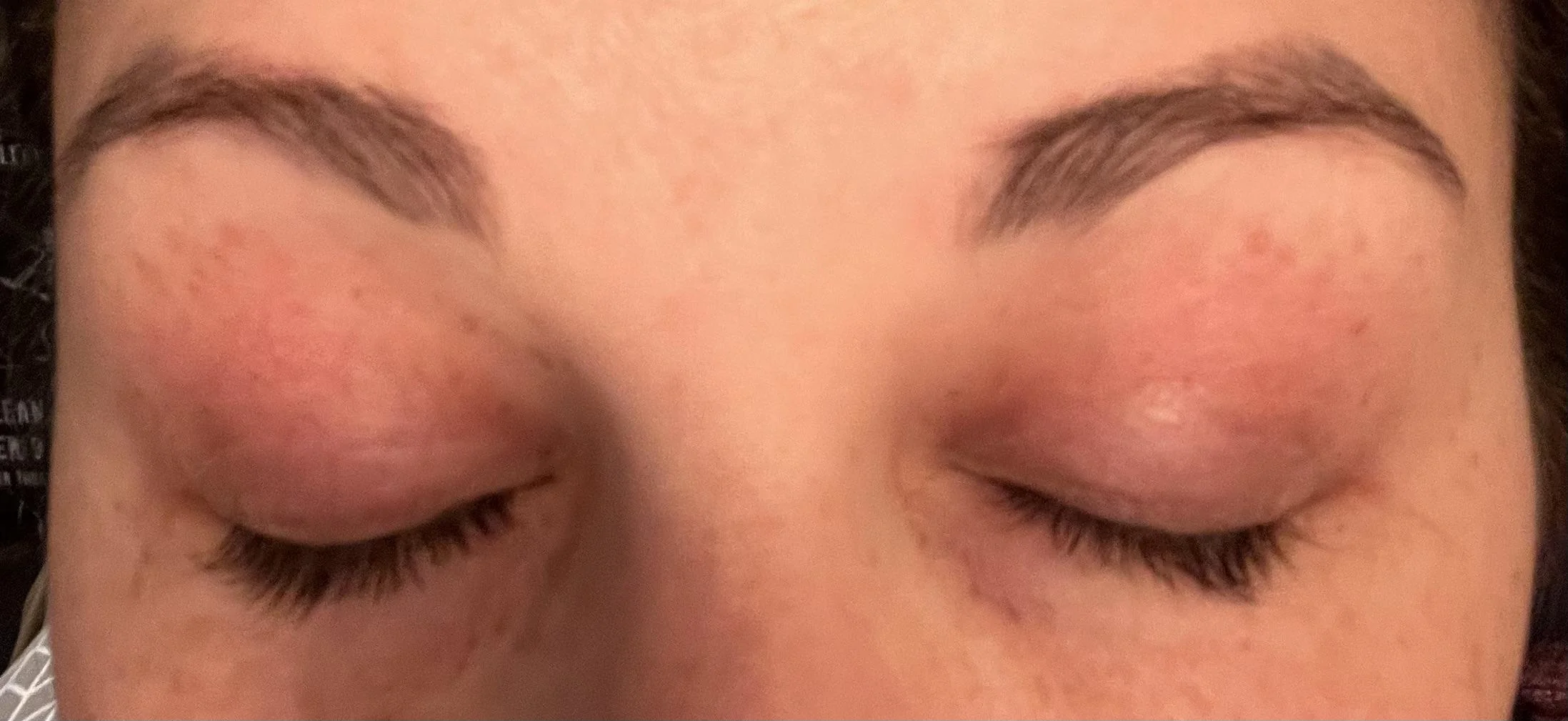
Red eyelids happen when blood vessels near the skin’s surface widen, either from irritation, inflammation, or infection. Your eyelids are very sensitive and well supplied with blood vessels and nerves, so even minor irritation or inflammation can cause reddening.
This response is your body’s normal reaction to something bothering the delicate eyelid tissue. The redness itself is a symptom, not a diagnosis.
Quick Answer: Why Are My Eyelids Red?
In most cases, red eyelids are caused by allergies, blepharitis, a stye, or contact dermatitis. These conditions irritate or inflame the thin eyelid skin, triggering visible redness.
Red eyelids usually get better on their own within a few days, though the exact cause determines how long recovery takes and whether treatment is needed.
Top Causes of Red Eyelids
1. Blepharitis (Eyelid Inflammation)
Blepharitis is one of the most common causes of red, irritated eyelids. This condition makes your eyelids red, swollen, irritated, and itchy, and can cause crusty, dandruff-like flakes on your eyelashes.
It happens when oil glands near the eyelashes get clogged or when bacteria build up along the lid margin. It isn’t contagious and rarely causes lasting damage.
2. Allergies (Allergic Conjunctivitis)
Allergies are a very common cause of red eyelids. An allergic reaction may be local, such as sensitivity to eye makeup, or more widespread, like hay fever affecting your whole face.
When allergens interact with your immune system, they trigger swelling, itching, and redness around the eyelids, often paired with watery eyes.
3. Stye (Hordeolum)
A stye is a localized bacterial infection of an oil gland or eyelash follicle in the eyelid margin. It typically shows up as a red, painful bump near the base of the eyelashes.
Styes usually resolve on their own within a week, often helped along by warm compresses applied several times a day.
4. Chalazion
A chalazion develops when something blocks an oil gland in the eyelid, preventing it from releasing its secretions properly. This can lead to swelling and a cyst forming.
If the cyst becomes infected, it causes pain and redness around the eye. Never attempt to pop or puncture it yourself.
5. Contact Dermatitis (Eyelid Eczema)
Eyelid dermatitis develops when the folds of skin above and below your eyes come into contact with an allergen or irritant, causing a red, scaly, and sometimes swollen reaction.
Irritant contact dermatitis makes up about 80% of these cases, often triggered by makeup, skincare products, or contact lens solution.
6. Conjunctivitis (Pink Eye)
Conjunctivitis is inflammation of the lining of the eyeball and eyelids, often resulting in eyelid swelling and redness. It can be caused by bacteria, viruses, allergies, or irritants.
Viral and bacterial conjunctivitis are contagious and often come with a yellow or green discharge that can stick eyelids together during sleep.
7. Eye Strain and Fatigue
Sometimes red eyelids have a much simpler explanation. You may experience red eyes or eyelids if you are tired or have been staring at a screen for too long, though this usually passes quickly.
Extended contact lens wear beyond the recommended time can also contribute to temporary redness and irritation.
8. Demodex Mite Infestation
Microscopic mites naturally live in the hair follicles around your eyelashes. In small numbers, they’re harmless, but when they overpopulate, they cause red, inflamed lids and intense irritation.
This is a lesser-known but increasingly recognized cause of chronic blepharitis symptoms that don’t respond to standard treatments.
Red Eyelids Causes at a Glance
| Cause | Key Symptom | Typical Duration |
|---|---|---|
| Blepharitis | Red, flaky, itchy lid margins | Chronic, needs ongoing care |
| Allergies | Itching, watering, swelling | Hours to days |
| Stye | Painful red bump | 5-7 days |
| Chalazion | Painless lump, may redden | Weeks, may need treatment |
| Contact dermatitis | Red, scaly, swollen skin | 1-3 days with treatment |
| Conjunctivitis | Redness with discharge | Days to 2 weeks |
| Eye strain | Mild redness, fatigue | Hours |
| Demodex mites | Persistent irritation | Chronic |
Is Red Eyelid Skin Always a Sign of Infection?
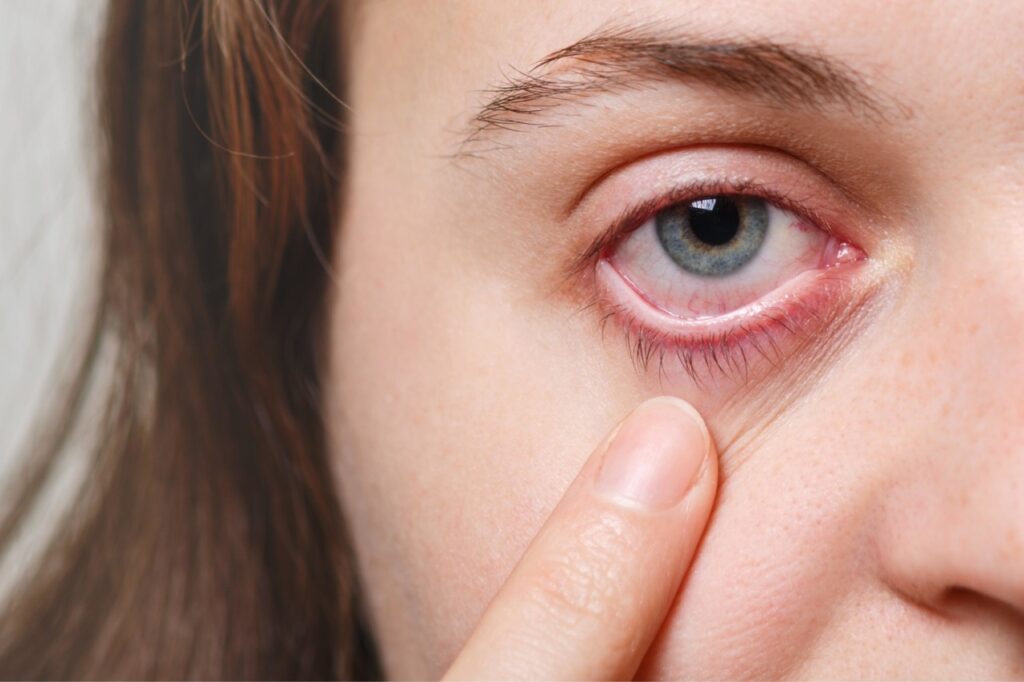
Not necessarily. Redness can come from irritation, allergies, dryness, or infection, and only some of these involve actual bacteria or viruses.
Doctors typically look at accompanying symptoms like discharge, pain, or swelling, rather than redness alone, to determine if infection is involved.
Red Eyelids in the Morning: Why It Happens
Many people notice their eyelids look redder right after waking up. Fluid can pool around the eyes overnight, and allergens on pillowcases may irritate the skin while you sleep.
Rubbing your eyes during sleep, combined with dry indoor air, can also make morning redness more noticeable than it is later in the day.
Red Eyelids with No Other Symptoms
If your eyelids are red but you feel otherwise fine, it’s often just mild irritation from environmental factors like wind, dust, or dry air.
Without itching, pain, or discharge, this typically resolves within a day or two using simple soothing measures like a cool compress.
Symptoms That Signal a More Serious Problem
Most red eyelid cases are mild, but some symptoms deserve prompt medical attention. Seek care if you have high fever, eye pain, sudden vision changes, or double vision.
Difficulty breathing or wheezing alongside eyelid redness could indicate anaphylaxis, a life-threatening allergic reaction that needs emergency care.
Sudden swelling of the face, lips, or tongue is another emergency warning sign that should never be ignored or treated at home.
If left untreated, orbital cellulitis will damage the optic nerve and cause vision loss, so escalating redness with pain and swelling needs urgent evaluation.
Warning Signs Checklist Table
| Symptom | What It May Indicate |
|---|---|
| Fever over 101°F | Possible serious infection |
| Sudden vision changes | Needs emergency care |
| Facial or lip swelling | Possible anaphylaxis |
| Severe eye pain | Needs prompt evaluation |
| Spreading redness beyond lid | Possible cellulitis |
| Yellow/green discharge | Possible bacterial conjunctivitis |
Blepharitis vs. Stye vs. Chalazion: What’s the Difference?
These three conditions often get confused because they all involve redness near the eyelashes. Blepharitis affects the whole lid margin with flaking and irritation, not just one spot.
A stye is a localized, painful, red bump, while a chalazion is usually painless once past its early stage, showing up as a firmer lump.
How to Treat Red Eyelids at Home
Most mild cases of red eyelids respond well to simple home care. Using a clean, warm washcloth as a compress can loosen crusts and soothe irritated skin.
Warm compresses work especially well for styes and blepharitis, helping oil glands drain and reducing discomfort within a few days of consistent use.
For allergy-related redness, an antihistamine can prevent the reaction and reduce itching, swelling, and watering fairly quickly.
Home Remedy Table
| Remedy | Best For |
|---|---|
| Warm compress | Styes, blepharitis, chalazion |
| Cool compress | Allergy-related swelling |
| Lid scrubs/baby shampoo | Blepharitis crust removal |
| Antihistamine | Allergic reactions |
| Artificial tears | Dry eye discomfort |
| Avoiding makeup/contacts | Contact dermatitis recovery |
Eyelid Hygiene: A Simple Daily Routine
Keeping eyelids clean is one of the most effective ways to prevent recurring redness. It is very important to keep your eyelids, skin, and hair clean to control symptoms.
Gently rubbing a warm cloth or cotton swab along the lash line, then rinsing with clean water, helps remove debris and oil buildup daily.
Repeating this on both eyes with a fresh cloth each time reduces the risk of spreading bacteria between eyes.
Over-the-Counter and Medical Treatment Options
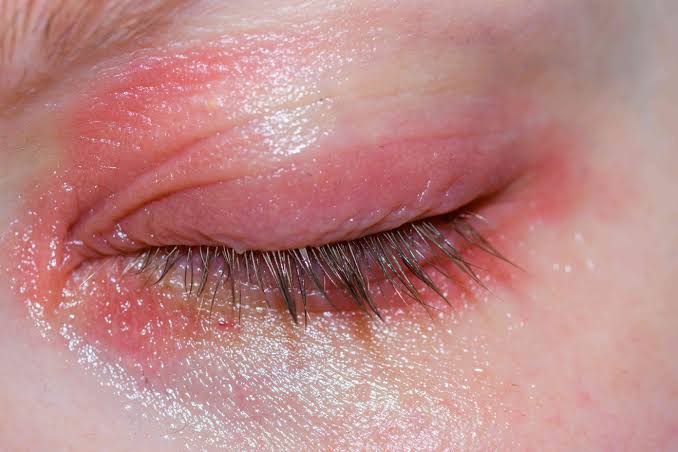
When home care isn’t enough, several treatment options exist. Doctors may prescribe steroid eye drops to control redness, swelling, and irritation in more stubborn cases.
Artificial tears, available without a prescription, can ease dryness that often accompanies eyelid redness and irritation.
If bacteria are involved, a doctor may prescribe antibiotic eye drops, ointments, or oral antibiotics depending on severity and location.
Treatment Options Table
| Treatment | Used For |
|---|---|
| Steroid eye drops | Reducing redness and swelling |
| Antibiotic ointment/drops | Bacterial infections |
| Artificial tears | Dryness and irritation |
| Antihistamine eye drops | Allergic reactions |
| Lid-cleaning devices | Chronic blepharitis, MGD |
| Oral antibiotics | Severe or persistent infection |
What Not to Do When Eyelids Are Red
Certain habits can make red eyelids worse or prolong recovery. Avoid touching or rubbing your itchy eyes, since this can spread bacteria and increase irritation.
Wearing contact lenses until your eyes return to normal isn’t recommended, as lenses can trap allergens or irritants against the eye surface.
Popping or squeezing a chalazion or stye should also be avoided, since this can push infection deeper or cause scarring.
Can Makeup or Skincare Cause Red Eyelids?
Yes, cosmetics are a frequent trigger. Eyelid dermatitis develops when the folds of skin above and below your eyes come into contact with an allergen or irritant, and makeup is a common source.
Mascara, eyeliner, and eyeshadow can all contain ingredients that irritate sensitive eyelid skin, especially with prolonged or repeated use.
Switching to fragrance-free, hypoallergenic products and removing all eye makeup before bed can significantly reduce flare-ups over time.
Red Eyelids and Rosacea: Is There a Connection?
Yes, there’s a well-documented link. Acne rosacea causes facial skin inflammation, which can extend to the eyelids and contribute to chronic redness and irritation.
People with rosacea often experience recurring blepharitis symptoms and may need long-term management strategies for both conditions together.
Red Eyelids in Children: What Parents Should Know
Kids can develop red eyelids from allergies, styes, or conjunctivitis just like adults. Viral pink eye is especially common and spreads easily in schools and daycare settings.
Keeping hands clean, avoiding shared towels, and washing bedding frequently can help reduce the spread of contagious eye conditions among children.
If a child’s eyelid redness comes with fever, severe swelling, or vision changes, prompt pediatric or urgent care evaluation is recommended.
Red Eyelids and Dry Eye: How They’re Connected
Dry eye and eyelid redness often occur together. Oil and flakes can build up in the tear film, disrupting the balance that keeps eyes properly lubricated.
When tears aren’t working correctly, eyes may feel dry, gritty, or alternately watery, and eyelids often redden as a secondary response to this imbalance.
When to See a Doctor or Ophthalmologist
While many cases of red eyelids resolve with home care, some situations call for professional evaluation. See a doctor if redness is persistent, recurrent, or causes ongoing concern.
Chronic blepharitis that doesn’t improve with regular hygiene, or a chalazion that keeps growing, often needs an eye doctor’s intervention.
Any redness paired with vision changes, severe pain, or spreading swelling beyond the eyelid should be evaluated promptly rather than treated at home.
Prevention Tips to Avoid Recurring Red Eyelids
Preventing repeat episodes usually comes down to consistent habits. Protecting your eyelids with glasses during extreme cold, wind, or dusty conditions helps limit irritation.
Touching your eyelids only with clean hands, and using a clean tissue if you must wipe them, reduces the spread of bacteria and allergens.
Regularly cleaning bedding, avoiding expired eye makeup, and managing known allergies proactively all contribute to fewer flare-ups long term.
Red Eyelids vs. Red Eyes: Understanding the Difference
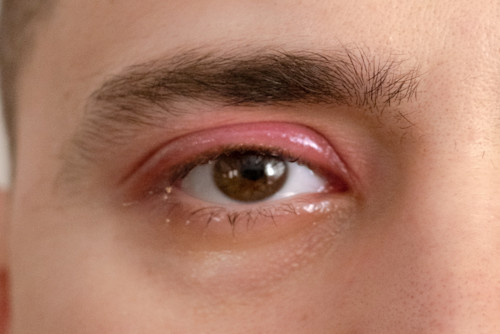
People often use these terms interchangeably, but they describe different structures. Red eyelids refer to the skin covering and surrounding the eye, while red eyes refer to the white part of the eyeball itself.
Blepharitis can make the white part of your eye look red all the time, showing how these two issues frequently overlap and occur together.
Knowing which part is actually red helps guide treatment, since eyelid skin conditions and eyeball surface conditions often need different approaches.
Seasonal Allergies and Red Eyelids: What to Expect
Seasonal allergies are a major driver of red eyelids for many people, especially during high-pollen months. Dust mites, pollen, pet dander, and cigarette smoke can all irritate your eyes and eyelids.
Symptoms often include itching, burning, and watering alongside the redness, and they tend to flare up predictably during specific times of year.
Managing environmental triggers at home, such as controlling humidity and using air filters, can meaningfully reduce how often seasonal flare-ups occur.
Seasonal Allergy Triggers Table
| Trigger | Common Season |
|---|---|
| Tree pollen | Spring |
| Grass pollen | Late spring to summer |
| Ragweed pollen | Late summer to fall |
| Dust mites | Year-round, worse indoors |
| Pet dander | Year-round |
| Mold spores | Damp seasons, fall |
Red Eyelids from Contact Lenses: What You Should Know
Contact lens wearers are especially prone to eyelid redness, particularly with extended or overnight wear. Wearing contact lenses for longer than recommended can contribute to redness and irritation.
Lens solution sensitivity is another common trigger, since certain preservatives and ingredients can irritate the delicate eyelid margin over time.
Switching to preservative-free solution, replacing lenses on schedule, and giving your eyes regular breaks from lenses can all help reduce recurring redness.
Can Crying Cause Red Eyelids?
Yes, crying is a normal and temporary cause of red eyelids. Even crying can cause your eyelids to redden, since tears and rubbing both irritate the thin surrounding skin.
This type of redness typically fades within an hour or two once tear production slows and any rubbing stops.
Nighttime Habits That Worsen Red Eyelids
Certain evening routines can make morning redness worse without you realizing it. Sleeping in eye makeup is one of the most common culprits, trapping irritants against the skin overnight.
Using old or expired mascara and eyeliner increases bacterial exposure, which can worsen blepharitis or trigger new irritation while you sleep.
Sleeping face-down on a pillowcase that hasn’t been washed recently can also transfer oil, dust, and allergens directly onto sensitive eyelid skin.
Nighttime Habit Fixes Table
| Habit to Avoid | Better Alternative |
|---|---|
| Sleeping in makeup | Remove all makeup before bed |
| Using old cosmetics | Replace eye makeup every 3 months |
| Dirty pillowcases | Wash bedding weekly |
| Sleeping face-down | Sleep on your back when possible |
| Skipping eyelid hygiene | Do a quick nightly lid wipe |
How Doctors Diagnose the Cause of Red Eyelids
Diagnosis typically starts with a review of your symptoms and a physical exam. An eye care provider will assess the appearance, intensity of reddening, discharge, and swelling to help determine the type and cause.
In some cases, a swab of eyelid secretion may be sent to a lab to check for bacteria, especially if infection is suspected.
An eyelash exam under a microscope can also detect Demodex mites, while a tear test helps determine if dry eye is contributing to the redness.
Diet, Hydration, and Eyelid Skin Health
While diet doesn’t directly cause red eyelids, certain nutrients support healthier skin and reduced inflammation over time. Omega-3s, found in fish or flax seed oil, may help the oil glands in your eyes work better.
Eating leafy greens and reducing high-fat foods can also support glandular function, which plays a role in preventing blepharitis flare-ups.
Staying well-hydrated keeps skin, including delicate eyelid tissue, more resilient against dryness and irritation.
Red Eyelids and Screen Time: A Modern Trigger
Extended screen use is an increasingly common contributor to eyelid redness and fatigue. Staring at screens for long periods reduces blink rate, which can dry out the eyes and surrounding skin.
Following the 20-20-20 rule, looking at something 20 feet away for 20 seconds every 20 minutes, can help reduce strain-related redness during work or study sessions.
Long-Term Eyelid Care: Building a Routine
Managing red eyelids long-term works best with a consistent daily routine rather than reacting only during flare-ups. Daily lid hygiene, especially for chronic blepharitis, keeps symptoms controlled over time.
Commercially available microwavable heat masks can hold heat longer than a washcloth and may be more effective for regular maintenance.
Combining warm compresses, gentle lid scrubs, and avoiding known triggers creates a sustainable routine that reduces how often redness returns.
Related Searches People Also Ask
People searching this topic often also look into blepharitis home remedies, red eyelid margins, eyelid dermatitis treatment, and styes versus chalazion. These all connect back to inflammation or irritation of the same sensitive eyelid tissue.
Frequently Asked Questions (FAQs)
1. Why are my eyelids red with no pain?
Painless redness is often from allergies, mild irritation, or fatigue rather than infection or injury.
2. How long do red eyelids usually last?
Mild cases often clear in a few days, while blepharitis or dermatitis may take one to two weeks.
3. Are red eyelids contagious?
Only if caused by viral or bacterial conjunctivitis; allergies and blepharitis are not contagious.
4. Can stress cause red eyelids?
Stress doesn’t directly cause redness, but it can worsen conditions like eczema or rosacea flare-ups.
5. Should I stop wearing makeup if my eyelids are red?
Yes, avoid eye makeup until the redness clears to prevent further irritation.
6. Can allergies alone cause red, swollen eyelids?
Yes, allergic reactions are one of the most common causes of red, itchy, swollen eyelids.
7. When should I worry about red eyelids?
Worry if redness comes with fever, vision changes, severe pain, or spreading swelling.
8. Do warm compresses really help red eyelids?
Yes, warm compresses ease styes, blepharitis, and chalazion by loosening oil and crust buildup.
9. Can red eyelids be a sign of a stye?
Yes, a stye typically appears as a painful red bump right at the lash line.
10. Is blepharitis curable or just manageable?
Blepharitis usually doesn’t go away completely but can be well managed with consistent eyelid hygiene.
Conclusion
Red eyelids are almost always caused by common, treatable conditions like allergies, blepharitis, styes, or mild irritation rather than anything dangerous.
Paying attention to accompanying symptoms, such as pain, discharge, or vision changes, helps determine whether home care is enough or a doctor’s visit is needed.
Simple habits like warm compresses, gentle eyelid hygiene, and avoiding known irritants resolve the majority of cases within a few days.
Chronic conditions like blepharitis or rosacea-related redness may need ongoing management rather than a one-time fix.
If redness persists past a week, worsens, or comes with fever and vision changes, seek prompt medical evaluation. For most people, though, red eyelids are a manageable, short-term nuisance rather than a serious concern.
