

Why is my 2 month old drooling so much is one of the most common questions new parents type into Google at 2 a.m.
with a soaked onesie in hand. In most cases, this drool explosion is simply your baby’s salivary glands waking up and starting to work overtime.
Their tiny mouth muscles have not yet learned how to swallow saliva efficiently, so it pools and spills out instead.
Why Is My 2 Month Old Drooling So Much? Is It Normal
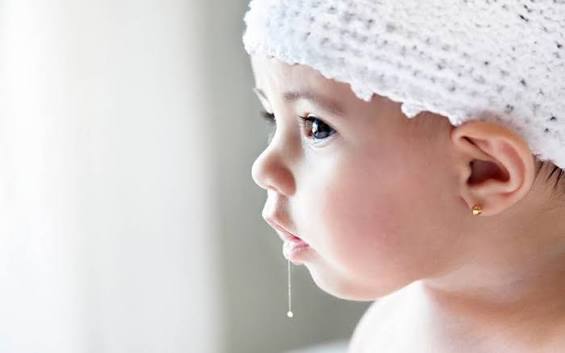
Yes, it is completely normal. Around 2 to 3 months, salivary glands ramp up production while swallowing coordination is still catching up.
Your baby is not sick or uncomfortable just because their chin is wet. This is simply a developmental stage, not a medical problem.
Pediatricians see this question constantly, and the reassurance is almost always the same: a wet chin on an otherwise happy, feeding, breathing baby is a sign of normal progress, not a warning sign.
Why Does Drooling Start Around 2 Months?
A baby’s mouth is one of the first tools they use to explore the world. Sucking, rooting, and hand-chewing all trigger extra saliva flow.
At the same time, the nerves and muscles that control swallowing are still maturing. Saliva builds up faster than your baby can clear it, so it escapes as drool.
Quick Saliva Facts Table
| Fact | Detail |
|---|---|
| Salivary glands active | 6 total glands (parotid, submandibular, sublingual pairs) |
| Daily saliva output | 2 to 4 pints per day |
| Swallow control matures | Between 18 and 24 months |
| Drooling phase begins | Typically 2 to 3 months of age |
| Drooling usually peaks | Between 6 and 18 months |
This table shows why drool is not a random event. It is a predictable part of your baby’s growth timeline.
Main Causes of a 2 Month Old Drooling So Much
Several everyday factors combine to create that steady stream of drool. Understanding each one helps you know what is typical and what deserves a closer look.
No single cause explains every baby’s drool pattern. Most of the time it is a mix of normal development, exploration, and simple physics like gravity, rather than any one dramatic reason.
1. Rising Saliva Production
In the early months, babies have not yet mastered how to manage the saliva their glands produce. As they grow, this control naturally improves.
More saliva plus less control simply means more visible drool on the chin, neck, and clothing.
2. Hand-to-Mouth Exploration
Two-month-olds begin bringing their fists and fingers to their mouths more often. This mouthing behavior stimulates extra saliva flow.
Sucking is not only about feeding. It is also self-soothing and a way for your baby to build tongue and jaw coordination.
3. Baby’s Position (Lying Down)
Gravity plays a bigger role than most parents realize. When a baby lies flat on their back, saliva pools forward and drips out more easily than it would if upright.
Holding your baby more upright during awake time can visibly reduce drool escape.
4. Teething (Less Common at This Age)
Teething is rarely the true cause of drooling this early. Most first teeth do not appear until 4 to 7 months of age.
Some babies do show very early teething signs by 3 months, but at 2 months, saliva increase is usually about development, not incoming teeth.
5. Colds, Congestion, or Oral Irritation
A stuffy nose forces mouth breathing, which leaves the mouth open and lets saliva escape instead of being swallowed.
Fever, sore throat, or mild oral irritation can also temporarily boost saliva output as the body responds to illness.
6. Acid Reflux (GERD)
When stomach contents flow back into the esophagus, the body sometimes responds by producing more saliva to help neutralize the acid.
Babies with reflux may drool more, especially after feeds, and may also spit up or seem fussy during and after meals.
7. Medication Side Effects
Certain medications can stimulate the salivary glands as a side effect. If your baby recently started a new medication and drooling increased noticeably, mention it to your pediatrician.
This is not common, but it is worth ruling out if drooling changed suddenly.
8. Natural Hypersalivation
Some babies simply produce more saliva than others. Doctors call this hypersalivation, and it is considered a normal variation rather than a disorder.
If your baby is feeding, breathing, and growing normally, extra drool alone is not a cause for concern.
Signs Your Baby’s Drooling Is Normal
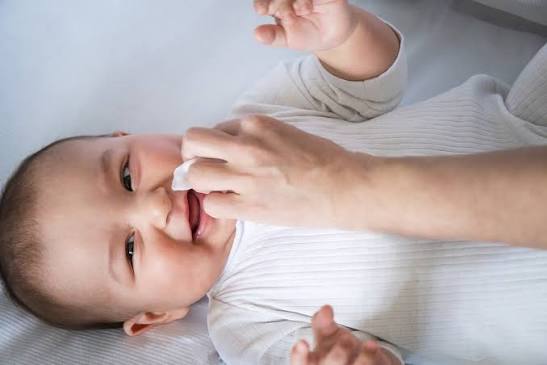
Most drooling at this age fits neatly into the “expected” category. Here is what typical, harmless drooling usually looks like.
| Normal Sign | What It Looks Like |
|---|---|
| Clear, watery drool | Not thick, colored, or foul-smelling |
| Occurs during play or sucking | Increases with hand-chewing or pacifier use |
| Feeding well | Good latch, steady weight gain |
| Comfortable breathing | No noisy or labored breaths |
| Content mood | Fussiness is brief and easily soothed |
If your baby matches this pattern, the drool is simply a sign of healthy development in progress.
Signs to Know: When Drooling May Need Attention
While most drooling is harmless, a smaller number of cases point to something that needs a pediatrician’s input. These are the signs to know in 2026.
| Warning Sign | Why It Matters |
|---|---|
| Trouble swallowing or choking | May signal an airway or feeding issue |
| Fever above 100.4°F (38°C) | Drooling is not caused by teething fevers this high |
| Breathing difficulty or noisy breathing | Requires prompt medical evaluation |
| Sudden refusal to feed | Could indicate pain, illness, or reflux flare |
| Unusual rash, swelling, or drool that looks thick or discolored | May point to infection or irritation |
| Fewer wet diapers than usual | Can signal dehydration |
| Sudden change in alertness (unusually sleepy or weak) | Needs same-day medical attention |
If any of these appear alongside drooling, contact your pediatrician the same day rather than waiting it out.
Common Myths About Baby Drooling
Many well-meaning relatives and old wives’ tales attach big meanings to drool. Separating myth from fact can save you unnecessary worry.
| Myth | Reality |
|---|---|
| “Drool always means a tooth is coming” | Teeth rarely appear before 4 months; drool alone does not confirm teething |
| “More drool means your baby is unwell” | Healthy babies can produce large amounts of saliva with no illness involved |
| “You should try to stop the drooling” | Drooling is a normal process; the goal is comfort, not prevention |
| “Bubbles mean something is wrong” | Bubbly drool is often just mouth play and breath experimentation |
| “Pacifiers cause excessive drooling” | Pacifiers can increase visible drool slightly, but this is harmless |
Knowing these facts can help you filter out unhelpful advice from people who mean well but are not medically accurate.
Drooling and Feeding: What Parents Often Notice
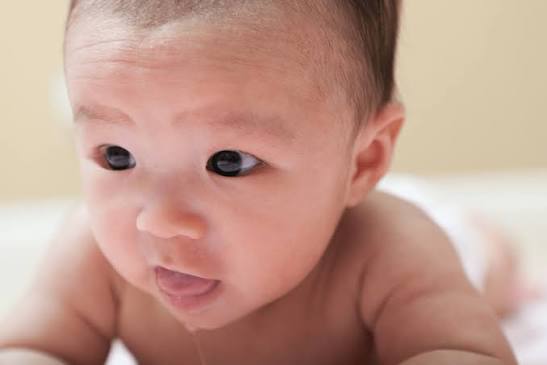
Some parents notice drool increases specifically around feeding time. This pattern usually has a simple explanation rather than a medical one.
Fast nipple flow can cause milk to leak alongside saliva, making it look like excessive drooling. Slow flow can cause frantic sucking, which also increases saliva production.
A small adjustment to bottle angle, nipple size, or feeding pace often resolves feeding-related drool. If leaking continues, a feeding check with your pediatrician or lactation consultant can help.
Drooling During Sleep: Is It Normal?
Many parents notice a damp pillow or mattress spot after naps. This is usually nothing to worry about.
When babies are drowsy or asleep, they swallow less often, so saliva naturally pools and can leak out, especially with the mouth slightly open.
This becomes worth mentioning to your pediatrician only if it comes with loud snoring, breathing pauses, or persistent noisy breathing during sleep.
Products That Can Help Manage Drool
A few simple items make daily drool management much easier without needing anything complicated or expensive.
| Product | How It Helps |
|---|---|
| Soft cotton or bamboo bibs | Absorb drool and protect clothing throughout the day |
| Gentle baby wipes | Quick, soothing clean-ups without irritating the skin |
| Barrier cream or ointment | Protects chin and neck skin from prolonged moisture |
| Chilled teething rings | Support safe mouth exploration and gum comfort |
| Burp cloths | Protect bedding and shoulders during naps and feeds |
Keeping these items within easy reach reduces stress during the many small drool clean-ups each day brings.
Drooling vs Spit-Up: Knowing the Difference
Parents often confuse drool with spit-up, but they come from different places in the body. Telling them apart helps you describe symptoms accurately to your doctor.
Drool is saliva from the mouth, usually clear and watery, and it can appear anytime, including during play. Spit-up is milk returning from the stomach, often smells sour, and usually happens right after a feed.
Drooling Timeline: What to Expect by Age
Drooling patterns shift as your baby grows, so knowing the general timeline helps set realistic expectations.
| Age Range | What’s Typically Happening |
|---|---|
| 0 to 2 months | Minimal drooling, glands still ramping up |
| 2 to 3 months | Drooling phase begins, saliva glands become active |
| 3 to 6 months | Drooling often peaks, hand-mouthing increases |
| 4 to 7 months | First teeth commonly begin to emerge |
| 12 to 18 months | Drooling usually starts tapering off |
| 18 to 24 months | Swallow control matures, drooling largely resolves |
Every baby moves through this timeline at their own pace, so slight variations are completely normal.
How to Manage Drooling and Prevent Drool Rash
Managing drool is mostly about comfort and skin protection rather than trying to stop it altogether. Small daily habits make a big difference.
Keep a few soft, absorbent bibs on hand and swap them out as soon as they get damp. Wet fabric sitting against the skin for long periods is the main cause of drool rash.
Gently pat the chin and neck dry instead of rubbing, since rubbing can irritate delicate skin. A thin layer of barrier cream at bedtime can also protect against overnight dampness.
Burp cloths under your baby’s head during tummy time or naps help keep bedding and clothing dry. Change out damp layers promptly, especially in cooler weather.
Simple Ways to Support Healthy Mouth Development
Encouraging safe mouth exploration actually supports your baby’s oral-motor development rather than something to discourage.
Offer clean, age-appropriate teething toys for supervised chewing, even before actual teething begins. Gently wiping the gums with a clean, damp cloth can also feel soothing.
Holding your baby upright more often during the day, rather than lying flat, can naturally reduce how much drool escapes.
Does Drooling Affect Sleep Quality?
Some babies fuss briefly when drool pools during light sleep stages, but this rarely causes lasting sleep disruption.
A slightly damp cheek or collar at wake-up time is common and does not usually mean your baby slept poorly.
If waking seems frequent and paired with coughing or gagging on saliva, mention the pattern to your pediatrician for peace of mind.
How Drooling Differs Between Breastfed and Bottle-Fed Babies
Parents sometimes wonder if feeding method changes drool patterns. In reality, both breastfed and bottle-fed babies drool similarly at this age.
Bottle-fed babies may show slightly more visible leaking around the mouth due to nipple flow, while breastfed babies may drool more noticeably during active sucking bursts.
Either way, the underlying cause is the same: developing salivary glands paired with immature swallow control.
Tips for New Parents Feeling Overwhelmed by Drool
Constant bib changes and damp clothing can feel exhausting, especially with a first baby. A few mindset shifts can help.
Remind yourself that drool is not a mess to fix but a sign of healthy nerve and muscle development happening right on time.
Keep supplies stocked in multiple rooms, including the car, so you are never caught without a spare bib or wipe.
Ask your partner, family, or friends for a hand during particularly drool-heavy days. You do not have to manage every wet collar alone.
Expert Insight on Baby Drooling
Pediatric guidance consistently points to the same conclusion: drooling around 2 to 3 months is expected and healthy.
Saliva itself plays useful roles even at this early stage, including keeping the mouth moist, easing swallowing, and helping wash away leftover milk after feeds.
Pediatric dentists add that saliva also contains natural components that help protect the mouth, meaning drool is doing quiet, helpful work behind the scenes.
Comparing Normal Drooling to Illness-Related Drooling
It helps to see the difference side by side, especially during a stressful moment when you are trying to decide whether to call the doctor.
| Feature | Normal Development Drooling | Illness-Related Drooling |
|---|---|---|
| Onset | Gradual, starts around 2 to 3 months | Sudden increase, often overnight |
| Accompanying signs | Content mood, normal feeding | Fever, congestion, fussiness |
| Saliva appearance | Clear and watery | May look thick or unusual |
| Feeding pattern | Steady, normal intake | Reduced intake or refusal |
| Breathing | Normal and comfortable | Noisy, labored, or rapid |
| Action needed | Comfort care only | Pediatrician evaluation |
This comparison table makes it easier to quickly categorize what you are seeing without guessing.
Quick Recap: Key Takeaways
Before wrapping up, here is a short summary of the most important points every parent should remember.
Drooling at 2 months is a normal, expected stage of salivary gland development. Teething is an unlikely explanation this early, since most first teeth arrive closer to 4 to 7 months.
Watch for fever, breathing trouble, feeding refusal, or unusual lethargy as the real signs that warrant a same-day call to your pediatrician. Everything else can typically be managed at home with bibs, gentle wiping, and a barrier cream.
Documenting when drooling started, how often it happens, and any accompanying symptoms can also make pediatrician visits faster and more productive if you ever do need one.
as a parent, since you know your baby’s normal patterns best. A quick call to the pediatrician never hurts if something feels off.
Reach out promptly if drooling is paired with feeding struggles, breathing changes, persistent fever, or a baby who seems unusually weak or withdrawn. Early evaluation rarely causes harm, while waiting too long on a real issue can.
Frequently Asked Questions (FAQs)
1. Is it normal for a 2 month old to drool a lot?
Yes, this is a normal developmental stage as salivary glands become active. It usually is not a sign of illness or teething this early.
2. Does drooling at 2 months mean my baby is teething?
Not usually, since most teeth appear between 4 and 7 months. Drooling this early is more often linked to normal saliva production.
3. How long does the baby drooling phase last?
Drooling often peaks between 6 and 18 months of age. It typically tapers off by 18 to 24 months as swallow control improves.
4. Can acid reflux cause excessive drooling in babies?
Yes, reflux can trigger extra saliva as the body tries to neutralize stomach acid. Watch for spit-up, fussiness after feeds, or arching as additional clues.
5. Why does my baby drool more when lying down?
Lying flat lets gravity pull saliva forward instead of down the throat. Holding your baby more upright can reduce visible drool.
6. Is drooling and chewing on hands normal at 2 months?
Yes, hand-to-mouth exploration is a normal developmental milestone. It stimulates extra saliva but does not indicate a problem.
7. What causes a drool rash and how can I prevent it?
Constant moisture on the skin from wet bibs or clothing causes drool rash. Frequent gentle wiping and a barrier cream help prevent it.
8. When should I worry about my baby’s drooling?
Be concerned if drooling comes with choking, fever, breathing trouble, or feeding refusal. These signs warrant a same-day pediatrician call.
9. Can a cold or congestion increase drooling?
Yes, nasal congestion forces mouth breathing, which lets more saliva escape. Drooling usually settles once the congestion clears.
10. Should I use a teething toy at 2 months even without teeth?
Yes, chilled, safe teething toys can support healthy mouth development early. They also give your baby something appropriate to chew during exploration.
Conclusion
So, why is my 2 month old drooling so much? In nearly every case, it is simply a healthy, expected part of early development rather than a warning sign.
Salivary glands become active around this age while swallowing control is still catching up, which naturally leads to wet chins and frequent bib changes.
Teething is rarely the true cause this early, and most drooling settles down naturally as your baby grows. Keep an eye out for fever, breathing trouble, feeding refusal, or unusual fussiness, since these signs deserve a pediatrician’s attention.
Otherwise, focus on comfort: soft bibs, gentle wiping, and a little barrier cream go a long way. Trust your instincts, track the pattern, and remember that a damp collar is often just proof your baby’s body is right on schedule.
With a bit of patience and the right supplies close at hand, this soggy phase of parenthood passes quickly, and it is simply one more sign that your little one is growing exactly as they should.
