

Why are my toes peeling? Most of the time it comes down to dry skin, sweat trapped inside shoes, or a mild fungal infection like athlete’s foot, and it usually clears up with simple home care.
In other cases, peeling toe skin can be a sign of eczema, psoriasis, sunburn, an allergic reaction to your shoes, or a healing blister.
Quick Answer: Why Toes Peel
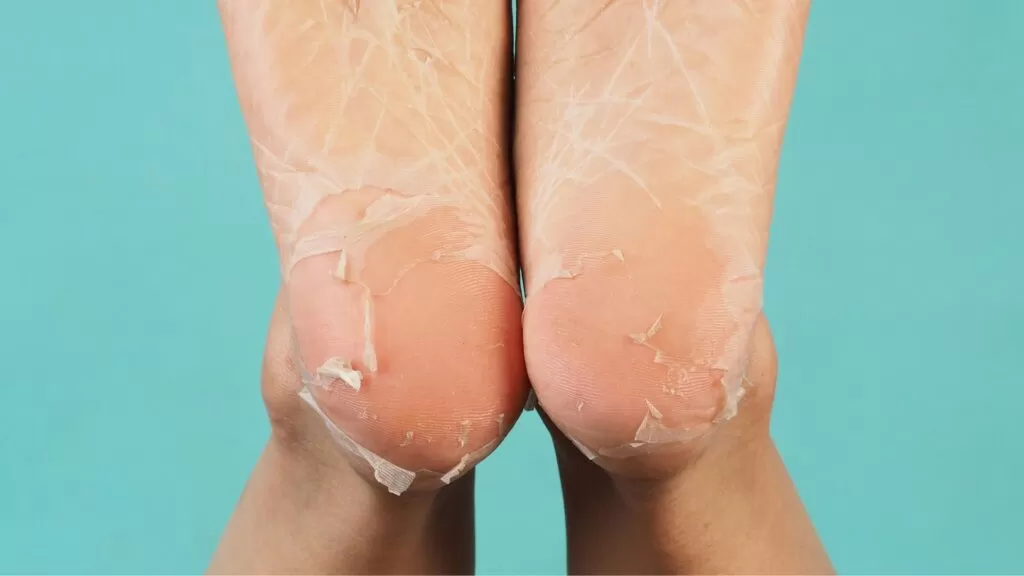
Peeling toes almost always come down to one of a few categories: dryness, moisture and friction, infection, or an underlying skin condition.
Dry skin, or xerosis, is the most common and mildest cause, while athlete’s foot is the most common infection-related cause, especially between the toes.
Sunburn, allergic reactions, and healing blisters round out the list of everyday triggers that most people can manage without a specialist.
Is Toe Peeling Normal or a Red Flag?
A small amount of flaking after a hot shower or a day in tight shoes is usually harmless and resolves with basic moisturizing.
The concern grows when peeling is constant, spreads to new areas, comes with pain or swelling, or does not improve after a couple of weeks of home care.
Watching for additional signs like odor, discoloration, or open cracks helps you judge how urgent the peeling really is.
What Is Xerosis (Dry Skin) on the Feet?
Xerosis is the medical term for dry skin, and it can affect the feet just as easily as any other part of the body.
It happens when the skin does not retain enough moisture to stay intact, which leads to flaking, cracking, and mild itchiness, especially around the heels and toes.
| Term | Meaning |
|---|---|
| Xerosis | Medical term for dry skin, a common cause of peeling feet and toes |
| Tinea pedis | Medical name for athlete’s foot, a fungal infection |
| Maceration | Skin softening and breakdown caused by prolonged moisture |
| Atopic dermatitis | Medical name for eczema |
Common Causes of Peeling Toes
There is rarely a single explanation for peeling toes. It can come from dryness, moisture, infection, or a skin condition, so it helps to look at each cause individually.
Below are the most frequently documented reasons toes peel, based on podiatric and dermatology sources.
Dry Skin (Xerosis)
Dry skin is the single most common reason for peeling feet and toes. It can result from cold weather, hot showers, harsh soaps, or simply aging skin that holds less moisture.
Regular moisturizing with a fragrance-free lotion or cream is usually enough to resolve dry skin peeling within a week or two.
Sweaty Feet and Trapped Moisture
When moisture stays trapped inside shoes for hours, the outer layer of skin softens and breaks down, a process called maceration.
This is especially common between the toes, where airflow is limited, and it often looks like soggy, white skin that later flakes or peels.
Athlete’s Foot (Tinea Pedis)
Athlete’s foot is a contagious fungal infection that usually begins between the toes and is picked up in warm, damp public places like locker rooms and pool decks.
Common symptoms include peeling, itching, redness, a foul odor, and sometimes small blisters, and it typically responds well to over-the-counter antifungal treatment.
Eczema (Atopic Dermatitis)
Eczema causes the immune system to overreact, which damages the skin’s moisture barrier and leads to dryness, cracking, and peeling on the feet and toes.
Flare-ups are often triggered by stress, allergens, or heat, and they tend to come and go rather than staying constant.
Psoriasis
Psoriasis is a chronic autoimmune condition that speeds up skin cell turnover, leading to thickened, scaling patches that can appear on the soles and toes.
Unlike a short-term irritation, psoriasis is a lifelong condition that is managed rather than fully cured, often with topical treatments prescribed by a dermatologist.
Sunburn
Sunburned toes are a common cause of sudden peeling, especially in summer when people forget to apply sunscreen to the tops of their feet.
The skin becomes red, tender, and warm to the touch before peeling for several days as it heals, and cool compresses can help ease the discomfort.
Shoe Contact Dermatitis
Shoe contact dermatitis is a skin reaction to materials in footwear such as certain glues, dyes, rubber, or nickel components.
It typically causes redness, itching, and peeling in the exact areas where the shoe material touches the skin, and it improves once the trigger is removed.
Healing Blisters
Blisters caused by friction or minor injury naturally peel as part of the healing process once the fluid has drained and new skin has formed underneath.
This type of peeling is temporary and localized to the exact spot where the blister formed.
Diabetes-Related Skin Changes
In people with diabetes, peeling skin between the toes can sometimes signal a sore that is not healing properly due to reduced circulation or nerve sensitivity.
Anyone with diabetes who notices unusual peeling, especially with numbness or slow healing, should have it checked by a healthcare provider promptly.
Nutritional Deficiencies
Deficiencies in certain vitamins, particularly B vitamins and zinc, can contribute to dry, flaking, or peeling skin, including on the feet and toes.
Improving overall diet or discussing supplements with a doctor can help resolve peeling linked to nutritional gaps.
Allergic Reactions
Contact with certain soaps, detergents, lotions, or fabric dyes can trigger an allergic skin reaction that leads to redness, itching, and peeling on the toes.
Identifying and removing the allergen usually clears the reaction within a few days to a couple of weeks.
Symptoms to Watch Alongside Toe Peeling
Peeling skin rarely tells the whole story on its own. The symptoms that show up alongside it are usually what help you and your doctor pin down the real cause.
Keeping a short note of when the peeling started and what else you notice can make a doctor’s visit far more useful.
| Symptom Seen With Peeling | Possible Cause |
|---|---|
| Itching between the toes | Athlete’s foot, eczema |
| Foul odor | Fungal infection |
| Redness and warmth | Sunburn, contact dermatitis, infection |
| Thickened, scaly patches | Psoriasis |
| Small fluid-filled blisters | Eczema, healing blister, fungal infection |
| Numbness or slow healing | Possible diabetes-related skin issue |
| Pain or swelling | Infection or injury needing evaluation |
When Toe Peeling Becomes a Medical Concern
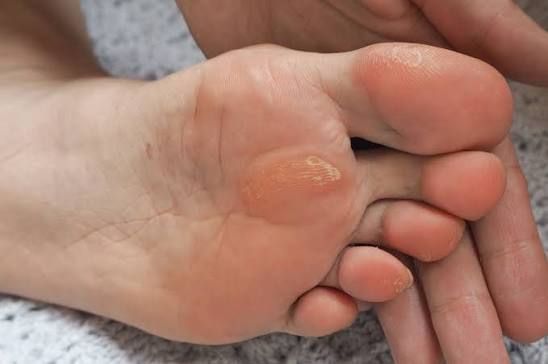
Most causes of peeling toes are mild and clear up with basic home care within one to two weeks.
You should seek medical attention if the peeling does not improve with home treatment, spreads rapidly, or comes with pain, swelling, or pus.
People with diabetes or circulation problems should be especially cautious, since even small sores on the feet can become serious if left untreated.
Signs like fever, spreading redness, or a foul discharge point toward infection and should be evaluated promptly rather than treated at home.
How Doctors Diagnose the Cause of Peeling Toes
A podiatrist or dermatologist typically starts with a visual exam and a history of when the peeling began and what activities or products may be involved.
If a fungal infection is suspected, a simple skin scraping can confirm the diagnosis quickly under a microscope or through a lab culture.
For suspected eczema or psoriasis, the pattern, location, and appearance of the peeling often guide diagnosis, though a biopsy is occasionally used in unclear cases.
Blood tests may be recommended if a nutritional deficiency or systemic condition like diabetes is suspected as an underlying cause.
How to Stop Your Toes From Peeling
Once you have a general sense of the cause, most cases of peeling toes respond well to consistent daily care.
The goal is to remove the trigger, protect the healing skin, and prevent the same conditions from causing peeling again.
Moisturize Daily
Apply a fragrance-free moisturizing lotion or cream to your feet daily, focusing on the toes and heels where dryness tends to be worst.
Change Socks When Damp
Swap out damp or sweaty socks promptly, and choose breathable materials like cotton over synthetic fabrics that trap moisture.
Dry Feet Thoroughly
After washing or swimming, dry your feet completely, paying close attention to the space between each toe where moisture likes to linger.
Use Antifungal Treatment if Needed
If athlete’s foot is suspected, an over-the-counter antifungal cream, spray, or powder used consistently for the full recommended course usually clears it up.
Wear Shoes in Public Wet Areas
Wearing sandals in locker rooms, showers, and pool decks reduces your risk of picking up fungal infections that cause peeling and itching.
Apply Sunscreen to Your Feet
Do not forget the tops of your feet when applying sunscreen, since sunburned toes are a common and preventable cause of peeling in warm weather.
Avoid Harsh Soaps and Long Hot Showers
Switching to a gentle, dye-free cleanser and shortening shower time can prevent the skin barrier from drying out and peeling.
Home Remedies and Relief Tips
Soaking feet briefly in lukewarm water followed by a thick moisturizer can help soften and heal mildly peeling skin.
Aloe vera gel or a cool compress can soothe peeling caused by sunburn, while antifungal powders help keep feet dry between treatments for athlete’s foot.
Consistency matters more than any single product. Daily foot care habits prevent most causes of peeling from coming back.
When to See a Doctor
You should schedule an appointment if home treatments have not helped after two to three weeks, or if the peeling is severe, painful, or spreading.
A visit is also important if you notice signs of infection, have diabetes, or suspect an underlying condition like psoriasis or eczema that needs prescription treatment.
Early diagnosis matters, since many of the causes behind peeling toes respond quickly once the correct treatment is started.
Prevention Tips
Keeping feet clean, dry, and moisturized on a daily basis prevents the majority of common peeling causes before they start.
Rotating shoes to let them fully dry between wears reduces the damp environment that fungal infections and maceration both need to thrive.
Routine checkups with a podiatrist, especially for people with diabetes, can catch minor skin issues early before they progress.
Related Skin Issues: Cracked Heels, Peeling Soles, Flaky Skin
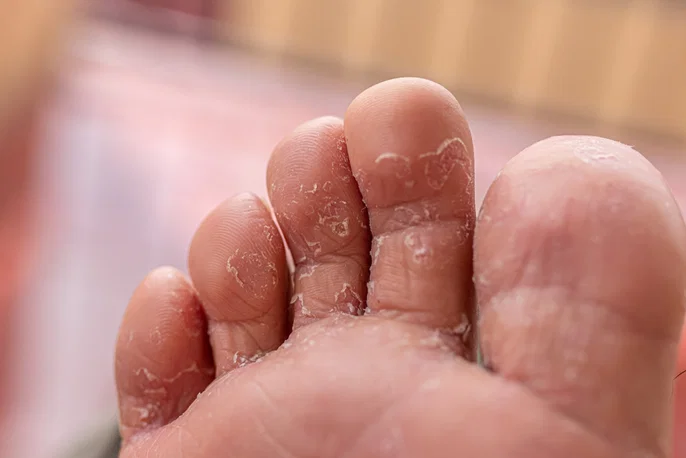
Toe peeling is closely related to other common foot skin issues such as cracked heels, peeling soles, and general flakiness across the foot.
The same causes and home care tips covered in this guide generally apply across these related conditions, since dryness, moisture, and fungal infections affect the whole foot similarly.
How Weather and Seasons Affect Peeling Toes
Cold, dry winter air pulls moisture out of the skin quickly, which is why many people notice more peeling and cracking on their feet during colder months.
Indoor heating adds to the problem by lowering humidity indoors, so feet that already tend toward dryness can worsen further without regular moisturizing.
Summer brings a different set of triggers, including sunburn on exposed toes and increased sweating inside closed shoes, both of which can lead to peeling in warmer weather.
Adjusting your foot care routine with the seasons, using richer moisturizers in winter and breathable footwear in summer, helps reduce peeling year-round.
Peeling Toes in Children vs Adults
Children can experience peeling toes for many of the same reasons as adults, though dry skin and mild irritation from new shoes tend to be more common triggers.
Athlete’s foot is less frequent in young children but becomes more common once kids start using shared locker rooms, showers, or pool areas at school or sports activities.
Adults are more likely to see peeling linked to long-term conditions like eczema, psoriasis, or diabetes-related skin changes, especially as skin naturally loses moisture with age.
Regardless of age, persistent peeling that does not improve with basic care is worth a doctor’s evaluation rather than ongoing guesswork at home.
Footwear Choices That Reduce Peeling
Shoes made from breathable materials like leather or canvas allow better airflow than synthetic materials, which helps prevent the moisture buildup that leads to peeling and fungal growth.
Properly fitted shoes also matter, since footwear that is too tight increases friction and sweating, both of which contribute to skin breakdown between the toes.
Rotating between at least two pairs of shoes gives each pair time to fully dry out, reducing the damp environment that fungus and maceration both need to develop.
Moisture-wicking socks, changed at least once a day, add another layer of protection against the sweat-related causes of peeling skin.
Diet and Hydration for Healthy Foot Skin
Staying well hydrated supports the skin’s natural moisture barrier throughout the body, including the feet, and can reduce the frequency of dry skin peeling.
A balanced diet with adequate healthy fats, vitamins, and minerals supports skin repair and reduces the likelihood of nutrient-related peeling issues.
While diet alone will not resolve fungal infections or eczema, it plays a supporting role in overall skin resilience and faster healing.
Products and Tools That Can Help
A few simple products can support the daily care routine covered earlier in this guide, especially for dry skin or moisture-related peeling.
| Tool | How It Helps |
|---|---|
| Fragrance-free foot cream | Restores moisture to dry, flaking skin |
| Moisture-wicking socks | Reduces sweat buildup and maceration |
| Over-the-counter antifungal spray | Treats and helps prevent athlete’s foot |
| Pumice stone | Gently removes dead skin without over-stripping |
| Broad-spectrum sunscreen | Prevents sunburn-related peeling on the feet |
None of these products replace a proper diagnosis when peeling is severe, persistent, or paired with other concerning symptoms.
Which People Are More Prone to Peeling Toes?
People who spend a lot of time in closed, non-breathable shoes, such as athletes or those in certain work environments, are more likely to develop moisture-related peeling.
Individuals with a personal or family history of eczema or psoriasis often see peeling flare up periodically, especially during stress or seasonal changes.
People with diabetes or circulation issues should pay closer attention to any foot skin changes, since their healing process can be slower and complications more serious.
Myths vs Facts About Peeling Toes
There is a lot of conflicting advice online about peeling skin on the feet, so it helps to separate common myths from what medical sources actually support.
| Myth | Fact |
|---|---|
| Peeling toes always mean a fungal infection | Dry skin, sunburn, and allergic reactions are just as common as fungal causes |
| Peeling skin should always be picked off | Picking can slow healing and increase infection risk |
| Only sweaty people get athlete’s foot | Anyone exposed to damp public areas can pick up the fungus |
| Moisturizer alone fixes every case | Fungal and allergic causes need targeted treatment, not just moisturizer |
| Peeling toes are never serious | In people with diabetes, peeling can signal a more serious problem |
A Quick Doctor Visit Checklist
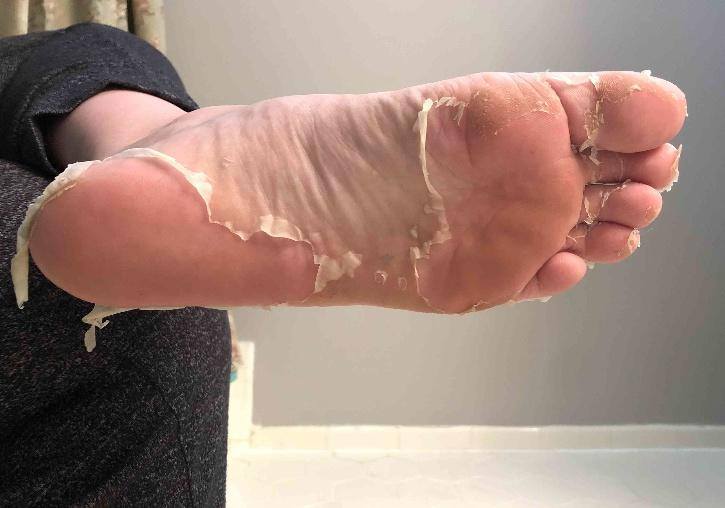
Before your appointment, note when the peeling started, whether it is on one foot or both, and if it comes with itching, odor, or pain.
List any new shoes, soaps, or activities you have started recently, since these details can point toward contact dermatitis or an environmental trigger.
Mention any existing conditions like diabetes, eczema, or psoriasis, as these change how a doctor approaches diagnosis and treatment.
Frequently Asked Questions (FAQs)
Why are my toes peeling but not itchy?
Non-itchy peeling is often linked to dry skin, sunburn, or a healing blister rather than an infection, which usually causes noticeable itching.
Is peeling skin between my toes always athlete’s foot?
Not always. It can also be caused by trapped moisture, eczema, or an allergic reaction, so persistent cases should be checked by a doctor.
Can peeling toes be a sign of a vitamin deficiency?
Yes, a lack of certain vitamins, particularly B vitamins and zinc, can contribute to dry, flaking skin on the feet and toes.
How long does it take for peeling toe skin to heal?
Most mild cases improve within one to two weeks with consistent moisturizing and proper foot hygiene.
Should I use antifungal cream even if I am not sure it’s athlete’s foot?
It is best to confirm the cause first, since antifungal cream will not help dry skin, eczema, or an allergic reaction.
Can shoes cause my toes to peel?
Yes, tight or non-breathable shoes trap moisture and friction, both of which can lead to peeling, especially between the toes.
Is toe peeling in diabetics different from normal peeling?
It can be. In diabetics, peeling may signal poor healing or reduced circulation, so it deserves closer medical attention.
Can sunburn really cause my toes to peel days later?
Yes, sunburned skin typically peels three to seven days after the burn as the damaged outer layer sheds and new skin forms.
What is the fastest way to treat dry, peeling toes at home?
Daily moisturizing with a fragrance-free cream, combined with gentle cleansing and thorough drying, usually brings the fastest improvement.
When should I see a podiatrist for peeling toes?
See a podiatrist if peeling persists beyond two to three weeks, worsens, or comes with pain, swelling, or signs of infection.
Conclusion
Peeling toes are usually nothing more than dry skin, trapped moisture, or a mild fungal infection, and most cases clear up with simple daily care like moisturizing, thorough drying, and clean, breathable socks.
Still, the same symptom can point to eczema, psoriasis, sunburn, an allergic reaction, or in some cases a sign worth watching closely if you have diabetes.
Paying attention to accompanying signs like itching, odor, pain, or slow healing helps you decide whether home remedies are enough or whether it is time to see a podiatrist or dermatologist.
With consistent foot care and a bit of attention to your symptoms, most peeling toes resolve quickly and rarely come back. When in doubt, a quick professional check gives you a clear answer and the right treatment plan.
