

Why does my pinky toe hurt even after a simple bump or a long day in tight shoes? It’s a question more people ask than you’d expect, since the fifth toe sits at the outer edge of the foot and takes constant pressure from footwear, furniture, and daily movement.
Pinky toe pain can range from a mild ache after a long walk to sharp, throbbing pain after an injury. Sometimes it clears up on its own within a day or two.
Other times, it points to something structural, like a bunionette, hammertoe, or hairline fracture that needs a podiatrist’s attention.
Quick Overview: Pinky Toe Pain at a Glance
Pinky toe pain almost always falls into one of three buckets: pressure-related irritation, sudden injury, or a structural foot condition.
Pressure-related issues include corns, calluses, and blisters from narrow shoes. These build up slowly and usually feel like burning or rubbing pain.
Sudden injuries come from stubbing the toe, dropping something on it, or twisting it during sports. These cause immediate sharp pain, swelling, and sometimes bruising.
Structural conditions like bunionettes, hammertoes, arthritis, or nerve irritation develop over months or years. They tend to cause recurring pain that gets worse with certain shoes.
Common Causes Table
| Cause | Typical Pain Feel | Onset Speed |
|---|---|---|
| Tight or narrow shoes | Rubbing, burning | Gradual |
| Stubbed toe or trauma | Sharp, throbbing | Sudden |
| Bunionette (tailor’s bunion) | Aching bump pain | Gradual |
| Hammertoe | Pressure, corn pain | Gradual |
| Stress fracture | Dull ache that worsens | Gradual to sudden |
| Broken toe | Intense, sharp pain | Sudden |
| Corns and calluses | Burning, tenderness | Gradual |
| Ingrown toenail | Throbbing near nail | Gradual |
| Gout or arthritis | Swelling, stiffness | Sudden flare-ups |
| Nerve irritation (neuroma) | Tingling, numbness | Gradual |
Tight or Ill-Fitting Shoes
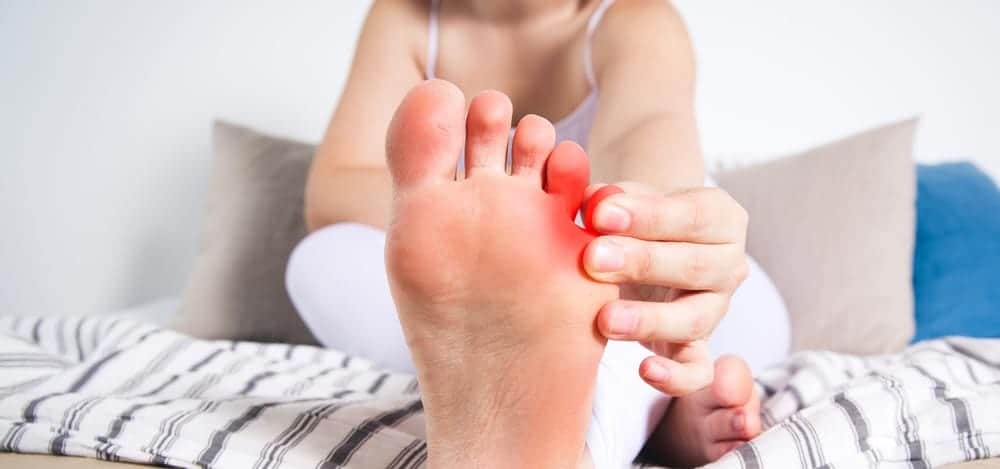
Narrow shoes are one of the most frequent reasons the pinky toe hurts. Constant squeezing creates friction every time you take a step.
Athletic shoes a size too small, pointed dress shoes, and high heels are the usual offenders. The toe gets pushed against its neighbor, causing redness and irritation.
Over time, this friction can thicken the skin into corns or calluses. Switching to a wider toe box often resolves the issue within a few weeks.
Stubbed Toe or Direct Trauma
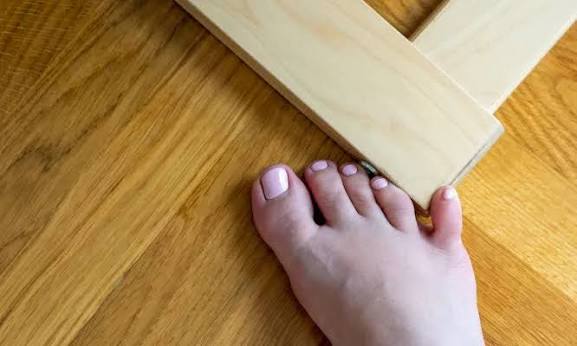
Stubbing your pinky toe against furniture is one of the most common accidental foot injuries. The pain is immediate and often intense for such a small body part.
Bruising, swelling, and difficulty wearing shoes usually follow within hours. Most stubbed toes heal within one to two weeks with rest and buddy taping.
If the pain doesn’t ease up, or the toe looks crooked, it may be more than a simple stub. A podiatrist visit is worth considering at that point.
Bunionette (Tailor’s Bunion)
A bunionette is a bony bump that forms on the outside of the foot near the base of the pinky toe. It’s essentially a smaller cousin of the classic big-toe bunion.
Common symptoms include a visible bump, redness, and swelling around the joint. Pain usually worsens with tight or narrow shoes.
Padding, wider shoes, and orthotic inserts help manage mild cases. Severe or worsening bunionettes sometimes require a small surgical correction.
Hammertoe of the Fifth Toe
A hammertoe happens when the toe joint bends abnormally instead of lying flat. On the pinky toe, this creates an unusual upward-then-downward curl.
This abnormal bend causes the toe to rub against the top or side of shoes. Corns, calluses, and chronic discomfort are common results.
Left untreated, a hammertoe can stiffen permanently and become harder to correct. Toe splints, padding, and roomier shoes are typical first-line treatments.
Stress Fracture From Repetitive Impact
Repeated pressure from running, dancing, or high-impact sports can create tiny hairline fractures in the pinky toe bone. These are different from a single traumatic break.
The pain often starts as a dull ache that worsens with activity and eases with rest. Swelling may be subtle rather than dramatic.
Stress fractures typically need reduced activity and supportive footwear for four to six weeks. An X-ray is usually needed to confirm the diagnosis.
Broken or Fractured Pinky Toe
Interestingly, many people are able to walk on a broken pinky toe without severe pain. That surprises most patients who assume a fracture always means agony.
Warning signs include persistent pain, clicking in the joint, visible bruising, or a toe that looks out of alignment. Swelling is also common.
Buddy taping to the neighboring toe and a stiff-soled shoe are common treatments. Severe breaks may require a splint or, rarely, surgical stabilization.
Corns and Calluses
Corns and calluses form when skin thickens in response to repeated friction or pressure. On the pinky toe, this usually happens along the outer edge or the tip.
These thickened areas can become quite tender, especially when squeezed inside narrow shoes. Redness and mild swelling may surround the area.
Regular moisturizing, protective padding, and properly fitted shoes usually resolve mild corns. Stubborn cases may need professional trimming by a podiatrist.
Ingrown Toenail
An ingrown toenail happens when the nail edge grows into the surrounding skin instead of straight out. The pinky toe’s small size makes it especially prone to this.
Throbbing pain, redness, and swelling near the nail edge are typical signs. In more advanced cases, the area may ooze fluid or show signs of infection.
Soaking the foot and trimming nails straight across can help mild cases. Recurring or infected ingrown nails often need a minor in-office procedure.
Gout and Arthritis
Gout is a form of arthritis caused by uric acid crystal buildup in the joints. While it most often hits the big toe, the pinky toe can flare up too.
Sudden, intense pain along with redness, warmth, and swelling are hallmark signs of a gout flare. Attacks often happen at night without warning.
Osteoarthritis in the toe joints causes a more gradual stiffness and ache. Both conditions benefit from medical evaluation and, often, medication.
Nerve Irritation or Neuroma
A neuroma is a thickened, irritated nerve, most commonly linked to the ball of the foot but capable of radiating pain toward the pinky toe.
Tingling, numbness, or a sensation like a pebble in the shoe are classic complaints. Pain often worsens with tight, narrow footwear.
Wider shoes, custom orthotics, and activity changes ease mild cases. Persistent neuromas sometimes need injections or a small procedure to resolve.
Symptoms Checklist
Not every pinky toe ache needs a doctor visit, but certain patterns are worth watching closely.
Mild symptoms include slight redness, minor swelling, or soreness that improves with rest and shoe changes.
Concerning symptoms include a crooked appearance, persistent swelling after several days, numbness, an open wound, or pain that keeps you from walking normally.
How Doctors Diagnose Pinky Toe Pain
A podiatrist typically starts with a physical exam, checking for pressure points, swelling, and range of motion in the toe.
If a fracture is suspected, an X-ray is usually the next step to confirm whether the bone is broken, cracked, or simply bruised.
For nerve-related pain or soft tissue concerns, doctors may recommend an ultrasound or MRI to get a clearer picture. Blood tests can help confirm gout.
Diagnosis Methods Table
| Suspected Cause | Common Diagnostic Tool |
|---|---|
| Fracture or stress fracture | X-ray |
| Bunionette or hammertoe | Physical exam, X-ray |
| Nerve irritation (neuroma) | Ultrasound or MRI |
| Gout | Blood test, joint fluid test |
| Corn, callus, ingrown nail | Visual and physical exam |
At-Home Care for Mild Pinky Toe Pain
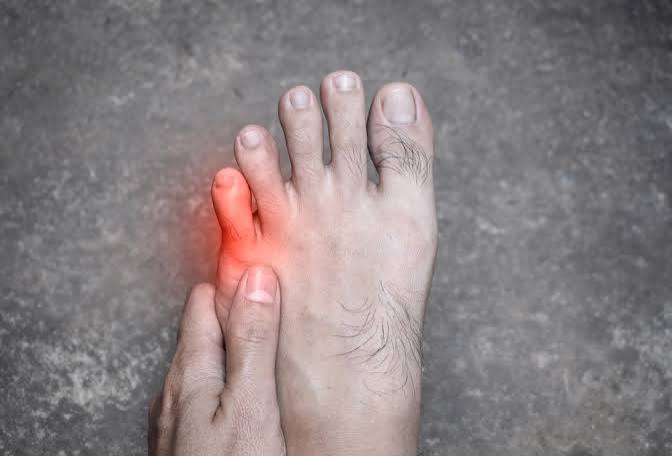
Rest and ice are the first steps for most minor pinky toe injuries. Applying ice for 15 to 20 minutes can reduce swelling quickly.
Buddy taping the pinky toe to the fourth toe adds stability and limits movement. This is especially helpful after a stub or minor sprain.
Switching to wider, cushioned shoes takes pressure off the toe immediately. Silicone toe protectors or padding also reduce friction during healing.
Medical Treatments When Home Care Isn’t Enough
Custom orthotic inserts help redistribute pressure away from the pinky toe for people with bunionettes or hammertoes. These are often the first medical-grade option tried.
Anti-inflammatory medications can ease pain and swelling from arthritis, gout flares, or acute injuries. A doctor can recommend the right option for your situation.
Surgery is reserved for severe, persistent cases like a badly deformed hammertoe, a large bunionette, or a fracture that hasn’t healed properly.
Treatment Options Table
| Condition | First-Line Treatment | If Symptoms Persist |
|---|---|---|
| Stubbed toe or bruise | Rest, ice, buddy tape | Podiatrist evaluation |
| Bunionette | Wider shoes, padding | Orthotics or surgery |
| Hammertoe | Toe splints, roomy shoes | Surgical correction |
| Stress fracture | Rest, stiff-soled shoe | Extended immobilization |
| Corn or callus | Moisturizer, padding | Professional trimming |
| Ingrown toenail | Soaking, proper trimming | Minor in-office procedure |
| Gout flare | Anti-inflammatory medication | Long-term uric acid management |
Choosing the Right Footwear to Protect Your Pinky Toe
Look for shoes with a toe box shaped closer to the natural outline of your foot rather than a tapered point. This gives the pinky toe room to sit flat.
Materials like soft leather or breathable mesh flex around the foot instead of pressing rigidly on the fifth toe. Stiff synthetic materials tend to cause more friction.
Getting your feet measured periodically matters too, since foot width can change slightly with age, weight changes, or pregnancy. A shoe that fit well last year may not fit the same now.
Related Conditions Worth Ruling Out
Sometimes pinky toe pain is actually referred pain from elsewhere in the foot, such as a metatarsal stress injury higher up. A podiatrist can help pinpoint the true source.
Peripheral neuropathy from conditions like diabetes can also cause tingling or pain that’s mistaken for a toe-specific problem. This is worth mentioning during a medical visit.
Skin infections like athlete’s foot or fungal nail infections can create discomfort around the pinky toe as well, separate from any structural or impact-related cause.
Prevention Tips for a Healthy Pinky Toe
Choosing shoes with a wide, rounded toe box is the single most effective prevention step. Your toes should never feel squeezed together.
Alternating shoe styles day to day reduces repetitive pressure on the same spot. This is especially useful if you wear heels or narrow dress shoes often.
Trimming toenails straight across and inspecting your feet regularly can catch small problems before they become painful ones.
Pinky Toe Pain While Running or Playing Sports
Athletes often notice pinky toe pain after cutting, sprinting, or repetitive turf contact. The constant impact stresses the small bones more than most people expect.
Turf toe, stress fractures, and toenail trauma are especially common in runners and field-sport athletes. Shoes that are too tight during high-impact movement make this worse.
Switching to sport-specific shoes with a roomier toe box and proper lacing can reduce repetitive stress significantly. Gradually increasing training intensity also helps prevent overuse injuries.
Sprain vs Fracture: How to Tell the Difference
A sprain involves stretched or torn ligaments around the toe joint, while a fracture involves an actual break in the bone. Both can look similar at first glance.
Sprains typically cause swelling and tenderness that improve steadily within a week. Fractures often involve sharper pain, visible bruising, and sometimes a popping or clicking sensation.
If you’re unsure which one you’re dealing with, an X-ray is the most reliable way to tell them apart. When in doubt, treat it like a fracture until confirmed otherwise.
Pinky Toe Pain in Children vs Adults
Children’s bones are still developing, which means fractures can sometimes involve the growth plate rather than the bone shaft itself. This requires careful evaluation.
Kids are also more likely to get pinky toe injuries from running barefoot or bumping into furniture during play. Bruising and swelling usually appear quickly.
Adults are more prone to structural causes like bunionettes, hammertoes, and arthritis that build up gradually over years. The underlying cause often shapes the right treatment approach.
Recovery Timeline for Common Pinky Toe Issues
| Condition | Typical Recovery Time |
|---|---|
| Minor stub or bruise | 3 to 7 days |
| Sprain | 1 to 2 weeks |
| Corn or callus (with shoe change) | 2 to 4 weeks |
| Stress fracture | 4 to 6 weeks |
| Broken toe (non-displaced) | 4 to 6 weeks |
| Bunionette or hammertoe (surgical cases) | 6 to 8 weeks |
Recovery times vary depending on how well you rest the toe and how quickly you address the underlying cause. Ignoring symptoms tends to extend healing time.
Following your podiatrist’s guidance on footwear, activity levels, and follow-up visits gives you the best chance of a full, lasting recovery.
When to See a Podiatrist
Persistent pain lasting more than a week, visible deformity, or a toe that looks crooked all warrant a professional evaluation.
Signs of infection, such as warmth, pus, red streaking, or fever, need prompt medical attention rather than home care alone.
Difficulty walking, repeated swelling, or pain that keeps returning even after shoe changes are strong signs it’s time to book an appointment.
Common Myths About Pinky Toe Pain
Many people believe that if you can walk on it, the toe isn’t broken. In reality, plenty of fractured pinky toes still allow walking with some discomfort.
Another myth is that nothing can be done for a broken toe besides waiting it out. While minor breaks often heal alone, taping, proper footwear, and monitoring speed up recovery and reduce complications.
Some also assume pinky toe pain always comes from an obvious injury. As covered above, gradual causes like bunionettes, arthritis, and nerve irritation are just as common.
Simple Daily Habits That Support Toe Health
Stretching your toes gently each morning keeps the small joints flexible and less prone to stiffness. This takes less than a minute and fits easily into any routine.
Going barefoot at home, on safe surfaces, lets your toes spread naturally instead of staying compressed all day. This can ease pressure built up from work shoes.
Checking your feet weekly for redness, corns, or early swelling helps you catch small issues before they turn into painful, longer-lasting problems.
Frequently Asked Questions (FAQs)
1. Why does my pinky toe hurt when I walk?
Walking pain is often caused by tight shoes, a hammertoe, or a corn rubbing against footwear. Bunionettes and mild sprains can also cause pain while walking.
2. Why does my pinky toe hurt without an injury?
Pain without a clear injury usually points to structural issues like a bunionette, hammertoe, or arthritis. Nerve irritation can also cause discomfort with no obvious cause.
3. How do I know if my pinky toe is broken?
Persistent pain, swelling, bruising, or a crooked appearance suggest a possible fracture. An X-ray at a podiatrist’s office confirms the diagnosis.
4. Can tight shoes really cause pinky toe pain?
Yes, narrow or ill-fitting shoes are one of the most common causes of pinky toe pain. They create friction, blisters, corns, and long-term irritation.
5. How long does pinky toe pain from a stub last?
Minor stubs typically improve within a few days to two weeks. Persistent pain beyond that timeframe may indicate a fracture or deeper injury.
6. Should I tape my pinky toe if it hurts?
Buddy taping to the neighboring toe adds support and limits painful movement. It’s a simple, effective step for minor injuries and sprains.
7. Can gout affect the pinky toe?
Yes, though it’s less common than the big toe, gout can cause sudden, intense pain and swelling in the pinky toe as well.
8. What shoes are best for pinky toe pain?
Shoes with a wide, rounded toe box and cushioned interior reduce pressure and friction. Avoid narrow, pointed, or high-heeled footwear during recovery.
9. When should I see a doctor for pinky toe pain?
See a podiatrist if pain persists over a week, the toe looks deformed, or you notice signs of infection like redness, warmth, or pus.
10. Can a pinky toe injury heal on its own?
Many minor injuries, like light stubs or mild corns, heal on their own with rest, ice, and better-fitting shoes within one to two weeks.
Conclusion
Pinky toe pain is common, but the causes behind it vary widely, from simple friction against tight shoes to fractures, bunionettes, hammertoes, and nerve irritation. Most mild cases respond well to rest, ice, buddy taping, and switching to wider, more supportive footwear.
However, persistent pain, visible deformity, numbness, or signs of infection are signals that home care isn’t enough. A podiatrist can pinpoint the exact cause through a physical exam, X-ray, or other diagnostic tools, then recommend the right treatment, whether that’s padding and orthotics or, in rare cases, surgery.
Paying attention to your pinky toe today can prevent small irritations from becoming long-term foot problems. Simple daily habits, like wearing properly fitted shoes and checking your feet regularly, go a long way in preventing repeat issues.
When in doubt, getting a professional evaluation is always the safer choice for lasting relief and healthy, pain-free steps. Your feet carry you through every part of your day, so even a small, nagging ache in your pinky toe deserves proper attention rather than being ignored.
