

Why do I hear static in my ear is a question that usually leads back to one word: tinnitus. Tinnitus is the perception of sound, like static, hissing, or ringing, when no outside noise is actually present.
It can be triggered by loud noise exposure, earwax buildup, ear infections, certain medications, or conditions like Meniere’s disease.
In most cases, static in the ear is temporary and harmless, especially after a loud concert or a cold. But persistent static, especially paired with hearing loss, dizziness, or a rhythmic heartbeat sound, can signal something that needs medical attention.
What Does Static in the Ear Actually Mean?

Static in the ear is a common way people describe tinnitus, a condition where the brain perceives sound without any real external source.
The sound can resemble radio static, white noise, hissing, buzzing, or a faint electrical hum.
Tinnitus is not a disease itself but a symptom that points to something happening in the ear, the auditory nerve, or the brain’s hearing pathways.
It affects a large portion of adults at some point, and most cases are mild and temporary rather than a sign of a serious problem.
Common Causes of Static in the Ear
Loud Noise Exposure
Loud noise exposure is one of the most frequent triggers of temporary static or ringing in the ears.
Concerts, headphone use at high volume, and workplace machinery can all damage the tiny hair cells inside the inner ear.
This type of static usually fades within a day or two once the ears recover from the noise exposure.
Repeated exposure without ear protection, however, can lead to permanent tinnitus and hearing loss over time.
Earwax Buildup
Earwax buildup, also called cerumen impaction, can block the ear canal and create a static or muffled sound.
As wax accumulates, it can press against the eardrum and interfere with normal sound transmission.
This type of static is often accompanied by a feeling of fullness or slightly reduced hearing in the affected ear.
Safe removal by a doctor, rather than cotton swabs, usually clears the static within minutes.
Ear Infections
Middle ear infections cause fluid and inflammation to build up behind the eardrum, which can create static, crackling, or popping sounds.
This is especially common in children but also occurs in adults after a cold or sinus infection.
Ear pain, mild fever, and temporary hearing changes often accompany infection-related static.
Most ear infections clear up with time, decongestants, or a short course of antibiotics if bacterial.
Eustachian Tube Dysfunction
The eustachian tube connects the middle ear to the back of the throat and helps equalize pressure.
When this tube becomes blocked by allergies, a cold, or congestion, it can create static, crackling, or a clogged feeling.
This static often changes when swallowing, yawning, or during air pressure changes, such as flying or driving through mountains.
Decongestants, nasal steroids, and the Valsalva maneuver often help relieve this type of static.
Age-Related Hearing Loss
Age-related hearing loss, called presbycusis, gradually damages the hair cells in the inner ear over decades.
As these cells wear down, the brain sometimes generates a constant background static or ringing to compensate.
This static tends to develop slowly and is often first noticed in quiet rooms or at night.
Hearing aids frequently reduce this type of static by restoring the missing sound input to the brain.
Medications (Ototoxicity)
Certain medications, including some antibiotics, NSAIDs, chemotherapy drugs, and high doses of aspirin, can damage the inner ear.
This drug-induced tinnitus often appears as static or ringing shortly after starting a new medication.
The static may fade after stopping the medication, though some damage can occasionally be permanent.
Always talk to a doctor before stopping a prescribed medication, even if you suspect it is causing the static.
Inner Ear and Neurological Causes
Meniere’s Disease
Meniere’s disease is an inner ear disorder caused by abnormal fluid buildup that affects balance and hearing.
It typically causes static or roaring tinnitus in one ear, along with vertigo, hearing loss, and a feeling of ear fullness.
Episodes can last minutes to hours and often come in unpredictable waves.
Treatment includes a low-sodium diet, diuretics, and in some cases, specialized inner ear procedures.
TMJ Disorders
The temporomandibular joint connects the jawbone to the skull and sits very close to the ear canal.
When this joint is inflamed or misaligned, it can create referred static, clicking, or popping sounds in the ear.
Jaw pain, clicking when chewing, and headaches often accompany TMJ-related ear static.
Mouth guards, physical therapy, and stress reduction are common first-line treatments.
Acoustic Neuroma
An acoustic neuroma is a rare, usually noncancerous tumor that grows on the nerve connecting the ear to the brain.
It often causes constant, high-pitched static or ringing in only one ear, along with gradual hearing loss.
Because it grows slowly, symptoms can be mistaken for ordinary tinnitus for months before diagnosis.
An MRI scan is typically used to confirm or rule out this condition when one-sided symptoms persist.
Pulsatile Tinnitus: A Different Type of Static

What Makes Pulsatile Tinnitus Different
Pulsatile tinnitus is a rhythmic, whooshing, or thumping static sound that beats in time with your heartbeat.
Unlike ordinary tinnitus, this type is sometimes considered objective, meaning a doctor can occasionally detect the sound too.
It usually points to blood flow near the ear rather than nerve or hair cell damage.
Anyone who notices a heartbeat-like static sound should mention it to a doctor rather than assume it will pass.
Common Causes of Pulsatile Tinnitus
| Cause | How It Creates Static |
|---|---|
| High blood pressure | Increases turbulent blood flow near the ear |
| Atherosclerosis | Narrowed arteries create noisy blood flow |
| Anemia | Increases blood flow speed and volume |
| Carotid artery issues | Blood vessel near the ear becomes noisy |
| Venous hum | Increased jugular vein flow, often when lying down |
| Pregnancy | Increased overall blood volume and heart output |
Static in One Ear vs. Both Ears
| Feature | One Ear Only | Both Ears |
|---|---|---|
| Common cause | Earwax, infection, acoustic neuroma | Noise exposure, age-related loss |
| Onset pattern | Often sudden or one-sided | Usually gradual |
| Associated risk | May need imaging if persistent | Often lifestyle or noise related |
| Urgency level | Higher if paired with hearing loss | Lower unless other symptoms appear |
Is Static in the Ear Serious? When to Worry
Occasional, brief static after a loud event or a cold is rarely a sign of anything serious.
However, static that is constant, worsening, or paired with other symptoms deserves a proper medical evaluation.
New static lasting more than 24 hours, especially if it is your first time experiencing it, should not be ignored.
The table below outlines symptoms that mean it is time to book an appointment.
| Symptom Combination | Level of Concern | Possible Cause |
|---|---|---|
| Static plus sudden hearing loss | Urgent | Sudden sensorineural hearing loss |
| Rhythmic, heartbeat-like static | Needs evaluation | Pulsatile tinnitus, vascular issue |
| Static with vertigo or nausea | Needs evaluation | Meniere’s disease |
| Static with ear discharge | Urgent | Infection or ruptured eardrum |
| Static only in one ear, persistent | Needs evaluation | Acoustic neuroma, blockage |
| Static after head injury | Urgent | Concussion, inner ear trauma |
| Static with facial numbness | Emergency | Neurological cause |
When Static in the Ear Needs Emergency Care
Sudden hearing loss in one ear, along with static or ringing, should be treated as a medical emergency within 24 to 72 hours.
Static accompanied by severe dizziness, facial drooping, slurred speech, or numbness needs immediate emergency evaluation.
A head injury followed by new static or ringing should also be assessed promptly to rule out inner ear damage.
Waiting too long with sudden-onset symptoms can reduce the chances of full hearing recovery.
How Doctors Diagnose the Cause of Static
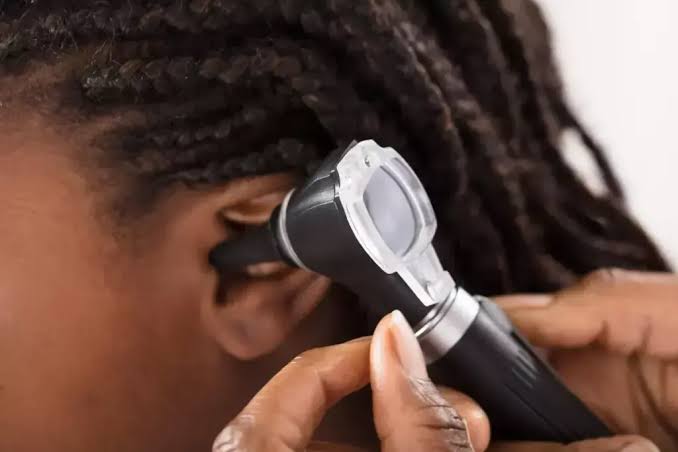
A doctor typically begins with an otoscope exam to check for earwax, infection, or eardrum damage.
A hearing test, called an audiogram, measures whether hearing loss is contributing to the static sensation.
For one-sided or pulsatile static, imaging such as an MRI or CT scan may be ordered to rule out tumors or blood vessel issues.
Blood pressure checks and blood tests can help identify anemia or cardiovascular contributors to pulsatile static.
Home Remedies and Self-Care Tips
Avoiding further loud noise exposure gives the inner ear hair cells a chance to recover from temporary static.
Reducing caffeine, alcohol, and salt intake may help ease symptoms linked to Meniere’s disease or blood flow issues.
Practicing stress-reduction techniques, such as deep breathing or gentle exercise, can lessen how noticeable the static feels.
Using a fan or white noise machine at night can help mask static and improve sleep quality.
Treatment Options Based on Cause
| Cause | Typical First-Line Treatment |
|---|---|
| Loud noise exposure | Rest, avoid further noise, ear protection |
| Earwax buildup | Professional earwax removal |
| Ear infection | Decongestants, antibiotics if bacterial |
| Eustachian tube dysfunction | Nasal steroids, decongestants |
| Age-related hearing loss | Hearing aids, sound therapy |
| Meniere’s disease | Low-sodium diet, diuretics |
| TMJ disorder | Mouth guard, physical therapy |
| Pulsatile tinnitus | Treat underlying vascular cause |
Sound Therapy and Long-Term Management
Sound therapy uses gentle background noise to make static less noticeable and less distracting during the day.
Cognitive behavioral therapy can help retrain how the brain reacts emotionally to persistent static, reducing its impact on daily life.
Hearing aids often double as tinnitus maskers for people whose static is linked to hearing loss.
Tracking triggers, like specific foods, stress levels, or sleep habits, can help identify what worsens static over time.
How to Prevent Static in the Ear
Wearing earplugs at concerts, while using power tools, or in other loud environments protects the delicate inner ear hair cells.
Keeping headphone volume below 60 percent and taking listening breaks reduces cumulative noise damage.
Managing blood pressure and cardiovascular health lowers the risk of pulsatile tinnitus later in life.
Treating colds, allergies, and sinus congestion promptly helps prevent eustachian tube-related static from developing.
Static in the Ear in Children
Children can experience static or crackling sounds due to ear infections, allergies, or fluid behind the eardrum.
A child who frequently tugs at their ear, seems inattentive, or complains of muffled hearing may be experiencing static-like symptoms.
Untreated fluid buildup in children can sometimes affect speech development if it persists for months.
A pediatrician or ENT can quickly check for infection or fluid using a simple ear exam.
Living with Chronic Static in the Ear
Chronic tinnitus, including static-like sounds, often becomes less noticeable over time as the brain adapts through a process called habituation.
Support groups and tinnitus retraining therapy can help people who find the static significantly disruptive to daily life.
Consistent sleep, stress management, and avoiding known triggers all contribute to better long-term symptom control.
Never assume constant static is something you simply have to live with without at least one proper hearing evaluation.
How to Prepare for a Doctor’s Visit
Note when the static started, whether it is constant or comes and goes, and whether it affects one or both ears.
Mention any recent loud noise exposure, new medications, colds, or head injuries that occurred around the same time.
List other symptoms like dizziness, hearing changes, or ear pain, since these details guide which tests are ordered.
Bringing this information to your appointment helps your doctor reach a diagnosis more efficiently.
Static vs. Other Ear Sounds: What’s the Difference?
People often use different words to describe tinnitus, and the exact sound can offer clues about the underlying cause.
A steady, electrical static or hiss is often linked to hearing loss or noise exposure rather than an infection.
Clicking or popping sounds tend to point toward eustachian tube movement or muscle spasms near the middle ear.
A roaring or low-pitched hum is more commonly associated with earwax blockages or Meniere’s disease.
| Sound Described | Likely Association |
|---|---|
| Static or hiss | Noise exposure, hearing loss |
| Clicking or popping | Eustachian tube, muscle spasm |
| Roaring or low hum | Earwax, Meniere’s disease |
| Whooshing with heartbeat | Pulsatile tinnitus, blood flow |
| High-pitched ringing | Age-related loss, medication effect |
Common Myths About Static in the Ear
Many people believe static in the ear always means permanent hearing damage, but most cases are temporary and manageable.
Another common myth is that nothing can be done about tinnitus, when in reality sound therapy, CBT, and treating the root cause often help significantly.
Some assume cotton swabs are a safe way to clear static caused by earwax, but swabs often push wax deeper and worsen the blockage.
It’s also a myth that static only affects older adults, since noise exposure and eustachian tube issues can cause it at any age.
Diet and Lifestyle Factors That Influence Static

Reducing sodium intake can help control fluid buildup linked to Meniere’s disease and related static symptoms.
Limiting caffeine and nicotine may reduce blood vessel constriction that sometimes intensifies pulsatile static.
Staying well hydrated supports healthy blood flow and may ease static tied to circulation issues.
Regular cardiovascular exercise supports healthy blood pressure, which lowers the risk of pulsatile tinnitus over time.
Static in the Ear After Flying or Diving
Air pressure changes during flights or scuba diving can temporarily block the eustachian tube and cause static or muffled hearing.
Swallowing, yawning, or chewing gum during altitude changes often helps the ears equalize and relieves the static.
Divers who experience persistent static after diving should be evaluated for barotrauma, a pressure-related ear injury.
Untreated barotrauma can occasionally lead to lasting hearing changes if pressure imbalances happen repeatedly.
Static in the Ear and Mental Health
Persistent static can be frustrating and may contribute to sleep problems, irritability, or difficulty concentrating.
Some people find their static feels louder during periods of high stress or poor sleep, creating a frustrating cycle.
Talking to a therapist or joining a tinnitus support group can help reduce the emotional toll of chronic static.
Addressing sleep quality and stress often indirectly makes the static feel less intrusive over time.
Frequently Asked Questions (FAQs)
Why do I hear static in my ear all of a sudden?
Sudden static often follows loud noise exposure, a cold, or earwax shifting in the ear canal.
If it appears with sudden hearing loss, see a doctor within 24 to 72 hours.
Is static in the ear the same as tinnitus?
Yes, static is simply one of the many ways people describe the sensation of tinnitus.
Others describe the same condition as ringing, hissing, buzzing, or roaring.
Can anxiety cause static in the ear?
Yes, stress and anxiety can heighten your awareness of existing tinnitus and make it feel louder.
Managing stress often reduces how bothersome the static sensation feels day to day.
Can earwax cause static sounds in the ear?
Yes, earwax buildup can block the ear canal and create static, crackling, or muffled hearing.
Professional removal usually resolves this type of static quickly and safely.
What does pulsatile tinnitus static feel like?
Pulsatile tinnitus feels like a rhythmic whooshing or thumping sound that matches your heartbeat.
This type should always be evaluated by a doctor to rule out blood vessel issues.
Can static in the ear go away on its own?
Yes, mild static from loud noise or a cold often resolves within a few days on its own.
Persistent or worsening static, however, needs a proper hearing evaluation.
Does static in one ear mean something more serious?
One-sided static can be more concerning, especially with hearing loss, and should be checked by a doctor.
It may point to earwax, infection, or in rare cases, a growth on the hearing nerve.
Can allergies cause static in my ear?
Yes, allergies can cause eustachian tube swelling, leading to pressure, crackling, or static sounds.
Antihistamines and nasal sprays often relieve allergy-related ear static.
What kind of doctor treats static in the ear?
An otolaryngologist, also called an ENT, specializes in diagnosing and treating ear-related static and tinnitus.
An audiologist can also test hearing and recommend sound therapy options.
Can high blood pressure cause static in the ear?
Yes, high blood pressure can increase turbulent blood flow near the ear, causing pulsatile static.
Managing blood pressure often reduces or resolves this specific type of ear noise.
Conclusion
Static in the ear is most often a form of tinnitus, and it can stem from loud noise exposure, earwax buildup, infections, eustachian tube issues, or age-related hearing changes.
Most cases are mild and fade within a few days, especially after avoiding further noise and letting the ears recover.
However, static paired with sudden hearing loss, dizziness, ear discharge, or a rhythmic heartbeat-like sound needs prompt medical attention.
Pulsatile tinnitus in particular should never be ignored, since it can point to blood vessel or cardiovascular issues.
An ENT specialist or audiologist can run simple tests to pinpoint the exact cause and recommend the right treatment, from earwax removal to hearing aids or sound therapy.
If your static is constant, worsening, or affecting your daily life, don’t wait to get it checked. This article is for informational purposes only and is not a substitute for professional medical advice.
