

Why does my cat have eye boogers is a question almost every cat owner asks at some point. A small amount of crust in the corners of the eyes, especially after sleep, is usually completely normal.
Eye boogers form when tear film components like mucus, dust, and dead cells collect and dry at the corner of the eye. In most cases, this is harmless and self-cleaning.
However, excessive, colored, or persistent discharge can point to allergies, infection, or a blocked tear duct.
Quick Answer: Why Cats Get Eye Boogers
Before the full breakdown, here is a fast summary table of the most common causes behind cat eye boogers.
| Cause | Typical Discharge Type |
|---|---|
| Normal tear film buildup | Small, grayish, dry crust |
| Allergies | Clear, watery discharge |
| Conjunctivitis | Yellow or thick mucus |
| Upper respiratory infection | Clear to colored, with sneezing |
| Blocked tear duct | Watery, constant tearing |
| Foreign object or trauma | Sudden, one-sided discharge |
| Corneal ulcer or uveitis | Red, green, or bloody discharge |
Each of these causes is explained in more detail throughout this guide.
What Are Cat Eye Boogers Exactly?
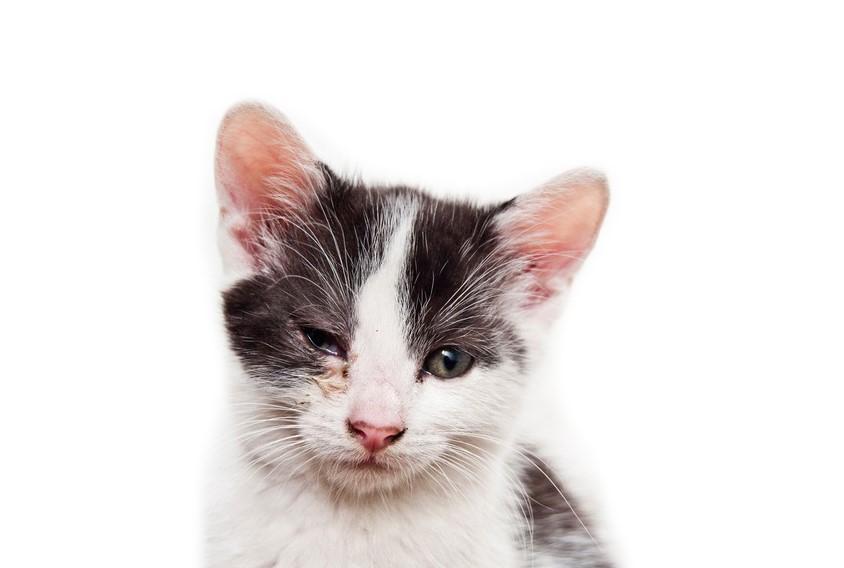
Eye boogers are dried remnants of tear film, made up of mucus, oil, water, and trapped debris.
This film protects the eye during the day, and while a cat sleeps, parts of it dry and collect in the inner corner. A small amount each morning is a normal part of feline eye maintenance.
Is It Normal for Cats to Have Eye Boogers Every Day?
Yes, a small amount of gray or light-colored crust after waking is considered completely normal.
The concern arises only when discharge continues throughout the day, increases in volume, or changes color. Daily light crust with no other symptoms is rarely a reason to worry.
Why Do Some Cat Breeds Get More Eye Boogers?
Flat-faced breeds like Persians and Himalayans are more prone to noticeable eye discharge due to their facial structure.
Their shortened tear ducts and shallow eye sockets make drainage less efficient. Owners of these breeds often need to clean their cat’s eyes more frequently than other breeds.
Common Cause: Allergies
Environmental allergens such as pollen, dust, mold, and certain cleaning products can trigger watery eyes in cats.
This reaction often comes with sneezing or mild skin irritation as well. Removing the irritant from the home environment usually reduces the discharge within a few days.
Common Cause: Conjunctivitis (Pink Eye)
Conjunctivitis is inflammation of the pink membrane lining the eyelid and is one of the most frequent causes of cat eye discharge.
It can result from viral or bacterial infection, or from irritants like smoke and dust. Symptoms typically include redness, swelling, and thicker discharge than usual.
Common Cause: Upper Respiratory Infections
Viral infections such as feline herpesvirus and calicivirus are leading causes of eye discharge paired with sneezing.
These infections are highly contagious, especially in multi-cat households or shelters. Veterinary treatment is usually needed to prevent the infection from worsening.
Common Cause: Blocked Tear Ducts
When the nasolacrimal duct becomes blocked, tears cannot drain normally and instead overflow onto the face.
This condition, called epiphora, is especially common in Persian and Himalayan cats. It often causes reddish-brown staining beneath the eyes over time.
Common Cause: Foreign Objects or Trauma
Dust, grass debris, or small particles can become lodged in a cat’s eye and cause sudden irritation.
This usually affects only one eye and comes on quickly. If your cat is pawing at one eye or squinting, a foreign object may be the cause.
Serious Cause: Corneal Ulcers and Uveitis
Corneal ulcers and uveitis are more serious conditions that can cause red, green, or bloody discharge.
These require immediate veterinary attention, as they can lead to permanent eye damage if left untreated. Pain, light sensitivity, and cloudiness often accompany these conditions.
What Do Different Eye Booger Colors Mean?
The color and texture of your cat’s eye discharge offers useful clues about the underlying cause.
| Discharge Color | Likely Meaning |
|---|---|
| Clear and watery | Irritant, allergy, or mild tearing |
| Gray or light crust | Normal tear film buildup |
| Yellow or thick mucus | Bacterial infection or conjunctivitis |
| Green | Serious infection, needs vet care |
| Red or brown | Porphyrin staining or bacterial buildup |
| Bloody | Injury, ulcer, urgent vet visit needed |
Any sudden color change from your cat’s normal baseline is worth monitoring closely.
Why Do Some Cats Have Reddish-Brown Eye Boogers?
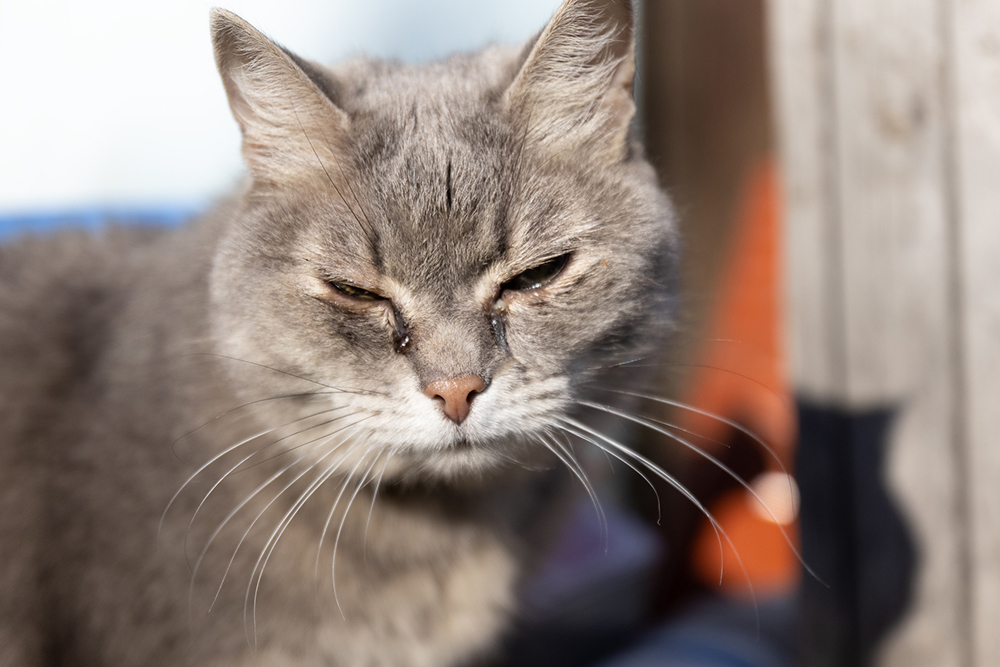
Reddish-brown staining is often linked to porphyrins, pigmented compounds sometimes present in tears, or to bacteria interacting with tear moisture.
This staining is more noticeable in light-colored cats. It is not always dangerous but should be monitored if it increases suddenly.
How to Safely Clean Your Cat’s Eye Boogers
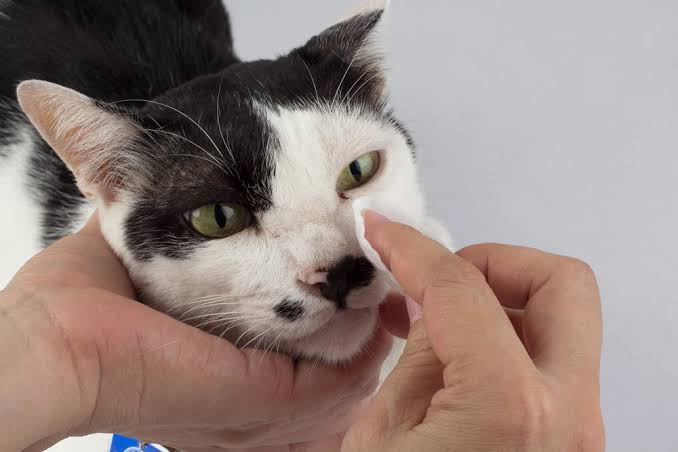
Cleaning mild eye discharge at home is simple and helps prevent skin irritation around the eye.
- Use a clean cotton ball or soft cloth
- Dampen it with warm water or saline solution
- Wipe gently from the inner corner outward
- Use a fresh cotton ball for each eye
Never use dry cotton, tissues, or household cleaning wipes near your cat’s eyes.
Loosening Stubborn, Crusty Discharge
Dried, crusty discharge can sometimes be uncomfortable to remove directly.
Hold a warm, damp cloth gently over the area for a few seconds first. This softens the crust and makes it much easier to wipe away without causing discomfort.
Symptoms That Mean You Should See a Vet
While mild discharge is normal, certain accompanying symptoms signal a need for professional care.
| Symptom | Why It Matters |
|---|---|
| Squinting or holding eye shut | Possible pain or injury |
| Swelling or redness | Sign of infection or inflammation |
| Green or bloody discharge | Serious infection or ulcer |
| Pawing at the eye repeatedly | Discomfort or foreign object |
| Discharge in only one eye suddenly | Possible trauma or localized issue |
| Discharge with sneezing or lethargy | Possible respiratory infection |
If two or more of these signs appear together, a same-week vet visit is recommended.
How Veterinarians Diagnose the Cause
A veterinarian will typically start with a physical eye exam using specialized lighting tools.
They may also perform a fluorescein stain test to check for corneal ulcers or scratches. In some cases, tear duct flushing or bloodwork is used to identify infections or blockages.
Treatment Options Based on Cause
Treatment for eye boogers depends heavily on the root cause identified by your vet.
| Cause | Common Treatment |
|---|---|
| Allergies | Removing irritant, antihistamines if needed |
| Conjunctivitis | Antibiotic or steroid eye ointment |
| Upper respiratory infection | Antiviral or antibiotic treatment, supportive care |
| Blocked tear duct | Saline flush, sometimes minor procedure |
| Foreign object | Careful removal, antibiotic drops |
| Corneal ulcer or uveitis | Prescription drops, pain management, monitoring |
Never use human eye drops or ointments on a cat without veterinary approval.
Can Diet Affect Eye Discharge in Cats?
While diet is not a primary cause of eye boogers, poor nutrition can weaken immune response over time.
A well-balanced diet supports overall immune health, which indirectly helps the body fight off minor infections. Hydration also plays a small role in tear quality and eye comfort.
How Stress Can Contribute to Eye Issues
Chronic stress can lower a cat’s immune resistance, making flare-ups of viral infections like herpesvirus more likely.
Environmental changes, new pets, or moving homes are common stress triggers. Reducing stress through routine and enrichment may help minimize recurring eye discharge in sensitive cats.
Preventing Eye Boogers Before They Start
A few consistent habits can significantly reduce how often your cat develops noticeable eye discharge.
- Keep bedding and litter areas clean and dust-free
- Avoid scented candles or heavy cleaning sprays near your cat
- Schedule regular veterinary check-ups
- Keep vaccinations current to prevent viral infections
Prevention is especially important for breeds prone to tear duct issues.
Eye Boogers in Kittens vs Adult Cats
Kittens are more vulnerable to upper respiratory infections due to underdeveloped immune systems.
Persistent eye discharge in a kitten should always be checked by a vet promptly. Adult cats, on the other hand, more commonly develop discharge from allergies or age-related tear duct changes.
Senior Cats and Increased Eye Discharge
Older cats may experience more frequent eye discharge due to weakened tear film production or chronic conditions.
Regular monitoring becomes more important with age, since senior cats are also more prone to underlying illnesses. Any new or worsening discharge in a senior cat warrants a vet visit.
Multi-Cat Households and Contagious Eye Infections
In homes with multiple cats, viral eye infections can spread quickly between pets.
Isolating an affected cat and washing hands between handling different cats helps limit spread. Shared bedding and food bowls should also be cleaned frequently during an active infection.
Myths About Cat Eye Boogers
There are a few common misunderstandings worth addressing about this topic.
| Myth | Reality |
|---|---|
| All eye discharge means infection | Small amounts are often just normal buildup |
| You should never touch a cat’s eyes | Gentle cleaning is safe and often necessary |
| Eye boogers always mean pain | Many cats show discharge with no discomfort at all |
| Only dirty cats get eye boogers | Even well-groomed cats develop tear film buildup |
Understanding these myths helps owners respond calmly rather than panicking over normal discharge.
Key Takeaways at a Glance
Here is a condensed summary of the most important points from this guide.
| Key Point | Takeaway |
|---|---|
| Is daily light discharge normal | Yes, in most healthy cats |
| Main cause of concern | Color change, volume increase, or added symptoms |
| Safest home care | Warm, damp cloth cleaning only |
| When to see a vet | Squinting, swelling, colored or bloody discharge |
| Breeds needing extra care | Persians, Himalayans, and other flat-faced cats |
Keep this table as a quick reference the next time you notice a change in your cat’s eyes.
The Anatomy Behind Cat Tear Production
Cats produce tears continuously through the lacrimal glands located above each eye.
This tear film is made of three layers: an oily outer layer, a watery middle layer, and a mucus inner layer. Each layer plays a role in protecting, lubricating, and nourishing the surface of the eye.
How the Nasolacrimal System Normally Works
Under normal conditions, tears drain through tiny openings called puncta into the nasolacrimal duct, which leads to the nasal cavity.
This is why cats rarely appear to “cry” visibly the way humans do. When this drainage system is blocked or overwhelmed, excess tears spill onto the face instead, leading to visible discharge.
Third Eyelid Issues and Eye Discharge
Cats have a third eyelid, called the nictitating membrane, which helps protect the eye and spread tears evenly.
When a cat is unwell or in pain, this membrane may partially cover the eye and become more visible. A visible third eyelid alongside discharge often signals illness and should be checked by a vet.
Environmental Triggers Around the Home
Many everyday household items can unexpectedly irritate a cat’s eyes and increase discharge.
| Household Trigger | Effect on Eyes |
|---|---|
| Scented candles or diffusers | Can cause watery, irritated eyes |
| Certain cat litters (dusty types) | May trigger sneezing and tearing |
| Cigarette or fireplace smoke | Common irritant for sensitive eyes |
| Strong cleaning sprays | Can cause temporary redness and discharge |
| Air fresheners | May contribute to chronic mild irritation |
Switching to low-dust litter and unscented cleaning products often reduces mild, recurring discharge.
The Role of Humidity and Air Quality
Very dry indoor air, especially during winter heating season, can increase tear evaporation and irritation.
Using a humidifier in dry climates may help reduce minor eye discomfort. Good ventilation also reduces dust and allergen buildup that can contribute to discharge.
Understanding Chronic vs Acute Eye Discharge
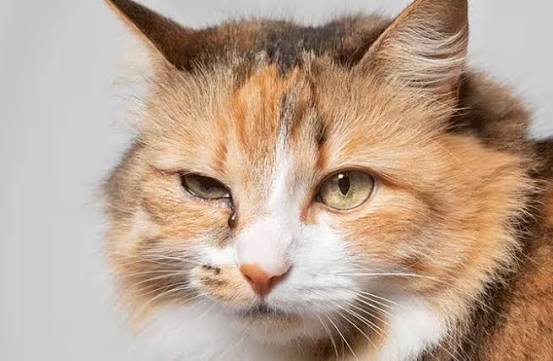
Acute discharge appears suddenly and is often linked to a specific trigger like dust or a minor scratch.
Chronic discharge persists over weeks or months and usually points to an ongoing issue such as allergies, a structural problem, or a lingering viral infection. Distinguishing between the two helps guide whether home care or veterinary care is the right next step.
How Often Should You Clean a Cat’s Eyes?
For cats with minimal, normal discharge, cleaning once every few days is usually enough.
Breeds prone to heavier tearing, like Persians, may need daily cleaning to prevent staining and skin irritation. Always observe your cat’s individual pattern rather than following a fixed schedule.
Products That Can Help Manage Mild Discharge
Several vet-approved products are designed specifically to help manage everyday eye discharge in cats.
| Product Type | Purpose |
|---|---|
| Saline eye wash | Gently flushes debris and soothes irritation |
| Tear stain wipes | Helps reduce staining in light-colored cats |
| Sterile eye pads | Convenient for quick, gentle cleaning |
| Vet-prescribed drops | Targets specific infections or inflammation |
Always check with your vet before introducing a new product, especially for cats with sensitive eyes.
What NOT to Use on a Cat’s Eyes
Certain common household items should never be used near a cat’s eyes, even for mild discharge.
- Human eye drops or artificial tears without vet approval
- Alcohol-based wipes or hand sanitizer
- Dry tissues, which can scratch the eye surface
- Essential oils or diluted vinegar solutions
Using the wrong product can worsen irritation or cause a more serious injury.
How Long Does It Take for Eye Discharge to Clear Up?
Mild, irritant-based discharge often clears within one to three days once the trigger is removed.
Infections typically take one to two weeks with proper veterinary treatment. If discharge has not improved after three to four days of home care, a vet visit is strongly recommended.
Long-Term Outlook for Cats With Eye Discharge
Most cats with occasional eye boogers go on to live completely normal, healthy lives without lasting effects.
Even cats with chronic conditions like herpesvirus can usually be managed successfully with occasional flare-up treatment. Early attention to changes in discharge is the biggest factor in avoiding long-term eye damage.
Tips for Keeping Your Cat’s Eyes Healthy Long-Term
A consistent routine goes a long way in preventing recurring eye discharge and related discomfort.
- Groom regularly to catch early changes in eye appearance
- Keep the home environment low in dust and strong scents
- Feed a balanced diet to support overall immune health
- Stay current on vaccinations to reduce viral infection risk
These habits, combined with routine vet visits, help catch problems early before they escalate.
Frequently Asked Questions (FAQs)
Why does my cat have eye boogers every morning?
This is usually normal tear film residue that dries overnight while your cat sleeps. As long as it clears easily and no redness or swelling appears, it is not a concern.
Are cat eye boogers a sign of infection?
Not always, but yellow, green, or thick discharge often is a sign of infection. Clear or light gray crust is typically just normal daily buildup and nothing to worry about.
What color eye boogers should worry me?
Green, bloody, or dark discharge paired with redness needs urgent attention. These colors often signal infection or injury.
Can I clean my cat’s eye boogers myself?
Yes, using a warm, damp cloth or cotton ball is safe. Always wipe gently from the inner corner outward.
Why does only one of my cat’s eyes have discharge?
This often points to a foreign object or localized irritation. A vet visit is recommended if it does not resolve within a day.
Do certain cat breeds get more eye boogers?
Yes, flat-faced breeds like Persians are more prone to this. Their facial structure makes tear drainage less efficient.
Can allergies cause my cat’s eye boogers?
Yes, dust, pollen, and mold are common allergy triggers. Removing the irritant often reduces discharge within days.
Is it normal for kittens to have more eye discharge?
Kittens are more prone to upper respiratory infections. Persistent discharge in kittens should always be checked by a vet.
Can stress cause eye discharge in cats?
Yes, stress can weaken immune defenses and trigger flare-ups. This is especially true for cats carrying dormant herpesvirus.
When should I take my cat to the vet for eye boogers?
See a vet if discharge is colored, excessive, or paired with squinting or swelling. Sudden changes limited to one eye, or discharge that lasts more than a few days, also warrant prompt attention.
Conclusion
So, why does my cat have eye boogers? In most healthy cats, a small amount of light discharge after sleep is completely normal and simply part of the tear film cycle.
Problems arise when discharge becomes excessive, changes color, or appears alongside redness, squinting, or sneezing.
Gentle at-home cleaning with a warm, damp cloth handles most mild cases safely. Watch closely for green, bloody, or one-sided discharge, since these often signal infection, injury, or a more serious eye condition.
When in doubt, a quick veterinary check offers peace of mind and protects your cat’s long-term eye health. Staying observant today can prevent small issues from becoming bigger problems tomorrow.
