

Why are Jellycats so expensive is one of the most searched questions among plush toy buyers in 2026.
These irresistibly soft stuffed animals from the British brand Jellycat carry price tags that genuinely surprise first-time shoppers.
A small keychain costs around $25, a medium bunny runs $40 to $60, and giant sizes can easily exceed $200.
But once you understand what goes into every stitch, every fabric choice, and every ethical decision behind the brand, the price starts to make complete sense.
What Is Jellycat and Where Did It Come From
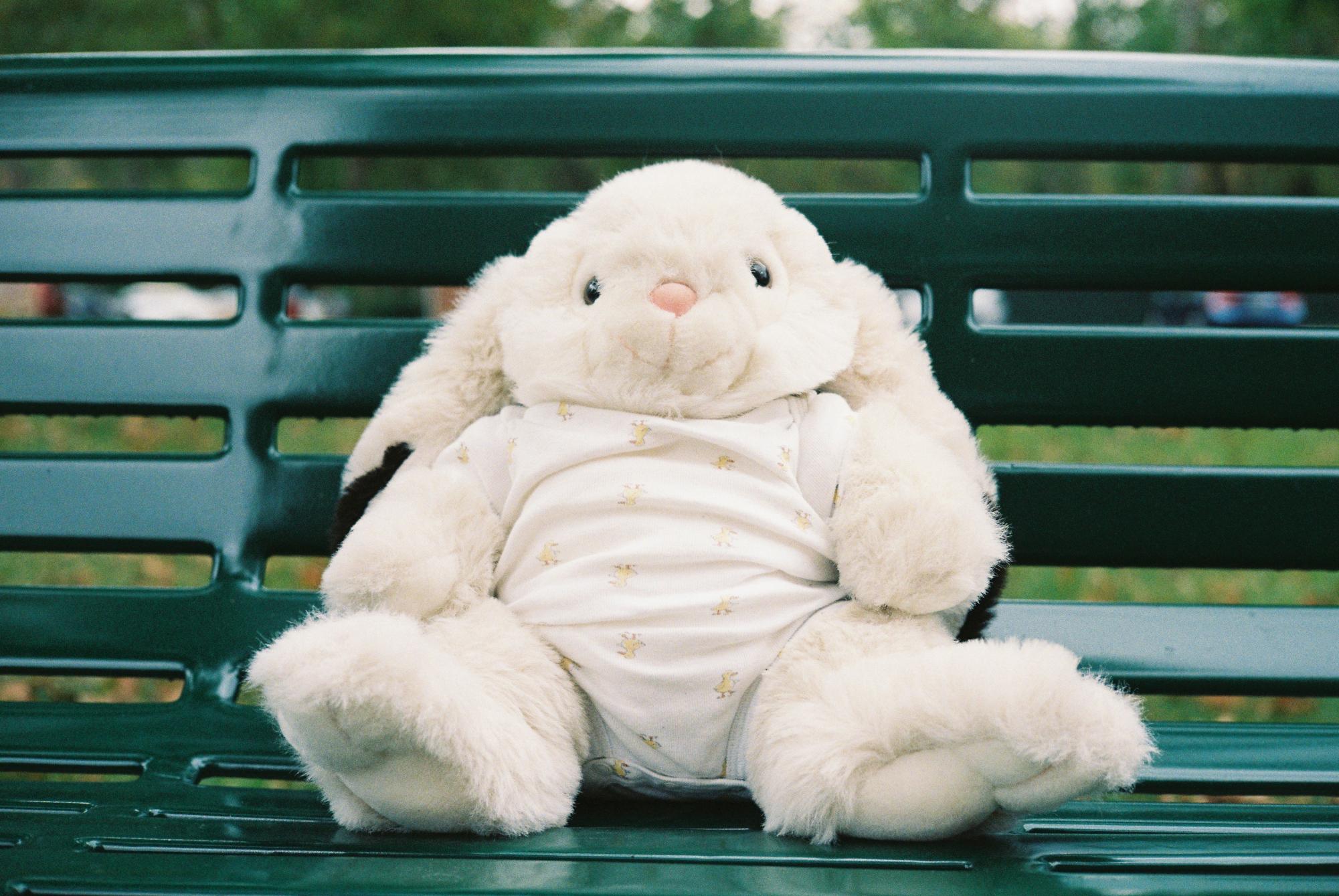
Jellycat was founded in London in 1999 by brothers Thomas and William Gatacre. The brand started with a small collection of soft, whimsical plush toys that stood out immediately from conventional stuffed animals on the market.
The name “Jellycat” came about when Thomas’s son randomly combined the words “jelly” and “cat.” That playful, accidental name perfectly captured the brand’s quirky, warm personality from the very beginning.
By the mid-2010s, Jellycat had grown from a niche British brand into a global phenomenon shipping to over 50 countries. In 2025, the brand’s profits doubled year over year, with owners receiving more than $100 million in dividends.
How Much Do Jellycats Actually Cost
Jellycat products span a wide price range depending on size, design, and exclusivity.
| Product Type | Price Range (USD) |
|---|---|
| Bag charms / keychains | $18 – $30 |
| Small plush (under 7 inches) | $20 – $35 |
| Medium plush (7 – 12 inches) | $35 – $60 |
| Large plush (12 – 20 inches) | $60 – $120 |
| Giant / oversized plush | $120 – $250+ |
| Retired rare designs (resale) | $150 – $2,000+ |
These prices are for official retail. On the secondary market, retired Bashful Bunnies have sold for over $2,000 on eBay. Limited colorways regularly clear $500 among collectors.
Reason 1: Ultra-Premium Fabric Quality
The single biggest driver of Jellycat’s price is the fabric. Jellycat uses proprietary polyester plush blends that are engineered specifically for maximum softness and long-term durability.
The signature texture — often described as silky, velvety, or cloud-like — is not found in any mass-market stuffed animal. It is the result of careful material sourcing and testing across dozens of fabric samples before any design is approved.
This is why cuddling a Jellycat feels genuinely different. The sensory experience is a deliberate product decision, not a happy accident, and premium materials carry premium costs.
Reason 2: Intensive Design and Development Process
Every single Jellycat design begins as a hand-drawn sketch. From there, it goes through an intensive development process involving in-house textile artists and designers.
A single character can go through 15 or more fabric samples before receiving final approval. The team focuses on texture, proportion, facial expression, and the overall personality of each piece.
No two Jellycat characters feel generic. Each one has a distinct look and identity — a grumpy frog, a bashful bunny, a sad rat, a grinning avocado. This level of creative investment adds significant labor cost before a single toy ever reaches a store shelf.
Reason 3: Handcrafted Details and Superior Construction
Jellycat toys are not mass-produced on fully automated assembly lines. Many finishing details — including facial features, stitching, and embroidery — are applied by hand.
Hand-embroidered eyes are used on many designs instead of plastic safety eyes. This eliminates choking hazards for infants and toddlers and reflects a deliberate commitment to quality over cost-cutting.
The construction is reinforced with durable stitching specifically designed to withstand years of daily cuddling, travel, and repeated machine washing. Budget stuffed animals often lose their shape after a few months. Jellycats routinely last a decade or more.
Reason 4: Strict Safety Testing and Certifications
Jellycat takes toy safety to a level that far exceeds the minimum legal requirements. All fabrics are regularly tested for restricted chemicals under multiple international standards.
Standards Jellycat Meets or Exceeds:
| Regulation | Region | What It Covers |
|---|---|---|
| REACH | European Union | Restricted chemical substances |
| Toy Safety Directive EN71 | EU / UK | Physical and chemical toy safety |
| California Prop 65 | USA | Toxic chemical warnings |
| CPSIA | USA | Children’s product safety |
| Hypoallergenic standards | Global | Safe for sensitive skin |
Meeting and maintaining all of these certifications requires ongoing laboratory testing, documentation, and compliance investment. These costs are reflected in the final retail price.
Reason 5: Ethical Manufacturing and Fair Labor
Most cheap stuffed animals on the market are manufactured through highly exploitative labor practices, which is exactly what allows them to be sold so cheaply.
Jellycat operates completely differently. The brand follows the Modern Slavery Act of 2015, which eliminates the possibility of underpaying or overworking employees anywhere in its supply chain.
In 2018, Jellycat introduced its Responsible Sourcing Code of Practice, which governs labor standards from manufacturer through to supplier. Yearly factory reviews include worker interviews, pay audits, and on-site inspections. Paying fair wages costs more — and that cost is passed on honestly to the customer.
Reason 6: Sustainability Commitments
Jellycat has been actively transitioning away from plastic packaging. Suppliers have noticed the shift from plastic bags and plastic tags to boxes and string as part of an ongoing sustainability push.
The brand is also exploring eco-friendly materials and more sustainable manufacturing processes for future collections.
These environmental commitments cost money to implement and maintain. They also reflect a broader brand value that resonates with consumers who are willing to pay more for products aligned with their ethics.
Reason 7: Limited Editions and the Retirement Model
Jellycat does not run unlimited production on any design. They produce a set quantity, sell through, and then retire the design permanently. It never comes back.
This retirement model is borrowed directly from luxury fashion. It creates genuine scarcity, drives collector urgency, and fuels a thriving secondary resale market where prices can far exceed original retail.
Seasonal drops — Valentine’s Day, Spring, Halloween, Christmas — regularly sell out months before the actual holiday. The 2026 Spring collection sold out within days of release. New collectors learn quickly: buy at retail today or pay multiples later.
Reason 8: Brand Elevation Strategy
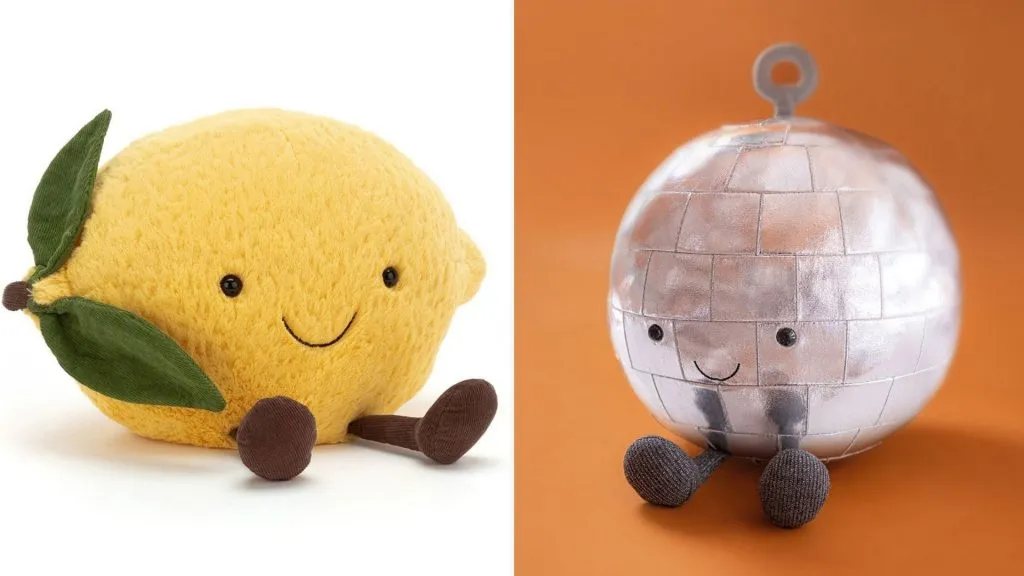
In June 2025, Jellycat made headlines by cutting off approximately 100 independent stockists in the United Kingdom, citing its “brand elevation strategy.”
This was a deliberate move to control where and how Jellycat products are sold, ensuring the brand is only available through carefully selected retail partners that meet its standards.
Limiting distribution is a classic luxury brand tactic. Scarcity of availability reinforces the perception of premium value. You cannot buy a Jellycat just anywhere — and that exclusivity is part of what you are paying for.
Reason 9: The Viral Social Media Effect
Jellycat’s TikTok account has 2.5 million followers and 35.2 million likes. TikTok content featuring Jellycat across all creators has generated hundreds of millions of views globally.
Viral moments — pop-up events, themed collaborations, experiential retail installations — consistently trend across platforms. The brand’s immersive pop-up events, such as the Jellycat Diner at FAO Schwarz in New York, the Jellycat Patisserie in Paris, and the Space Experience in Seoul, have all generated enormous organic social media coverage.
This kind of cultural visibility drives demand that far exceeds supply, which gives Jellycat no economic reason to lower prices. High demand plus controlled supply equals premium pricing.
Reason 10: The Kidult Market and Emotional Value
Adults now account for 28% of all toy sales worldwide, spending more than any other single consumer group. This is what the industry calls the “kidult” trend — adults buying toys for themselves.
Jellycat sits at the center of this movement. Its designs appeal to adults as comfort objects, sentimental keepsakes, anxiety aids, and symbols of self-care. The brand is used by occupational therapists for sensory processing, recommended by psychologists for anxiety and dementia patients, and adopted by universities in “stress buddy” programs during exams.
When a product carries genuine emotional and therapeutic value for adults, the price ceiling rises considerably. A $50 Jellycat that provides daily comfort is not competing with a $10 toy — it is competing with other self-care purchases like candles, books, or skincare.
Reason 11: Celebrity Endorsement and Cultural Status
Jellycat has quietly become the plush brand of choice for celebrities and cultural figures who want comfort without appearing childish.
From Taylor Swift’s rumored Bashful Bunny collection to Emma Watson’s spotted Cordy Roy Fox, celebrity association has added aspirational value to the brand. In early 2026, a teenager named Hope Roberts from Bedford, England earned a Guinness World Record for her Jellycat collection of 877 items.
This kind of cultural cachet — world records, celebrity sightings, viral collections — reinforces Jellycat’s status as something more than a toy. It is a lifestyle object, and lifestyle objects carry lifestyle pricing.
The Secondary Market: Where Prices Get Extreme
The secondary market for Jellycat is real, thriving, and sometimes shocking in its price points.
| Design | Retail Price | Secondary Market Price |
|---|---|---|
| Retired Bashful Bunny (rare colorway) | $35 – $45 | $500 – $2,000+ |
| Limited seasonal editions | $25 – $60 | $150 – $400 |
| Event-exclusive designs | $40 – $80 | $200 – $600 |
| Mid-range retired designs | $30 – $50 | $150 – $250 |
| Space Collection (2026) | ~$45 | Trending upward |
This secondary market exists because the retirement model creates genuine scarcity. Once a design is gone, the only source is other collectors. That is not a flaw in Jellycat’s strategy — it is the strategy.
Are Jellycats Worth the Price
The answer depends entirely on what you value. For a parent buying a durable, safe, hypoallergenic soft toy for a child, the cost-per-year calculation often favors Jellycat over cheaper alternatives that fall apart quickly.
For a collector, Jellycat offers something rare: a plush toy brand with genuine resale value and cultural cachet. Limited editions appreciate rather than depreciate.
For an adult buying one as a comfort object or gift, the emotional value and craftsmanship are clearly visible and tangible the moment you hold one.
The people who find Jellycats overpriced are usually comparing them to mass-market stuffed animals. That comparison misses the point entirely. Jellycat is not competing with $10 toys. It is a premium product in a luxury category, and its pricing reflects that honestly.
How to Get the Best Value From Jellycat
You do not need to pay resale prices to enjoy Jellycat. Here are practical ways to get better value:
Buy at retail from authorized stockists. Jellycat’s website and official retail partners are always the best price. Avoid unofficial resellers for new releases.
Act fast on seasonal drops. Holiday editions and limited collections sell out quickly. Set a reminder for launch dates if you know a drop is coming.
Buy classic designs. Core characters like the Bashful Bunny in standard colorways are restocked regularly and are more accessible than seasonal exclusives.
Check for multi-size options. Many designs come in small, medium, large, and giant sizes. The smaller sizes offer the same materials and quality at a much lower price point.
Sign up for retailer newsletters. Official stockists often give early access or advance notice of new drops to email subscribers.
Jellycat vs. Competing Luxury Plush Brands
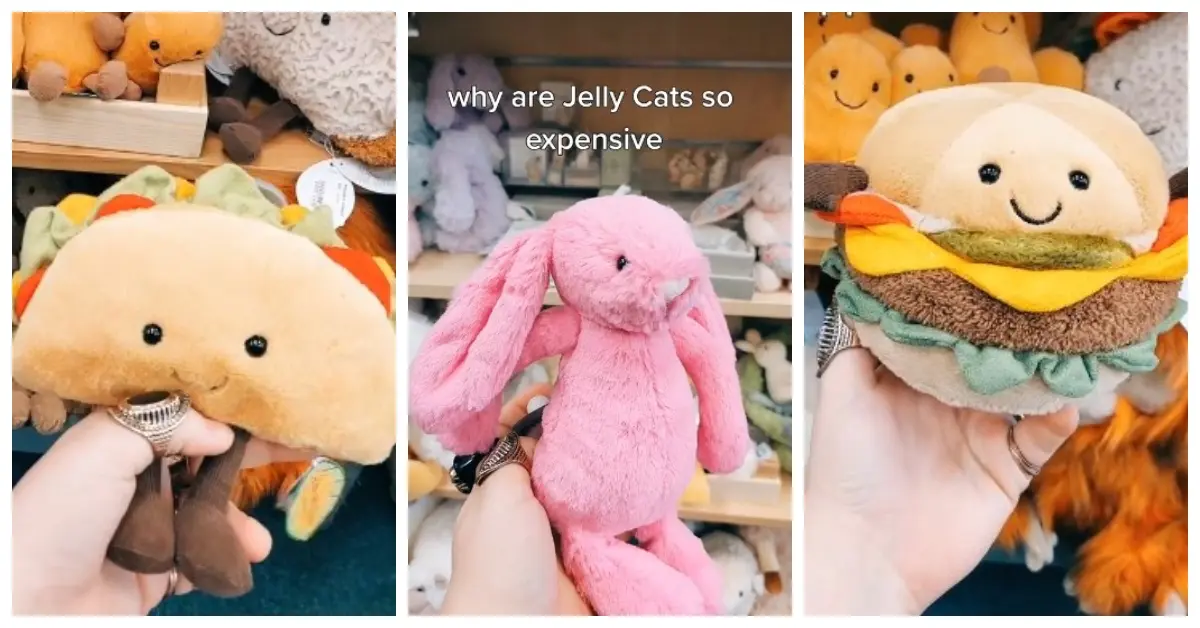
Jellycat is not the only premium plush brand on the market. How does it compare to its closest competitors?
| Brand | Founded | Price Range | Known For |
|---|---|---|---|
| Jellycat | 1999, London | $18 – $250+ | Unique designs, retirement model |
| Steiff | 1880, Germany | $30 – $500+ | Heritage, mohair fabric, button in ear |
| Gund | 1898, USA | $15 – $100 | Classic teddy bears, baby safety |
| Squishmallows | 2017, USA | $10 – $80 | Marshmallow texture, wide availability |
| Russ Berrie | 1950, USA | $15 – $60 | Traditional plush, gift market |
Jellycat occupies a unique space: more accessible than Steiff, more distinctive than Gund, and more design-focused than Squishmallows. It is the brand that best bridges the gap between mass-market affordability and genuine luxury.
The Luxury Soft Toy Market in 2026
The soft toy market does not show any signs of slowing down. The luxury soft toy segment was valued at approximately $2 billion in 2025, with a projected growth rate of 7% annually through 2033.
Jellycat, Steiff, and Gund together account for roughly 25 to 30% of this luxury segment. The broader stuffed and plush toy market sits at $12.1 billion in 2026, driven heavily by the kidult trend.
Jellycat’s profits doubled in 2025 compared to the previous year. The brand is expanding its experiential retail footprint, opening new locations and pop-up events globally. Its growth trajectory shows no signs of slowing.
Common Myths About Jellycat Pricing
Myth: You are just paying for the brand name. Reality: The materials, construction, safety certifications, and ethical labor practices all contribute to the cost. The brand name is a byproduct of genuine quality, not a substitute for it.
Myth: Cheaper alternatives are just as good. Reality: No other brand currently replicates the specific fabric feel, design creativity, and ethical supply chain that Jellycat offers at a comparable price point.
Myth: Jellycats are just for kids. Reality: Adults make up a significant and growing portion of Jellycat’s customer base. The brand’s designs are explicitly aimed at all ages.
Myth: The price is a recent price gouge. Reality: Jellycat has been a premium-priced brand since its founding. The price reflects consistent quality standards, not recent opportunistic inflation.
Frequently Asked Questions (FAQs)
Why are Jellycats so expensive compared to regular stuffed animals?
Jellycats use premium fabrics, ethical fair-wage manufacturing, intensive design processes, and strict safety certifications — none of which are present in cheap mass-market stuffed animals.
What is the most expensive Jellycat ever sold?
Retired rare colorways of the Bashful Bunny have sold for over $2,000 on secondary market platforms like eBay, driven entirely by collector demand and scarcity.
Are Jellycats worth the money for a baby or toddler?
Yes. Jellycats use hypoallergenic, hand-embroidered safe materials and meet all major international toy safety standards, making them among the safest plush toys for infants.
Why do Jellycat designs get retired?
Retiring designs is a deliberate brand strategy borrowed from luxury fashion. It creates scarcity, drives collector urgency, and fuels a secondary market that reinforces the brand’s premium status.
Can Jellycats increase in value over time?
Yes. Retired and limited-edition designs routinely increase in resale value, with rare pieces selling for 5 to 50 times their original retail price on platforms like eBay and Depop.
Where is the cheapest place to buy Jellycats?
The official Jellycat website and authorized retail partners like Nordstrom are the best sources at standard retail pricing. Avoid unofficial resellers, especially for new drops.
What makes Jellycat fabric different from other plush toys?
Jellycat uses proprietary polyester plush blends engineered for maximum softness and long-term durability. The specific texture — silky, velvety, and cloud-like — is not replicated by any other mass-market brand.
Are Jellycats ethically made?
Yes. Jellycat follows the Modern Slavery Act of 2015, conducts annual factory audits including worker interviews and pay reviews, and has published a Responsible Sourcing Code of Practice since 2018.
Why did Jellycat cut off independent retailers in 2025?
Jellycat cited a “brand elevation strategy” — a deliberate move to control its distribution network and ensure products are only sold through partners that meet its quality and presentation standards.
What is the kidult trend and how does it affect Jellycat prices?
The kidult trend refers to adults buying toys for themselves. Adults now account for 28% of global toy sales. This expands Jellycat’s market and raises the price ceiling, since adult buyers are less price-sensitive than parents shopping for children.
Conclusion
Why are Jellycats so expensive comes down to a simple truth: you are paying for every ethical, material, and creative decision the brand has made since 1999.
Premium polyester fabric sourced for maximum softness, fair wages paid at every point in the supply chain, intensive design development with 15 or more fabric samples per character, strict international safety certifications, a retirement model that creates genuine collectibility, and a cultural status built over two decades of consistent quality — all of these add up.
Cheap stuffed animals are cheap because someone, somewhere in the supply chain, paid the real price. Jellycat’s higher cost is an honest reflection of what it actually takes to make a product this good.
Whether you are buying for a baby, a collector, or yourself, a Jellycat is not just a stuffed animal. It is a durable, safe, beautifully designed comfort object that holds its value and lasts for years. In 2026, that is genuinely rare — and genuinely worth the price.
