

Why does my jaw click when I chew? If you have been asking this question, you are not alone.
Millions of people experience jaw clicking every single day. The sound can be soft or loud, painless or uncomfortable.
While it sometimes signals nothing serious, it can also be an early warning sign of a jaw joint problem called temporomandibular joint disorder (TMD).
Understanding the root cause is the first step toward lasting relief.
Why Does My Jaw Click When I Chew
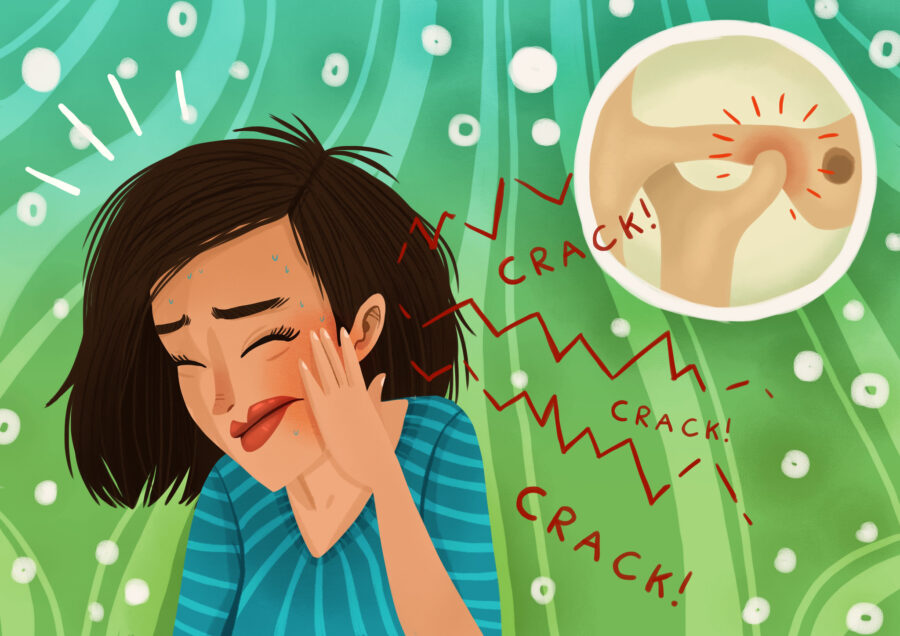
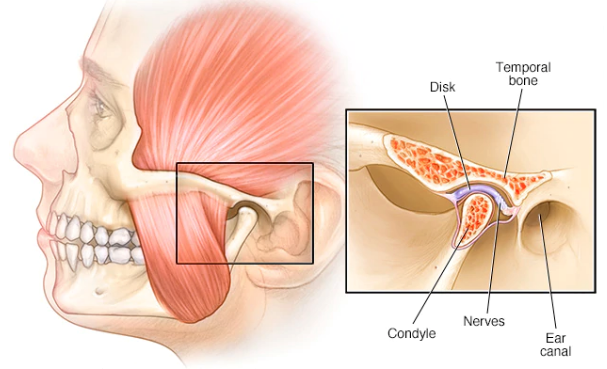
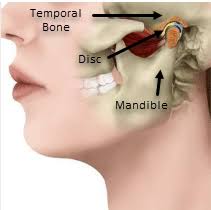
Your temporomandibular joint, or TMJ, connects your lower jawbone (mandible) to the temporal bone of your skull. You have one on each side of your face, located just below each ear.
This joint acts as a hinge and a sliding mechanism at the same time. It allows you to open and close your mouth, move your jaw side to side, and chew, speak, and yawn comfortably.
Inside the joint sits a small cushioning disc made of cartilage. This disc keeps the movement smooth. When it shifts, wears down, or gets damaged, the result is often that familiar clicking or popping sound.
Why Does Your Jaw Click When You Chew? The Core Reason
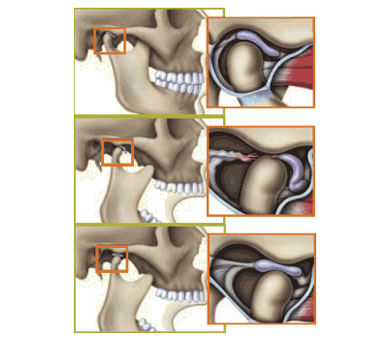
The main reason your jaw clicks when you chew is that the articular disc inside your TMJ is sliding out of its normal position. When the disc slips forward or backward and then snaps back into place, you hear a click or pop.
This is called disc displacement with reduction. It is one of the most common causes of jaw noise and is classified under temporomandibular disorders (TMD).
According to Cleveland Clinic, jaw clicking occurs when the articular disc slides in and out of place during chewing or speaking. This type differs from the click that happens when you yawn widely, which is usually harmless.
Common Causes of Jaw Clicking When Chewing
TMJ Disorder (TMD)
TMD is an umbrella term covering more than 30 conditions that affect jaw function. It is the number one cause of jaw clicking. About 12 million Americans are affected by some form of TMD.
When the joint structures fall out of alignment, the disc shifts, muscles strain, and the bone can rub against cartilage, producing noise and sometimes pain.
Bruxism (Teeth Grinding and Clenching)
Bruxism means grinding or clenching your teeth, often during sleep. Most people do not even realize they are doing it.
The repeated pressure wears down cartilage, strains jaw muscles, and pulls the joint out of alignment. This leads to inflammation, tissue damage, and clicking sounds. Stress and anxiety are the most common triggers for bruxism.
Disc Displacement
Inside your TMJ is a small cartilage disc that cushions movement. If this disc shifts forward or slips out of position, the jawbone must slide over it during chewing.
That sliding motion creates the clicking or popping sound. Over time, repeated movement causes the cartilage to break down further, which can turn clicking into grinding or locking.
Jaw Misalignment (Malocclusion)
Malocclusion means your upper and lower teeth do not meet properly when you bite down. Missing teeth, crooked teeth, or an uneven bite force the jaw joint to compensate during chewing.
This uneven movement puts extra strain on one side of the TMJ, pulling it out of alignment and producing clicking sounds. Orthodontic problems left untreated often progress into full TMD.
Muscle Tension and Stress
Stress and anxiety cause many people to clench their jaw muscles throughout the day without noticing. This constant tension fatigues the muscles around the TMJ.
Tight muscles pull on the joint disc and restrict smooth movement. The result is clicking, stiffness, and sometimes pain that radiates to the neck, ears, and temples.
Jaw Injuries and Trauma
A blow to the jaw, face, or head can shift the joint out of alignment. Even minor injuries from sports or accidents can have long-term effects on TMJ function.
Trauma can damage the disc, stretch the ligaments that hold it in place, or fracture bone structures inside the joint. All of these changes can trigger clicking that persists long after the initial injury heals.
Arthritis
Osteoarthritis and rheumatoid arthritis both affect the TMJ. Arthritis causes inflammation that wears down the protective cartilage inside the joint.
As cartilage breaks down, bone begins to move against bone, causing grinding, clicking, and stiffness. Inflammatory arthritis like rheumatoid arthritis can also cause the disc to erode rapidly.
Ehlers-Danlos Syndrome and Joint Hypermobility
Roughly 10 in every 5,000 people have Ehlers-Danlos syndrome or joint hypermobility syndrome. These conditions cause joints to move through a much wider range than normal.
A hypermobile jaw joint may click regularly because the disc and surrounding structures cannot hold everything in place during chewing. This type of clicking is structural and requires specialized management.
Behavioral Habits
Certain habits increase stress on the TMJ and lead to clicking over time. These include chewing gum excessively, nail-biting, biting the inside of the cheek, resting the chin on the hand, and eating very hard or chewy foods regularly.
These habits may seem minor but they place repetitive strain on the joint that accumulates over months and years.
Symptoms That Accompany Jaw Clicking
Jaw clicking rarely appears alone. Knowing the associated symptoms helps you understand the severity of your situation.
| Symptom | What It May Indicate |
|---|---|
| Pain when chewing or yawning | TMD or disc displacement |
| Jaw stiffness in the morning | Bruxism or muscle tension |
| Difficulty opening mouth fully | Joint misalignment or inflammation |
| Ear pain or ringing (tinnitus) | TMJ pressure on nearby ear structures |
| Headaches or migraines | Muscle tension radiating from jaw |
| Neck or shoulder pain | Referred pain from jaw muscle strain |
| Jaw locking open or closed | Advanced disc displacement |
| Facial asymmetry | Severe joint damage or bone changes |
| Clicking on one or both sides | Single or bilateral TMJ involvement |
Jaw clicking without any pain is often harmless. However, if clicking is accompanied by pain, restricted movement, or locking, you should see a dentist or TMJ specialist promptly.
Is Jaw Clicking Without Pain Normal?
Yes, occasional jaw clicking without pain is fairly common and often not a serious concern. Many people experience it when they yawn widely, and it resolves on its own.
However, if clicking happens every time you chew or starts becoming more frequent, it usually signals early disc displacement or joint strain. Early intervention is much easier and more effective than waiting until pain develops.
One-third of adults report some form of jaw noise when chewing or opening their mouth. Not all of them have serious TMD, but many have an underlying issue worth evaluating.
When to See a Doctor or Dentist
You should book an appointment if you notice any of the following.
- Clicking that happens consistently with every chew
- Pain in the jaw, face, ears, or neck
- Headaches that seem linked to jaw tension
- Difficulty opening or closing your mouth fully
- Jaw locking in an open or closed position
- Clicking that gets louder or more frequent over time
- Sleep disruption due to grinding sounds (reported by a partner)
A dentist, prosthodontist, or TMJ specialist can perform a physical exam, take X-rays or an MRI, and identify the exact cause of your jaw clicking. Early diagnosis prevents long-term joint damage.
How Is Jaw Clicking Diagnosed?
Diagnosis typically involves several steps. Your provider will review your full medical and dental history. They will then physically examine your jaw, check range of motion, feel for joint sounds, and assess your bite alignment.
Imaging is often used to get a clearer picture.
| Diagnostic Tool | What It Shows |
|---|---|
| Dental X-rays | Bone structure, tooth alignment, jaw position |
| MRI | Soft tissue, disc position, muscle condition |
| CT Scan | Detailed bone and joint anatomy |
| Jaw movement analysis | Range of motion, bite force patterns |
| Electromyography (EMG) | Muscle activity and tension levels |
Based on the findings, your provider will classify your condition and recommend a treatment plan tailored to the underlying cause.
Treatment Options for Jaw Clicking
Treatment depends entirely on the cause. Most cases respond well to conservative, non-surgical approaches. Only a small number of patients require surgery.
Home Remedies and Lifestyle Changes
Eat soft foods. Switching temporarily to softer foods like soups, yogurt, mashed vegetables, and fish reduces chewing strain on the joint. Avoid hard, crunchy, or very chewy foods during flare-ups.
Apply heat or ice. A warm compress relaxes tight jaw muscles and improves blood flow. Cold packs reduce inflammation and numb sharp pain. Alternate between both for best results, applying for 5 to 10 minutes at a time.
Jaw exercises. Research shows that specific jaw exercises improve range of motion and reduce clicking. The American Academy of Family Physicians recommends goldfish exercises, relaxed jaw exercises, resisted opening and closing, and side-to-side movements. These should be done gently and consistently.
Gentle massage. Massaging the jaw muscles and the area just below the ear in small circular motions can relieve muscular tension and reduce the frequency of clicking.
Avoid harmful habits. Stop chewing gum, biting nails, or resting your chin on your hand. These habits add strain to an already stressed joint.
Posture correction. Poor posture, especially forward head posture from screen use, places extra load on the jaw. Sitting upright and keeping screens at eye level helps reduce jaw tension throughout the day.
Stress management. Since stress is a major driver of both bruxism and muscle clenching, stress reduction techniques like meditation, deep breathing, and regular physical activity can significantly reduce jaw symptoms.
Dental Appliances
A night guard or occlusal splint is one of the most commonly prescribed treatments for TMD. It is a custom-made plastic device worn over the teeth during sleep.
The night guard prevents teeth from grinding against each other, reduces clenching force, and allows the jaw muscles to relax. It also repositions the jaw slightly to reduce disc displacement.
The SCi (Shielded Clenching Inhibitor) is a smaller appliance that sits between the front teeth and limits the ability to clench, which can reduce clicking significantly.
Physical Therapy
A physical therapist trained in jaw disorders can design a program to improve muscle balance, joint mobility, and posture. Techniques include manual therapy, ultrasound, TENS (transcutaneous electrical nerve stimulation), and guided exercise.
Physical therapy is particularly effective when jaw clicking is linked to muscle tightness or poor posture rather than structural joint damage.
Medications
Over-the-counter pain relievers like ibuprofen reduce inflammation and manage pain during flare-ups. Muscle relaxants may be prescribed for severe muscle tension.
In some cases, corticosteroid injections directly into the joint reduce inflammation rapidly. Botox injections into the masseter muscle are also used to reduce clenching force and relieve muscle tension.
Orthodontic Treatment
If jaw clicking is caused by malocclusion, correcting the bite alignment can resolve the issue. Braces or clear aligners gradually move teeth into proper position, which reduces uneven force on the TMJ.
In some cases, dental work like crowns or bridges may be needed to restore proper bite height and function.
Surgery
Surgery is considered only when all other treatments have failed. Options include arthrocentesis (joint washing), arthroscopy (minimally invasive joint repair), and open joint surgery (arthroplasty) for severe structural damage.
Total joint replacement is reserved for the most extreme cases where the joint is severely degenerated and cannot function normally.
Foods to Avoid When Your Jaw Clicks
What you eat directly impacts how much strain goes through your TMJ. During periods of jaw clicking or discomfort, avoid the following.
| Foods to Avoid | Safer Alternatives |
|---|---|
| Steak and tough meats | Tender fish, slow-cooked chicken |
| Raw apples and carrots | Steamed or cooked vegetables |
| Crusty bread and bagels | Soft bread, pancakes |
| Nuts and hard seeds | Nut butter, smoothies |
| Hard candy and caramel | Yogurt, soft fruit |
| Thick sandwiches | Soup, soft wraps |
| Gum (any type) | Avoid entirely during flare-ups |
Eating on both sides of the mouth evenly also reduces asymmetric strain on one joint.
Jaw Clicking in Children and Teens
Jaw clicking is not limited to adults. One in ten youth experiences jaw noise when chewing or opening their mouth. In children, early evaluation is especially important because the jaw is still developing.
Common causes in younger people include growth-related joint changes, orthodontic issues, sports injuries, and stress-related clenching. Children who also mouth-breathe or snore should be evaluated for airway-related causes of jaw clicking.
Early treatment in children prevents the problem from becoming structural as they grow. Orthodontic intervention during growth phases is often more effective than treatment in adulthood.
Can Jaw Clicking Lead to Serious Problems?
Yes, if left untreated, jaw clicking can progress into more serious conditions. What starts as occasional disc displacement can become permanent disc dislocation where the disc no longer returns to its normal position.
This leads to jaw locking, where you cannot open or close your mouth fully. Over time, chronic inflammation and cartilage breakdown cause degenerative joint disease, similar to arthritis in other joints.
Without proper management, TMD can lead to chronic headaches, facial asymmetry, significant bite changes, and permanent limitation of jaw movement. This is why early evaluation and treatment matter.
Jaw Clicking vs. Jaw Grinding: What Is the Difference?
These two conditions are often confused but they are distinct.
| Feature | Jaw Clicking | Jaw Grinding (Bruxism) |
|---|---|---|
| Main sound | Click or pop | Grinding or scraping |
| When it happens | During chewing or opening | Often during sleep |
| Primary cause | Disc displacement or misalignment | Muscle tension and stress |
| Joint involvement | Yes, directly | Indirect (muscle strain leads to joint damage) |
| Tooth damage | Rare | Common (enamel wear) |
| Treatment focus | Joint realignment, disc positioning | Night guard, stress management |
The two conditions often co-exist. Bruxism frequently leads to TMD over time, so treating bruxism early is one of the best ways to prevent future jaw clicking.
Prevention Tips for Jaw Clicking
Preventing jaw clicking involves protecting the joint from unnecessary strain and addressing underlying habits or conditions before they worsen.
Keep your tongue resting on the roof of your mouth with lips closed and teeth slightly apart. This is the natural resting position of the jaw and relieves joint pressure.
Breathe through your nose rather than your mouth. Nasal breathing supports proper jaw and facial muscle positioning throughout the day.
Avoid opening your mouth too wide. Whether yawning, eating a large burger, or at the dentist, try to limit extreme jaw opening when possible.
Use a night guard if you grind your teeth. Even if you are not sure, ask your dentist to check for signs of bruxism at your next checkup.
Manage stress proactively. Regular exercise, quality sleep, and relaxation practices directly reduce muscle tension in the jaw.
Get regular dental checkups. Your dentist can spot early signs of bite problems, tooth wear, and joint changes before they become painful.
Frequently Asked Questions (FAQs)
Why does my jaw click every time I chew?
Clicking that happens with every chew usually means the disc inside your TMJ is slipping out of position during jaw movement. This is called disc displacement and it is a core symptom of TMD that should be evaluated by a dentist.
Is jaw clicking a sign of something serious?
Occasional painless clicking is usually harmless. However, if it is consistent, painful, or accompanied by jaw stiffness, locking, headaches, or ear pain, it likely signals TMD that needs professional attention.
Can stress cause my jaw to click?
Yes, absolutely. Stress causes many people to clench their jaw muscles unconsciously, which strains the TMJ and leads to disc displacement and clicking. Managing stress directly reduces jaw tension and clicking frequency.
What does it mean when my jaw clicks on only one side?
Single-sided clicking usually means the disc or joint on that particular side is affected. This can be due to one-sided chewing habits, an old injury, or asymmetric bite force. A dentist can pinpoint the exact cause with an exam.
Can jaw clicking go away on its own?
Mild clicking caused by temporary muscle tension sometimes resolves with rest and soft foods. However, clicking linked to disc displacement or TMD rarely resolves permanently without some form of treatment.
Should I see a dentist or a doctor for jaw clicking?
Start with a dentist, ideally one with experience in TMJ disorders. They can assess your bite, jaw function, and joint health. In complex cases, they may refer you to an oral and maxillofacial surgeon or a TMJ specialist.
Does a night guard stop jaw clicking?
A night guard can significantly reduce clicking by preventing grinding, reducing clenching force, and repositioning the jaw. It does not fix the underlying disc displacement but it relieves strain and prevents the condition from worsening.
Can jaw clicking cause hearing problems?
The TMJ sits very close to the ear canal. When it is inflamed or misaligned, it can create pressure that causes ear pain, a feeling of fullness, or even ringing (tinnitus). These symptoms often improve when the underlying TMD is treated.
What foods make jaw clicking worse?
Hard, chewy, and tough foods like steak, raw vegetables, crusty bread, nuts, and gum increase force on the TMJ and worsen clicking. Eating soft foods during flare-ups gives the joint time to recover.
Can children have jaw clicking?
Yes. One in ten youth experiences jaw noise when chewing. Common causes include growth changes, orthodontic issues, stress, and sports injuries. Early evaluation in children is important because treatment during growth phases is more effective.
Conclusion
Jaw clicking when you chew is far more common than most people realize, and it is almost always traceable to a specific cause.
Whether it is a displaced disc, bruxism, jaw misalignment, muscle tension, or arthritis, understanding the root problem is what makes treatment effective.
Most cases respond very well to conservative approaches including soft diets, jaw exercises, night guards, physical therapy, and stress management.
Only a small percentage of people ever need surgery.
The key is not to ignore persistent clicking. What starts as a minor annoyance can develop into significant pain, jaw locking, and permanent joint changes if left untreated.
A simple dental checkup can catch the problem early and set you on the right path.
Take care of your TMJ the same way you take care of your teeth.
Prevention, awareness, and early action make all the difference for long-term jaw health in 2026 and beyond.
