

Why is my cat limping is one of the most alarming questions a cat parent can face.
A limping cat is almost always in pain, even if they seem calm and continue to eat normally.
Cats are natural pain hiders, so a visible limp usually means the discomfort is real and significant.
What Does Cat Limping Actually Mean?
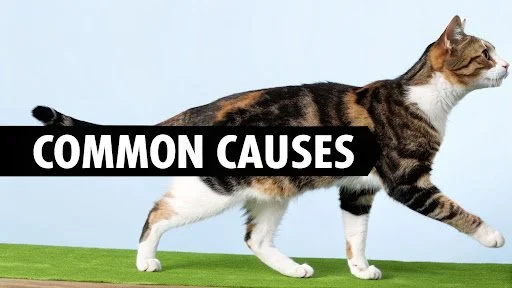
Limping, also called lameness, means your cat is not putting normal weight on one or more legs. It can range from a barely noticeable hobble to a complete refusal to use a leg. The limp itself is a symptom, not a diagnosis.
A sudden limp usually points to an acute injury like a sprain or paw trauma. A gradual limp that develops over weeks often suggests a chronic condition like arthritis or joint disease.
Why Cats Hide Pain (And Why That Makes Limping a Big Deal)
Cats are hardwired by instinct to mask weakness. In the wild, showing pain makes an animal a target. This feline pain-masking behavior means by the time you notice a limp, your cat may have been hurting for a while.
Even if your cat is still eating, purring, or acting relatively normal, do not dismiss the limp. It is a clear signal that something is wrong and needs attention.
Most Common Causes of Cat Limping
Understanding the cause is the first step toward helping your cat. Here are the most frequently seen reasons:
Paw and Claw Injuries
This is the most common cause and often the easiest to spot. Cats step on sharp objects, get thorns or glass stuck between their toes, or develop ingrown claws that curl into the paw pad.
Check your cat’s paws first. Even a tiny thorn or a cracked nail can make every step painful.
Soft Tissue Injuries: Sprains and Strains
Cats jump, tumble, and play hard. Overextending a muscle when landing from a high surface or roughhousing with another pet can cause a sprain (ligament) or strain (muscle or tendon).
Soft tissue injuries are the number-one cause of sudden limping in otherwise healthy cats. If your cat is still bearing some weight and eating normally, a sprain is highly likely.
Fractures and Broken Bones
A broken leg or fractured bone is a veterinary emergency. This usually results from a serious fall, being hit by a car, or a severe fight with another animal.
Signs include a leg dangling at an abnormal angle, extreme swelling, and complete refusal to touch the ground with the affected limb.
Abscesses from Cat Bites
Outdoor cats frequently get into fights. A bite wound can seal over on the surface while an infection brews underneath, forming a painful abscess.
You may notice a warm, soft lump on the leg or near a joint. Abscesses need veterinary treatment, often drainage and antibiotics.
Ingrown or Overgrown Claws
If nails are not trimmed regularly, they can curl and grow into the soft pad tissue. This is especially common in older cats or indoor cats who do not wear their nails down naturally.
The fix can be as simple as a nail trim, but badly ingrown claws may need a vet visit.
Arthritis and Joint Disease
Arthritis is extremely common in cats over seven years old, but many owners miss it because cats hide the early signs so well. Osteoarthritis involves the gradual breakdown of joint cartilage, causing pain and stiffness.
Early signs include hesitating before jumping, sleeping more, and moving more stiffly after rest. As it worsens, you will notice a clear limp.
Foreign Objects Stuck in the Paw
Thorns, splinters, glass shards, and even grass seeds can become embedded deep in paw pads or between toes. The entry wound is often tiny and easy to miss.
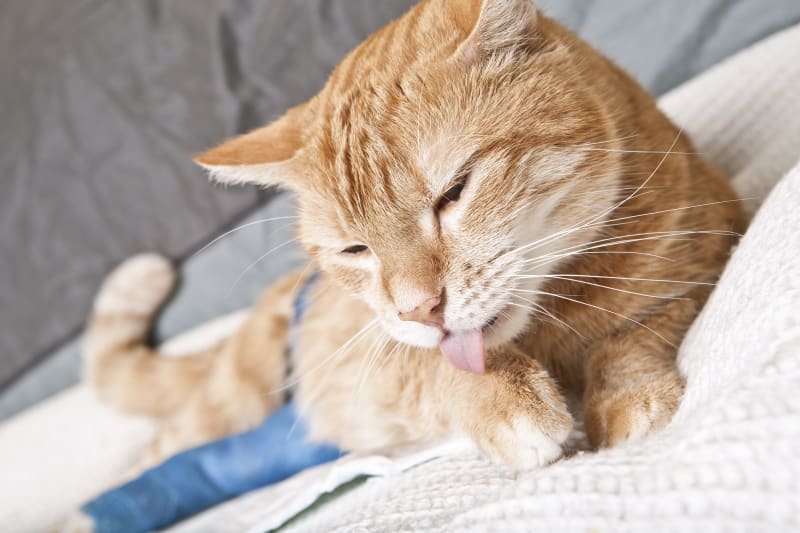
If your cat keeps licking one paw obsessively alongside limping, a foreign body is a strong possibility.
Infections: Bone or Joint Infections
Bacterial infections can settle into bones (osteomyelitis) or joints (septic arthritis), particularly following a wound or surgery. These are serious conditions that can cause significant lameness.
Symptoms often include swelling, warmth, fever, and lethargy in addition to limping.
Neurological Issues
Nerve damage, spinal cord injuries, or conditions like saddle thrombus (a blood clot that blocks circulation to the hind legs) can cause sudden paralysis or dragging of one or both back legs.
These are emergencies. If your cat suddenly cannot use its back legs, go to a vet immediately.
Obesity and Weight-Related Strain
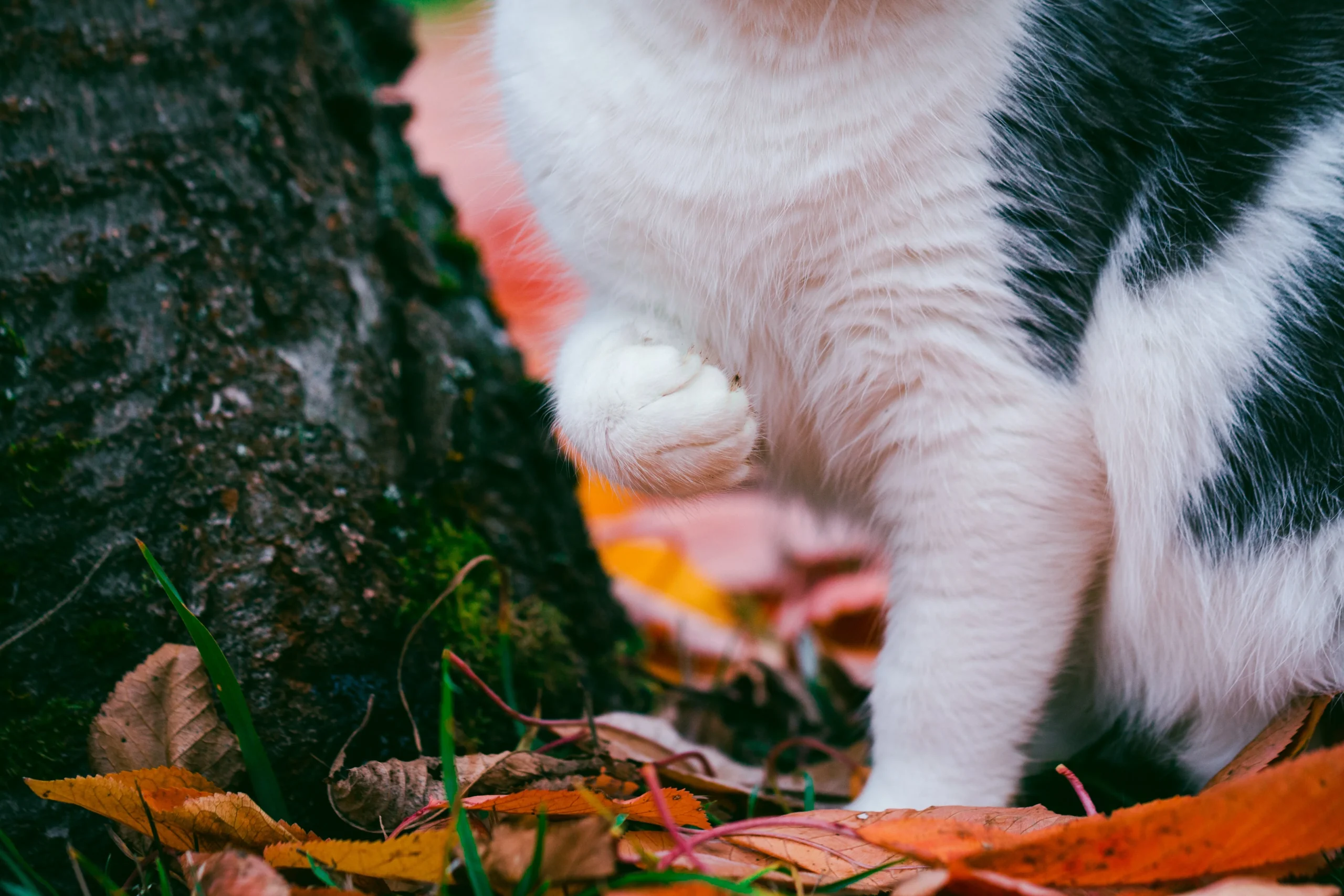
Overweight cats place excessive stress on their joints, muscles, and ligaments. This extra load can cause or worsen limping, especially in older cats already dealing with mild arthritis.
Managing your cat’s weight is one of the most effective long-term strategies for joint health.
Cat Limping Front Leg vs. Back Leg: What Is the Difference?
The location of the limp gives important clues about the cause.
| Location | Common Causes | Notes |
|---|---|---|
| Front leg | Paw injury, shoulder strain, nail issues | Cats land on front legs, making them injury-prone during play |
| Back leg | Hip problems, patellar luxation, arthritis, saddle thrombus | Back legs bear more weight during normal movement |
| Both back legs suddenly | Saddle thrombus, spinal injury, neurological issue | Treat as emergency |
| All four legs | Systemic infection, immune disease, tick-borne illness | Requires full vet workup |
How to Check Your Cat’s Leg at Home
Before calling the vet, a gentle home exam can give you and your vet valuable information. Always work slowly and watch your cat’s reaction closely.
Step-by-Step Home Examination
Step 1: Watch your cat walk. Identify which leg is affected by watching them move from a distance. Notice if they are bearing any weight at all.
Step 2: Choose a calm moment. Wait until your cat is relaxed, ideally when they are sleepy or just waking up. A stressed or frightened cat in pain may bite or scratch.
Step 3: Start at the paw. Gently feel each toe, the paw pad, and between the toes. Look for cuts, swelling, redness, embedded objects, or overgrown nails.
Step 4: Work upward. Slowly run your fingers along the leg from the paw up to the shoulder or hip. Press gently and watch for a flinch, hiss, or withdrawal that signals a sensitive spot.
Step 5: Compare to the other leg. Check the matching leg for comparison. Swelling, heat, or deformity becomes more obvious when you have a normal leg to compare it to.
Step 6: Check the paw for foreign objects. If you see a thorn or splinter and can reach it easily, remove it with tweezers. Then clean the wound with diluted saline solution.
First Aid for a Limping Cat at Home
These steps can help manage minor limping before a vet visit or while you wait for an appointment.
Restrict Movement
Keep your cat in a small, safe room or a crate to prevent them from jumping, running, or climbing. This reduces the risk of making an injury worse.
Apply a Cold Compress for Swelling
For a suspected sprain or bruise, wrap ice or a cold pack in a cloth and apply it gently to the swollen area for 10 to 15 minutes. Never apply ice directly to the skin.
Soak the Paw in Epsom Salt Water
For minor paw injuries, abscesses, or swelling, soak the affected paw in warm water mixed with Epsom salt. This helps reduce swelling and draws out infection.
Mix one teaspoon of Epsom salt in a cup of warm water and soak for 5 to 10 minutes.
Clean Wounds Gently
For small cuts or wounds, clean with saline solution (one teaspoon of salt in 500ml of cooled boiled water) twice daily. Do not use hydrogen peroxide or alcohol, which can damage tissue.
Do Not Give Human Pain Medications
This is critical. Never give your cat ibuprofen, acetaminophen, aspirin, or any other human painkiller. These medications are toxic to cats and can be fatal even in tiny doses.
Only use pain relief specifically prescribed by your veterinarian.
Keep Your Cat Calm
Stress increases pain perception. Keep the environment quiet, dim, and familiar. Provide easy access to food, water, and a litter box without requiring your cat to jump or climb stairs.
When Is Cat Limping an Emergency?
Some situations require immediate veterinary attention. Do not wait.
| Emergency Signs | What It Could Mean |
|---|---|
| Leg hanging at an abnormal angle | Fracture or dislocation |
| Complete refusal to bear any weight | Broken bone, severe sprain, or nerve damage |
| Open wound or active bleeding | Laceration, bite wound, or compound fracture |
| Sudden paralysis of back legs | Saddle thrombus (blood clot) — life-threatening |
| Limping with labored breathing | Possible internal injury or systemic disease |
| Extreme vocalization when touched | Severe pain, possible fracture |
| Swollen, hot, and firm limb | Abscess or bone infection |
| Limping lasting more than 24 to 48 hours | Any cause that is not improving |
If you see any of the above signs, treat it as an emergency and contact your vet or nearest 24-hour animal hospital right away.
Cat Limping After Jumping or Playing
This is one of the most common scenarios. A cat misjudges a jump, lands awkwardly, or overexerts a muscle during play. You may notice the limp appear suddenly after a play session or immediately after a jump.
In most cases this is a mild soft tissue sprain. If your cat is still placing some weight on the leg, eating well, and acting relatively alert, a short rest period of 24 to 48 hours is reasonable.
If there is no improvement or the limp worsens, book a vet visit.Cat Limping but Acting Normal: Should You Worry?
Yes, even if your cat seems fine otherwise. Cats are masters at compensating for pain. A cat may eat normally, groom themselves, and even purr while hiding significant discomfort.
Do not use normal behavior as a reason to delay assessment. Monitor closely. If the limp does not resolve within 24 to 48 hours, contact your veterinarian.Old Cat Limping: Is It Always Arthritis?
Not necessarily, though arthritis is the most common cause of limping in senior cats. Other possibilities in older cats include:
- Bone tumors (osteosarcoma), which cause progressive lameness
- Muscle wasting or weakness from hyperthyroidism or kidney disease
- Dental disease causing referred pain
- Tick-borne infections like Lyme disease causing joint inflammation
An older cat with a new limp should always be evaluated by a vet, even if the limp seems mild. Early diagnosis makes management much more effective.
Kitten Limping: What Is Different?
Kittens are active, clumsy, and prone to small injuries from play. However, persistent limping in a kitten should not be ignored.
Conditions to consider in kittens include developmental joint issues, nutritional deficiencies, birth defects affecting bone growth, and trauma from falls. If a kitten under six months is limping for more than a day, see a vet.
What the Vet Will Do for a Limping Cat
When you visit the vet, here is what to expect:
Physical Examination
Your vet will watch your cat walk, palpate the affected leg, check range of motion in all joints, and feel for heat, swelling, or deformity. They will also examine the paw pads and nails closely.
X-Rays (Radiographs)
X-rays are the most common diagnostic tool for limping cats. They reveal fractures, bone dislocations, joint changes from arthritis, and abnormal bone growth.
Blood Tests
Blood work can identify infections, inflammation, tick-borne diseases, and metabolic conditions like hyperthyroidism that may be contributing to limping.
MRI or Ultrasound
For complex cases where X-rays are not conclusive, an MRI provides a detailed view of soft tissue, tendons, ligaments, and spinal structures.
Treatment Options for Cat Limping
Treatment depends entirely on the underlying cause. Here is a summary of common approaches:
| Cause | Typical Treatment |
|---|---|
| Minor sprain | Rest, restricted movement, anti-inflammatory medication |
| Fracture | Splint, cast, or surgery depending on severity |
| Abscess | Drainage, antibiotics, wound care |
| Ingrown nail | Nail trim, wound cleaning, possible antibiotics |
| Arthritis | Pain management, joint supplements, weight control, lifestyle changes |
| Foreign body in paw | Removal, wound cleaning, antibiotics if infected |
| Bone infection | Long-term antibiotics, possible surgery |
| Saddle thrombus | Emergency hospitalization, clot-dissolving therapy |
Supporting Your Cat’s Joint Health Long-Term
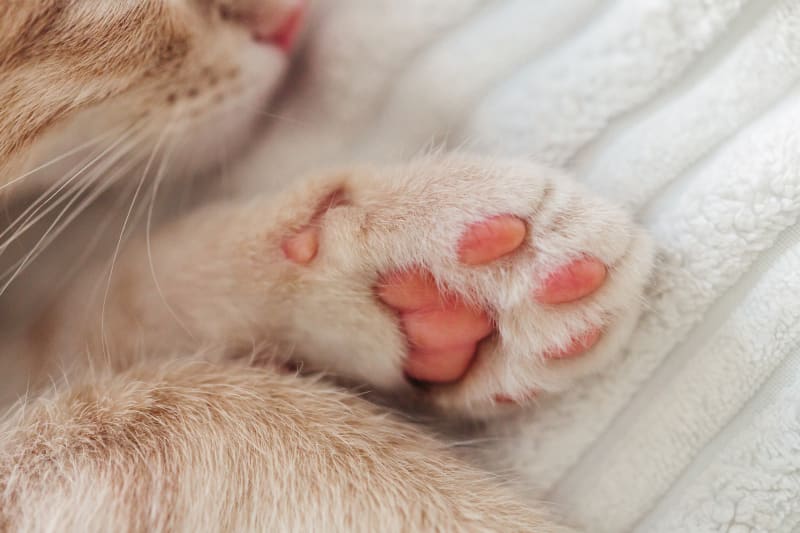
For cats with arthritis or those prone to joint issues, long-term management makes a big difference in quality of life.
Joint Supplements
Omega-3 fatty acids, glucosamine, and chondroitin are commonly recommended to support cartilage health. Products like Cosequin for cats are widely used and vet-approved.
Talk to your vet before starting any supplement, as dosing matters and some products work better than others.
Weight Management
Keeping your cat at a healthy weight is one of the most powerful things you can do for their joint health. Even a small reduction in body weight significantly reduces stress on joints.
Work with your vet to determine your cat’s ideal weight and choose the right diet.
Environmental Modifications
Make your home more cat-friendly for a cat with joint pain. Add ramps or steps near the bed and sofa. Lower the sides of the litter box. Place food and water bowls at ground level so your cat does not need to stretch or jump to reach them.
Gentle Exercise
Short, low-impact play sessions keep joints mobile without overexerting them. Avoid encouraging jumping or climbing in cats with known joint disease.
Preventing Cat Limping: Practical Tips
Prevention is not always possible, but these steps reduce the risk significantly.
- Trim your cat’s nails regularly (every two to four weeks) to prevent ingrown claws
- Inspect paws weekly, especially for outdoor cats
- Keep your cat at a healthy weight through measured feeding
- Provide age-appropriate play to avoid overexertion
- Keep the home environment safe by removing sharp objects and securing unstable shelving
- Schedule annual vet checkups, and twice-yearly exams for senior cats over seven years old
- Ask your vet about joint supplements for cats over five years old as a preventive measure
Comparison: Sprain vs. Fracture in Cats
| Feature | Sprain | Fracture |
|---|---|---|
| Onset | Usually after play or jumping | Often after trauma (fall, car) |
| Weight bearing | Can still partially bear weight | Usually complete non-weight bearing |
| Swelling | Mild to moderate | Often severe |
| Leg angle | Normal | May be abnormal or disfigured |
| Pain level | Moderate | Severe |
| Home management | Rest may help | Always needs vet care |
| Improvement timeline | 1 to 3 days with rest | Weeks with treatment |
Signs Your Cat Is in Pain Beyond the Limp
Cats show pain in subtle ways. Watch for these additional signs alongside limping:
- Reduced grooming or over-grooming one area
- Loss of appetite or reduced eating
- Hiding or becoming more withdrawn than usual
- Hissing or growling when touched near the affected area
- Flattened ears and dilated pupils
- Changes in litter box use, especially if the box requires jumping in
- Increased sleeping or lethargy
- Breathing faster than normal while at rest
Frequently Asked Questions (FAQs)
Why is my cat limping but not crying?
Cats rarely vocalize pain. Not crying does not mean they are fine. Limping itself is a clear sign of discomfort even without vocalization.
Can a cat limp heal on its own?
Minor sprains can improve with 24 to 48 hours of rest. Fractures, infections, and joint disease never resolve without veterinary treatment.
How do I know if my cat’s leg is broken?
A broken leg often causes complete non-weight bearing, visible deformity, severe swelling, and extreme pain when touched. Always treat this as an emergency.
Is it okay to give my cat ibuprofen for limping?
No. Ibuprofen, Tylenol, and all human pain medications are toxic to cats and can cause kidney failure or death even in small doses.
My cat is limping after sleeping. What does that mean?
Morning stiffness that improves as your cat warms up is a classic early sign of arthritis, especially in cats over seven years old.
My cat suddenly can’t use its back legs. What should I do?
Call a vet immediately. Sudden paralysis of both back legs is a sign of saddle thrombus (a blood clot), which is a life-threatening emergency.
How long should I wait before taking a limping cat to the vet?
If the limp does not improve within 24 to 48 hours, or if there is any swelling, wound, or severe pain, see a vet right away.
Can indoor cats get limping injuries?
Yes. Indoor cats can sprain a leg from a bad jump, step on a sharp object, develop ingrown claws, or develop arthritis just like outdoor cats.
What home remedies help a limping cat?
Restrict movement, apply a cold compress for swelling, soak the paw in warm Epsom salt water for minor wounds, and keep your cat calm. Never use human medications.
Should I massage my cat’s sore leg?
Avoid deep massage on an injured leg as it can worsen swelling or pain. Gentle stroking around (not directly on) the area can provide comfort if your cat tolerates it.
Conclusion
Why is my cat limping is a question that demands a thoughtful, careful response because limping is almost never nothing.
It is your cat’s way of telling you something is wrong, even when they cannot speak.
Whether the cause is a simple thorn stuck in a paw pad or the beginning of arthritis in an aging cat, catching the problem early and responding correctly makes a real difference.
Start with a calm home examination, follow the first-aid steps outlined here, and never give human medications. Most importantly, trust your instincts as a cat owner.
If the limp does not resolve within 24 to 48 hours, is getting worse, or comes with any red-flag signs like non-weight bearing, visible wounds, or sudden hind leg paralysis, call your vet right away.
Your cat depends on you to notice the subtle signs and act on them. With the right care and attention, most cats recover fully and return to their curious, active selves.
