

Why is it illegal to drive barefoot? Here is the truth: it is not. Driving barefoot is completely legal in all 50 U.S.
states and most countries worldwide. Yet millions of drivers still believe this is a traffic violation.
The confusion comes from safety concerns being mistaken for legal prohibitions.
Why Is It Illegal to Drive Barefoot
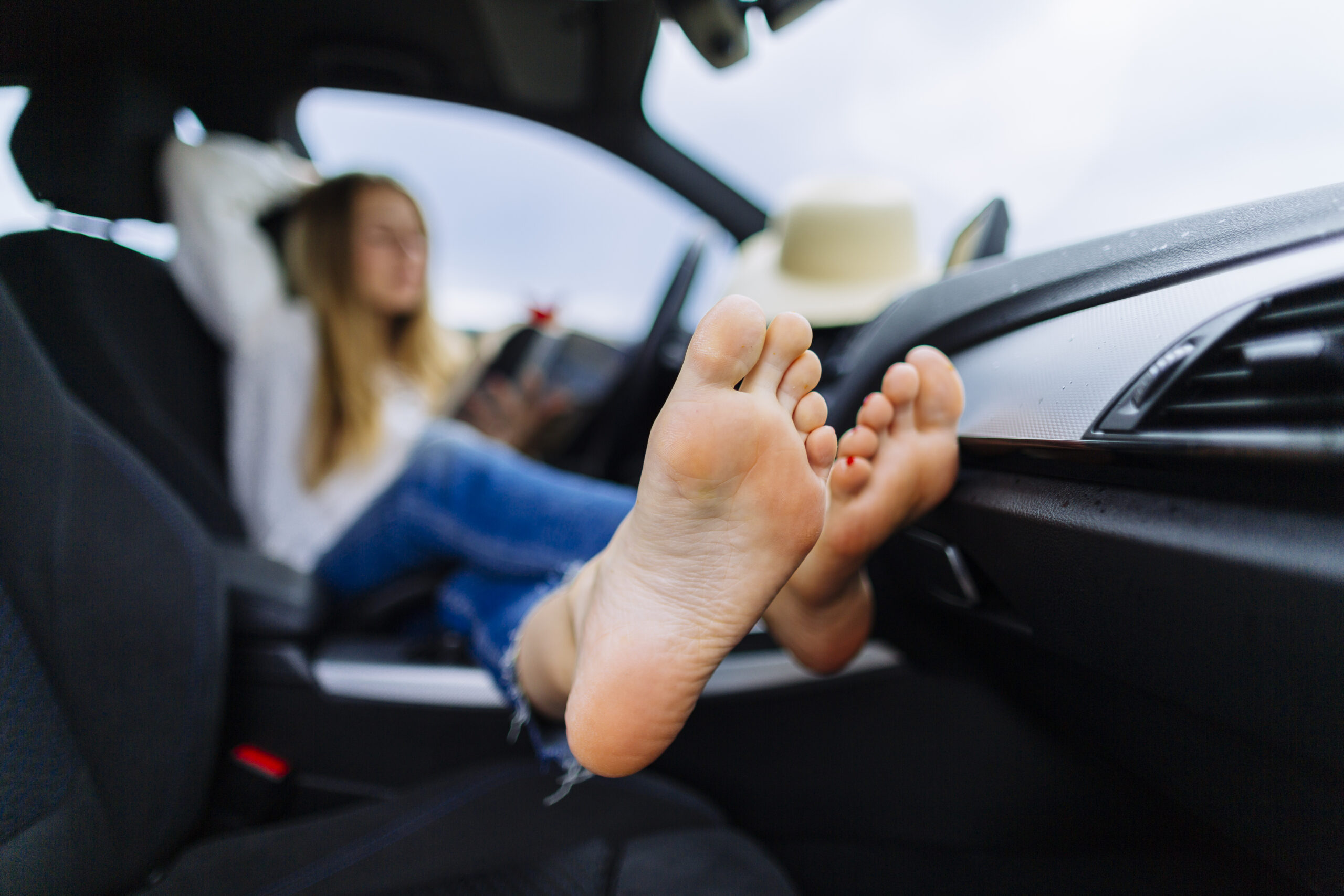
No. There is no federal law, no state law, and no traffic code anywhere in the United States that makes driving without shoes illegal.
Every single state — all 50 of them — allows drivers to operate a vehicle barefoot. The U.S. Department of Transportation (DOT) has never issued any regulation about footwear requirements for civilian drivers on personal vehicles.
This has been confirmed by law enforcement agencies, the AAA, state DMVs, and legal experts across the country.
Where Did This Myth Come From?
The barefoot driving myth is one of the most stubborn urban legends in American driving culture. Several factors keep it alive.
First, many public spaces post “No Shoes, No Shirt, No Service” signs, creating a subconscious association between going barefoot and breaking rules. Second, driving instructors often discouraged barefoot driving for safety reasons, and students misinterpreted caution as legality. Third, the myth spread through word of mouth — parents told children, who told their children, without anyone ever verifying the actual law.
The belief that “it must be illegal because it seems dangerous” is a common human assumption. Many things that seem risky are not technically against the law.
Barefoot Driving Laws: All 50 States at a Glance
No state has a specific law banning barefoot driving. However, some states have additional notes or indirect legal considerations worth knowing.
| State | Barefoot Driving Legal? | Additional Notes |
|---|---|---|
| California | Yes | Reckless driving statutes could apply if involved in accident |
| Texas | Yes | Negligence laws may apply post-accident |
| Florida | Yes | Modified comparative negligence laws enacted 2023 |
| New York | Yes | No state law; NYC has no specific prohibition either |
| Michigan | Yes | Law enforcement considers it unsafe |
| Tennessee | Yes | Citations possible if it contributes to an accident |
| Washington | Yes | RCW 46.61 requires maintaining vehicle control |
| All Other States | Yes | No explicit prohibition in any state |
The pattern is clear: barefoot driving is legal everywhere in the U.S. What varies is how courts and insurers may interpret it after an accident.
What About Motorcycles?
The rules are slightly different for motorcycles. A handful of states, including Alabama, require footwear when operating a motorcycle. This is a separate safety regulation and does not apply to standard passenger vehicles.
Always check your state’s specific motorcycle laws if you ride a bike.
Why Do People Still Think It Is Illegal?
The persistence of this myth is fascinating. Here are the top reasons it refuses to die.
Driving Instructors Played a Role
Many certified driving instructors taught students not to drive barefoot as a best practice. Over time, students treated the advice as law rather than recommendation. The language of caution got blended with the language of legality.
It Feels Like It Should Be Illegal
Humans often assume that dangerous or uncomfortable behaviors must be regulated. Since bare feet on pedals seem risky, people conclude there must be a law about it. There is not.
The Internet Amplified Confusion
Early internet forums, message boards, and poorly researched articles spread the myth further. Many low-quality websites stated barefoot driving was illegal without citing any actual statute. These articles ranked well in search engines for years, reinforcing the false belief.
State-by-State Variation Made It Confusing
Because some states add verbal warnings or notes about barefoot driving being inadvisable, people interpreted those warnings as actual laws. A warning is not a law.
The Real Safety Risks of Driving Barefoot
Just because it is legal does not mean it is entirely without risk. Safety experts do raise legitimate concerns about barefoot driving.
Reduced Pedal Grip and Pressure Control
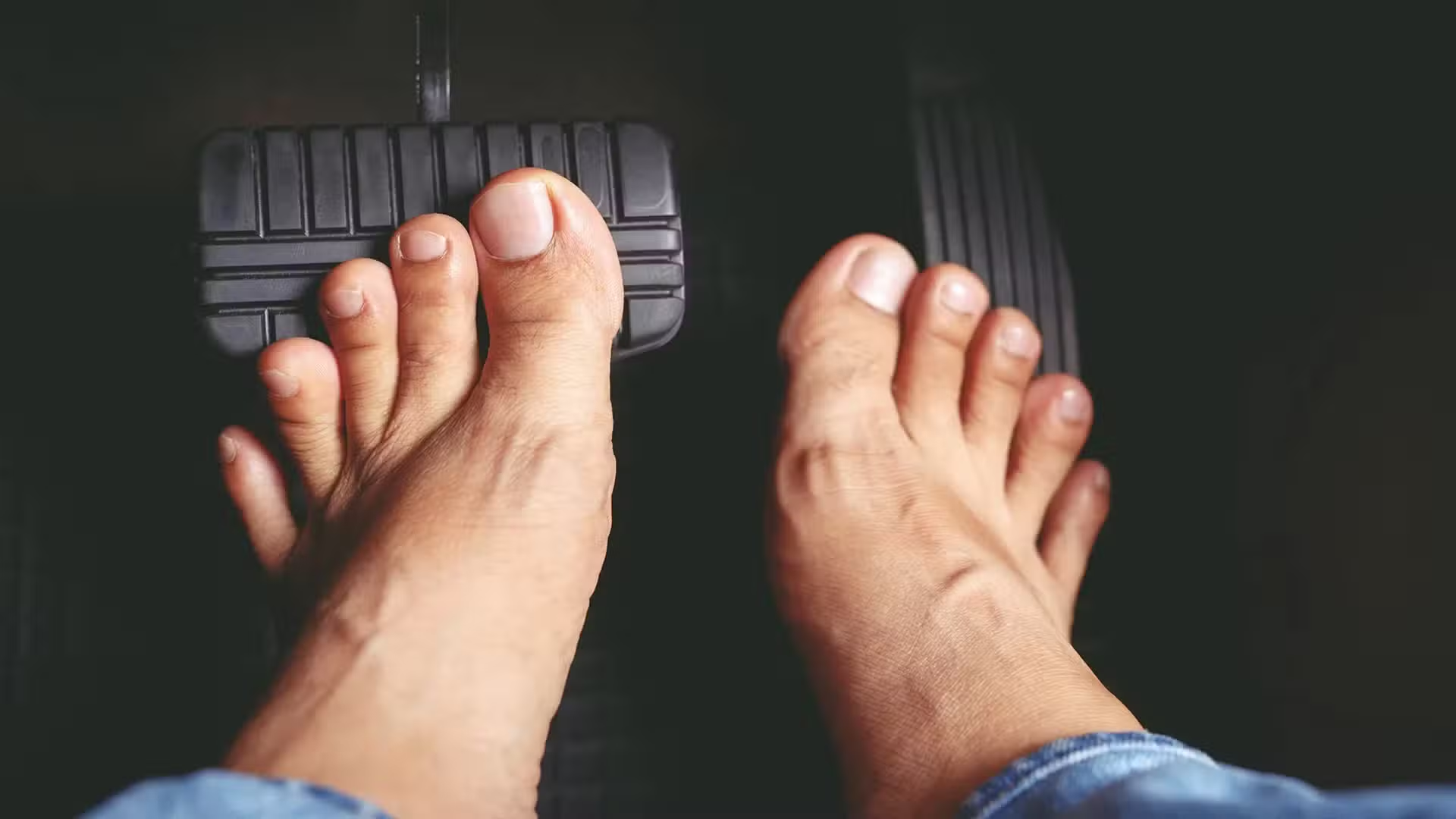
Shoes provide traction on pedals. Bare feet, especially when sweaty or wet, can slip more easily. Without the firm sole of a shoe, it can be harder to apply consistent, even pressure on the brake or accelerator. This matters most in emergency situations where precise pedal control is critical.
Vulnerability to Injury
Metal pedals can have sharp edges. In a collision, an unshod foot is far more vulnerable to cuts, bruises, and crush injuries than a foot protected by a sturdy shoe. This risk increases significantly in serious crashes.
Weather and Temperature
Hot summer metal pedals can burn bare feet. In wet or rainy conditions, moisture on your foot can reduce the friction needed to press pedals effectively. Cold weather can numb feet and dull your sense of pedal response.
Distraction Risk
If something causes sudden discomfort — stepping on a sharp piece of debris, a hot pedal, or an unexpected pain — the distraction can be enough to delay your reaction time. Even a fraction of a second matters at highway speeds.
The Flip-Flop Problem
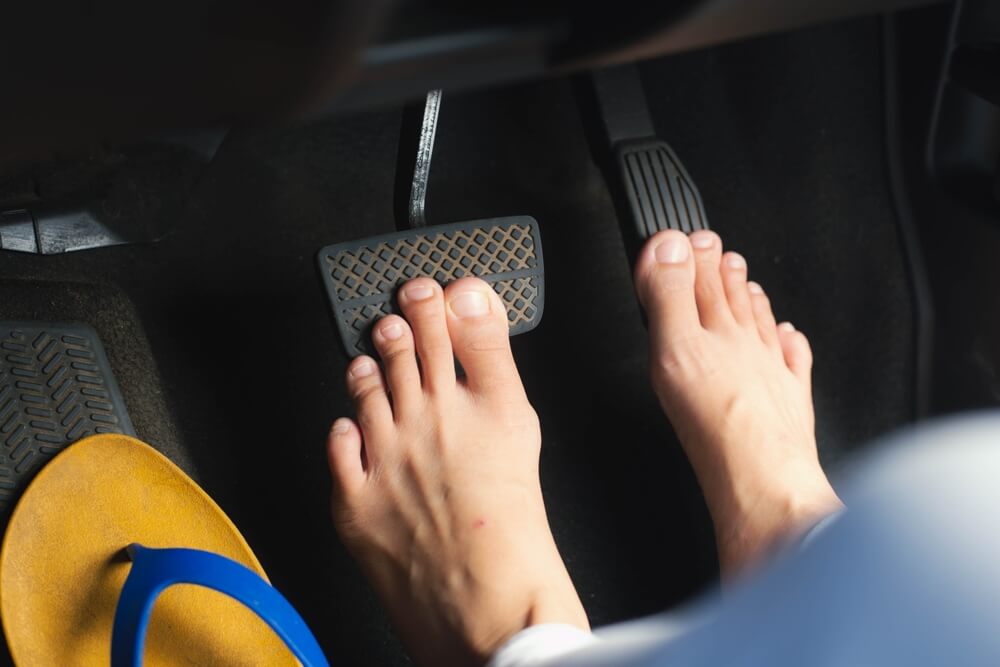
Interestingly, flip-flops and open-back sandals are generally considered more dangerous than bare feet. Studies have shown that wearing flip-flops can roughly double the time it takes to move a foot from the accelerator to the brake. Loose footwear can slip off and get caught under a pedal. If you are choosing between barefoot and flip-flops, bare feet may actually be the safer option.
| Footwear Type | Risk Level | Notes |
|---|---|---|
| Flat, closed-toe shoes | Lowest | Recommended by safety experts |
| Bare feet | Moderate | Legal, less risky than loose footwear |
| Flip-flops / sandals | High | Can slip under pedals, slow reaction time |
| High heels | High | Difficult to press pedals fully |
| Heavy work boots | Moderate | Reduce pedal feel and modulation |
| Thick-soled platforms | High | Hard to gauge pedal pressure |
Legal Risks After an Accident: The Real Danger Zone
This is where barefoot driving can genuinely hurt you — not through a traffic ticket, but through civil liability and insurance complications.
You Can Still Be Cited Indirectly
A police officer cannot write you a ticket simply for driving barefoot. However, if an accident occurs and the officer determines that barefoot driving contributed to a loss of vehicle control, you can be cited under general statutes such as reckless driving, careless operation, or failure to maintain full control of a vehicle.
The lack of footwear becomes evidence of unsafe behavior, not a standalone offense.
Insurance Companies May Use It Against You
Insurance adjusters look for any reason to reduce or deny a payout. If you were barefoot at the time of an accident and the other party’s attorney or the adjuster argues it contributed to the crash, your compensation could be reduced or denied entirely.
Drivers involved in crashes while barefoot face higher scrutiny. Some reports suggest insurance premiums for high-risk drivers are significantly higher after such incidents.
Contributory Negligence States Are Especially Risky
In states with contributory negligence doctrine — such as Virginia, Maryland, Alabama, and North Carolina — if you are found even 1% at fault for an accident, you may be completely barred from recovering any compensation. Barefoot driving, if argued successfully as negligent behavior, could cost you everything in a lawsuit.
In comparative negligence states, your compensation is reduced proportionally to your share of fault. Either way, barefoot driving can complicate your financial recovery significantly.
What Attorneys Say
Legal professionals consistently advise clients that the risk of barefoot driving is not a traffic ticket — it is what happens in a courtroom or claims negotiation. Even without a specific footwear law, an opposing attorney can argue you failed to exercise reasonable care as a driver. That argument can stick in court.
Barefoot Driving Around the World
The United States is not the only country where this myth exists. Here is a quick look at international rules.
| Country | Legal? | Notes |
|---|---|---|
| United Kingdom | Yes | Legal but considered unwise; no specific law |
| Australia | Yes | No federal prohibition; states may vary |
| Canada | Yes | No federal or provincial ban |
| Germany | Yes | Legal, but driver bears responsibility for safe operation |
| Spain | Yes | No prohibition; general safe driving laws apply |
| South Africa | Yes | Legal but safety guidelines discourage it |
In almost every major country, barefoot driving is permitted under the law. The “it must be illegal” myth appears to be a largely English-speaking phenomenon.
What Footwear Do Safety Experts Actually Recommend?
If you want to be both safe and legally protected, here is what driving safety professionals suggest.
Best Shoes for Driving
The ideal driving shoe is flat, closed-toe, snug-fitting, and has a thin, flexible sole. You want to feel the pedals clearly while also having enough grip and support to apply pressure consistently.
Driving shoes or loafers work well. Sneakers with flat soles are a solid everyday choice.
Keep a Spare Pair in Your Car
A simple and practical solution: keep a dedicated pair of driving shoes in your vehicle. If you arrive at the beach in sandals or bare feet, slip on the driving shoes before getting behind the wheel. This eliminates both the safety risk and any potential legal complication.
Avoid These Footwear Types While Driving
Footwear to avoid when driving includes high heels or stilettos, heavy steel-toed work boots, platform shoes, open-back sandals or mules, flip-flops or loose slippers, and shoes with extremely thick soles that reduce pedal feel.
Other Driving Myths — Quickly Debunked
While we are busting myths, here are a few more that circulate alongside the barefoot driving myth.
Is it illegal to drive with interior lights on? No law prohibits it, but it can cause glare and distraction. Officers may stop you if they believe it is affecting your driving.
Is it illegal to drive in flip-flops? No state explicitly bans it, but flip-flops are genuinely dangerous and can slow your braking reaction significantly.
Can you drive with your pet in your lap? It is unsafe and illegal in some states, particularly for motorcyclists. Several states are enacting specific pet restraint laws.
Is it illegal to eat while driving? No direct law bans it, but it can lead to a distracted driving citation if it affects your vehicle control.
Frequently Asked Questions (FAQs)
Is it illegal to drive barefoot in any U.S. state?
No. Barefoot driving is legal in all 50 states. Not a single state has passed a law making it a traffic violation to drive without shoes.
Can a police officer ticket you for driving barefoot?
Not directly. However, if barefoot driving contributes to an accident or loss of control, you can be cited under reckless or careless driving statutes.
Is driving barefoot safer than driving in flip-flops?
In many cases, yes. Flip-flops can slip off and get lodged under pedals. Bare feet provide more direct contact with the pedal surface in comparison.
Does driving barefoot affect my insurance?
It can. If barefoot driving is deemed to have contributed to an accident, insurers may argue negligence and reduce your compensation or raise your premiums.
What is the safest footwear for driving?
Flat, closed-toe shoes with a thin, flexible sole are ideal. They provide grip, pedal feel, and foot protection all at once.
Is the barefoot driving rule different for motorcycles?
Yes. Some states, like Alabama, require footwear for motorcycle riders. This rule does not apply to regular passenger vehicles.
Can barefoot driving affect a personal injury lawsuit?
Yes. In contributory negligence states, being barefoot during an accident could eliminate your ability to recover any compensation at all.
Is barefoot driving legal in other countries?
Yes, in most countries barefoot driving is legal. The UK, Canada, Australia, and Germany all permit it, though safety guidelines discourage the practice.
Did the myth about barefoot driving come from actual laws?
No. The myth originated from social norms around going barefoot in public, misinterpreted safety advice from driving instructors, and unverified claims spread online.
What should I do if I am in an accident while driving barefoot?
Contact a car accident attorney immediately. Do not volunteer information about your footwear unnecessarily. Let a lawyer advise you on how to handle any negligence arguments.
Conclusion
The answer to “why is it illegal to drive barefoot” is simple: it is not. This myth has circulated for decades without a shred of legal backing.
No state law, no federal regulation, and no traffic code makes driving barefoot a punishable offense in the United States.
The confusion stems from safety concerns that have been misrepresented as legal prohibitions over time.
That said, legality and safety are two different things. Bare feet can reduce pedal grip, increase vulnerability to injury, and create complications if you are ever involved in an accident.
Insurance companies and opposing attorneys can use barefoot driving as evidence of negligence, which can cost you dearly in a civil claim.
The smart move is to keep a proper pair of flat, closed-toe driving shoes in your car at all times.
Drive barefoot if you must, but understand the real risks — not the mythical legal ones.
