

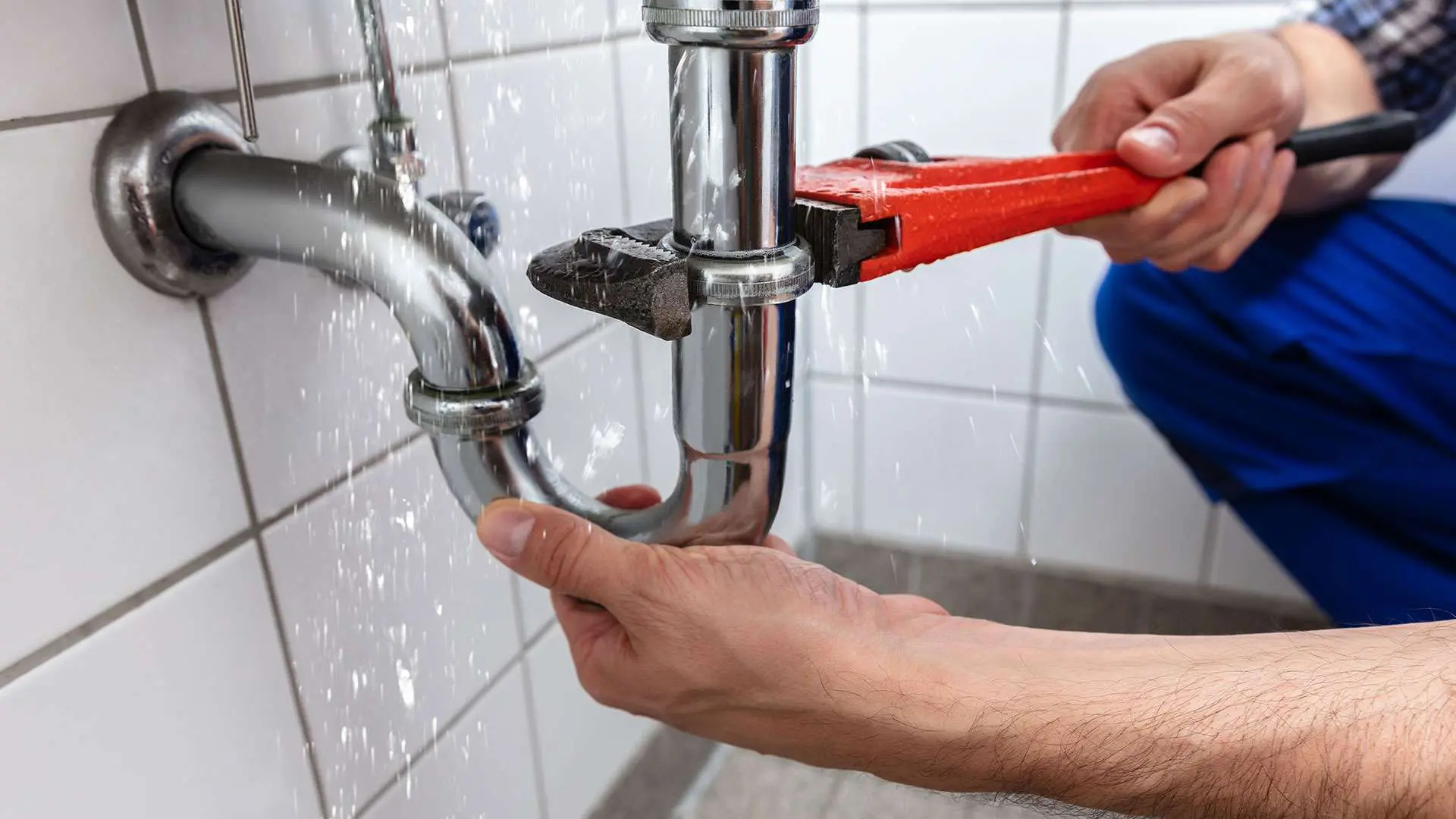
Plumbing fixtures are essential components of any home, providing functionality and convenience in daily life. Over time, however, these fixtures can deteriorate due to age, wear, or underlying plumbing issues. Many homeowners face the dilemma of deciding whether to repair a malfunctioning fixture or replace it entirely. While repairs may seem cost-effective in the short term, there are instances when replacement is a more practical and long-term solution. We will explore the signs that indicate it is time to consider replacing your plumbing fixtures to avoid recurring problems, improve efficiency, and maintain the overall integrity of your plumbing system. Understanding these signs can save time and money and prevent future complications.
Persistent Leaks and Water Damage
One of the most obvious signs that a plumbing fixture needs replacement is persistent leaks. While minor drips can often be repaired, continuous leaking suggests that the fixture has reached the end of its functional lifespan. Leaks not only waste water but can also lead to significant structural damage if left unaddressed. Water stains on walls, ceilings, or floors often indicate hidden leaks that may not be visible immediately. Fixtures that constantly require tightening, seal replacements, or other temporary fixes are likely more trouble than they are worth. Contacting a reliable plumber in Quincy to assess and replace a leaking fixture ensures long-term reliability and prevents further damage to your home, which can be costly to repair. Additionally, persistent leaks can increase your water bills and contribute to mold or mildew growth, creating health risks for your household. Investing in a new fixture eliminates the cycle of recurring repairs and provides peace of mind knowing your plumbing is secure and efficient.
Reduced Water Pressure and Performance Issues
Plumbing fixtures that fail to deliver adequate water pressure or perform inconsistently can be more than a minor inconvenience. Low water pressure in faucets, showers, or sinks may indicate mineral buildup, corrosion, or internal damage that cannot be fully resolved through simple repairs. Over time, deposits from hard water or sediment in older pipes can clog internal components, reducing the fixture’s efficiency. While temporary fixes such as cleaning aerators or replacing washers may offer short-term relief, recurring performance issues often signal that the fixture itself is compromised. A new fixture can restore optimal water flow and enhance overall functionality. Modern plumbing fixtures are also designed with improved efficiency in mind, reducing water consumption while maintaining strong performance. By replacing underperforming fixtures, homeowners not only address current inconveniences but also upgrade to more reliable, cost-effective, and environmentally friendly solutions that enhance daily use and long-term satisfaction.
Corrosion, Rust, and Material Degradation
The materials used in plumbing fixtures are subject to wear and tear over time, particularly in high-moisture environments. Corrosion, rust, and other forms of material degradation indicate that a fixture is nearing the end of its lifespan. Faucets, pipes, and other metal components exposed to water and oxygen can develop rust, which weakens structural integrity and increases the likelihood of leaks or breakage. Plastic or composite fixtures may crack, warp, or discolor due to prolonged exposure to heat, chemicals, or mechanical stress. These issues often go beyond what repairs can address, as the underlying material is no longer reliable. Replacing corroded or degraded fixtures prevents sudden failures that could result in water damage or costly emergency repairs. Upgrading to modern materials, such as stainless steel or durable composites, ensures longer-lasting performance and improved aesthetics, making replacement a worthwhile investment when signs of degradation become evident.
Frequent Repairs and Maintenance Costs
Another clear indicator that it may be time to replace a plumbing fixture is the frequency and cost of repairs. Fixtures that require repeated attention, such as tightening, part replacements, or professional servicing, can quickly become a financial burden. While occasional maintenance is normal, recurring issues suggest that the fixture is no longer functioning as intended and may fail entirely in the near future. Constant repairs disrupt household routines and can be frustrating for homeowners who expect reliable plumbing performance. Replacing the fixture eliminates the need for ongoing maintenance and reduces long-term costs associated with repeated interventions. Additionally, new fixtures often come with warranties or guarantees, offering protection against future malfunctions and providing confidence in their durability. For homeowners seeking stability and efficiency, investing in replacement rather than continual repair ensures a more predictable, trouble-free plumbing experience.
Outdated Fixtures Affecting Efficiency and Comfort
Even if a fixture appears functional, outdated designs can negatively impact home efficiency, comfort, and water conservation. Older faucets, showers, and toilets may not meet current water-use standards, resulting in higher utility bills and greater environmental impact. Modern fixtures are designed to optimize flow, minimize waste, and provide a better user experience. Aging fixtures can also be difficult to clean or maintain, with designs that trap debris or hinder effective operation. Replacing outdated fixtures allows homeowners to benefit from technological advancements, such as water-saving aerators, pressure-balancing valves, or improved drainage systems. Beyond efficiency, aesthetic considerations also play a role. Upgrading fixtures can refresh the look of kitchens and bathrooms, increase property value, and enhance overall satisfaction. When functionality and design improvements are considered alongside persistent issues, replacement often becomes the more practical and rewarding choice.
Deciding whether to repair or replace plumbing fixtures requires careful consideration of several factors. Persistent leaks, reduced water pressure, corrosion, and frequent repair needs are all strong indicators that a fixture has reached the end of its effective lifespan. Additionally, outdated fixtures may limit efficiency and comfort, making replacement a strategic choice for both performance and aesthetics. Replacing fixtures at the right time safeguards the home, enhances convenience, and supports long-term water efficiency, creating a more comfortable and well-maintained living environment for every household.
