

Why do I have bumps on my tongue is one of the most searched oral health questions — and for good reason.
Discovering unexpected bumps can feel alarming, but in most cases, they are completely harmless and temporary.
Your tongue is naturally covered in tiny structures called papillae that hold your taste buds.
When these become irritated, infected, or inflamed, bumps appear.
Some bumps are caused by something as simple as eating spicy food.
Others may signal an underlying health condition that needs attention.
What Are the Small Bumps on My Tongue Normally?
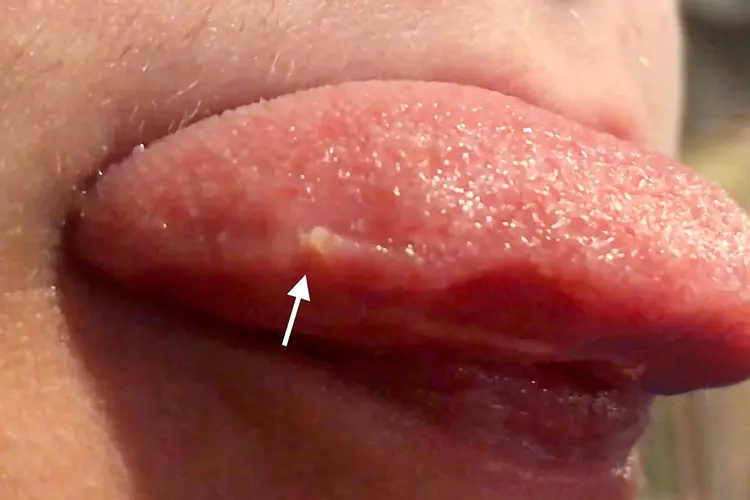
Your tongue is not supposed to be smooth. It has hundreds of natural bumps called papillae, and they serve a real purpose.
Types of Normal Tongue Papillae
| Papillae Type | Location | Function |
|---|---|---|
| Fungiform papillae | Tip and sides | Contain taste buds and temperature sensors |
| Circumvallate papillae | Back of tongue (V-shape) | Large bumps with many taste buds |
| Foliate papillae | Sides of tongue | Folded ridges with taste buds |
| Filiform papillae | All over top surface | Provide texture, no taste buds |
A person usually has 200 to 400 fungiform papillae, mostly at the tip and edges. These are normal, and you should not worry about them unless they suddenly change in appearance, size, or cause pain.
Why Do I Have Bumps on My Tongue? 12 Common Causes
Here is a detailed breakdown of every likely reason bumps appear on your tongue, from the most common to the more serious.
1. Lie Bumps (Transient Lingual Papillitis)
Lie bumps are the single most common cause of sudden tongue bumps. They are small, red or white painful bumps that appear on the tip or sides of your tongue almost overnight.
They happen when your fungiform papillae become inflamed or irritated. Triggers include stress, spicy or acidic food, hot beverages, hormonal changes, and even accidental tongue biting.
The good news is they heal on their own within 2 to 3 days without any treatment. Around 50% of people in the United States experience this condition at some point in their lives.
2. Canker Sores (Aphthous Ulcers)
Canker sores are small, painful ulcers that look white or yellow with a red border. They are not contagious and can appear on the tongue, sides of the mouth, or underneath the tongue.
Common triggers include stress, minor mouth injuries, nutritional deficiencies (especially B12, folate, or iron), and hormonal changes. They typically heal within 1 to 2 weeks without treatment.
If your canker sores are unusually large, appear frequently, or take longer than two weeks to heal, consult a dentist.
3. Oral Thrush (Fungal Infection)
Oral thrush is caused by an overgrowth of Candida yeast in the mouth. It creates white or yellowish raised patches and bumps on the tongue and inner cheeks.
It is more common in people with weakened immune systems, those taking antibiotics, denture wearers, and people with dry mouth. If you scrape off a white patch and see red or raw skin underneath, it is likely thrush.
Treatment involves antifungal medications prescribed by a doctor or dentist.
4. Cold Sores and Oral Herpes (HSV-1)
The herpes simplex virus type 1 (HSV-1) causes fluid-filled blisters that can appear on the tongue, lips, or inside the mouth. These are painful and can recur throughout a person’s life.
Cold sores are contagious through saliva or direct contact. While there is no cure, antiviral medications like acyclovir or valacyclovir can shorten healing time and reduce the severity of outbreaks.
5. Geographic Tongue (Benign Migratory Glossitis)
Geographic tongue creates a map-like pattern of smooth red patches with white or light-colored borders on the surface of the tongue. These patches can shift location over time, which is how the condition got its name.
It is a harmless inflammatory condition. The exact cause is unknown, but it has been linked to stress, hormonal changes, allergies, and nutritional deficiencies. No treatment is usually required unless the tongue becomes sore, in which case topical medications may help.
6. Allergic Reactions
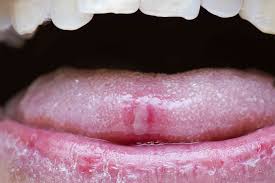
Certain foods, oral hygiene products, medications, or dental materials can trigger allergic responses that cause tongue swelling, bumps, or inflammation.
Common food triggers include shellfish, nuts, citrus fruits, and spicy dishes. If bumps appear suddenly after eating a specific food or using a new product, stop the trigger and consult a healthcare provider.
Severe allergic reactions involving rapid tongue or throat swelling require immediate emergency care.
7. Mouth Injuries and Trauma
Accidentally biting your tongue, burning it with hot food or drinks, or irritation from braces or sharp dental appliances can all cause bumps or swollen spots. These are usually red, raised, and tender.
Most trauma-related bumps heal quickly once the source of irritation is removed. Rinsing with warm salt water and avoiding hard or sharp foods speeds up recovery.
8. Nutritional Deficiencies
A lack of key vitamins and minerals can directly affect your tongue’s health. Deficiencies in vitamin B12, folic acid, iron, and zinc are all linked to tongue inflammation, soreness, and bumps.
B12 deficiency, in particular, can cause the papillae on your tongue to waste away, making it look unusually smooth and red — a condition called atrophic glossitis. If you suspect a deficiency, a simple blood test can confirm it.
9. Leukoplakia
Leukoplakia presents as thick, white or gray patches on the tongue that cannot be scraped off. It is most commonly associated with tobacco use — smoking, chewing, or dipping — as well as alcohol.
It is important to see a doctor if you notice these patches. While not always cancerous, some leukoplakia lesions can be precancerous and may require a biopsy to rule out cancer.
10. Scarlet Fever
Scarlet fever is a bacterial infection caused by Group A Streptococcus. One of its hallmark signs is a “strawberry tongue” — a tongue with bright red, swollen bumps that resemble the surface of a strawberry.
Other symptoms include a bright red skin rash, high fever, and sore throat. It requires prompt antibiotic treatment, especially in children.
11. Sexually Transmitted Infections (STIs)
Certain STIs can cause tongue bumps or sores. Syphilis can produce painless round sores called chancres in or around the mouth. HPV (human papillomavirus) can cause wart-like growths on the tongue.
Oral gonorrhea can also cause sore throat and tongue inflammation. If you have had unprotected oral sex and notice unusual bumps that do not resolve, seek testing and medical evaluation.
12. Oral Cancer (Rare but Serious)
Persistent, painless bumps or sores that do not heal after two weeks could, in rare cases, indicate oral cancer. Oral cancer most commonly appears on the sides of the tongue or the floor of the mouth.
Risk factors include tobacco use, heavy alcohol consumption, HPV infection, and prolonged sun exposure to the lips. The Oral Cancer Foundation reports that over 54,000 Americans are diagnosed with oral cancer annually. Early detection significantly improves treatment outcomes.
Where Are the Bumps Located? What It Tells You
The location of tongue bumps can offer important clues about their cause.
| Location | Most Likely Cause |
|---|---|
| Tip of tongue | Lie bumps (transient lingual papillitis) |
| Sides of tongue | Canker sores, trauma, oral cancer (if persistent) |
| Back of tongue | Circumvallate papillae (normal), infection, tonsil-related issues |
| Underneath tongue | Mucocele, blocked salivary gland, ranula |
| All over tongue | Oral thrush, scarlet fever, geographic tongue |
| White patches on top | Leukoplakia, oral thrush |
What Do Different Bump Colors Mean?
The color of a tongue bump is one of the fastest ways to identify what is going on.
Red Bumps on Tongue
Red bumps are usually caused by inflamed papillae (lie bumps), canker sores in early stages, or scarlet fever. They are often painful and tender to touch.
If red bumps persist longer than two weeks, or if they are painless and growing, see a doctor to rule out more serious conditions.
White Bumps on Tongue
White bumps typically indicate oral thrush, canker sores (which often have a white or yellow center), or the papulokeratonic form of transient lingual papillitis.
White patches that cannot be scraped off are more concerning and may be leukoplakia.
Yellow Bumps on Tongue
Yellow bumps are most often canker sores or a form of transient lingual papillitis. They can also appear with oral infections.
They are usually accompanied by a red border and are quite sensitive to spicy or acidic foods.
Common Symptoms That Come With Tongue Bumps
| Symptom | Possible Cause |
|---|---|
| Pain or sensitivity | Lie bumps, canker sores, trauma |
| Fever with bumps | Scarlet fever, eruptive lingual papillitis |
| White coating | Oral thrush |
| Difficulty swallowing | Severe infection, abscess |
| Bumps after oral sex | STI (syphilis, HPV, herpes) |
| Persistent painless bump | Oral cancer (see a doctor immediately) |
| Swollen lymph nodes | Viral or bacterial infection |
| Bumps in children with fever | Eruptive lingual papillitis (may be contagious) |
How to Treat Bumps on Tongue at Home
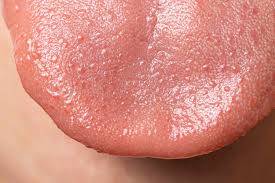
Most tongue bumps do not require medical treatment and can be managed at home with simple remedies.
Warm Salt Water Rinse
Mix half a teaspoon of salt in a glass of warm water. Rinse your mouth for 30 seconds and spit it out. Repeat 2 to 3 times daily.
Salt water reduces inflammation, kills bacteria, and promotes faster healing of minor sores and bumps.
Avoid Food Triggers
Stay away from spicy, acidic, and very hot foods while bumps are present. Citrus fruits, vinegar-based foods, and chili peppers can all worsen irritation and delay healing.
Switch to mild, soft foods like yogurt, bananas, cooked vegetables, and soups until the bumps resolve.
Ice Chips or Cold Compress
Applying ice chips to the tongue or rinsing with cold water can numb the area and reduce swelling temporarily. This works well for bumps caused by mouth injuries or burns.
Do not apply ice directly to skin for prolonged periods. Use crushed ice or allow small chips to melt on your tongue naturally.
Maintain Good Oral Hygiene
Brush your teeth and tongue gently twice a day using a soft-bristle toothbrush. Use an alcohol-free mouthwash to keep bacterial levels in check.
Keeping the mouth clean prevents secondary infections that can turn a minor bump into a more painful problem.
Over-the-Counter Treatments
For pain relief, acetaminophen or ibuprofen can help reduce discomfort. Topical oral gels containing benzocaine can numb painful bumps temporarily.
These are available at most pharmacies without a prescription and are safe for short-term use.
When Should You See a Doctor for Tongue Bumps?
Not every bump requires a doctor visit, but some signs should prompt you to seek professional help without delay.
See a Doctor If:
- Bumps last longer than 2 weeks without improvement
- Bumps are growing in size or spreading
- You notice a painless, persistent bump or sore
- Bumps are accompanied by difficulty swallowing or breathing
- You have unexplained weight loss alongside mouth sores
- White or red patches appear and do not go away
- Bumps appeared after unprotected oral sex
- Your child has tongue bumps with fever and swollen lymph nodes
Go to Emergency Care If:
- Your tongue or throat is swelling rapidly
- You are having difficulty breathing
- You have a severe allergic reaction
- You cannot swallow and have a high fever
How to Prevent Bumps on Tongue
Prevention is always better than treatment. Here are practical steps to reduce the frequency of tongue bumps.
Practice Consistent Oral Hygiene
Brush your teeth at least twice daily and include gentle tongue brushing. Floss once a day and use an alcohol-free antibacterial mouthwash to control bacteria levels.
Consistent hygiene dramatically reduces the risk of infection-related bumps and keeps existing irritation from getting worse.
Watch Your Diet
Include foods rich in vitamin B12, folic acid, iron, and zinc in your daily meals. Eggs, lean meats, leafy green vegetables, beans, and dairy products are excellent sources.
Avoid or limit very spicy, very acidic, or very hot foods if you are prone to tongue bumps.
Stay Hydrated
Dry mouth increases the likelihood of tongue irritation and infections, including oral thrush. Aim to drink at least 8 glasses of water per day.
If you experience chronic dry mouth, speak to a dentist. It may be a side effect of medications or an underlying condition like Sjogren’s syndrome.
Reduce Stress
Stress is a known trigger for canker sores, lie bumps, and cold sore outbreaks. Regular exercise, adequate sleep, and relaxation techniques like deep breathing or meditation can help manage stress levels.
Even small daily habits like taking short walks or maintaining a consistent sleep schedule can make a meaningful difference in oral health.
Avoid Tobacco and Alcohol
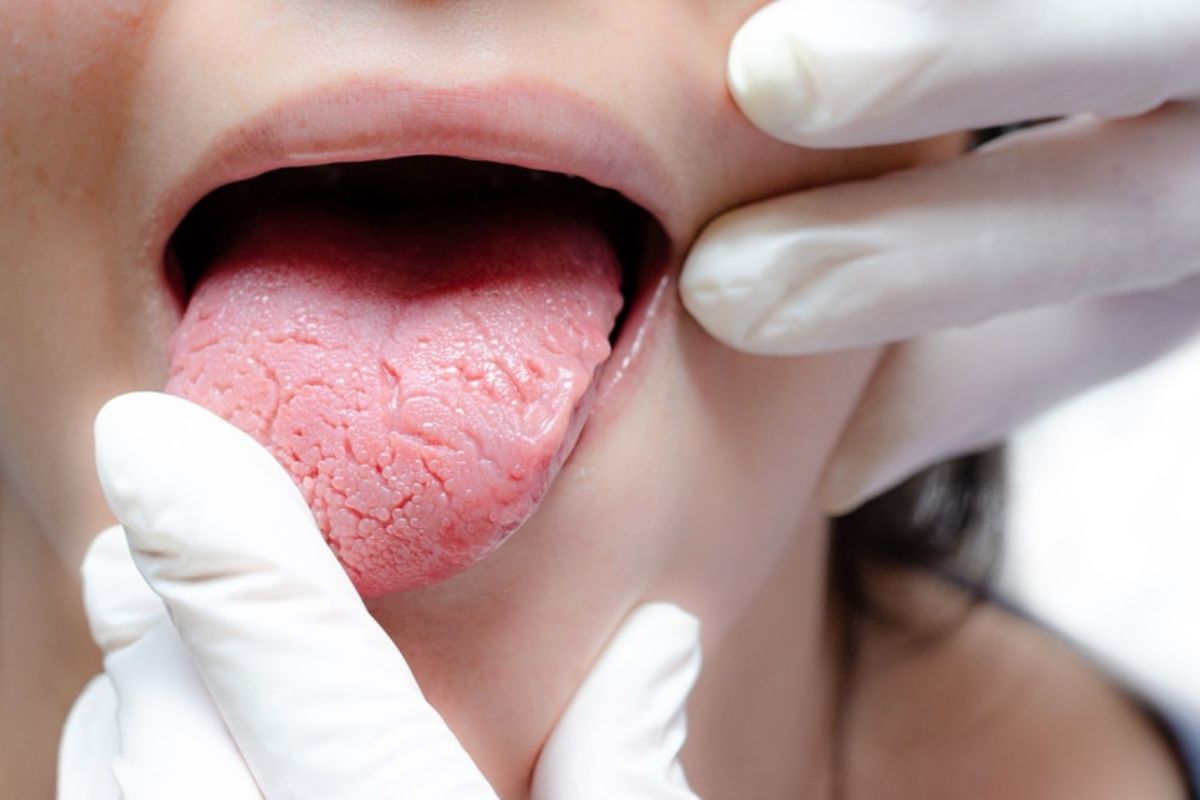
Both tobacco and heavy alcohol use damage oral tissues and significantly increase the risk of leukoplakia and oral cancer. Quitting smoking is one of the most impactful steps you can take for your oral and overall health.
If you use tobacco products in any form, speak to your doctor about cessation programs and support options.
Tongue Bumps in Children: What Parents Should Know
Tongue bumps in children are often harmless but deserve attention, particularly when accompanied by fever or behavioral changes.
Eruptive lingual papillitis is a form of tongue bump condition that primarily affects children. It causes red and white bumps on the tongue alongside fever and swollen lymph nodes. It may be contagious within households.
Children with this condition may suddenly start drooling or refuse to eat due to pain. The condition typically resolves on its own but should be evaluated by a pediatrician if symptoms are severe or spreading.
Scarlet fever is another child-specific concern that causes the characteristic strawberry tongue. If your child has a red rash, high fever, and strawberry tongue, seek medical attention promptly as antibiotics are required.
Tongue Bumps and Oral Cancer: What You Need to Know
Most tongue bumps are not cancer. However, it is important to recognize the warning signs that distinguish a harmless bump from something that needs urgent evaluation.
Oral cancer on the tongue most often appears as a persistent, painless sore or lump on the sides of the tongue. It may appear red, white, or ulcerated and does not heal within two weeks.
Risk factors include heavy smoking, regular alcohol use, HPV infection, and a family history of oral cancer. Early-stage oral cancer is highly treatable, which makes routine dental checkups and early detection critical.
The Oral Cancer Foundation reports that over 54,000 Americans are diagnosed with oral cancer annually. Regular self-examinations of the mouth, including the tongue, are a simple and effective habit to adopt.
Frequently Asked Questions (FAQs)
H4: Why do I suddenly have bumps on my tongue?
Sudden bumps are usually caused by lie bumps (transient lingual papillitis), canker sores, or minor irritation from hot or spicy food. They typically resolve within a few days without treatment.
H4: Are bumps on the back of the tongue normal?
Yes. The large bumps at the very back of your tongue are circumvallate papillae — they are completely normal and present in everyone. They form a V-shaped row and are part of your natural tongue anatomy.
H4: Can stress cause bumps on your tongue?
Yes, stress is a well-known trigger for lie bumps and canker sores. It can also weaken the immune system, making you more susceptible to oral infections that cause bumps.
H4: How long do tongue bumps usually last?
Most harmless tongue bumps, like lie bumps and canker sores, resolve within 2 to 7 days. If a bump lasts longer than two weeks, you should consult a dentist or doctor.
H4: Can I pop a bump on my tongue?
No. Popping or squeezing tongue bumps can introduce bacteria, worsen inflammation, and delay healing. Allow them to resolve naturally or use salt water rinses to speed up the process.
H4: What vitamin deficiency causes bumps on the tongue?
Deficiencies in vitamin B12, folic acid, iron, and zinc are all linked to tongue bumps and inflammation. A blood test can confirm whether a deficiency is contributing to your symptoms.
H4: Are white bumps on the tongue dangerous?
Most white bumps are caused by canker sores or oral thrush and are not dangerous. However, white patches that cannot be scraped off and do not heal could be leukoplakia, which should be evaluated by a doctor.
H4: Can bumps on the tongue be a sign of an STI?
Yes. Syphilis, HPV, and oral herpes can all cause bumps or sores on the tongue. If you have had unprotected oral sex and notice unexplained bumps, consult a healthcare provider and get tested.
H4: How do I get rid of tongue bumps fast?
Rinse with warm salt water 2 to 3 times daily, avoid spicy and acidic foods, stay hydrated, and maintain good oral hygiene. Over-the-counter pain gels can also reduce discomfort while bumps heal.
H4: When should I worry about a bump on my tongue?
Worry if the bump has lasted more than two weeks, is painless but growing, is accompanied by difficulty swallowing, or appeared with unexplained weight loss. These signs warrant immediate professional evaluation.
Conclusion
Bumps on the tongue are extremely common and usually nothing to panic about. In most cases, they are caused by everyday triggers like inflamed taste buds, canker sores, minor injuries, or food sensitivities — all of which resolve on their own within a few days.
Understanding why do I have bumps on my tongue starts with recognizing the type, location, and color of the bump, as these clues point directly to the likely cause.
Simple home remedies like warm salt water rinses, staying hydrated, and avoiding irritating foods go a long way in managing minor bumps.
However, knowing when to seek professional help is equally important.
Any bump that lasts longer than two weeks, grows in size, or comes with warning signs like difficulty swallowing or unexplained weight loss should be evaluated by a dentist or doctor without delay.
Maintaining good oral hygiene, eating a nutrient-rich diet, reducing stress, and avoiding tobacco are the most effective long-term strategies for keeping your tongue healthy.
When in doubt, a routine dental checkup is always a smart first step — early detection makes all the difference when it comes to serious conditions.
