

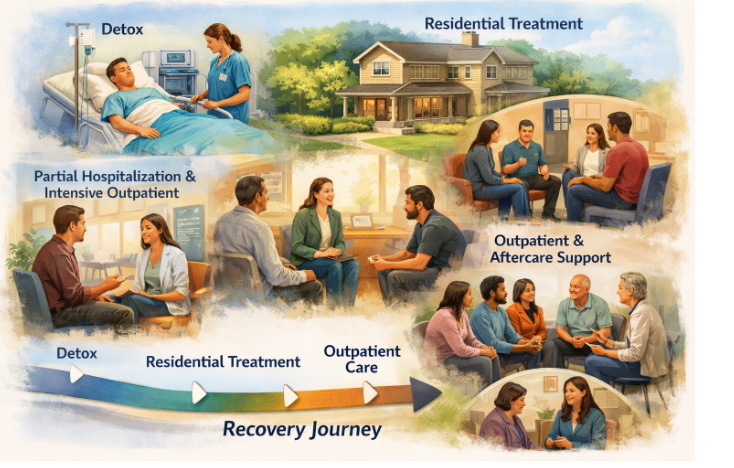
Addiction recovery is not a one-size-fits-all journey. The path to lasting sobriety often requires navigating through different levels of care, each tailored to meet a person’s unique physical, emotional, and psychological needs. Understanding these levels can help individuals and their loved ones make informed choices about the most effective interventions and support systems.
The process begins with acknowledging that addiction is a multifaceted condition. Physical dependence, emotional triggers, behavioral patterns, and social influences all play a role in shaping a person’s relationship with substances. Because of this complexity, recovery programs offer a continuum of care—ranging from intensive inpatient services to outpatient support—that addresses each aspect at the appropriate stage of healing.
1. Detoxification: The First Step to Recovery
Detoxification, or detox, is often the initial phase in any structured recovery plan. During detox, the body is cleared of harmful substances, and withdrawal symptoms are medically monitored to ensure safety. This stage is critical because sudden cessation of certain substances, such as alcohol or opioids, can pose serious health risks.
While detox alone is not considered full treatment, it serves as the foundation for all subsequent recovery efforts. It helps individuals regain physical stability and prepares them to engage fully in therapy, counseling, and other structured programs. Detox can take place in various settings, but many individuals seeking comprehensive care often transition into a drug and alcohol rehab residential program immediately afterward to maintain momentum.
2. Residential Treatment: Immersive Healing Environment
Residential treatment programs, also known as inpatient programs, provide a structured, immersive environment where individuals can focus solely on recovery. These programs typically involve living on-site for a period ranging from 28 days to several months, depending on the severity of addiction and individual needs.
In a residential setting, clients receive round-the-clock care, including medical supervision, counseling, and peer support. Daily schedules are carefully designed to combine therapeutic activities, individual and group counseling sessions, educational workshops, and recreational therapy. This comprehensive approach helps participants develop coping strategies, rebuild routines, and address the root causes of addiction.
One of the key benefits of a drug and alcohol rehab residential program is the removal from external triggers and environments that may have contributed to substance use. Being in a controlled, supportive space allows individuals to focus on self-reflection, personal growth, and skill-building without distractions or stressors from everyday life.
3. Partial Hospitalization and Intensive Outpatient Programs
Not everyone requires full-time residential care. For those with milder addictions or as a transitional step from inpatient treatment, partial hospitalization programs (PHP) or intensive outpatient programs (IOP) offer flexible, yet structured, options.
- Partial Hospitalization Program (PHP): Typically lasting several hours a day, PHP combines therapy, medical oversight, and skill-building activities while allowing participants to return home in the evenings. This level of care is ideal for individuals who need significant support but do not require 24-hour supervision.
- Intensive Outpatient Program (IOP): IOP is similar to PHP but generally involves fewer hours per day. It provides counseling, group therapy, and relapse prevention training while allowing participants to continue with work, school, or family responsibilities.
These programs serve as a bridge between residential treatment and independent living, reinforcing the skills learned in inpatient care while gradually increasing personal responsibility. Many people find success with this approach because it balances support with real-world application.
4. Outpatient Care and Aftercare Support
Recovery doesn’t end when structured programs conclude. Outpatient care, sometimes referred to as aftercare, focuses on maintaining sobriety and preventing relapse over the long term. This level of care can include weekly counseling, support groups, life skills coaching, and check-ins with healthcare professionals.
Outpatient care is particularly important because it helps individuals integrate the lessons learned in residential or intensive programs into their daily lives. Transitioning back into familiar environments can be challenging, and ongoing support significantly reduces the risk of relapse. Peer networks, mentorship programs, and community-based support groups often play a critical role in this stage, providing encouragement, accountability, and a sense of belonging.
5. Specialized Levels of Care
Some individuals may require specialized treatment options tailored to co-occurring mental health conditions or unique life circumstances. Dual-diagnosis programs address both substance use and mental health disorders simultaneously, recognizing that treating one without the other is often ineffective. Other programs may focus on gender-specific care, trauma-informed therapy, or adolescent addiction, ensuring that treatment is relevant and effective for each population.
The existence of these specialized levels of care highlights the importance of individualized treatment planning. Addiction affects everyone differently, and a program that considers personal history, medical needs, psychological factors, and social environment increases the likelihood of sustained recovery.
6. Understanding the Continuum of Care
The concept of a continuum of care emphasizes that recovery is a journey, not a single event. Each level—from detox and residential treatment to outpatient care and specialized programs—represents a step in a broader, coordinated process. Successfully navigating this continuum requires careful assessment, ongoing monitoring, and collaboration among healthcare providers, therapists, and support networks.
For example, someone might begin with detox, transition to a residential program, move into an intensive outpatient program, and finally participate in long-term support groups. Each stage builds on the previous one, providing a layered approach to recovery that addresses both immediate and long-term needs.
7. Making Informed Choices
Understanding the different levels of care allows individuals and families to make informed decisions about treatment. It’s important to recognize that more intensive programs are not necessarily better for everyone. The right choice depends on the severity of addiction, personal circumstances, support systems, and readiness for change.
A thoughtful approach involves:
- Consulting with medical and mental health professionals for an accurate assessment.
- Evaluating the intensity, duration, and focus of different programs.
- Considering personal goals, lifestyle, and available support networks.
- Planning for continuity of care to prevent relapse.
Being informed and proactive can make the recovery journey smoother, more effective, and sustainable over time.
8. Key Takeaways
Navigating addiction recovery requires understanding that there is no single solution. The levels of care—from detox and residential programs to outpatient and specialized support—are designed to provide comprehensive, individualized treatment that addresses physical, psychological, and social needs. Recognizing the importance of a structured continuum of care increases the likelihood of long-term sobriety and personal growth.
Programs such as drug and alcohol rehab residential offer the immersive environment many individuals need to regain stability and develop the skills necessary for a fulfilling life in recovery. Combining this with partial hospitalization, outpatient care, and aftercare support ensures that recovery is not just a temporary phase but a sustainable, lifelong process.
Ultimately, addiction recovery is a journey of self-discovery, resilience, and empowerment. By understanding the different levels of care, individuals can find the right balance of support, structure, and freedom needed to reclaim their lives and embrace a healthier, substance-free future.
