

Why don’t dentists use nitrous oxide anymore is a question patients across the country are asking — and the short answer is that the premise is largely a myth. Nitrous oxide, widely known as laughing gas, has not disappeared from dentistry.
What has changed is how, when, and why dentists choose to use it. Shifts in patient expectations, newer sedation alternatives, cost factors, staff safety regulations, and even environmental concerns have all contributed to its more selective use.
What Is Nitrous Oxide and How Has It Been Used in Dentistry?
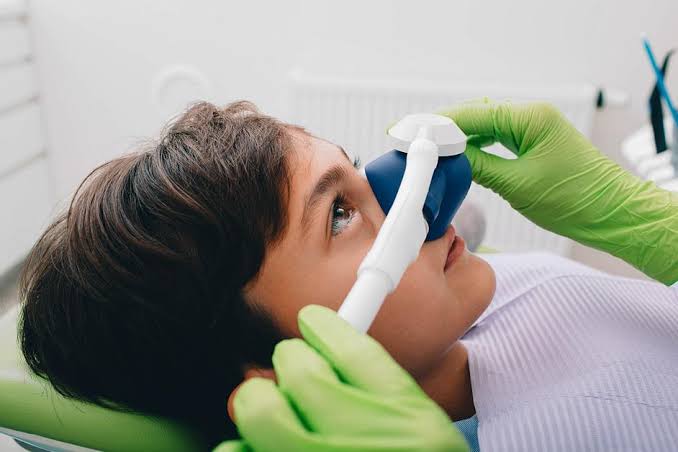
Nitrous oxide is a colorless, slightly sweet-smelling gas that has been part of dentistry for more than 150 years. It was first synthesized by English chemist Joseph Priestley in 1772 and found its dental application in the mid-1800s.
When inhaled through a small nose mask, it slows the body’s reaction time and creates a calm, mildly euphoric state. Patients remain conscious and responsive throughout the procedure.
For decades, it was the go-to tool for managing dental anxiety and mild discomfort during routine procedures. Its rapid onset — taking effect within 30 to 60 seconds — and quick recovery made it ideal for outpatient dental care.
The Myth: Dentists Have Stopped Using Nitrous Oxide
The idea that dentists have stopped using nitrous oxide is a widespread misconception. Nitrous oxide is still actively used in thousands of dental practices across the United States, Canada, the UK, and globally.
It remains particularly prominent in pediatric dentistry, where its safety profile, rapid recovery, and non-invasive administration make it one of the best tools available. Studies from 2015 to 2025 show nitrous oxide achieving 85 to 92% efficacy for mild anxiety cases with fewer than 5% complication rates.
What has actually changed is the context of its use. It is no longer the automatic default for every anxious patient. Dentists now make more individualized sedation decisions based on procedure complexity, patient health history, and available alternatives.
Why Some Dental Practices Are Using Nitrous Oxide Less
While nitrous oxide has not disappeared, its usage frequency has declined in certain practice types. Several overlapping factors have contributed to this shift.
Understanding these factors helps patients ask better questions when discussing sedation options with their dentist. It also clarifies why the experience varies so much from one dental office to another.
The reasons range from cost and regulatory burden to genuine advances in alternative sedation methods that offer better control for complex procedures.
Reason 1 — High Equipment and Maintenance Costs
Setting up and maintaining a nitrous oxide delivery system involves significant financial investment. The equipment includes the gas cylinders, scavenging systems, delivery masks, monitoring hardware, and ongoing maintenance contracts.
Many smaller or newer dental practices find the initial outlay difficult to justify when oral sedation medications can achieve comparable anxiety relief at a fraction of the infrastructure cost.
Ongoing compliance costs — including staff training, equipment inspection, and regulatory paperwork — add further financial pressure on practices that may only occasionally need sedation support.
Reason 2 — Strict Regulatory Requirements and Staff Exposure Concerns
Regulatory requirements around nitrous oxide use have become increasingly strict over the past two decades. Dentists must hold specific sedation permits, and their staff must undergo additional training and certification.
Chronic occupational exposure to nitrous oxide is a genuine health concern for dental workers. Scavenging systems that capture exhaled gas reduce but do not eliminate exposure risk. Long-term exposure has been linked to reproductive health issues and neurological effects in clinical staff.
Many practices have concluded that the regulatory and staff safety burden of maintaining a nitrous oxide system is not worth it when alternative sedation methods carry fewer compliance requirements.
Reason 3 — The Rise of More Effective Sedation Alternatives
Modern dentistry now offers sedation options that provide deeper, more controlled, and more predictable outcomes than nitrous oxide alone. These alternatives have grown significantly in quality and accessibility over the past decade.
Oral sedation involves patients taking a prescribed anti-anxiety medication before their appointment. They arrive already relaxed, and the dentist can begin work without the time needed to titrate gas levels. Oral sedatives such as benzodiazepines offer stronger anxiety relief than nitrous oxide for moderate to severe cases.
IV sedation delivers medication directly into the bloodstream for immediate, deeply controlled sedation. It is preferred for lengthy or invasive procedures where nitrous oxide’s mild sedation is simply not sufficient to keep patients comfortable.
Comparing Sedation Methods Used in Modern Dentistry
| Sedation Type | Depth of Sedation | Onset Time | Recovery Time | Best For |
|---|---|---|---|---|
| Nitrous Oxide | Minimal to mild | 30–60 seconds | 5 minutes | Mild anxiety, short procedures |
| Oral Sedation | Mild to moderate | 30–60 minutes | Several hours | Moderate anxiety, routine work |
| IV Sedation | Moderate to deep | Immediate | 1–4 hours | Complex procedures, severe anxiety |
| General Anesthesia | Deep / unconscious | Minutes | Hours | Major oral surgery |
| Local Anesthesia Only | Pain blocking | Minutes | Varies | Simple procedures, no anxiety |
Reason 4 — Nitrous Oxide Offers Only Mild Sedation
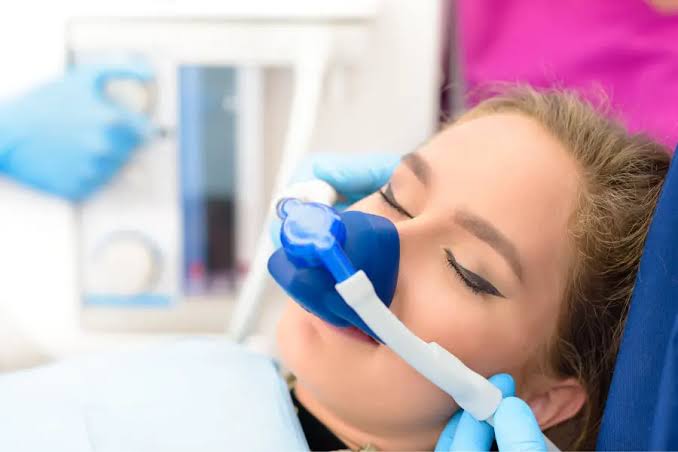
One of nitrous oxide’s core limitations is that it only provides minimal to mild sedation. It reduces anxiety and makes patients feel relaxed, but it is not a powerful pain reliever on its own.
For any significant dental procedure — extractions, root canals, implant placement, or extensive restorative work — local anesthesia must still be administered alongside nitrous oxide. This raises a valid question for many patients: if they still need injections, does the gas add enough value?
For patients with moderate to severe dental anxiety or those needing complex treatment, nitrous oxide simply may not be enough. These cases are now better served by IV sedation or deep oral sedation, both of which provide a more profound and controllable level of comfort.
Reason 5 — Patient Health Contraindications
Nitrous oxide is not suitable for every patient. A meaningful portion of dental patients have health conditions that rule it out as an option, which has contributed to dentists relying on it less as a universal solution.
Patients with respiratory conditions including COPD, asthma, or blocked nasal passages cannot comfortably or safely receive nitrous oxide through a nose mask. The mask-based delivery system becomes ineffective if nasal breathing is compromised.
Patients who have recently consumed alcohol, those with certain heart conditions, thyroid disease, lung disease, or those in the first trimester of pregnancy are also considered contraindicated for nitrous oxide. Vitamin B12 deficiency is another contraindication because nitrous oxide oxidizes cobalt in B12 and can trigger neurological symptoms in deficient patients.
Contraindications for Nitrous Oxide in Dentistry
| Condition | Reason Nitrous Oxide Is Avoided |
|---|---|
| COPD or respiratory disease | Mask delivery compromised, oxygen disruption risk |
| Nasal congestion / blocked airways | Gas cannot be inhaled effectively |
| First trimester pregnancy | Risk of fetal harm from prolonged exposure |
| Vitamin B12 deficiency | Can trigger acute neurological symptoms |
| Heart conditions | Risk of complications with blood oxygen levels |
| Thyroid disease | Increased risk of adverse reactions |
| History of substance misuse | Recreational abuse potential |
| Recent alcohol consumption | Interaction risk with sedative effects |
| Severe claustrophobia | Mask placement may worsen anxiety |
Reason 6 — Inconsistent Effectiveness Across Patients
Nitrous oxide works very well for some patients and barely at all for others. Its effectiveness varies significantly based on individual neurochemistry, anxiety level, and even genetic factors.
Some patients require very high concentrations before experiencing any noticeable calming effect. Pushing the concentration too high increases the risk of side effects including nausea, dizziness, and headaches — particularly common at concentrations above 50%.
This unpredictability makes oral sedation and IV sedation more appealing from a clinical management perspective. Both allow the dentist to more precisely control the depth of sedation and adjust it in real time based on objective patient response rather than subjective reporting.
Reason 7 — Supply Shortages That Accelerated the Shift
In recent years, medical-grade nitrous oxide has experienced significant supply shortages, particularly in the United States. Medical suppliers prioritizing hospital and emergency use left many dental practices unable to source the gas reliably.
This shortage accelerated the transition many practices were already considering. Dentists who shifted to oral or IV sedation protocols during shortage periods often found the alternatives worked as well or better for their patient population.
Supply chain instability has made some practice managers reluctant to rebuild dependency on nitrous oxide even as supply improved, particularly given the infrastructure and regulatory requirements involved in maintaining a compliant system.
Reason 8 — Recreational Misuse and Regulatory Pressure
Nitrous oxide has a well-documented history of recreational misuse. The same properties that make it calming in a dental chair — euphoria, dissociation, and brief intoxication — make it attractive for non-medical use.
In the UK, nitrous oxide was reclassified as a Class C controlled substance in 2023, significantly increasing the regulatory burden on medical and dental providers. Tighter controls mean more paperwork, stricter storage requirements, and more rigorous documentation of every use.
In the United States, the Drug Enforcement Administration (DEA) and OSHA both regulate nitrous oxide use, and practices that cannot or choose not to manage the administrative overhead are increasingly opting out of offering it at all.
Reason 9 — Environmental Concerns and the Climate Factor
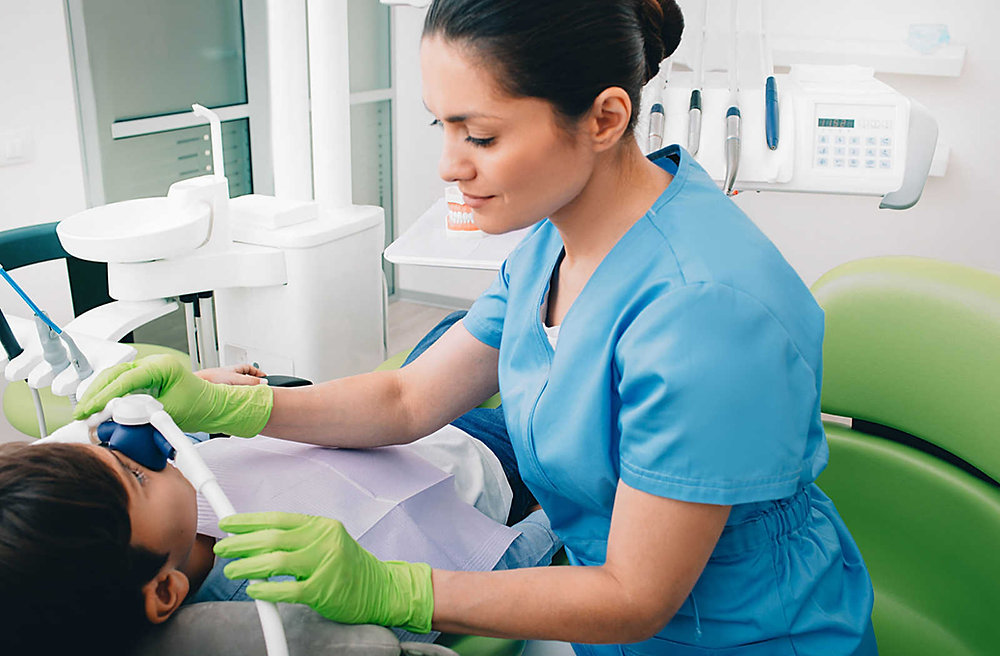
Nitrous oxide is a potent greenhouse gas. It is approximately 265 to 300 times more impactful than carbon dioxide as a warming agent over a 100-year period and also contributes to stratospheric ozone depletion.
A 2026 study published by UCL Eastman Dental Institute found that a single dental sedation episode using nitrous oxide produces an average carbon footprint equivalent to a 72.8-mile journey in a petrol-powered car. The study analyzed nearly 900 sedation appointments across 31 UK dental services.
As healthcare providers increasingly adopt sustainability commitments, some dental practices have chosen to limit or eliminate nitrous oxide as part of broader environmental responsibility strategies. Eco-conscious patients are also beginning to ask about greener sedation options, which is influencing practice-level decisions.
The Environmental Impact of Nitrous Oxide in Dentistry
| Metric | Data |
|---|---|
| N₂O Global Warming Potential | 265–300x more potent than CO₂ |
| Average carbon footprint per appointment | 28.62 kg CO₂ equivalent |
| Equivalent miles driven (petrol car) | 72.8 miles per sedation session |
| N₂O concentration range used clinically | 10% to 70% (average 35%) |
| Wastage at piped supply sites | Average 30% of gas used is wasted |
| Wastage at cylinder sites | Average 4% wasted |
| Studies reviewed (2015–2025) | 25 studies, ~12,500 participants |
| UK regulatory status (since 2023) | Class C controlled substance |
Reason 10 — Advances in Laser and Pain-Free Dental Technology
Innovative dental technologies are also reducing the need for sedation of any kind. Tools like the Solea laser allow many dental procedures to be completed with no drilling noise, minimal vibration, and significantly reduced need for anesthesia.
Laser-based dentistry creates a fundamentally different patient experience. The absence of the dental drill — one of the primary triggers of dental anxiety — removes the source of fear rather than chemically managing the patient’s response to it.
These technological advances represent a philosophical shift in how progressive practices approach patient comfort. The goal is increasingly to eliminate the cause of anxiety rather than sedate patients through it.
Who Still Uses Nitrous Oxide — and Why
Despite all of the above, nitrous oxide remains an excellent and clinically appropriate tool for specific situations. It has not been abandoned by the profession — it has become more targeted in its application.
Pediatric dentistry is where nitrous oxide retains its strongest presence. Its non-invasive delivery, rapid onset, excellent safety record in children, and quick recovery make it the preferred first-line sedation tool for children with dental anxiety. Research shows 85 to 92% efficacy in mild anxiety cases for pediatric patients.
Adult patients with mild anxiety undergoing short, straightforward procedures like cleanings, sealants, or simple fillings also remain excellent candidates for nitrous oxide. Its five-minute recovery time means patients can drive themselves home and return to normal activity immediately — an advantage that oral and IV sedation cannot match.
Nitrous Oxide vs. Alternatives: When Each Is the Right Choice
| Patient Situation | Best Sedation Option |
|---|---|
| Child with mild dental anxiety | Nitrous oxide |
| Adult with mild anxiety, short procedure | Nitrous oxide |
| Adult with moderate anxiety, 1-hour procedure | Oral sedation |
| Severe dental phobia, avoidance history | IV sedation |
| Major oral surgery or extractions | IV sedation or general anesthesia |
| Pregnant patient (2nd or 3rd trimester) | Local anesthesia only (with OB clearance) |
| Patient with COPD or nasal obstruction | Oral sedation or IV sedation |
| Patient who must drive after appointment | Nitrous oxide only |
| Pediatric patient needing multiple teeth treated | Nitrous oxide or general anesthesia |
What This Means for Patients Seeking Dental Sedation
If you have dental anxiety and have been told your dentist does not offer nitrous oxide, you have more options than ever before. Modern sedation dentistry is a genuinely personalized field.
Always discuss your anxiety level, medical history, the type of procedure planned, and your recovery constraints with your dentist before committing to a sedation method. A good dentist will work through these variables to find the right solution for your specific situation.
If nitrous oxide is still available at your practice, do not dismiss it. For mild anxiety and short procedures, it remains one of the safest, most comfortable, and most convenient sedation options in dentistry.
The Verdict: Is Nitrous Oxide Really Gone from Dentistry?
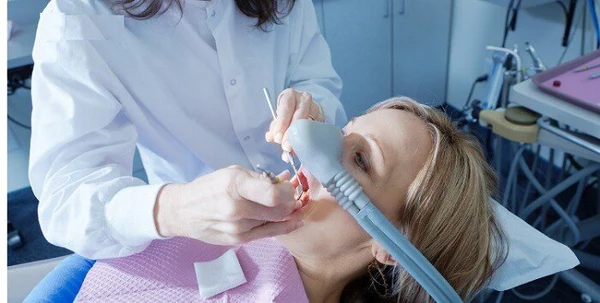
No. The headline that dentists do not use nitrous oxide anymore is a myth. What is accurate is that its role has narrowed from a near-universal default to a targeted clinical tool used when it is genuinely the best option for the patient.
Modern dentistry offers more choices than at any point in history. Nitrous oxide occupies its own lane — mild sedation, rapid recovery, no escort needed, excellent for children — that no other option fully replaces.
The shift is not abandonment. It is refinement. And for patients, that refinement means better, more personalized care rather than less.
Frequently Asked Questions (FAQs)
Do dentists still use nitrous oxide in 2026?
Yes — nitrous oxide is still used in thousands of dental practices worldwide, especially in pediatric dentistry and for patients with mild anxiety undergoing short procedures. The myth that it has been discontinued is false.
Why is nitrous oxide used less frequently now?
Its use has become more selective due to high equipment costs, strict regulatory requirements, staff exposure concerns, the availability of more effective sedation alternatives, and limited effectiveness for complex or lengthy procedures.
What has replaced nitrous oxide in many dental offices?
Oral sedation using prescribed medications like benzodiazepines and IV sedation are now the most common replacements, offering deeper and more controllable sedation for moderate to severe anxiety or complex dental work.
Is nitrous oxide safe for everyone?
No — nitrous oxide is contraindicated for patients with respiratory disease, nasal congestion, first-trimester pregnancy, vitamin B12 deficiency, certain heart and thyroid conditions, and a history of substance misuse.
Can I drive home after nitrous oxide sedation?
Yes — one of nitrous oxide’s biggest advantages is that its effects clear within 5 minutes of removing the mask after oxygen administration, allowing most patients to drive themselves home immediately after their appointment.
Is nitrous oxide bad for the environment?
Yes — nitrous oxide is 265 to 300 times more potent as a greenhouse gas than CO₂. A single dental sedation session produces a carbon footprint equivalent to driving approximately 72.8 miles in a petrol car.
Why can’t some people use nitrous oxide at the dentist?
Patients who cannot breathe comfortably through their nose, who have COPD, asthma, are in their first trimester of pregnancy, or who have a vitamin B12 deficiency cannot safely or effectively receive nitrous oxide sedation.
Is nitrous oxide still used for children at the dentist?
Yes — pediatric dentistry remains the strongest area of nitrous oxide use. Its excellent safety record, fast onset, non-invasive delivery, and 5-minute recovery time make it ideal for children with dental anxiety and short treatment needs.
What are the side effects of nitrous oxide at the dentist?
The most common side effects are nausea, dizziness, and headaches, particularly at higher concentrations. These effects typically resolve within minutes of switching to pure oxygen at the end of the procedure.
Why did some countries restrict nitrous oxide use recently?
The UK reclassified nitrous oxide as a Class C controlled substance in 2023 due to widespread recreational misuse. This significantly increased the regulatory burden on dental and medical providers using it for legitimate clinical purposes.
Conclusion
Why don’t dentists use nitrous oxide anymore is one of the most misunderstood questions in modern dental care. The truth is that nitrous oxide has not been retired — it has been repositioned.
What was once a near-universal default has become a precisely selected clinical tool, used when it genuinely provides the best outcome for the patient.
Dentistry has evolved, and patients now benefit from a broader menu of sedation options tailored to their anxiety level, procedure complexity, health history, and recovery needs. Nitrous oxide still earns its place in that menu, especially for children and adults with mild anxiety facing short procedures.
If your dentist no longer offers it, ask about alternatives and make an informed decision. Modern sedation dentistry exists to remove every barrier between you and a healthier smile.
