

Why is French toast called French toast if the dish never actually came from France? It’s one of those food questions that sounds simple but turns into a real rabbit hole once you start digging.
The truth is, this golden, egg-soaked breakfast has roots in ancient Rome, a French name that may have come from an American innkeeper, and dozens of different names across the globe.
What Is French Toast, Really?

French toast is bread soaked in a mixture of eggs, milk, and often sugar or vanilla, then pan-fried in butter until golden brown.
It’s usually topped with syrup, powdered sugar, or fresh fruit. Despite its fancy-sounding name, it started as a practical way to use up stale bread rather than waste it.
The Ancient Roman Origins of French Toast
The earliest known version of French toast dates back to ancient Rome, long before France even existed as a country.
A Roman cookbook called Apicius included a recipe for “aliter dulcia,” which meant soaking bread in milk and eggs before frying it in oil.
This was not a dessert or a treat at first. It was a frugal solution for using up bread that had gone hard and stale.
Romans across the empire likely spread this technique through trade and conquest, which explains why so many cultures ended up with a nearly identical dish.
Pain Perdu — France’s Own Version of the Dish
The French did eventually develop their own version, and they called it “pain perdu,” which translates to “lost bread.”
This name referred to the fact that stale, otherwise “lost” bread was being rescued and given a second life through soaking and frying.
Interestingly, the French never called it “French toast” themselves. That name came from somewhere else entirely, which is part of why the mystery persists.
German “Arme Ritter” and Other European Cousins
Germany had its own take on the recipe too, known as “arme Ritter,” which means “poor knights.”
This name likely referenced the idea of a humble dish dressed up to look richer than it was, similar to how a poor knight might dress in borrowed finery.
Other European regions developed similar versions with their own local names, all built around the same core idea: soak stale bread, then fry it.
So Why Is French Toast Called French Toast?
Here is where things get genuinely uncertain, because historians don’t have one single confirmed answer. Instead, there are four competing theories, each with some historical backing.
The Joseph French Innkeeper Theory
The most popular story credits an innkeeper named Joseph French, who supposedly created his own version of the dish in Albany, New York, in 1724.
According to legend, he advertised it as “French Toast” instead of “French’s Toast” because he forgot to add the possessive apostrophe.
The French Immigrant Popularization Theory
A second theory suggests the dish became associated with France simply because French immigrants helped popularize it in early America.
Over time, the association between the immigrants and the dish stuck, and the name “French toast” followed naturally.
The Jean Aubergeau Theory
Some food historians point to a French chef named Jean Aubergeau, who is credited with helping popularize the dish in the United States.
Under this theory, his French identity became attached to the recipe itself, even though the dish predated him by centuries.
The Marketing Ploy Theory
The final theory is far less romantic: some believe “French” was simply added as a marketing word to make plain fried bread sound more elegant and appealing.
At the time, anything labeled “French” carried a sense of sophistication, which made the dish more attractive on a menu.
When Did the Term “French Toast” First Appear?
Written references to “French toast” go back further than most people expect, and the phrase has shifted in meaning over time.
| Year | Event |
|---|---|
| 1st century CE | Roman cookbook Apicius records a bread-and-egg dish called aliter dulcia |
| 1660 | The term “French toast” appears in an English cookbook, The Accomplisht Cook |
| 1724 | Innkeeper Joseph French allegedly names his version “French Toast” in New York |
| 1871 | The phrase “French Toast” appears in the Encyclopedia of American Food and Drink |
Notice that the 1660 recipe used wine, sugar, and orange juice instead of the egg-and-milk mixture we know today. The name existed long before the modern recipe did.
Global Names for French Toast
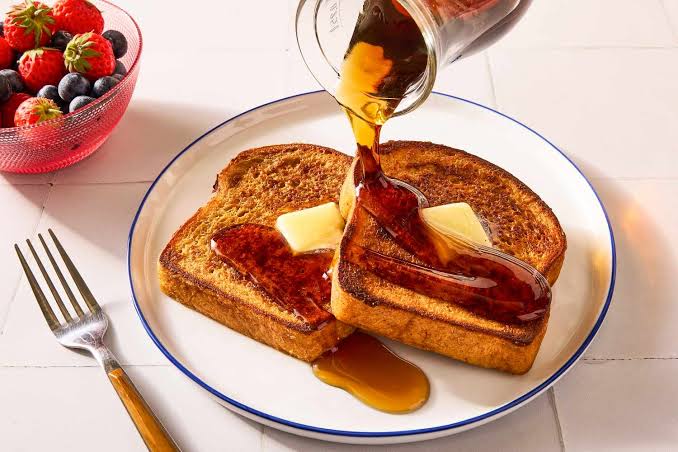
One of the most interesting parts of this story is how many different names the same basic dish has picked up around the world.
| Region | Local Name | Meaning |
|---|---|---|
| France | Pain perdu | “Lost bread” |
| Germany | Arme Ritter | “Poor knights” |
| Britain | Eggy bread / gypsy toast | Descriptive nickname |
| Spain | Torrijas | Regional name, no direct translation |
| Portugal | Rabanadas | Traditional holiday name |
| Hong Kong | Sai do si | Local Cantonese name |
This global variety shows that the dish itself is far older and more widespread than the English name “French toast” suggests.
Is French Toast Actually French?
Based on the evidence, French toast is not actually French in origin. The earliest documented version comes from ancient Rome, centuries before France existed.
The French did create their own version, pain perdu, but they never called it “French toast.” That label was applied later, likely in England or America.
So the honest answer is that French toast is a dish with Roman roots, a French cousin recipe, and an English or American name.
Why the Name Stuck Anyway
Names don’t always need to be accurate to become permanent, and food names are a great example of this.
Once “French toast” appeared in cookbooks and on restaurant menus, it became the standard term that most English speakers recognized and used.
Even after historians uncovered the dish’s Roman origins, the popular name never changed, because habits and familiar language are hard to shift.
French Toast Around the World Today
Modern French toast has taken on countless regional twists, each reflecting local ingredients and tastes.
In Hong Kong, it’s often soaked in extra butter and drizzled with condensed milk or syrup for a richer finish.
In Canada, cooks typically use a cinnamon-spiced custard and always finish the dish with real maple syrup.
In Morocco, thin flatbread is dusted with powdered sugar and dipped into syrup instead of using a traditional egg batter.
Nutritional Snapshot of French Toast
Since eggs and bread form the base of the dish, French toast carries a reasonably balanced nutritional profile before toppings are added.
| Nutrient | Notable Level |
|---|---|
| Protein | Moderate to high |
| Fat | Moderate, mainly from eggs and butter |
| Sodium | Moderate |
| Selenium | Notable source |
| Riboflavin | Notable source |
Toppings like syrup, whipped cream, or powdered sugar significantly change the overall nutrition, so the base recipe and the finished plate can look very different.
Common Myths About French Toast
Because the true origin of the name is uncertain, several myths have grown up around French toast over the years.
One common myth claims the dish was invented in France simply because of its name. As shown above, this isn’t supported by the historical record.
Another myth suggests French toast was always a sweet dessert. In reality, early versions were savory and practical, designed to stretch a household’s food supply.
A third myth claims the recipe has always used the same ingredients. In truth, the 1660 English version used wine, sugar, and orange juice rather than the milk-and-egg base used today.
How French Toast Became a Breakfast Staple in America
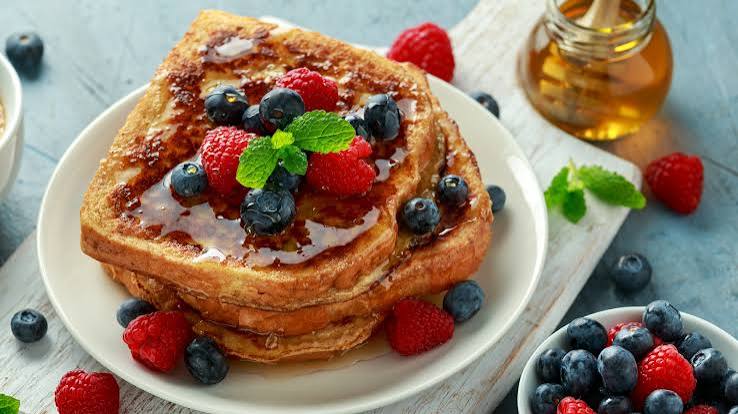
French toast gained popularity in America partly through immigration and partly through the influence of diners and roadside restaurants in the 18th and 19th centuries.
As diners spread across the country, French toast became an easy, affordable menu item that used up day-old bread instead of throwing it away.
By the time it appeared in the Encyclopedia of American Food and Drink in 1871, the dish was already a familiar breakfast item across much of the United States.
Today, French toast is a fixture at diners, brunch spots, and home kitchens, often served alongside bacon, sausage, or fresh fruit.
French Toast vs Similar Dishes
Several breakfast dishes are often confused with French toast because they share similar ingredients or preparation methods.
| Dish | Main Difference |
|---|---|
| French toast | Bread soaked in egg and milk, then fried |
| Pain perdu | The French version, essentially the same recipe |
| Bread pudding | Baked rather than pan-fried, often denser |
| Toad in the hole | A savory dish with eggs cooked inside bread, not soaked |
| Eggy bread | British term for the same basic recipe as French toast |
Understanding these differences helps explain why so many similar-sounding dishes exist across different food cultures.
Tips for Making the Best French Toast
Many home cooks want to recreate a restaurant-quality version of this dish, and a few simple techniques make a noticeable difference.
Using slightly stale bread helps the slices soak up the egg mixture without becoming too soggy or falling apart during cooking.
A short soaking time, usually fifteen to twenty seconds per side, keeps the texture balanced between soft and firm.
Cooking over medium-low heat with enough butter or oil in the pan prevents sticking and helps the outside turn golden brown evenly.
Cultural Significance of French Toast Today
French toast has grown beyond a simple breakfast fix and now appears in upscale brunch menus, food blogs, and specialty bakeries worldwide.
Chefs experiment with brioche, challah, and thick artisan breads to elevate the dish, along with gourmet toppings like crème brûlée-style caramelized sugar.
Despite these modern twists, the basic idea remains unchanged from its ancient Roman roots: rescue stale bread, soak it, and fry it to something delicious.
This blend of ancient practicality and modern indulgence is part of why French toast continues to hold a special place on breakfast and brunch menus everywhere.
Regional American Variations
Even within the United States, French toast recipes and names shift depending on the region and local food traditions.
In the South, cooks often use thick-cut white bread and serve the dish with powdered sugar, cinnamon, and sometimes fried pecans on top.
In New Orleans, a version called “pain perdu” is still used, showing a direct link back to the French Creole heritage of the region.
Bakery-style diners across the Northeast frequently use brioche or challah bread, giving the dish a richer, more custard-like texture than standard white bread versions.
The Role of Bread Type in French Toast
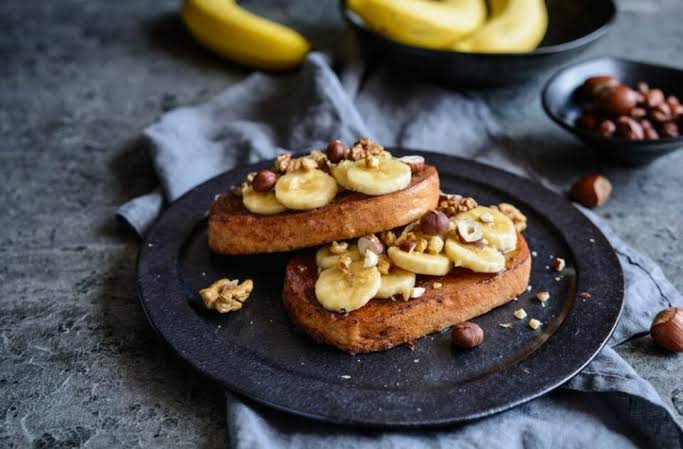
The type of bread used has a major impact on the final texture, flavor, and structure of French toast.
Challah and brioche are popular choices because their slightly sweet, eggy dough soaks up custard without falling apart during frying.
Thicker, denser breads like sourdough or Texas toast hold their shape well and create a heartier, chewier bite.
Thinner sandwich bread can work in a pinch, but it tends to soak up liquid quickly and can turn mushy if left too long in the batter.
| Bread Type | Texture Result |
|---|---|
| Challah | Soft, rich, slightly sweet |
| Brioche | Custard-like, tender |
| Sourdough | Chewy, tangy contrast |
| Texas toast | Thick, hearty bite |
| Sandwich bread | Soft but prone to sogginess |
How Toppings Changed Over Time
Early versions of French toast were far less sweet than what most people expect today, often served with savory additions instead of syrup.
Over the centuries, sugar became more affordable and widely available, which shifted French toast toward the sweeter, dessert-like dish familiar in modern kitchens.
Maple syrup became a standard topping in North America, while powdered sugar and fruit compotes became more common in European and Asian variations.
Modern brunch menus now feature toppings like caramelized bananas, whipped mascarpone, and even bacon crumbles, blending sweet and savory flavors together.
French Toast in Pop Culture and Media
French toast frequently appears in cookbooks, television cooking shows, and social media recipe content, often alongside its curious backstory.
Food bloggers and YouTube creators regularly cover the “why is French toast called French toast” question, which keeps interest in the topic alive year after year.
National French Toast Day, celebrated every November 28th, also brings a wave of renewed attention to the dish’s history and its many regional variations.
This ongoing cultural presence is part of why the naming mystery remains a popular search topic even decades after historians first began investigating it.
Why This Naming Mystery Still Fascinates People
Food names often carry hidden stories, and French toast is a perfect example of how a simple dish can carry centuries of unresolved history.
The gap between the dish’s Roman origins and its French-sounding name creates a natural curiosity that keeps this topic popular in food blogs and trivia articles.
This is also why the question “why is French toast called French toast” continues to trend every year, especially around brunch-heavy holidays and breakfast-themed observances.
Frequently Asked Search Questions People Also Ask
Beyond the core FAQ section below, many readers also search for closely related questions while researching this topic.
Some want to know if French toast is healthy, while others are curious about the exact ratio of eggs to milk used in traditional recipes.
Others search for the difference between French toast and Spanish torrijas, since both dishes share a similar soaked-and-fried bread base.
These related searches show that curiosity about French toast extends well beyond just its name, touching on history, nutrition, and regional cooking styles.
Why Understanding Food History Matters
Learning the real story behind a dish like French toast adds context to something many people eat without a second thought.
It also shows how food names can travel across cultures, get reshaped by marketing, and outlive the actual facts behind them.
This pattern isn’t unique to French toast either, since many familiar dishes carry names that don’t match their true geographic or cultural origins.
Understanding this helps put a familiar breakfast item into a much larger, more interesting historical context.
Quick Recap: Key Facts
Before moving into the FAQ section, here’s a short summary of the core facts uncovered in this guide.
French toast likely originated in ancient Rome, not France. The French version is called pain perdu, meaning “lost bread.”
The English name “French toast” may trace back to an innkeeper, French immigrants, a French chef, or simple marketing. No single theory is fully confirmed by historians.
Regional names like arme Ritter, eggy bread, torrijas, and rabanadas all describe the same basic dish across different cultures. The bread type, soaking time, and toppings used can all change the final texture and flavor significantly.
Despite centuries of changing recipes and ingredients, the core technique, soaking bread and frying it, has remained remarkably consistent since its earliest Roman origins.
Frequently Asked Questions (FAQs)
Why is French toast called French toast if it’s not from France?
The name likely comes from an American innkeeper, French immigrants, or a marketing trend. The dish itself actually originated in ancient Rome.
Who invented French toast?
Ancient Romans created the earliest known version using a recipe called aliter dulcia. It involved soaking bread in milk and eggs, then frying it.
What does pain perdu mean?
Pain perdu is French for “lost bread.” It refers to using stale, otherwise wasted bread to make the dish.
Is French toast really French?
Not originally. The dish traces back to ancient Rome, though the French did create their own version called pain perdu.
Who is Joseph French?
Joseph French was an innkeeper in Albany, New York, said to have named his version “French Toast” in 1724. He allegedly forgot the possessive apostrophe.
What is French toast called in other countries?
It’s called arme Ritter in Germany, eggy bread in Britain, torrijas in Spain, and rabanadas in Portugal, among other names.
When did the term “French toast” first appear in writing?
It appeared in an English cookbook called The Accomplisht Cook in 1660. The modern phrase was later recorded in a food encyclopedia in 1871.
Is French toast the same as pain perdu?
They are essentially the same base concept, soaked and fried bread. The main difference lies in naming, ingredients, and regional preparation style.
Why do some people think French toast was named after a chef?
One theory credits French chef Jean Aubergeau for popularizing the dish in America. His nationality may have influenced the dish’s English name.
Is there a National French Toast Day?
Yes, November 28th is recognized as National French Toast Day in the United States. Many restaurants offer special versions on that date.
Conclusion
So, why is French toast called French toast? The honest answer is that nobody knows for certain, but the leading theories point to an innkeeper named Joseph French, French immigrants who helped popularize the dish, a French chef, or simple menu marketing.
What we do know is that the dish itself is much older than its name, with roots tracing back to ancient Rome and later versions like pain perdu in France and arme Ritter in Germany.
The name “French toast” stuck because it was catchy, familiar, and appeared consistently in cookbooks and menus over centuries. Whether you call it French toast, pain perdu, or eggy bread, the dish remains a beloved breakfast staple loved across cultures and continents today.
The next time you take a bite of golden, syrup-soaked French toast, you’ll know the real story behind its curious, centuries-old name.
