

Why do my bottom teeth hurt all of a sudden is one of the most common dental questions people search for when pain strikes without warning.
One moment everything feels normal, and the next your lower teeth are throbbing, aching, or sensitive to hot and cold.
This sudden discomfort can make eating, talking, and even smiling uncomfortable. The good news is that most causes behind sudden bottom teeth pain are common and treatable once identified.
Common Causes of Sudden Bottom Teeth Pain
Sudden lower tooth pain almost always traces back to one of a handful of dental issues. The table below gives a quick snapshot before we go deeper into each cause.
| Cause | Type of Pain | Usually Affects |
|---|---|---|
| Teeth grinding (bruxism) | Dull, achy, worse in the morning | Multiple bottom teeth |
| Tooth decay or cavity | Sharp, triggered by biting or sweets | One or two teeth |
| Gum recession | Sensitivity to cold and hot | Tooth roots near gumline |
| Cracked or fractured tooth | Sharp pain on release of bite | Single tooth |
| Gum disease | Dull ache, bleeding gums | Gums and surrounding teeth |
| Dental abscess | Throbbing, radiating pain | Tooth root and jaw |
| Sinus infection | Pressure-like ache | Multiple upper and lower teeth |
| Enamel erosion | Zinging pain with cold or sweet | Front and back bottom teeth |
| Aggressive brushing | Soreness near gumline | Exposed root surfaces |
| Recent dental work | Mild, temporary sensitivity | Treated tooth only |
1. Teeth Grinding and Clenching (Bruxism)
Grinding or clenching your teeth puts constant pressure on your bottom teeth, especially while you sleep. Most people never realize they are doing it.
How Bruxism Causes Bottom Teeth Pain
The repeated pressure from grinding wears down enamel over time. Once enamel thins, the sensitive dentin layer underneath gets exposed, leading to sudden pain or sensitivity.
Signs You Might Be Grinding Your Teeth
Waking up with a sore jaw, headaches, or flat-looking front teeth are common clues. Stress and anxiety are frequent triggers for nighttime grinding.
Treatment Options for Bruxism
A custom-fitted night guard is the most common solution, since it cushions your bottom teeth from the pressure of grinding while you sleep. Stress management techniques can also reduce how often it happens.
2. Tooth Decay and Cavities
Cavities do not always announce themselves early. Decay can progress quietly until it reaches the nerve, and that is when pain shows up suddenly.
Why Decay Leads to Sudden Pain
Bacteria produce acid that eats through enamel and dentin. Once decay reaches the tooth’s inner pulp, pain becomes sharp and constant, especially when biting down.
Common Spots for Cavities in Bottom Teeth
Back molars are the most common spot since they are harder to clean thoroughly. Deep grooves on chewing surfaces trap food and plaque easily.
Treatment Options for Cavities
Small cavities are usually treated with a simple filling. Larger or deeper cavities that reach the nerve may require a crown or root canal to save the tooth.
3. Gum Recession
Gum recession happens gradually, but the pain from it often feels like it appeared overnight. Once the roots are exposed, sensitivity becomes noticeable fast.
What Causes Gums to Recede
Aging, genetics, brushing too hard, and gum disease can all cause the gumline to pull back from the tooth surface over time.
How Recession Triggers Sensitivity
Exposed roots lack the protective enamel that covers the crown of your tooth. This makes them highly reactive to cold drinks, hot food, and even cool air.
Treatment Options for Gum Recession
Mild recession can often be managed with desensitizing toothpaste and gentler brushing. More advanced cases may need a gum graft to cover exposed roots.
4. Cracked or Fractured Tooth
A crack does not need to be visible to cause pain. Even a hairline fracture can trigger a sharp jolt when you bite or release pressure.
Types of Cracks That Cause Pain
Cracks can range from tiny craze lines in the enamel to deeper fractures reaching the pulp. The deeper the crack, the more intense the pain.
When a Crack Becomes an Emergency
If pain spikes sharply when releasing a bite, or if you notice a visible line on the tooth, treat it as urgent and see a dentist soon.
Treatment Options for a Cracked Tooth
Minor cracks may only need bonding or a crown to stabilize the tooth. Deeper cracks reaching the pulp often require a root canal, and severe fractures may need extraction.
5. Gum Disease (Gingivitis and Periodontitis)
Gum disease often starts quietly, but as it advances, it can cause your bottom teeth to feel sore, loose, or achy without an obvious trigger.
Early Stage: Gingivitis
Gingivitis causes red, swollen gums that bleed easily during brushing. At this stage, pain is usually mild but can flare up suddenly with irritation.
Advanced Stage: Periodontitis
Periodontitis affects the bone and tissue supporting your teeth. This stage can bring dull aches or sharp twinges near the base of your bottom teeth.
Treatment Options for Gum Disease
Gingivitis often improves with a professional cleaning and better home care. Periodontitis may need deep cleaning, called scaling and root planing, or further periodontal treatment.
6. Dental Abscess or Root Infection
An abscess is a bacterial infection that forms a pocket of pus near the tooth root. It is one of the more serious causes of sudden tooth pain.
Symptoms of an Abscessed Tooth
Throbbing pain that radiates to the jaw or ear, swelling, and sensitivity to pressure are all common signs. Fever can also accompany a severe infection.
Why Abscesses Need Urgent Care
Left untreated, an abscess can spread to the jawbone and surrounding tissue. A dentist may recommend a root canal or extraction depending on severity.
Treatment Options for a Dental Abscess
Treatment usually starts with antibiotics to control the infection, followed by a root canal or extraction to remove the source. Draining the abscess may also be necessary.
7. Sinus Infection and Referred Pain
It might seem strange, but sinus pressure can genuinely make your bottom teeth ache, even though it is more commonly linked to upper teeth.
Why Sinus Pressure Affects Lower Teeth
Inflammation and pressure from a sinus infection can radiate down through nearby nerves. If several teeth hurt at once along with cold-like symptoms, sinus pressure could be the cause.
Treatment Options for Sinus-Related Tooth Pain
Treating the underlying sinus infection with decongestants or antibiotics usually resolves the tooth pain too. If pain lingers after the sinus infection clears, a dental checkup rules out other causes.
8. Enamel Erosion from Acidic Foods and Drinks
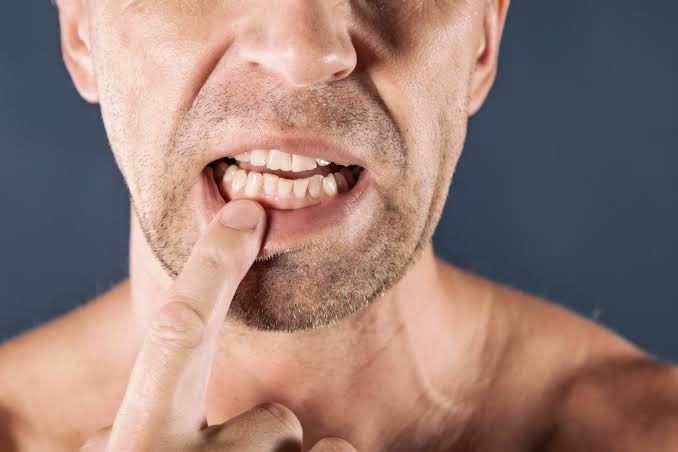
Enamel is strong, but it is not indestructible. Repeated exposure to acidic foods and drinks slowly wears it away, and the pain often feels sudden once it happens.
Foods and Drinks That Wear Down Enamel
Soda, citrus fruits, wine, and sour candy are common culprits. Acid reflux can also expose teeth to stomach acid, accelerating enamel erosion from the inside.
Treatment Options for Enamel Erosion
Fluoride treatments can help strengthen remaining enamel and reduce sensitivity. In more advanced cases, bonding or veneers can protect the tooth surface from further wear.
9. Aggressive Brushing Technique
Brushing harder does not mean brushing better. Over time, aggressive brushing can damage both enamel and gum tissue on your bottom teeth.
How Overbrushing Damages Teeth
Scrubbing too hard wears down enamel and pushes gums back, exposing the sensitive dentin underneath. A soft-bristled brush and gentle strokes protect your teeth better.
Treatment Options for Brushing-Related Damage
Switching to a soft-bristled brush and a lighter grip is usually enough to stop further harm. Desensitizing toothpaste can also help calm existing sensitivity.
10. Recent Dental Treatment Sensitivity
If you recently had a filling, crown, or deep cleaning, some temporary sensitivity in your bottom teeth is completely normal.
How Long Post-Treatment Sensitivity Lasts
Most sensitivity from dental work fades within a few days to a couple of weeks. If it continues beyond that, a follow-up visit is a good idea.
What to Do If Sensitivity Does Not Fade
Using a sensitivity toothpaste can ease symptoms while you wait it out. If pain worsens instead of improving, contact your dentist to check the treated tooth.
11. Bite Misalignment and TMJ Disorders
An uneven bite puts extra pressure on certain teeth every time you chew. Over time, this pressure can cause noticeable pain in your bottom teeth.
How an Uneven Bite Causes Pain
When teeth do not meet evenly, some spots absorb more force than they should. This can lead to soreness, sensitivity, and even jaw discomfort from TMJ strain.
Treatment Options for Bite and TMJ Issues
A dentist may adjust the bite, recommend orthodontic treatment, or provide a splint to relieve pressure on affected teeth and joints.
12. Impacted or Erupting Wisdom Teeth
Wisdom teeth that are partially erupted or impacted can trigger pain that spreads toward your other lower teeth.
Why Wisdom Teeth Affect Bottom Teeth
Bacteria can get trapped under a partially erupted gum flap, causing inflammation. This pressure and infection risk can radiate pain toward nearby bottom molars.
Treatment Options for Wisdom Tooth Pain
Rinsing with warm salt water can ease mild irritation temporarily. If the tooth is impacted or repeatedly infected, extraction is often the long-term solution.
What Your Pain Pattern Can Tell You
The way your bottom teeth hurt often hints at the cause before you even see a dentist. Pain timing, triggers, and location all matter.
Pain That Is Worse in the Morning
Morning pain usually points to nighttime grinding or clenching. Your jaw muscles stay tense for hours, leaving your bottom teeth sore when you wake up.
Pain Triggered by Cold or Sweet Foods
Sharp, quick pain from cold drinks or sweets often signals enamel erosion, gum recession, or an early cavity that has reached the sensitive dentin layer.
Pain That Throbs Constantly
A constant, throbbing ache that does not let up is more likely linked to an infection, abscess, or deep decay that has reached the nerve.
Pain Only When Biting Down
Pain that appears specifically when you bite down often points to a cracked tooth, a loose filling, or an uneven bite putting pressure on one spot.
How Bottom Teeth Pain Differs From Other Toothaches
Bottom teeth are structured slightly differently from upper teeth, which affects how pain presents and spreads.
| Feature | Bottom Teeth | Upper Teeth |
|---|---|---|
| Common referred pain source | Jaw muscles, wisdom teeth | Sinuses |
| Grinding impact | Often more pronounced | Moderate |
| Root exposure risk | High due to thinner gum tissue | Lower in comparison |
| Typical trigger foods | Cold, sweet, acidic | Cold, hot, acidic |
When to See a Dentist for Bottom Teeth Pain
Not every toothache needs an emergency visit, but some symptoms should never be ignored. Use the table below as a quick guide.
| Symptom | Recommended Action |
|---|---|
| Mild sensitivity to cold or sweets | Monitor and use sensitive toothpaste |
| Pain lasting more than 48 hours | Schedule a dental appointment |
| Swelling, fever, or pus | See a dentist immediately |
| Sharp pain when biting down | Book an appointment soon |
| Pain after a dental injury | Seek urgent dental care |
Home Remedies for Temporary Relief
While these tips will not fix the root cause, they can ease discomfort until you see a dentist.
Rinse With Warm Salt Water
A warm salt water rinse can reduce inflammation and clean the area around a sore tooth or irritated gum tissue.
Use a Cold Compress
Applying a cold compress to your jaw can numb the area slightly and reduce swelling from an abscess or injury.
Try Over-the-Counter Pain Relief
Standard pain relievers can help manage discomfort short term, but they are not a substitute for treating the underlying cause.
Switch to Sensitive Toothpaste
Toothpaste formulated for sensitive teeth can help block pain signals from reaching the nerve, especially with cold or hot triggers.
How to Prevent Sudden Bottom Teeth Pain
Wear a Night Guard for Grinding
If bruxism is the cause, a custom night guard from your dentist can protect your enamel while you sleep.
Brush Gently With a Soft Brush
Switching to a soft-bristled brush and lighter pressure protects both enamel and gum tissue over time.
Limit Acidic Foods and Drinks
Cutting back on soda, citrus, and sugary snacks reduces the acid attacks that wear down enamel daily.
Keep Up With Regular Checkups
Routine dental visits catch small problems, like early decay or gum recession, before they turn into sudden pain.
Stay Hydrated Throughout the Day
Saliva helps neutralize acid and wash away food particles. Drinking enough water throughout the day supports this natural protection for your bottom teeth.
Common Myths About Sudden Bottom Teeth Pain
A few misconceptions can delay people from getting the right treatment. Clearing these up helps you respond faster and more accurately.
Myth: Tooth Pain Always Means a Cavity
While cavities are common, sudden pain can just as easily come from grinding, gum recession, or a sinus infection. A dentist can confirm the real cause.
Myth: If the Pain Goes Away, the Problem Is Solved
Pain that fades does not always mean healing. Nerve damage or infection can sometimes cause pain to temporarily disappear before returning more severely.
Myth: Only Sugar Causes Tooth Decay
Sugar plays a big role, but acidic foods, dry mouth, and poor brushing habits all contribute to decay, even without a sweet tooth.
Quick Self-Check Before Your Dental Appointment
Before you see a dentist, it helps to note a few details. This makes diagnosis faster and gives your dentist a clearer picture.
When the Pain Started
Try to remember if the pain came on suddenly or built up gradually. This detail alone can help narrow down several possible causes.
What Triggers the Pain
Note whether cold drinks, sweets, biting, or pressure make it worse. Specific triggers often point toward specific causes like decay or sensitivity.
Whether the Pain Is Localized or Spread Out
Pain in one tooth often suggests decay or a crack. Pain across several teeth is more commonly linked to grinding, gum issues, or sinus pressure.
Any Recent Changes in Habits
Think about recent dental work, new whitening products, or increased stress levels. These changes are often connected to sudden tooth discomfort.
Frequently Asked Questions (FAQs)
Why do my bottom teeth hurt all of a sudden with no injury?
Sudden pain without injury is often caused by grinding, a cavity, or early gum recession. A dentist can pinpoint the exact cause quickly.
Can stress cause my bottom teeth to hurt?
Yes. Stress often leads to jaw clenching or teeth grinding, which puts extra pressure on your bottom teeth and can trigger sudden soreness.
Is it normal for one bottom tooth to hurt more than the others?
Yes, this can happen with grinding or decay, since pressure and damage are often uneven across your teeth rather than spread equally.
Can a sinus infection really cause bottom teeth pain?
Yes. Sinus pressure can radiate to nearby nerves and cause discomfort in both upper and lower teeth, even though it is more common up top.
How long should I wait before seeing a dentist?
If pain lasts more than 48 hours or keeps returning, it is best to schedule an appointment rather than waiting it out.
Can gum disease cause sudden bottom teeth pain?
Yes. Gum disease can progress quietly and then cause a sudden flare of soreness, bleeding, or sensitivity near the affected teeth.
What does it mean if my bottom teeth hurt only when I bite down?
Pain specifically when biting often points to a cracked tooth, a loose filling, or a cavity that has reached deeper layers of the tooth.
Should I worry if my bottom teeth hurt along with swelling?
Yes, swelling combined with tooth pain can signal an infection or abscess and should be checked by a dentist as soon as possible.
Can teeth whitening products cause bottom teeth sensitivity?
Yes. Whitening products can temporarily irritate enamel and nerves, leading to short-term sensitivity that usually fades after treatment stops.
Will sensitive toothpaste fix the real cause of my tooth pain?
No. Sensitive toothpaste can ease symptoms, but it does not treat cavities, cracks, or infections, which still need professional dental care.
Conclusion
Sudden bottom teeth pain can feel alarming, but it usually points to a specific, treatable cause. Grinding, cavities, gum recession, cracked teeth, and infections are among the most common culprits behind this discomfort.
Some causes, like temporary sensitivity after a dental visit, resolve on their own within days. Others, like an abscess or a deep cavity, need prompt professional treatment to prevent bigger problems down the road.
Paying attention to when the pain happens, whether it is triggered by biting, temperature, or pressure, can help you and your dentist narrow down the cause faster.
If your bottom teeth hurt for more than a couple of days, or if you notice swelling, fever, or sharp pain, do not wait it out. A dental checkup can catch the issue early, relieve your discomfort, and protect your smile for the long run.
