

Why does my floss smell like poop even though you brush every single day? This question sounds alarming, but it’s actually one of the most common oral health concerns people search for.
The short answer is that trapped food, bacterial plaque, and gum disease all release volatile sulfur compounds, and these compounds can smell surprisingly close to feces. In most cases, this is your mouth signaling that something between your teeth needs attention.
What Does It Mean When Floss Smells Bad?
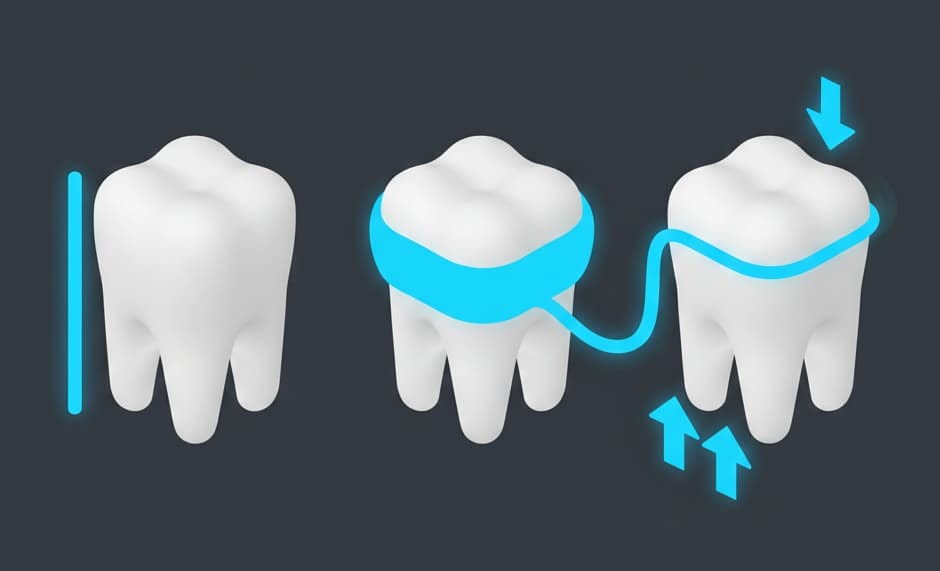
A bad smell on your floss usually means bacteria, plaque, or trapped food is being pulled out from between your teeth.
It’s not the floss itself producing the odor. The floss is simply picking up whatever has been sitting in tight spaces your toothbrush can’t reach.
In small amounts, this smell is fairly normal. But when it’s strong, constant, or smells specifically like feces, it often points to a bigger underlying issue.
The Science Behind the Smell: Volatile Sulfur Compounds
The poop-like odor on floss comes primarily from volatile sulfur compounds, often shortened to VSCs, produced by anaerobic bacteria in your mouth.
These bacteria thrive in low-oxygen environments, such as deep between your teeth and beneath the gumline, which is exactly where floss reaches.
As bacteria break down trapped food and dead cells, they release gases like hydrogen sulfide and methyl mercaptan, both of which have strong, unpleasant smells.
Common VSCs and Their Odor
Different sulfur compounds create slightly different smells, which is why floss odor can range from rotten eggs to something closer to feces.
| Compound | Typical Smell |
|---|---|
| Hydrogen sulfide | Rotten eggs |
| Methyl mercaptan | Decaying cabbage or feces-like |
| Dimethyl sulfide | Sweet, sulfur-like, cabbage odor |
| Putrescine | Decaying flesh, foul organic smell |
Methyl mercaptan in particular is often responsible for the specific fecal-like smell that many people notice on their floss.
Top Causes of Poop-Smelling Floss
There are several possible reasons your floss might carry a strong, unpleasant odor, ranging from minor to more serious.
Trapped Food Particles
Tiny bits of meat, dairy, or fibrous vegetables can lodge tightly between teeth and begin breaking down within about 24 hours.
As bacteria digest this trapped food, they release sulfur gases, which transfer directly onto your floss during use.
Bacterial Plaque Buildup
Plaque is a sticky film of bacteria that constantly forms on your teeth throughout the day, even after brushing.
When plaque isn’t fully removed, it hardens into tartar, which traps even more bacteria and steadily worsens the odor over time.
Gum Disease (Gingivitis and Periodontitis)
Gum disease is one of the most common and serious causes of consistently foul-smelling floss, especially near the gumline.
Inflamed, infected gum tissue creates deep pockets where anaerobic bacteria thrive, producing a stronger and more persistent VSC odor.
Tooth Decay and Cavities
Cavities create small holes in teeth where food and bacteria can become trapped and are very difficult to clean out fully.
This hidden decay can produce a distinct, sour or rotten smell that shows up clearly whenever you floss around the affected tooth.
Dry Mouth
Saliva naturally washes away bacteria and food particles throughout the day, so reduced saliva flow allows odor-causing bacteria to multiply.
Dry mouth can be caused by dehydration, mouth breathing, certain medications, or underlying health conditions affecting saliva production.
Poor Flossing Technique
Skipping days, rushing through flossing, or not reaching the sulcus, the small pocket beneath the gumline, can allow debris to remain untouched.
This means bacteria and food particles keep accumulating in the same spots, leading to a stronger smell each time you finally floss there.
Causes and Their Signs
Here’s a simplified breakdown showing how each cause typically presents itself during daily flossing.
| Cause | Common Sign |
|---|---|
| Trapped food | Smell strongest right after meals |
| Plaque buildup | Consistent mild odor, worse over days |
| Gum disease | Bleeding, swelling, and persistent strong smell |
| Tooth decay | Localized smell around one specific tooth |
| Dry mouth | Odor worse in the morning or after talking a lot |
| Poor technique | Smell concentrated in rarely-flossed areas |
Is a Bad Smell on Floss Normal?
A mild, occasional odor on floss is considered fairly normal and often just means the floss is doing its job.
However, a strong, persistent, or specifically fecal-like smell is not something to ignore, especially if it happens every single time you floss.
This kind of consistent odor is usually your mouth’s way of signaling that bacteria levels or gum health need closer attention.
When Floss Smell Signals Gum Disease

Dental professionals sometimes refer to floss odor as an early warning sign of what’s known as “perio breath,” linked to periodontal disease.
Perio breath happens when bacteria buildup along the gumline triggers inflammation, creating an environment where odor-producing bacteria multiply rapidly.
If you also notice bleeding, redness, or swollen gums alongside the smell, gum disease becomes a much more likely explanation.
Stages of Gum Disease
Gum disease typically develops in stages, and the smell on your floss can shift depending on how advanced it is.
| Stage | Description | Odor Level |
|---|---|---|
| Healthy gums | Pink, firm, no bleeding | Minimal or no odor |
| Gingivitis | Mild redness, occasional bleeding | Noticeable mild odor |
| Early periodontitis | Gum recession, deeper pockets forming | Stronger, more consistent odor |
| Advanced periodontitis | Loose teeth, deep pockets, bone loss | Strong, persistent foul odor |
Catching gum disease at the gingivitis stage is important, since it’s typically reversible with improved oral hygiene and professional cleaning.
The “Perio Breath” Phenomenon
Smelling your floss after use has become a popular self-check method, sometimes referred to online as the “perio breath test.”
This simple habit can help you catch early gum disease symptoms before they progress into more serious, harder-to-treat conditions.
While it might feel a little unusual, dental professionals increasingly recommend this quick check as part of a regular oral hygiene routine.
How Certain Foods Make the Smell Worse
Some foods are more likely than others to get trapped between teeth and produce a stronger sulfur smell once they start breaking down.
Meat and fibrous vegetables like broccoli or celery are common culprits, since small fibers easily wedge into tight spaces.
Dairy products can also contribute, since the proteins in dairy are broken down by bacteria in ways that release strong sulfur compounds.
Sugary and starchy foods feed plaque-forming bacteria directly, which can indirectly worsen odor even if the food itself doesn’t get physically trapped.
Dry Mouth and Its Role in Odor
Saliva plays a major role in naturally rinsing away bacteria, food debris, and odor-causing compounds throughout the day.
When saliva production drops, whether from dehydration, mouth breathing, certain medications, or medical conditions, bacteria are left undisturbed for much longer.
This creates ideal conditions for odor-producing bacteria to multiply, which often results in a noticeably worse smell during flossing.
How to Fix and Prevent Smelly Floss
The good news is that most causes of smelly floss can be improved significantly through consistent, proper oral hygiene habits and small daily adjustments.
Brushing twice daily, flossing once a day, and using an antibacterial mouthwash all work together to reduce bacteria and trapped debris.
Staying hydrated throughout the day also helps maintain healthy saliva flow, which naturally reduces odor-causing bacteria buildup.
Using a tongue scraper can further help, since bacteria on the tongue’s surface also contribute significantly to overall mouth odor.
Proper Flossing Technique Step by Step
Technique matters just as much as frequency when it comes to reducing odor and improving gum health over time.
Gently guide the floss between each tooth using a soft back-and-forth motion, avoiding snapping it forcefully against the gums.
Curve the floss into a C-shape around each tooth, making sure to slide it slightly beneath the gumline, into the sulcus area.
Use a clean section of floss for each tooth, since reusing the same section can simply spread bacteria rather than removing it.
When to See a Dentist
While occasional mild odor is normal, certain signs suggest it’s time to schedule a professional dental evaluation.
Persistent strong odor despite good hygiene, bleeding gums, swelling, loose teeth, or visible dark spots on teeth are all reasons to seek care.
A dentist can identify whether the smell is linked to gum disease, cavities, or another underlying issue that home care alone can’t resolve.
Warning Signs Checklist

Use this quick checklist to decide whether your floss smell warrants a dental visit sooner rather than later.
| Warning Sign | Action Needed |
|---|---|
| Mild, occasional smell | Continue regular hygiene routine |
| Strong smell every time you floss | Improve technique, monitor closely |
| Bleeding or swollen gums | Schedule a dental checkup |
| Smell localized to one tooth | Possible cavity, see a dentist |
| Persistent smell despite good hygiene | Professional evaluation recommended |
The Link Between Floss Smell and Bad Breath
Floss odor and chronic bad breath, known medically as halitosis, often share the exact same root causes.
Both are typically driven by the same anaerobic bacteria producing volatile sulfur compounds in hard-to-reach areas of the mouth.
If your floss consistently smells bad, there’s a strong chance the same bacteria are also contributing to noticeable bad breath throughout the day.
Addressing floss odor through better hygiene often improves overall breath freshness at the same time, since the underlying cause is shared.
Common Myths About Floss Odor
There are several misconceptions people have about what a bad smell on floss actually means for their health.
One common myth is that the smell means something is seriously wrong every single time. In reality, mild odor is often just a normal part of removing debris.
Another myth suggests that mouthwash alone can fully eliminate the smell. Mouthwash helps temporarily, but it doesn’t address trapped debris or underlying gum issues.
A third myth claims that only poor hygiene causes this smell. Dry mouth, medications, and certain health conditions can contribute even with good habits.
How Age and Health Conditions Affect Floss Odor
Certain age groups and health conditions are more prone to experiencing stronger or more frequent floss odor.
Older adults often experience reduced saliva production naturally, which can make bacteria buildup and odor more likely over time.
People with diabetes may also notice stronger floss odor, since the condition can affect gum health and increase susceptibility to infection.
Certain medications, including antihistamines and some blood pressure treatments, are known to cause dry mouth as a side effect, indirectly worsening odor.
The Role of Tongue Bacteria in Overall Mouth Odor
While floss odor focuses on the areas between teeth, bacteria on the tongue’s surface also play a significant role in overall mouth smell.
The back of the tongue in particular can harbor large amounts of odor-producing bacteria, especially in people who don’t regularly clean this area.
Using a tongue scraper alongside regular flossing can noticeably reduce overall bacterial load and improve the freshness of your breath.
Comparing Different Types of Floss for Odor Control
Not all floss types perform the same when it comes to effectively removing debris and reducing odor buildup.
| Floss Type | Effectiveness for Odor Control |
|---|---|
| Waxed floss | Glides easily, good for tight spaces |
| Unwaxed floss | Slightly better grip on debris, may fray |
| Floss picks | Convenient but less effective in tight gaps |
| Water flosser | Excellent for flushing bacteria below gumline |
| Dental tape | Wider surface, good for larger gaps |
Water flossers in particular are often recommended for people prone to gum disease, since they can reach deeper into gum pockets than traditional floss.
Lifestyle Habits That Help Reduce Floss Odor
Beyond brushing and flossing, several everyday lifestyle habits can meaningfully reduce bacteria buildup and odor over time.
Drinking plenty of water throughout the day helps maintain healthy saliva flow, which naturally washes away odor-causing bacteria.
Reducing sugary snacks and drinks limits the fuel available for plaque-forming bacteria, indirectly reducing odor production.
Avoiding tobacco products also helps, since smoking dries out the mouth and contributes significantly to persistent bad breath and floss odor.
How Often Should You Floss to Prevent Odor?
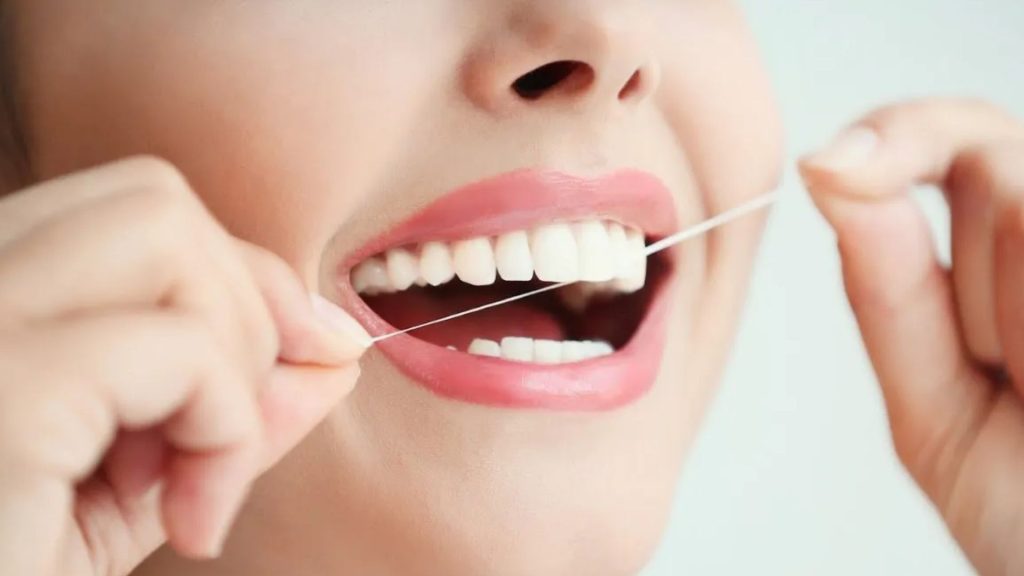
Dentists generally recommend flossing at least once daily to effectively prevent the buildup that leads to persistent odor.
Flossing at night before bed is especially important, since saliva production naturally decreases during sleep, giving bacteria more time to multiply undisturbed.
Skipping flossing for even a few days can allow noticeable plaque and odor to build up, particularly in already-sensitive areas.
Quick Recap: Key Facts
Before moving into the FAQ section, here’s a short summary of the core facts covered in this guide.
A poop-like smell on floss is usually caused by volatile sulfur compounds released by bacteria breaking down trapped food or plaque.
Gum disease, cavities, and dry mouth can all worsen this odor, especially when it becomes strong, persistent, or localized to one area.
Consistent brushing, proper flossing technique, hydration, and regular dental checkups are the most effective ways to reduce and prevent the smell.
Common Related Search Questions
Beyond the direct question of floss odor, many readers also search for closely related dental hygiene topics.
Some want to know why their breath smells bad even after brushing, while others ask whether flossing itself can cause gum damage.
Others search for the connection between floss odor and more serious conditions like sinus infections or digestive issues.
These related searches show that floss odor is often the entry point into a much broader conversation about overall oral and digestive health.
What Your Dentist Can Do About Persistent Odor
If home care doesn’t resolve the smell, a dentist has several tools available to identify and treat the underlying cause directly.
A professional cleaning removes hardened tartar and deep plaque buildup that regular brushing and flossing simply cannot reach on their own.
Dentists can also measure gum pocket depth, which helps determine whether gum disease is present and how advanced it may be.
In cases involving cavities, treating the decay directly often resolves the localized odor that home hygiene alone couldn’t fix.
X-rays may also be used to check for hidden decay between teeth that isn’t visible during a standard visual examination.
Why This Topic Matters for Long-Term Oral Health
Paying attention to floss odor is a simple, low-effort way to monitor your oral health between regular dental visits.
Catching gum disease early, at the gingivitis stage, can prevent much more serious and costly treatment down the road.
This makes the humble habit of smelling your floss a surprisingly useful early warning system for your overall dental wellbeing.
Frequently Asked Questions (FAQs)
Why does my floss smell like poop even though I brush regularly?
Brushing alone often misses tight spaces between teeth and below the gumline. Trapped food and bacteria there can still produce a strong odor.
Is it normal for floss to smell bad?
A mild, occasional smell is normal and shows the floss is working. A strong, persistent smell usually signals an underlying issue.
Can gum disease cause floss to smell like poop?
Yes, gum disease creates bacteria-filled pockets along the gumline. This produces stronger volatile sulfur compounds and a more persistent odor.
What are volatile sulfur compounds?
VSCs are gases produced by bacteria breaking down food and plaque. They’re the main cause of bad breath and floss odor, and they are the same compounds responsible for the smell of rotten eggs.
Does dry mouth make floss smell worse?
Yes, reduced saliva allows bacteria to multiply more easily. This often results in a noticeably stronger smell during flossing.
How can I stop my floss from smelling bad?
Brush twice daily, floss correctly once a day, stay hydrated, and use antibacterial mouthwash. Consistency is key to reducing odor.
When should I see a dentist about floss smell?
See a dentist if the smell is strong, persistent, or paired with bleeding or swollen gums. These can signal gum disease or cavities.
Can certain foods make floss smell worse?
Yes, meat, dairy, and fibrous vegetables are common culprits. They get trapped easily and break down into strong-smelling compounds.
Is smelling your floss a real way to check for gum disease?
Yes, dental professionals recognize this as a simple self-check method. It can help catch early signs of gum disease.
Can a cavity cause a bad smell on floss?
Yes, cavities trap food and bacteria in ways that are hard to clean. This often creates a localized, sour smell.
Conclusion
So, why does your floss smell like poop? In most cases, it comes down to volatile sulfur compounds released by bacteria breaking down trapped food, plaque, or debris hidden between your teeth and along the gumline.
While an occasional mild odor is normal, a strong or persistent smell often points to gum disease, tooth decay, or dry mouth, all of which benefit from closer attention and consistent oral hygiene.
The good news is that better flossing technique, regular brushing, proper hydration, and routine dental checkups can significantly reduce or eliminate the odor over time. If the smell persists despite good habits, don’t ignore it, since your floss may be giving you an early, valuable warning sign worth taking seriously.
Treat this small daily habit as a simple health check rather than an annoyance, and your mouth will likely thank you for it in the long run.
