

Why are my taste buds swollen? It’s a question almost everyone ends up asking at some point, especially after eating something too hot, too spicy, or too acidic.
Those small red or white bumps on your tongue can feel painful and alarming, but in most cases they’re a harmless, temporary reaction rather than a sign of a serious problem.
Why Are My Taste Buds Swollen? Is It Normal
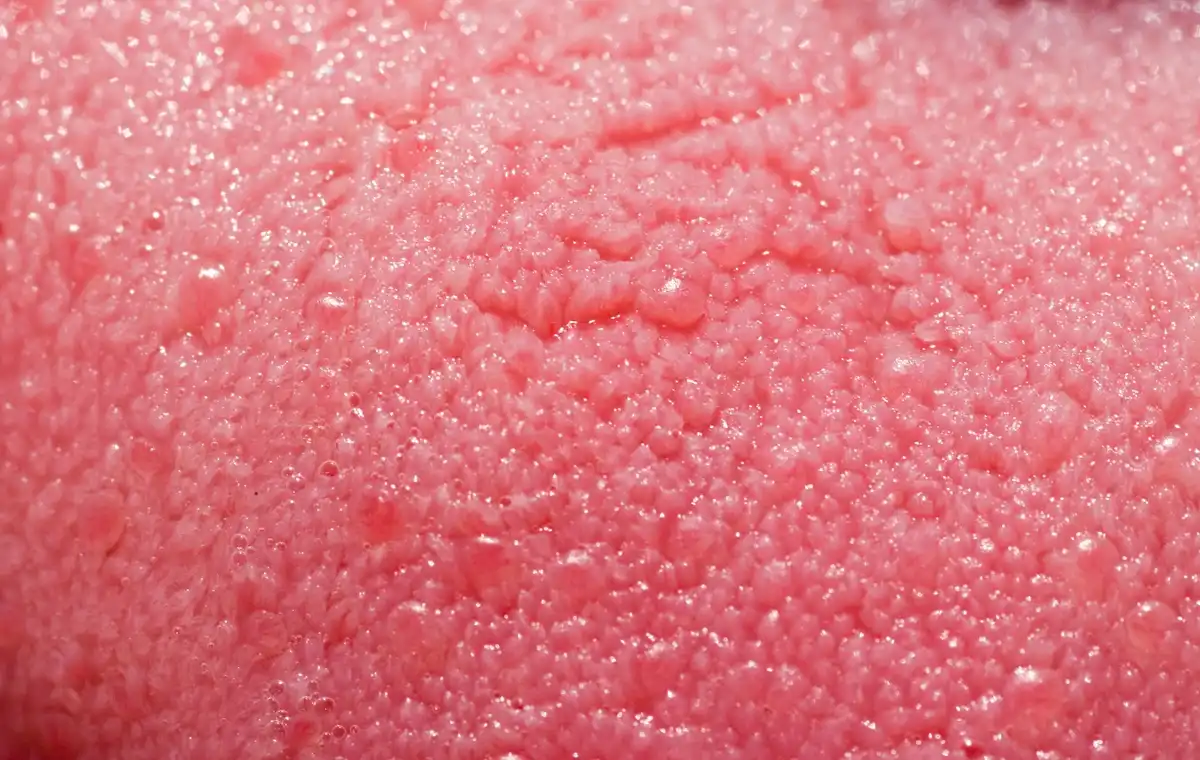
Yes, swollen taste buds are extremely common and usually nothing to worry about. Experts estimate that more than half of people in the United States experience this at some point in their lives.
The bumps you feel aren’t actually your taste buds themselves swelling, but rather the papillae, the small structures on your tongue that house your taste buds, becoming irritated and inflamed.
In most cases, this irritation resolves within a few days without any treatment at all, especially if it was triggered by something simple like hot food or a minor injury.
Common Causes of Swollen Taste Buds
Swollen taste buds can be triggered by a wide range of everyday habits, minor injuries, and underlying health conditions. Identifying the cause helps you figure out the fastest path to relief.
Below are the most frequent reasons your papillae might be irritated and inflamed right now.
Burns from Hot Food or Drinks
Drinking coffee or tea that’s too hot, or biting into pizza fresh from the oven, can easily burn the surface of your tongue.
This burn triggers immediate inflammation in the papillae, creating that raised, tender bump you notice right after the injury occurs.
Spicy or Acidic Foods
Chili peppers, hot sauce, citrus fruits, and vinegar-based dressings can all irritate the delicate tissue on your tongue’s surface.
Repeated exposure to these foods keeps the papillae inflamed longer, which is why frequent spicy food eaters sometimes notice recurring swelling.
Poor Oral Hygiene
Skipping regular brushing and flossing allows plaque and bacteria to build up throughout your mouth, including around your tongue’s surface.
This bacterial buildup can trigger inflammation in the papillae, making swollen taste buds more likely and more frequent over time.
Dry Mouth
When your mouth doesn’t produce enough saliva, bacteria and food particles aren’t washed away as effectively as they should be.
This creates an environment where papillae are more prone to irritation, especially if dry mouth persists for several days in a row.
Smoking and Tobacco Use
Tobacco products contain chemicals that directly irritate the soft tissue lining your mouth, including the papillae on your tongue.
Frequent smokers often experience more regular flare-ups of swollen taste buds compared to non-smokers, along with slower healing times.
Acid Reflux (GERD)
Chronic acid reflux allows stomach acid to travel back up through the esophagus, and in some cases, all the way to the mouth.
This acid exposure can burn and irritate the papillae, leading to swollen taste buds that keep recurring until the reflux itself is managed.
Allergic Reactions
Certain foods, medications, and even oral care products like toothpaste or mouthwash can trigger a mild allergic reaction on contact with your tongue.
This reaction often shows up as sudden, localized swelling, sometimes alongside other symptoms like tingling or mild itching in the mouth.
Stress
While the exact mechanism isn’t fully understood, many people report flare-ups of swollen or inflamed papillae during periods of high stress.
Stress may weaken your immune response and increase inflammation throughout the body, which can make your tongue more reactive to everyday irritants.
Vitamin Deficiencies
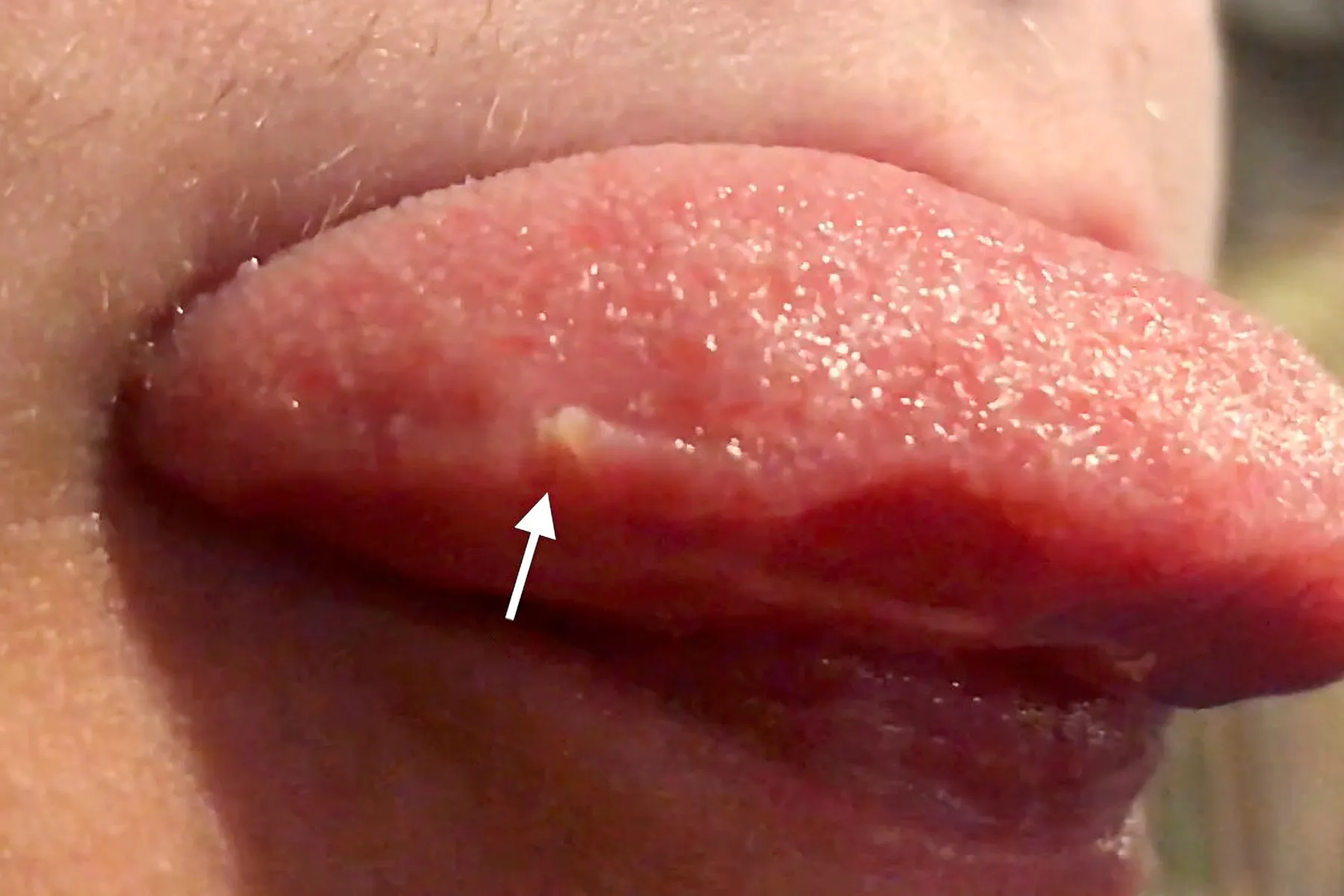
A lack of essential nutrients, particularly vitamin B and iron, has been linked to inflamed papillae and general tongue discomfort.
If swollen taste buds happen frequently without an obvious trigger, a nutritional deficiency could be a contributing factor worth checking.
Viral or Bacterial Infections
Common illnesses like the cold or flu can cause inflammation throughout the mouth and throat, including swelling around the papillae.
Bacterial infections in the mouth can also directly affect the tongue’s surface, sometimes producing more painful or widespread swelling.
Irritation from Braces or Dental Appliances
Braces, retainers, and dentures can rub against the tongue’s surface repeatedly throughout the day, especially right after they’re adjusted.
This constant friction irritates the papillae in the affected area, often leading to localized swelling that improves once the mouth adjusts.
Symptoms That Come With Swollen Taste Buds
Swollen taste buds don’t always look or feel the same for everyone. Recognizing the common symptom pattern can help you understand what’s normal versus what needs attention.
The table below breaks down the most frequently reported symptoms.
| Symptom | What It Looks or Feels Like |
|---|---|
| Red or white bumps | Small raised spots on the tongue’s surface |
| Tenderness | Soreness when touched or when eating |
| Burning sensation | Mild to moderate discomfort, especially with hot food |
| Taste changes | Temporary difficulty tasting certain flavors |
| Fluid-filled bumps | Small blister-like spots in some cases |
| Localized swelling | Puffiness limited to one area of the tongue |
Types of Papillae and Where Swelling Occurs
Your tongue has several different types of papillae, and swelling can affect any of them depending on the cause. Knowing where the swelling shows up can offer clues about what triggered it.
| Papillae Type | Location on Tongue | Common Trigger |
|---|---|---|
| Fungiform | Tip and sides | Burns, spicy foods |
| Filiform | Across the entire surface | Dry mouth, poor hygiene |
| Circumvallate | Back of the tongue, in a V-shape | Acid reflux, infections |
| Foliate | Rear edges of the tongue | Injury, viral illness |
Transient Lingual Papillitis (Lie Bumps) Explained
One of the most common forms of swollen taste buds is known as transient lingual papillitis, often nicknamed “lie bumps” due to an old myth linking them to dishonesty.
This condition causes small, painful bumps to appear suddenly on the tongue, usually without any clear identifiable trigger.
The exact cause remains unknown, though stress, spicy foods, and minor digestive upset are frequently suspected contributors.
The good news is that lie bumps are harmless and typically clear up within a few days on their own, without requiring any specific treatment.
How Long Do Swollen Taste Buds Last?
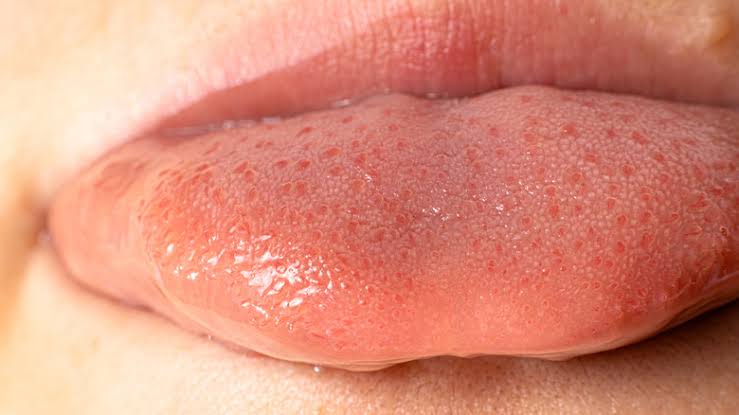
Most cases of swollen taste buds resolve within two to three days once the irritating trigger, such as a burn or spicy meal, has passed.
If the swelling is related to an ongoing issue like acid reflux, dry mouth, or smoking, it may persist longer or keep recurring until that root cause is addressed.
Swelling that lasts longer than two weeks, or that keeps coming back in the same spot, is worth having examined by a dentist or doctor to rule out other causes.
Home Remedies for Swollen Taste Buds
Most swollen taste buds can be managed comfortably at home using simple, gentle remedies while your tongue heals naturally.
These approaches focus on reducing irritation and supporting your mouth’s natural healing process.
| Remedy | How It Helps |
|---|---|
| Warm salt water rinse | Reduces bacteria and soothes irritation |
| Ice or cold water | Numbs discomfort and reduces swelling |
| Staying hydrated | Keeps saliva flowing and mouth moist |
| Avoiding spicy or acidic foods | Prevents further irritation while healing |
| Over-the-counter oral gel | Provides temporary numbing relief |
| Soft, bland diet | Reduces friction and discomfort while eating |
How to Prevent Swollen Taste Buds
While you can’t avoid every possible trigger, a few consistent habits can significantly lower how often you experience swollen taste buds.
Let your food and drinks cool slightly before eating, especially soups, coffee, and freshly cooked meals straight from the stove or oven.
Maintain a steady oral hygiene routine, including brushing twice daily and flossing, to keep bacteria levels in your mouth under control.
Limit frequent exposure to very spicy or acidic foods if you notice they consistently trigger irritation on your tongue.
Stay well hydrated throughout the day, since a dry mouth environment makes your papillae more vulnerable to irritation and inflammation.
When Swollen Taste Buds Could Signal Something Serious
While the vast majority of cases are harmless, there are certain warning signs that shouldn’t be ignored when it comes to tongue swelling.
A bump that doesn’t go away after two weeks, especially one located on the side of the tongue, should be evaluated by a professional.
Bleeding, rapid growth, or a hard, fixed lump are signs that need prompt medical attention, as these can occasionally point to more serious underlying conditions.
Difficulty swallowing, unexplained weight loss, or persistent pain that interferes with eating are also symptoms that warrant a closer look from a healthcare provider.
When Should You See a Doctor or Dentist?
If your swollen taste buds are accompanied by fever, difficulty swallowing, or a change in how food tastes that doesn’t improve, it’s a good idea to schedule an appointment.
A dentist can rule out oral hygiene issues, dental appliance irritation, or infection, while a doctor can assess for reflux, allergies, or nutritional deficiencies.
Anyone who smokes or drinks heavily and notices a persistent, painful bump on the side of the tongue should be especially proactive about getting it checked.
Swollen Taste Buds in Children
Children can experience swollen taste buds just as often as adults, usually from the same everyday triggers like hot food, minor injuries, or viral illness.
Kids may have a harder time describing the discomfort, often complaining more generally about tongue pain or reluctance to eat certain foods.
Cold foods like ice pops or yogurt can help soothe the area, and most cases in children clear up within the same few-day timeframe seen in adults.
Foods and Drinks to Avoid While Healing
While your tongue recovers, certain foods and drinks can slow healing or make the swelling feel worse than it needs to.
Citrus fruits, tomatoes, and vinegar-based foods tend to sting irritated papillae and should be avoided until the area feels less tender.
Carbonated drinks and alcohol can also aggravate the tissue, so sticking with water or mild, non-acidic beverages is a better choice during recovery.
Very crunchy or hard foods, like chips or toast, can physically scrape against the swollen area, so softer foods are gentler while healing.
Common Myths About Swollen Taste Buds
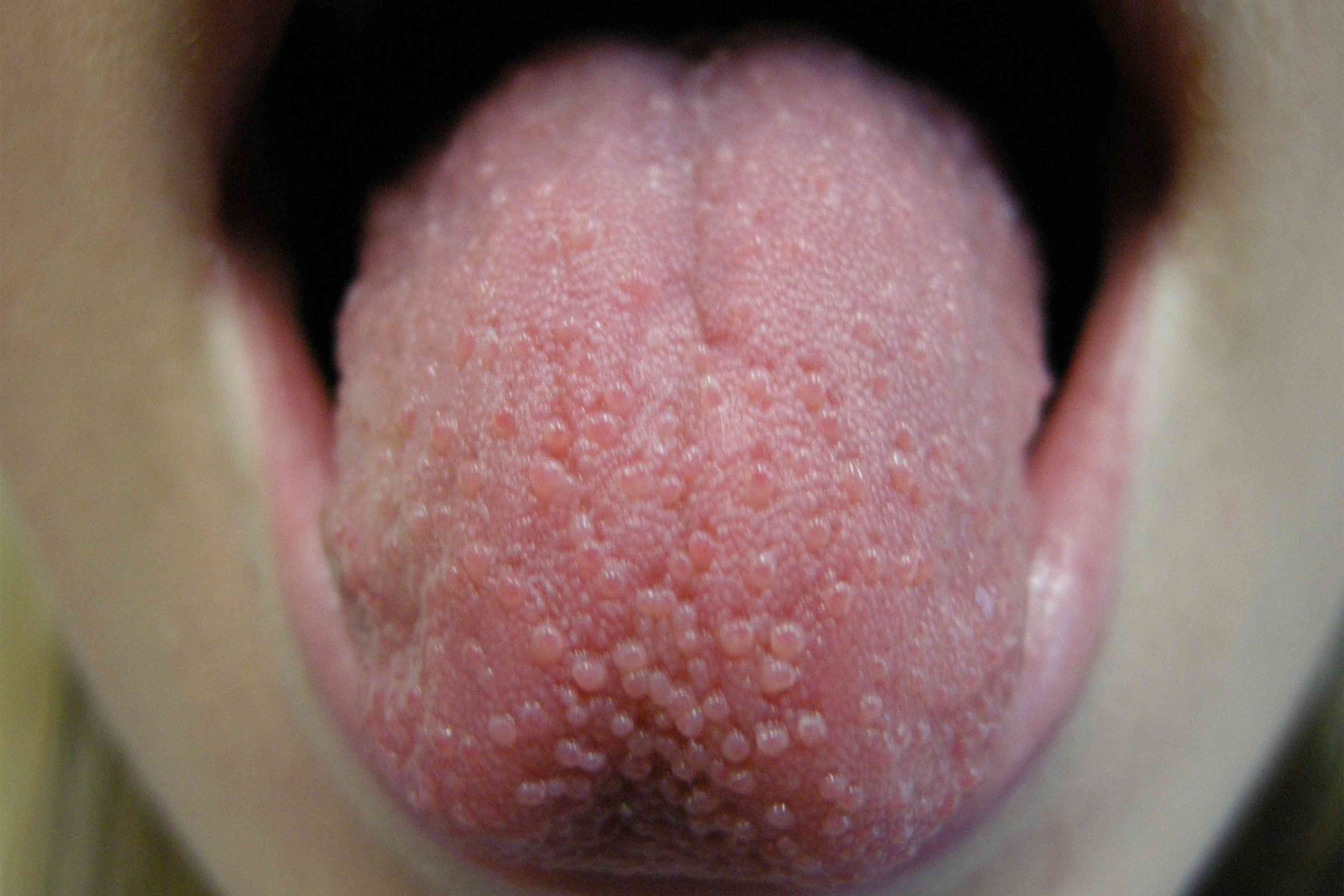
There are a surprising number of myths surrounding swollen taste buds, and clearing them up can ease unnecessary worry.
One popular myth claims that these bumps appear because someone has been lying. In reality, there’s no scientific link between honesty and papillae swelling.
Another myth suggests that swollen taste buds always indicate a serious illness. Most cases are simply the result of minor, everyday irritation.
Some people also believe popping or picking at the bump speeds up healing. This actually increases the risk of infection and should always be avoided.
Finally, many assume the swelling permanently affects taste. In almost all cases, normal taste sensation returns fully once the irritation resolves.
The Science Behind Papillae and Taste Bud Swelling
Your tongue is covered in thousands of small bumps called papillae, and most of these house the actual taste buds responsible for detecting flavor.
When papillae become irritated, whether from heat, acid, friction, or infection, the surrounding tissue responds by sending extra blood flow to the area to begin repairing the damage.
This increased blood flow is what causes the visible redness and puffiness you notice. It’s the same basic healing response your skin has when you get a minor cut or burn.
Because taste buds themselves are microscopic and located within the papillae, what you’re actually seeing swell is the papillae structure, not the taste buds directly, even though the term “swollen taste buds” is used casually to describe this.
This healing response typically peaks within the first day or two before gradually settling down as the irritated tissue repairs itself.
Swollen Taste Buds vs Canker Sores: What’s the Difference?
It’s easy to confuse swollen taste buds with canker sores since both can appear on or near the tongue and cause discomfort while eating.
The table below highlights the key differences so you can tell them apart more confidently.
| Feature | Swollen Taste Bud | Canker Sore |
|---|---|---|
| Appearance | Small red or white raised bump | Round or oval sore with a white center |
| Location | On the papillae, tongue surface | Inside cheeks, lips, or tongue |
| Pain level | Mild to moderate | Often more intense |
| Healing time | A few days | One to two weeks |
| Trigger | Heat, spice, friction, acid | Stress, minor injury, certain foods |
Lifestyle Factors That Increase Your Risk
Certain everyday habits can make you more prone to frequent taste bud swelling, even if you’re not doing anything obviously harmful.
Eating very hot meals quickly, without letting them cool, is one of the most common everyday habits that leads to repeated tongue burns.
Chewing gum excessively or breathing frequently through your mouth can also dry out the tongue’s surface, making papillae more reactive to irritation.
People who consume alcohol regularly may notice more frequent flare-ups, since alcohol can dehydrate the mouth and irritate soft tissue over time.
Diet Tips to Support a Healthy Tongue
A tongue-friendly diet can reduce how often you deal with swollen taste buds and support faster healing when irritation does occur.
Including foods rich in vitamin B and iron, such as leafy greens, eggs, and lean meats, supports healthy tissue repair throughout your mouth.
Drinking enough water throughout the day keeps your mouth properly hydrated, which reduces the friction and dryness that often trigger papillae irritation.
Cooling down hot meals before eating, and choosing milder seasoning options when your tongue already feels sensitive, can prevent unnecessary flare-ups.
Quick Summary Table: Cause, Symptom, and Fix
| Cause | Main Symptom | Best Fix |
|---|---|---|
| Burns from hot food | Localized tender bump | Cool rinse, avoid reheating irritation |
| Spicy or acidic foods | Burning sensation | Bland diet, avoid triggers |
| Poor oral hygiene | Recurring bumps | Improve brushing and flossing |
| Dry mouth | Widespread irritation | Increase hydration |
| Acid reflux | Recurring swelling | Manage reflux, avoid trigger foods |
| Stress | Sudden lie bumps | Stress management, rest |
Over-the-Counter Products That Can Help
A few simple products from your local pharmacy can speed up comfort while a swollen taste bud heals naturally on its own.
Oral numbing gels containing benzocaine can temporarily reduce pain, making it easier to eat and drink normally while your tongue recovers.
Alcohol-free mouthwashes are gentler on already irritated tissue compared to alcohol-based rinses, which can sting and slow the healing process.
Vitamin B complex supplements may be worth considering if swelling happens frequently and a deficiency is suspected as an underlying cause.
Frequently Asked Questions (FAQs)
1. Why are my taste buds suddenly swollen?
Sudden swelling is often caused by a burn, spicy food, or minor injury. It usually resolves within a few days.
2. Are swollen taste buds contagious?
No, in most cases swollen taste buds are not contagious. They’re typically caused by irritation, not an infectious condition.
3. Can stress really cause swollen taste buds?
Yes, stress is a recognized trigger for transient lingual papillitis. The exact mechanism isn’t fully understood but it’s commonly reported.
4. How do I know if it’s serious?
Swelling lasting more than two weeks or accompanied by bleeding needs evaluation. Most short-term cases are harmless.
5. Can acid reflux cause swollen taste buds?
Yes, stomach acid reaching the mouth can irritate the papillae. Managing reflux often reduces how often this happens.
6. Do swollen taste buds affect how food tastes?
Temporarily, yes, since inflamed papillae can dull taste sensation. Normal taste typically returns once healing is complete.
7. What’s the fastest home remedy for relief?
A warm salt water rinse combined with staying hydrated works well. Avoiding spicy and acidic foods also helps speed recovery.
8. Can children get swollen taste buds too?
Yes, children experience this just as often as adults. The same causes and remedies generally apply to both.
9. Should I pop a swollen taste bud?
No, picking or popping increases infection risk significantly. Let it heal naturally with gentle home care instead.
10. When should I see a dentist about it?
See a dentist if swelling persists beyond two weeks or worsens. Also seek care if it’s painful enough to affect eating.
Conclusion
Swollen taste buds are one of the most common and least worrying tongue issues you can experience, usually triggered by something as simple as hot food, spicy meals, or minor irritation.
The papillae on your tongue react quickly to these triggers, creating those tender red or white bumps that typically fade within a few days without any special treatment.
Staying hydrated, practicing good oral hygiene, and avoiding known irritants like acidic foods can go a long way in preventing repeat flare-ups.
While the vast majority of cases resolve on their own, persistent swelling, bleeding, or a bump that lingers for more than two weeks deserves a closer look from a dentist or doctor.
Understanding what’s normal versus what’s a warning sign helps you respond calmly, manage discomfort effectively, and know exactly when professional care is genuinely necessary.
With a little patience and the right at-home care, most people find their tongue feels completely normal again within just a few short days.
