

Why do earrings smell is a question almost everyone with pierced ears asks at some point, usually right after taking off a pair and catching a whiff of something cheesy.
The short answer is that it’s almost always a natural buildup of skin oils, sweat, dead skin cells, and bacteria trapped around the earring post and backing.
Why Do Earrings Smell? What Causes That Cheesy Earring Smell?
The Science Behind “Ear Cheese”
Your skin constantly sheds dead cells and produces an oily substance called sebum from glands all over your body, including your earlobes.
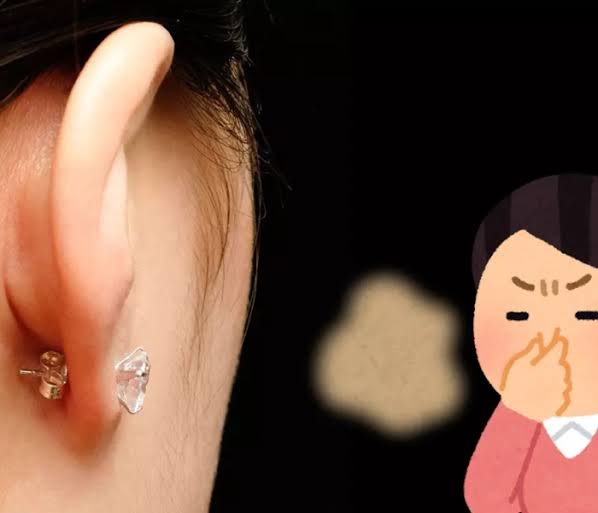
When earring backs sit against your skin, they trap this sebum along with sweat and dead skin cells in a small, low-airflow space.
Bacteria naturally living on your skin feed on this trapped mixture, breaking it down into compounds that smell similar to aged cheese or stinky feet.
This is the same basic process that makes feet smell after wearing closed shoes all day, just happening on a much smaller scale at your ear.
Why Earring Backs Make It Worse
Earring backs, especially flat rubber or screw-on styles, press directly against the skin and block the airflow that normally helps dry out sebum.
During a shower, this covered area doesn’t get rinsed as thoroughly as the rest of your skin, allowing the buildup to thicken over time.
Large stud backs or statement earrings cover even more surface area, which means more skin cells get trapped underneath with each wear.
New Piercings vs Older Piercings
Fresh piercings tend to produce more smell because your body responds to the healing wound by speeding up new skin cell production.
This faster turnover means more dead cells get shed into the piercing channel, giving bacteria extra material to work with.
Older, fully healed piercings can still smell if earrings are worn for long stretches without being removed and cleaned.
Is Earring Smell Normal or a Sign of a Problem?
Most earring odor is completely normal and harmless, but it’s worth knowing the difference between ordinary buildup and something that needs attention.
| Category | What You’ll Notice | What It Means |
|---|---|---|
| Normal buildup | Mild waxy smell, off-white or yellowish residue, no pain | Routine sebum and dead skin cell buildup |
| Possible allergy | Itching, redness limited to the piercing, dry or flaky skin | Reaction to metal, often nickel |
| Possible infection | Thick yellow or green discharge, throbbing pain, spreading redness | Bacterial infection requiring medical care |
Normal buildup typically improves quickly once you clean your ears and earrings, with no lasting redness or tenderness afterward.
An allergic reaction tends to flare specifically with certain metals and calm down once those earrings are removed for a few days.
An infection usually gets progressively worse rather than better, and often comes with a smell that’s sharper or more unpleasant than typical ear cheese.
Common Causes of Smelly Earrings
Sebum and Dead Skin Cell Buildup
This is by far the most common cause, and it happens to nearly everyone who wears earrings regularly.
Sebum mixes with shed skin cells to form a sticky, pasty substance that smells stronger the longer it sits unwashed.
Sweat From Exercise or Heat
Sweat trapped against earring backs dries into a residue that combines with existing buildup to intensify the odor.
Removing earrings before intense workouts is a simple way to prevent this particular contributor from adding to the smell.
Hair and Skin Care Product Residue
Hairspray, dry shampoo, and styling oils can settle onto your earlobes and earring posts throughout the day without you noticing.
These products often contain silicones and fragrances that coat the metal and skin, trapping bacteria underneath the residue.
Low-Quality or Reactive Metals
Earrings made from nickel or mixed alloys can react with skin, increasing oil production and irritation around the piercing.
This reaction doesn’t just smell different, it can also lead to increased discharge if the skin becomes inflamed over time.
Tight or Overly Secure Backs
Backs that are pushed on too tightly compress the skin and block the airflow that would otherwise help dry out trapped buildup.
This is especially common with screw-back earrings, which create a more enclosed pocket than simple friction backs.
Sleeping in Earrings
Sleeping with earrings in traps sweat and oil against the skin for hours without any chance to air out or get cleaned.
Side sleepers in particular tend to notice stronger odor on the ear that gets pressed into the pillow most often.
Gauges and Stretched Piercings
Stretched piercings have more surface area inside the channel, giving bacteria a larger space to multiply and produce buildup.
This means gauge wearers often need a more frequent and thorough cleaning routine compared to standard lobe piercings.
Material Comparison: Which Earrings Smell Less?
The metal your earrings are made from plays a real role in how quickly and strongly odor develops.
| Material | Odor Risk | Why |
|---|---|---|
| Surgical steel | Low | Non-porous, resists corrosion, minimal skin reaction |
| Titanium | Low | Hypoallergenic, doesn’t react with sweat or oils |
| 14k–18k solid gold | Low | Dense metal, low reactivity, smooth surface |
| Gold-plated or mixed alloy | Medium | Plating can wear off, exposing reactive metals underneath |
| Nickel-containing costume jewelry | High | Common allergen, increases oil and discharge production |
Choosing solid, hypoallergenic metals won’t eliminate ear cheese entirely, since that buildup happens regardless of material.
However, it will reduce the added odor and irritation that comes specifically from a skin reaction to lower-quality metal.
How to Get Rid of Earring Smell
Step One: Remove and Inspect Your Earrings
Take your earrings out and look closely at the backs and posts, where buildup tends to collect the most visibly.
If you have a fresh piercing, skip removing the jewelry itself and focus on gently cleaning around it instead.
Step Two: Clean the Earrings Themselves
Wash earrings with mild soap and warm water, using a soft toothbrush to loosen any residue stuck in grooves or crevices.
For extra disinfecting power, wipe metal posts and backs with 70 percent isopropyl alcohol after washing and drying them.
Step Three: Clean the Piercing Area
Use a warm washcloth with mild, unscented soap to clean your earlobe, including the back of your ear where buildup often hides.
For fresh piercings, a sterile saline solution is the safer choice, since alcohol and peroxide can irritate healing skin.
Step Four: Let Your Ears Breathe
Whenever possible, leave earrings out for a few hours, especially before sleeping or showering, to let the area air out fully.
This simple break reduces the moisture and trapped oil that bacteria need to multiply and produce stronger odor.
Step Five: Dry Thoroughly Before Reinserting
Moisture left on the skin or jewelry creates the perfect environment for bacteria to thrive once the earring goes back in.
Pat the area completely dry with a clean towel before putting your earrings back on to minimize buildup.
How Often Should You Clean Your Earrings and Ears?
| Earring Type | Recommended Cleaning Frequency |
|---|---|
| Everyday studs | Every 2–3 days |
| Statement or large-backing earrings | Every 1–2 days |
| Fresh piercings (first 6 weeks) | Daily, with saline only |
| Gauges or stretched piercings | Daily |
| Clip-ons | After each wear |
Sticking to a consistent schedule prevents buildup from accumulating to the point where the smell becomes noticeable to others.
Washing your ears every time you wash your hair is a simple way to fold this habit into a routine you already have.
Do Different Earring Back Types Smell Differently?
Push Backs and Friction Backs
Standard push backs sit loosely enough to allow some airflow, which generally means less trapped moisture compared to sealed styles.
They’re still capable of collecting buildup, but cleaning them is usually quicker since there are fewer crevices for residue to hide in.
Screw Backs
Screw backs create a tighter seal against the skin, which can trap more sebum and sweat in the small gap they form.
Because they thread on slowly, people sometimes leave them in for longer stretches, which gives buildup more time to accumulate.
Flat Backs
Flat back earrings, popular for cartilage and helix piercings, often have a disc-shaped backing that covers more skin than a standard post.
This larger covered surface area is one reason flat backs are frequently mentioned by wearers as a source of stronger odor.
Hoop Earrings and Huggies
Hoops curve closer to the skin along a longer stretch of the earlobe, which can trap buildup along the entire curve rather than one small point.
Cleaning hoops requires wiping the full inner curve, not just the area near the piercing hole, to fully remove trapped residue.
Clip-On Earrings
Clip-ons don’t pierce the skin, but their pads and hinges still collect oil and sweat from direct skin contact throughout the day.
Replacing worn foam or rubber pads on clip-ons periodically can reduce the odor that builds up in older, more porous padding.
Common Myths About Earring Smell
Myth: Only Dirty People Get Smelly Earrings
This is false, since ear cheese results from normal biological processes that happen regardless of how often someone showers.
Even people who clean their ears daily can experience some buildup simply because of how earring backs limit airflow to the skin.
Myth: Real Gold Never Smells
While solid gold reduces the irritation-related component of odor, it doesn’t prevent the basic sebum and dead skin cell buildup underneath it.
Gold earrings can still develop a mild smell over time if they aren’t removed and cleaned on a regular basis.
Myth: A Strong Smell Always Means Infection
Most of the time, even a fairly strong cheesy odor is just buildup that has gone a few days without cleaning.
True infection comes with additional signs like thick discharge, spreading redness, and increasing pain, not smell on its own.
Myth: You Should Use Strong Antibacterial Soap Every Day
Over-cleaning with harsh antibacterial products can dry out and irritate the skin, sometimes making the area more prone to flaking and odor.
Mild, unscented soap used consistently is generally gentler and just as effective as harsh formulas for everyday maintenance.
Special Cases Worth Knowing About
Cartilage and Helix Piercings
Cartilage piercings often take longer to heal than standard lobe piercings, which can extend the period of higher odor during recovery.
The curved, tighter shape of cartilage piercings also makes thorough cleaning slightly trickier than a flat earlobe piercing.
Multiple or Closely Spaced Piercings
Wearers with several piercings close together on one ear may notice combined odor from multiple buildup sites at once.
Cleaning each piercing individually, rather than rinsing the whole ear in one pass, gives better results for multiple piercings.
Hearing Aid Wearers With Pierced Ears
People who wear both earrings and hearing aids may notice extra buildup, since hearing aids also rest against the ear and limit airflow.
In these cases, removing earrings during the day when possible, and cleaning both devices regularly, helps manage compounded odor.
Children’s Ears
Children’s piercings can also develop ear cheese, and parents should follow the same gentle cleaning routine recommended for fresh adult piercings.
Since children may forget to mention discomfort, periodic visual checks for redness or discharge are a good habit for caregivers.
Diet and Hydration
Sebum composition can shift based on hydration and diet, with high-sugar foods and dehydration sometimes intensifying body odor overall.
Drinking enough water and eating a balanced diet can subtly reduce how strong oil-related smells become around your piercings.
Hair Products and Styling Habits
Silicones, oils, and fragranced sprays used during styling routines can settle onto earlobes and contribute to buildup throughout the day.
Rinsing your lobes after heavy styling sessions helps remove this residue before it has a chance to mix with sebum.
Sleep Position
Side sleeping presses one ear into a pillow for hours, trapping sweat and oil against the skin with no airflow at all.
Rotating which side you sleep on, or removing earrings before bed, can noticeably reduce odor on your most-pressed ear.
When Smelly Earrings Signal Something More Serious
Signs of a Metal Allergy
Persistent itching that doesn’t fade, dry or flaky skin around the piercing, and redness limited to the contact area often point to allergy.
Allergic reactions usually appear within a day of wearing a specific metal and calm down once that jewelry is removed.
Signs of Infection
Thick yellow or green discharge, throbbing pain, warmth, and spreading redness beyond the piercing site are signs of possible infection.
Fever or red streaking extending from the piercing requires prompt medical attention rather than home treatment.
When to See a Professional
If symptoms persist after a few days of consistent cleaning, or worsen despite removing the suspected jewelry, consult a dermatologist or piercer.
Patch testing can confirm whether a specific metal, like nickel, cobalt, or chromium, is the true source of ongoing irritation.
Helpful Products for Preventing Earring Odor
Jewelry Cleaning Solutions
Specialized jewelry cleaning solutions are formulated to lift oils and residue without damaging plating or gemstone settings.
These are a gentler option than alcohol for earrings with delicate finishes, pearls, or glued-in stones that alcohol could damage.
Saline Aftercare Sprays
Pre-mixed saline sprays designed for piercing aftercare are convenient for daily use, especially during the first six weeks of healing.
They’re formulated at the right concentration to clean without the stinging or dryness that homemade salt mixtures can sometimes cause.
Soft-Bristled Cleaning Brushes
A small, soft-bristled brush, like one designed for jewelry, makes it much easier to reach into grooves on earring backs and settings.
Using a dedicated brush instead of your fingernail also reduces the risk of scratching softer metals like gold during cleaning.
Hypoallergenic Replacement Backs
Many earring brands now sell replacement backs made from titanium or surgical steel that can be swapped onto existing earring posts.
This is a budget-friendly way to reduce metal-related irritation without needing to replace an entire pair of earrings.
Storage Cases With Ventilation
Storing earrings in airtight containers can trap residual moisture against the metal, encouraging odor to develop even when they aren’t being worn.
Cases or pouches with some airflow help earrings dry out fully between wears, reducing smell that builds up in storage.
Quick Reference: Earring Smell Causes at a Glance
| Cause | Quick Fix |
|---|---|
| Sebum and dead skin buildup | Clean earrings and ears every 2–3 days |
| Sweat from exercise | Remove earrings before workouts |
| Hair product residue | Rinse lobes after heavy styling |
| Reactive metal (nickel) | Switch to titanium, steel, or solid gold |
| Tight backs | Loosen slightly to allow airflow |
| Sleeping in earrings | Remove before bed when possible |
| Stretched piercings or gauges | Clean daily, more thoroughly than standard lobes |
This table summarizes the most common triggers covered throughout this guide, making it easy to match your situation to a fix at a glance.
Most people find that addressing two or three of these factors together brings noticeably faster results than tackling just one at a time.
Frequently Asked Questions (FAQs)
Why do my earrings smell like cheese?
It’s caused by sebum, sweat, and dead skin cells trapped around the earring post mixing with natural bacteria on your skin.
Is it normal for clean people to have smelly earrings?
Yes, even with excellent hygiene, the area under earring backs has limited airflow, so buildup and odor are still common.
How do I know if my earring smell is infection or just ear cheese?
Normal buildup has a mild waxy smell with no pain, while infection brings thick discharge, throbbing pain, and spreading redness.
Can the type of metal cause my earrings to smell more?
Yes, nickel and reactive alloys can irritate skin and increase oil production, intensifying odor compared to hypoallergenic metals.
Should I remove my earrings every night?
Removing earrings before sleep allows the area to air out and reduces moisture buildup, which helps prevent odor.
What’s the best way to clean smelly earrings?
Wash with mild soap and water, then wipe the metal with 70 percent isopropyl alcohol to remove bacteria and residue.
Can sweating from exercise make earrings smell worse?
Yes, sweat trapped against earring backs dries into residue that combines with existing buildup, intensifying the smell.
Is earring smell worse with gauges or stretched piercings?
Yes, stretched piercings have more surface area, giving bacteria a larger space to accumulate buildup and produce odor.
Can my diet affect how my earrings smell?
Diet can influence sebum and sweat composition, with hydration and reduced sugar intake helping minimize overall body odor.
When should I see a doctor about smelly earrings?
See a doctor if you notice thick discharge, worsening pain, spreading redness, or fever alongside the smell.
Conclusion
Smelly earrings are one of the most common, and most commonly misunderstood, hygiene issues that come with wearing pierced jewelry.
In nearly every case, the cause is harmless: a natural mix of sebum, sweat, dead skin cells, and bacteria trapped around the earring backing, often nicknamed “ear cheese.”
The fix is simple and doesn’t require expensive products, just regular cleaning of both your earrings and the skin around your piercing, along with occasional breaks to let your ears breathe.
Choosing hypoallergenic materials like surgical steel, titanium, or solid gold can reduce irritation-related odor, though some buildup is unavoidable for anyone with pierced ears.
The only time to worry is if the smell comes paired with thick discharge, spreading redness, or worsening pain, which are signs to see a professional rather than treat it at home. With a consistent routine, you can keep both your earrings and your ears smelling fresh.
