

Why does my check engine light come on and off is one of the most confusing questions a driver can ask, because unlike a steady warning light, this on-and-off pattern feels random and unpredictable.
Your car’s computer, known as the ECU, is reporting a problem that only shows up under certain conditions, like a specific temperature, speed, or load.
Why Does My Check Engine Light Come On and Off? What Does It Mean
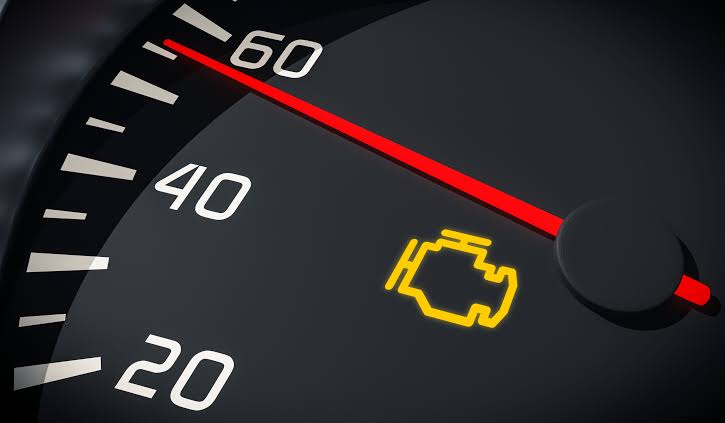
When your check engine light comes on and off, your vehicle’s onboard diagnostics system, called OBD-II, has detected a fault that isn’t happening all the time.
Every car built after 1996 uses this system to monitor your engine, transmission, and emissions controls dozens of times per second.
If the issue only appears under specific conditions, like a cold start or hard acceleration, the light may switch off once those conditions pass.
This is sometimes called a “soft failure,” compared to a “hard failure,” which keeps the light on constantly until repaired.
Two-Trip and Three-Trip Logic Explained
Most modern vehicles use what’s called two-trip or three-trip logic to decide when to trigger the check engine light.
If a sensor fails a test once, the car stores a “pending code” but doesn’t turn the light on yet.
If the same fault happens again on a second drive cycle, the light illuminates and the code becomes confirmed.
This explains why the light can come on, go off after the issue resolves, then return days later when the same fault repeats.
Steady vs Flashing vs Intermittent Check Engine Light
Not all check engine light patterns mean the same thing, and knowing the difference can save you from expensive repairs.
| Light Pattern | What It Means | Action Needed |
|---|---|---|
| Steady (solid) | Confirmed fault, non-emergency | Get scanned within a few days |
| Flashing | Active engine misfire, urgent | Pull over, reduce speed, get towed if needed |
| Intermittent on/off | Soft failure, condition-based fault | Monitor and scan as soon as possible |
A solid light usually points to something like a worn sensor or a minor emissions leak that won’t strand you immediately.
A flashing light is far more serious, since it often signals a misfire that is dumping unburned fuel into your exhaust system.
This unburned fuel can overheat and destroy your catalytic converter within minutes, turning a small repair into a major expense.
An intermittent light sits in between, meaning the fault is real but only triggers under certain driving conditions.
Most Common Causes of a Check Engine Light Coming On and Off
Loose or Faulty Gas Cap
A loose gas cap is the single most common reason a check engine light turns on and then off by itself.
When the cap isn’t sealed properly, fuel vapors escape, lowering pressure in your evaporative emissions system and triggering a code.
If you tighten the cap and drive a few cycles, the ECU often clears the light automatically once it confirms the seal is fixed.
Always check for cracks in the rubber gasket too, since a cracked cap won’t seal even when fully tightened.
Failing Oxygen Sensor
Your oxygen sensor measures unburned oxygen in the exhaust to help the computer balance the air-fuel mixture correctly.
A failing sensor can send inconsistent readings, especially when it’s only slightly degraded rather than completely dead.
This inconsistency is exactly why the light may appear under acceleration or load, then disappear once conditions change.
Over time, an unaddressed oxygen sensor issue will hurt your fuel economy even if the light isn’t currently on.
Catalytic Converter Problems
The catalytic converter reduces harmful emissions by converting exhaust gases into less toxic compounds before they leave the tailpipe.
When it begins to fail, it doesn’t always fail completely, which means it can pass and fail emissions checks intermittently.
This inconsistent performance often triggers code P0420 or P0430, both related to catalytic converter efficiency below the expected threshold.
A failing converter is also commonly linked to a worn oxygen sensor, so both parts should be checked together.
Mass Airflow Sensor (MAF) Issues
The MAF sensor calculates how much air is entering your engine so the computer can deliver the right amount of fuel.
A dirty or failing MAF sensor sends incorrect readings, which can cause rough idling, hesitation, or reduced power.
Because dirt and debris buildup is gradual, the sensor may work fine at idle but fail under higher airflow demand.
In many cases, simply cleaning the sensor with a MAF-specific cleaner resolves the issue without needing a full replacement.
Ignition Coil or Spark Plug Wear
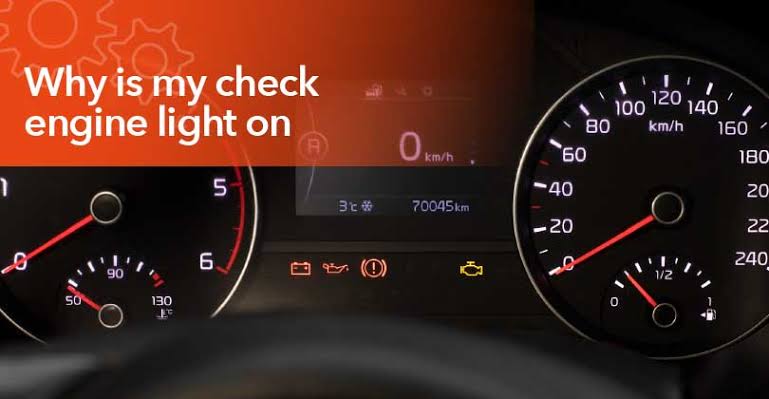
Spark plugs and ignition coils ignite the fuel-air mixture inside each cylinder, and both wear down naturally over time.
A weak coil might fire correctly at idle but fail under hard acceleration, which is a load-dependent type of misfire.
This is one of the most common causes of a flashing-then-steady-then-off check engine light pattern during everyday driving.
Worn spark plug wires can also let moisture in, causing a misfire that only appears in wet weather conditions.
EGR Valve Malfunction
The Exhaust Gas Recirculation valve reduces harmful nitrogen oxide emissions by recycling a portion of exhaust back into the engine.
Carbon buildup inside the valve can cause it to stick open or closed, unsettling your engine’s air-fuel ratio.
This often produces a rough idle, engine pinging under load, or a noticeable drop in fuel efficiency.
Trouble codes from P0400 through P0409 typically relate to EGR flow problems detected by the OBD-II system.
Vacuum Leaks
A vacuum leak occurs when air enters the engine through an unintended path, throwing off the air-fuel ratio your computer expects.
Cracked hoses, a failing intake gasket, or a loose connector are the usual suspects behind this type of leak.
Vacuum leaks are notorious for triggering intermittent codes since the leak’s effect can change with engine temperature and vibration.
You may also notice a hissing sound near the engine bay, especially at idle when the leak is most noticeable.
As the engine warms up, rubber and plastic components expand slightly, which can temporarily seal a small leak that was open when cold.
This is why a vacuum-related check engine light often appears during the first few minutes of driving and disappears once the engine reaches operating temperature.
Weak or Failing Battery and Electrical Connections
A weak car battery can cause voltage fluctuations that confuse various sensors, leading to an inconsistent check engine light.
Corroded battery terminals or a loose ground strap can produce the exact same on-and-off pattern as a sensor fault.
Because electrical issues are temperature and vibration sensitive, the light can appear on rough roads and vanish on smooth ones.
Checking your battery terminals for corrosion is a quick, free step before assuming you have a sensor problem.
Temperature, Humidity, and Driving Condition Triggers
Cold Start vs Warm Engine Behavior
Some faults, like a weak ignition coil, only appear once the engine reaches full operating temperature.
This means your check engine light might stay off during a cold morning drive, then appear once the engine warms up.
Load-Dependent Faults
A weak fuel pump may deliver enough pressure at idle but fail to keep up during hard acceleration or highway merging.
In this case, the light typically appears under load and disappears once you ease off the throttle.
Weather and Moisture Sensitivity
Cracked spark plug boots can allow moisture inside, which often explains why the light appears specifically during rain or high humidity.
This pattern can be confusing because the same drive on a dry day might show no warning light at all.
Does Vehicle Age or Mileage Affect This Pattern?
Older Vehicles and Worn Components
Cars over 10 years old, or those past 100,000 miles, are far more likely to show an intermittent check engine light.
This happens because rubber hoses, gaskets, and sensors naturally degrade with age, creating small inconsistencies that weren’t there before.
A vacuum hose that sealed perfectly for years can develop a hairline crack that only leaks once it expands in heat.
This is why older vehicles often display the on-and-off pattern more frequently than newer ones with fresh components.
Newer Vehicles With Software-Related Triggers
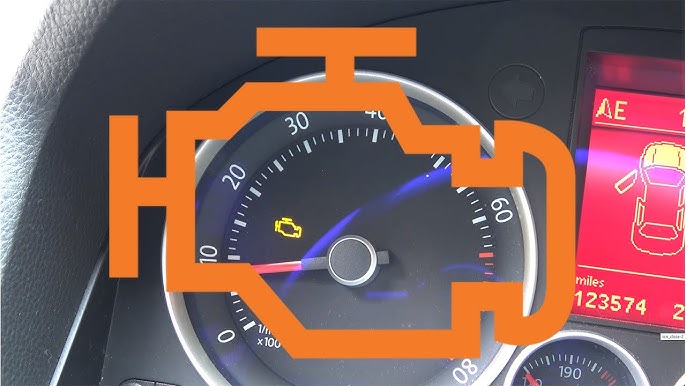
Even newer cars can show this pattern, though the cause is more often software or calibration related rather than mechanical wear.
A software update from the manufacturer can sometimes resolve a recurring intermittent code without replacing any physical part.
If your vehicle is under warranty, check with the dealership about open recalls or technical service bulletins before paying for diagnostics.
High-Mileage Sensor Drift
Sensors like the oxygen sensor and MAF sensor don’t always fail suddenly, they often drift slowly out of their normal calibration range.
This slow drift means the sensor might pass on some drive cycles and fail on others, producing the exact intermittent pattern you’re seeing.
Replacing sensors proactively around the manufacturer’s recommended mileage interval can prevent this gradual drift from ever triggering a light.
DIY Diagnosis vs Professional Diagnosis
When DIY Diagnosis Makes Sense
If your light is intermittent, not flashing, and your car drives normally, a basic OBD-II scanner is a worthwhile first step.
Plugging in a scanner takes less than five minutes and immediately tells you whether the code points to something simple like a gas cap.
Many affordable scanners under $30 can read generic P0 codes, which cover the vast majority of intermittent check engine light triggers.
When You Should Call a Professional Instead
If the code returned is manufacturer-specific, or if you’ve already replaced a part and the light returns, it’s time for a professional opinion.
A mechanic has access to manufacturer-level diagnostic software that can read live sensor data, not just stored trouble codes.
Live data lets a technician watch sensor readings in real time while driving, which is often the only way to catch a load-dependent fault.
Avoiding Unnecessary Part Replacement
One of the biggest mistakes drivers make is replacing parts based on a code alone without confirming the actual root cause first.
A P0420 catalytic converter code, for example, is frequently caused by a failing oxygen sensor rather than the converter itself.
Replacing the wrong part wastes money and won’t stop the check engine light from returning on your next drive cycle.
| Code | Meaning | Common Trigger |
|---|---|---|
| P0420 / P0430 | Catalytic converter efficiency below threshold | Aging converter or failing O2 sensor |
| P0171 / P0174 | System running too lean | Vacuum leak or MAF sensor issue |
| P0300 series | Random or specific cylinder misfire | Worn spark plugs, coils, or fuel injectors |
| P0400–P0409 | EGR flow malfunction | Carbon buildup in EGR valve |
| P0462 | Fuel level sensor circuit issue | Faulty fuel level sensor |
These codes can appear as “pending” before the light ever turns on, since the ECU often waits for a repeat failure.
Pulling codes with a scanner, even after the light turns off, is the only reliable way to know what triggered it.
What to Do When Your Check Engine Light Comes On and Off
Step One: Check the Gas Cap First
Before assuming the worst, tighten your gas cap and listen for a click, then drive a few cycles to see if the light clears.
This single step resolves a surprising number of intermittent check engine light cases without any further repair.
Step Two: Note the Driving Conditions
Pay attention to when the light appears, such as during acceleration, at highway speeds, in cold weather, or on rough roads.
This pattern gives a mechanic valuable clues and can speed up diagnosis significantly during your visit.
Step Three: Get a Diagnostic Scan
Most auto parts stores offer free OBD-II scans that can pull both active and pending trouble codes from your car’s computer.
Even if the light is currently off, pending codes remain stored and can reveal the root cause.
Step Four: Watch for Accompanying Symptoms
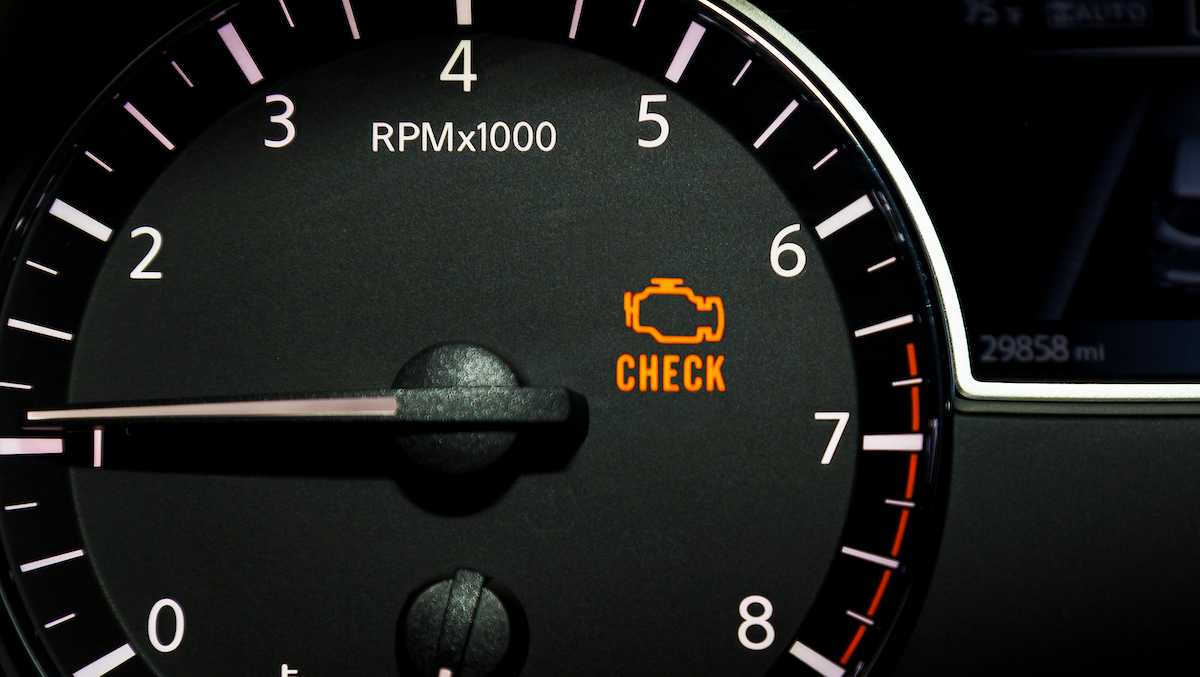
Rough idling, reduced power, unusual smells, or strange noises alongside the light suggest a more urgent underlying problem.
If you notice any of these symptoms, schedule a professional inspection rather than waiting for the light to return.
Step Five: Don’t Clear the Code Without Fixing the Cause
Disconnecting the battery or using a scanner to clear the code will turn the light off temporarily, but the root issue remains.
If the underlying fault isn’t repaired, the same code will return within a few drive cycles, often at an inconvenient time.
Is It Safe to Keep Driving With an Intermittent Check Engine Light?
In most cases, an intermittent check engine light that isn’t flashing allows you to keep driving short distances safely.
However, “safe” doesn’t mean “ignore it indefinitely,” since soft failures can progress into hard failures the longer they go unaddressed.
If the light starts flashing at any point, that’s your signal to stop driving and have the vehicle towed instead.
Pay close attention to fuel economy and engine smoothness, since gradual declines often accompany an unresolved intermittent fault.
Long road trips are a particularly poor time to ignore an intermittent light, since you may not have easy access to a trusted mechanic if the fault worsens.
If you’re planning a long drive, it’s worth getting the codes scanned beforehand so you know exactly what you’re dealing with on the road.
Estimated Repair Costs for Common Intermittent Triggers
| Likely Cause | Typical Repair Cost Range |
|---|---|
| Gas cap replacement | $15–$45 |
| Oxygen sensor replacement | $150–$400 |
| MAF sensor cleaning or replacement | $50–$300 |
| Spark plugs and ignition coils | $100–$450 |
| EGR valve cleaning or replacement | $150–$500 |
| Catalytic converter replacement | $900–$2,500 |
These ranges vary by vehicle make, model, and labor rates in your area, so always request a written estimate first.
Catching an intermittent fault early, before it damages the catalytic converter, can save hundreds of dollars in avoidable repairs.
A $20 gas cap replacement caught early is always cheaper than the $2,000 catalytic converter replacement that can result from ignoring the same warning for months.
Why Trusting the Pattern Matters More Than the Light Itself
The Light Is a Symptom, Not a Diagnosis
The check engine light itself doesn’t tell you what’s wrong, it only tells you that the ECU detected an anomaly somewhere.
This is why two different drivers with the same light can have completely different underlying causes and repair costs.
Patterns Reveal Root Causes
Whether the light appears during acceleration, cold starts, rain, or rough roads, that pattern is the real diagnostic clue.
Sharing this pattern with your mechanic, alongside scanned codes, dramatically improves the accuracy of the first diagnosis attempt.
Keeping a simple note on your phone with the date, weather, and driving conditions each time the light appears can turn weeks of confusion into a same-day fix.
Frequently Asked Questions (FAQs)
Why does my check engine light turn off by itself?
The fault that triggered it may have resolved, like a tightened gas cap, or the ECU cleared it after several successful drive cycles.
Is an intermittent check engine light dangerous?
It’s usually not an emergency unless it’s flashing, but ignoring it can let a minor fault progress into a costlier repair.
Can a loose gas cap really cause this issue?
Yes, a loose or cracked gas cap is one of the most frequent causes of an on-and-off check engine light.
Should I clear the code if the light goes off?
No, clearing the code without fixing the cause only hides the problem temporarily, and it will likely return.
How do I know if my check engine light is flashing or steady?
A steady light stays constantly lit, while a flashing light blinks rapidly, usually signaling an active engine misfire.
Will an auto parts store scan my car for free?
Most major auto parts retailers offer free OBD-II scans that can read both active and pending trouble codes.
Can cold weather cause my check engine light to come on and off?
Yes, some faults like weak ignition coils or moisture-affected wiring only trigger under specific temperature conditions.
What’s the most common cause of an intermittent check engine light?
A loose gas cap and a failing oxygen sensor are consistently the two most common causes reported by mechanics.
Can a weak battery cause my check engine light to flicker on and off?
Yes, voltage fluctuations from a weak battery or corroded terminals can confuse sensors and trigger inconsistent warning lights.
How urgent is it to fix an EGR valve issue?
It’s not usually an emergency, but ignoring it can worsen fuel economy and engine performance over time.
Conclusion
A check engine light that comes on and off usually means your car has detected a condition-based fault rather than a constant failure.
Common culprits range from a simple loose gas cap to more involved issues like a failing oxygen sensor, MAF sensor, or EGR valve.
The pattern matters just as much as the light itself, since acceleration, temperature, and weather can all influence when the fault appears.
A steady light calls for prompt attention, while a flashing light demands you stop driving immediately. The safest approach is always the same: check your gas cap, scan for codes even after the light turns off, and watch for any accompanying symptoms like rough idling or reduced power.
Addressing the root cause early, rather than waiting for the light to disappear on its own, protects both your wallet and your engine’s long-term health.
