

Why does my RPM go up and down while parked? This is one of the most common questions car owners ask, and it can feel alarming when your engine starts surging at idle.
The good news is that small RPM changes are often normal. But when the fluctuations are excessive, persistent, or paired with rough idling, stalling, or a check engine light, something needs attention.
What Is Idle RPM and What Should It Be?
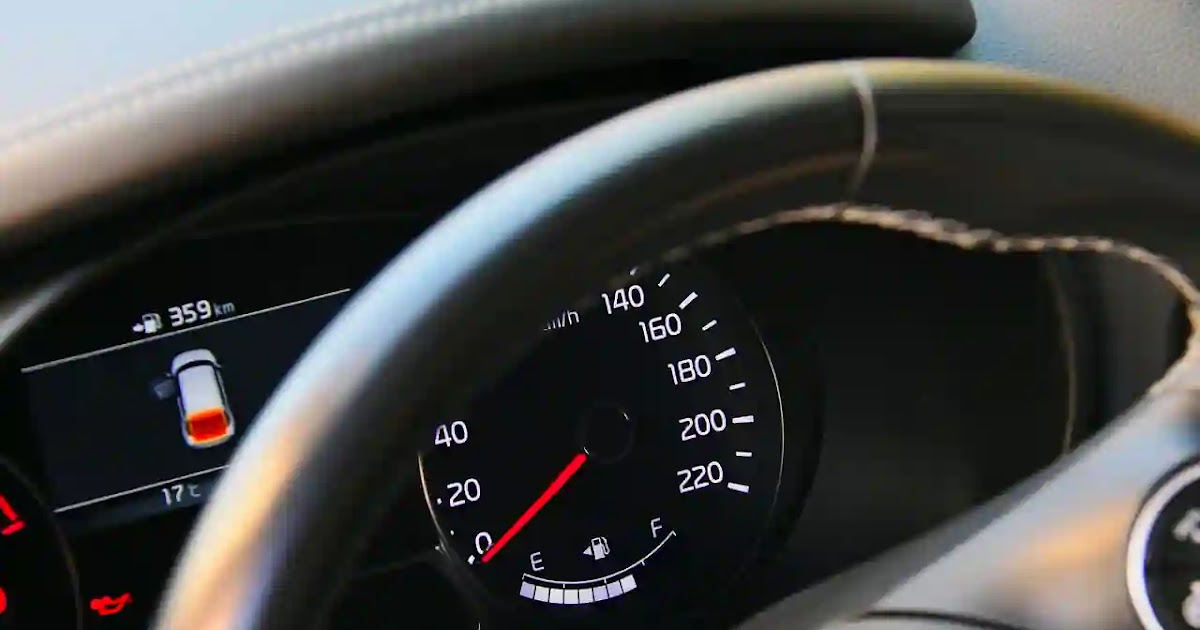
RPM stands for Revolutions Per Minute. It measures how fast your engine’s crankshaft spins.
When your car is parked and the engine is running, the idle RPM should stay between 600 and 1,000 RPM for most gasoline vehicles. Diesel engines typically idle slightly higher.
Your Engine Control Unit (ECU) works constantly to maintain this target. When it can’t, you notice the needle bouncing.
Is It Normal for RPM to Fluctuate While Parked?
Yes — but only within limits.
Normal RPM fluctuations include:
| Situation | Expected Change |
|---|---|
| AC compressor turning on | Brief rise of 100–200 RPM |
| Cold engine warming up | Higher idle (1,000–1,500 RPM) that drops as it warms |
| Headlights or accessories turning on | Slight dip or rise |
| Automatic transmission engaging | Minor adjustment |
Abnormal RPM behavior includes:
| Symptom | Likely Cause |
|---|---|
| Needle bouncing wildly between 400–1,200 RPM | Vacuum leak or bad IAC valve |
| RPM surging repeatedly at idle | Dirty throttle body or MAF sensor |
| RPM drops near stall then shoots back up | Fuel delivery issue or clogged IAC |
| High idle that won’t come down after warmup | Stuck IAC valve or TPS fault |
If your car revs up and down on its own without touching the gas pedal, keep reading.
Top Causes: Why Does My RPM Go Up and Down While Parked?
Cause 1 — Dirty or Faulty Idle Air Control (IAC) Valve
The IAC valve is the most common culprit.
It controls airflow into the engine when the throttle is closed. Over time, carbon deposits build up and prevent it from moving correctly.
If it’s stuck open, too much air enters the engine, creating a lean mixture. RPM shoots up. If it’s stuck closed, not enough air enters and the RPM drops. The ECU keeps hunting between these extremes, causing the up-and-down pattern.
Fault codes to check: P0505, P0506, P0507.
Fix: Clean it first with throttle body cleaner. If cleaning doesn’t help, replace it. IAC valves typically cost $30–$100 for the part, plus labor.
Cause 2 — Vacuum Leak
A vacuum leak allows unmetered air to sneak into the engine without passing through the MAF sensor.
The ECU calculates fuel delivery based on MAF sensor data. When extra air enters through a crack in a hose or gasket, the ECU has inaccurate data. It delivers too little fuel, the engine runs lean, RPM surges up. Then the ECU tries to compensate, RPM drops — and the cycle repeats.
Common vacuum leak locations:
- Cracked or split vacuum hoses
- Intake manifold gasket failure
- Faulty PCV valve or its hose
- Leaking brake booster line
How to find it: Listen for a hissing sound near the engine. A mechanic can use a smoke machine to pinpoint the exact leak location quickly.
Fix: Replace the cracked hose or leaking gasket. Often inexpensive, around $10–$50 for parts.
Cause 3 — Dirty Throttle Body
The throttle body controls how much air enters the engine.
Inside it is a butterfly valve that opens when you press the gas pedal. When you’re parked and not pressing the pedal, this valve is nearly closed. If carbon deposits build up around the valve edges, it can bind slightly — disrupting airflow and causing the air-fuel balance to fluctuate.
This directly causes idle instability and RPM swings.
Fix: Clean the throttle body with dedicated throttle body cleaner and a soft cloth. Do this every 30,000–50,000 miles. After cleaning, some vehicles require a throttle relearn procedure — check your owner’s manual.
Cause 4 — Bad Mass Air Flow (MAF) Sensor
The MAF sensor measures the volume of air entering the engine and sends that data to the ECU.
A dirty or failing MAF sensor sends inaccurate readings. The ECU then miscalculates the fuel-to-air ratio. This causes the engine to alternately run rich (too much fuel) or lean (too little), producing erratic RPM changes at idle.
Symptoms of a bad MAF sensor:
- RPM fluctuations at idle
- Rough idle
- Poor fuel economy
- Hesitation during acceleration
- Check engine light (code P0101, P0102, or P0103)
Fix: Try cleaning the MAF sensor first using MAF-specific spray cleaner. If that doesn’t solve the issue, replacement is usually $50–$200 for the part.
Cause 5 — Throttle Position Sensor (TPS) Malfunction
The TPS tells the ECU exactly how far the throttle plate is open.
At idle, this sensor reports the “closed” or near-closed position. The TPS is a potentiometer with a physical wear spot right at the idle position — the exact point it uses most often. Over time, this wear creates a “dead spot” that causes the sensor to flicker between signals.
When the ECU receives inconsistent TPS data, it constantly adjusts ignition timing and fuel delivery. The result is an unstable idle with RPM bouncing up and down.
Fix: Test with a multimeter. Replace if resistance reading is irregular. Cost is typically $20–$100.
Cause 6 — Spark Plug Problems
Worn or fouled spark plugs cause misfires.
When a cylinder misfires, combustion is incomplete. Power output from that cylinder drops. The ECU tries to compensate by adjusting fuel trim, but the engine runs unevenly at idle, causing RPM fluctuations and a noticeable shake.
Signs spark plugs are to blame:
- Engine vibration or shaking at idle
- RPM drops suddenly
- Poor fuel economy
- Difficulty starting
Fix: Replace spark plugs based on your manufacturer’s recommended interval — usually every 30,000–100,000 miles depending on plug type.
Cause 7 — Fuel System Issues
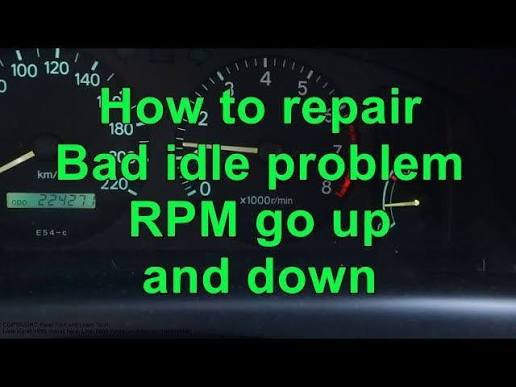
Inconsistent fuel delivery causes unstable RPM.
Several fuel system components can fail and affect idle quality. A weakening fuel pump may not maintain consistent pressure. Clogged fuel injectors don’t spray a proper mist, leading to incomplete combustion. A clogged fuel filter restricts flow and starves the engine.
Fuel system components to check:
| Component | Symptom | Fix |
|---|---|---|
| Clogged fuel filter | Rough idle, hesitation | Replace filter |
| Weak fuel pump | RPM drops under load | Test fuel pressure, replace pump |
| Dirty fuel injectors | Rough idle, poor economy | Injector cleaning service or replacement |
Fix: Start with the fuel filter, which is the least expensive fix. Then test fuel pressure.
Cause 8 — EGR Valve Stuck Open
The Exhaust Gas Recirculation (EGR) valve recirculates exhaust gases back into the engine to reduce emissions.
When it’s stuck open at idle, too much exhaust gas enters the combustion chamber. This dilutes the air-fuel mixture with inert gases, lowering combustion efficiency. Oxygen levels drop, the ECU responds erratically, and RPM becomes unstable.
Fault codes: P0400, P0401, P0402.
Fix: Clean or replace the EGR valve. Often cleanable with EGR-specific cleaner. Replacement cost is $50–$400 depending on vehicle.
Cause 9 — Weak Battery or Failing Alternator
Electrical instability directly affects idle quality.
The ECU and all engine sensors require stable voltage to function correctly. A battery that can’t hold charge, or an alternator that can’t maintain consistent output, causes voltage fluctuations. These fluctuations corrupt sensor data and ECU calculations, leading to poor fuel-air regulation and unstable RPM.
How to check:
- A healthy alternator should produce 13.5–14.5 volts at idle
- A healthy battery should read 12.4–12.7 volts when the engine is off
- Below 13 volts at idle points to alternator failure
Fix: Test both the battery and alternator. Replace whichever is failing. Battery cost: $80–$200. Alternator cost: $150–$400.
Cause 10 — Cold Weather and Temperature Extremes
Temperature directly affects idle behavior.
In cold weather, engine oil is thicker, metal components have tighter tolerances, and combustion efficiency is lower. The ECU commands a higher cold-start idle of 1,000–1,500 RPM to warm the engine faster. Once the engine reaches normal operating temperature, the idle should settle back down.
If the RPM stays high or bounces after the engine is fully warm, temperature alone is not the cause — another component is likely failing.
Extreme heat can strain the cooling system, indirectly causing idle issues if the engine starts running hotter than normal.
How AC Affects RPM While Parked
Turning on the air conditioning adds a significant load to the engine.
When the AC compressor clutch engages, the engine has to work harder. The ECU detects this load through sensors and commands a slight RPM increase — usually 100 to 200 RPM — to compensate.
This is completely normal. You might even hear a slight change in engine tone when the AC cycles on and off.
However, if the RPM surges dramatically or fluctuates in sync with the AC cycling, it may signal a problem with the AC compressor clutch, a faulty sensor, or a vacuum leak that the engine can’t compensate for under load.
How to Diagnose RPM Fluctuation Yourself
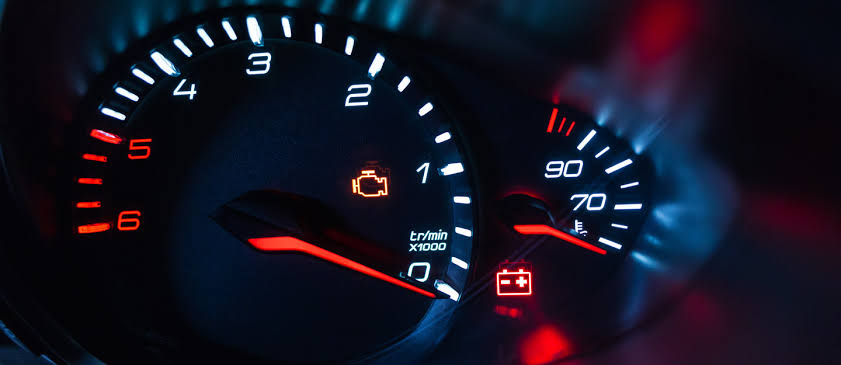
You don’t need a mechanic to begin diagnosing the problem.
Step 1 — Observe the pattern Note whether the fluctuation happens only when AC is on, during cold start, all the time, or randomly.
Step 2 — Plug in an OBD-II scanner Available for under $30 at most auto parts stores. This reads diagnostic trouble codes stored in the ECU. These codes point directly at which system is failing.
Step 3 — Listen and look A hissing sound near the engine bay often means a vacuum leak. Rough vibration paired with RPM drops suggests spark plug or fuel issues.
Step 4 — Visual inspection Check vacuum hoses for cracks. Look for signs of carbon buildup on the throttle body. Check if the air filter is clogged.
Step 5 — Test sensors and electrical Use a multimeter to check alternator voltage and battery health.
Repair Cost Estimates
| Problem | DIY Part Cost | With Labor |
|---|---|---|
| Clean IAC valve | $8–$15 (spray) | $80–$150 |
| Replace IAC valve | $30–$100 | $120–$250 |
| Vacuum hose replacement | $10–$50 | $75–$150 |
| Clean throttle body | $8–$12 (spray) | $80–$120 |
| Replace MAF sensor | $50–$200 | $150–$300 |
| Spark plug replacement | $20–$80 | $100–$250 |
| Replace fuel pump | $100–$300 | $300–$600 |
| EGR valve replacement | $50–$250 | $150–$400 |
| Alternator replacement | $150–$400 | $300–$600 |
| Battery replacement | $80–$200 | $100–$250 |
Warning Signs That Need Immediate Attention
Do not ignore RPM fluctuations if any of these signs appear alongside them:
- Check engine light is on
- Engine stalls when parked or at a stop
- Unusual hissing, knocking, or rattling sounds
- Visible smoke or a burning smell
- The car struggles to start
- Fuel economy has dropped noticeably
These symptoms together suggest the problem has progressed beyond a simple cleaning and may be causing engine damage.
Preventive Maintenance to Avoid RPM Issues
The best way to prevent idle fluctuation is keeping up with regular maintenance.
Key maintenance tasks:
| Task | Interval |
|---|---|
| Replace spark plugs | Every 30,000–100,000 miles |
| Change engine oil | Every 3,000–7,500 miles |
| Replace air filter | Every 15,000–30,000 miles |
| Replace fuel filter | Every 20,000–40,000 miles |
| Clean throttle body | Every 30,000–50,000 miles |
| Inspect vacuum hoses | Every oil change |
| Test battery and alternator | Every 1–2 years |
Regular maintenance costs a fraction of what major repairs cost when problems go unchecked.
When to See a Professional Mechanic
Take your car to a mechanic if:
- You’ve cleaned the IAC and throttle body and the problem persists
- The OBD-II scanner shows multiple fault codes
- The engine stalls while parked or at low speed
- You can’t identify the source of a vacuum leak on your own
- The RPM fluctuation is worsening over time
A professional can perform a smoke test to find all vacuum leaks at once, use advanced scan tools to check live sensor data, and test fuel pressure under load.
Frequently Asked Questions (FAQs)
What is the normal RPM when parked?
Most cars idle between 600 and 1,000 RPM when parked and fully warmed up. A cold engine may idle higher temporarily.
Why does my RPM go up and down while parked with the AC on?
The AC compressor adds engine load, causing a brief RPM rise of 100–200 RPM. Larger surges may indicate a sensor fault or vacuum leak.
Can a dirty throttle body cause RPM fluctuation while parked?
Yes. Carbon deposits around the throttle valve disrupt airflow at idle, directly causing unstable RPM.
What OBD codes are related to idle RPM problems?
Common codes include P0505 (IAC system malfunction), P0506 (idle too low), P0507 (idle too high), P0101 (MAF sensor range), and P0400 (EGR flow).
How much does it cost to fix fluctuating idle RPM?
Costs range from $8 for a can of throttle body cleaner to over $600 for a fuel pump or alternator replacement, depending on the cause.
Is it safe to drive with RPM going up and down?
Minor fluctuations are generally safe short-term. But persistent surging, especially with a check engine light or stalling, means you should get it checked before driving far.
Can bad spark plugs cause RPM to fluctuate at idle?
Yes. Worn spark plugs cause cylinder misfires, which create uneven power delivery and visible RPM instability at idle.
How do I know if I have a vacuum leak?
Listen for a hissing sound near the intake area. You can also use an OBD scanner to check for lean condition codes, or have a mechanic perform a smoke test.
Will cleaning the IAC valve fix RPM fluctuations?
Often yes, if carbon buildup is the cause. Use throttle body cleaner and clear the fault codes after cleaning to see if the issue returns.
Can a bad battery cause RPM to go up and down while parked?
Yes. A weak battery causes unstable voltage, which affects ECU and sensor operation, leading to improper fuel-air control and idle instability.
Conclusion
Why does my RPM go up and down while parked comes down to one core issue: the engine’s air-fuel balance is being disrupted.
The most common causes are a dirty or faulty IAC valve, a vacuum leak, a dirty throttle body, or failing sensors like the MAF or TPS. Electrical issues from a weak battery or failing alternator can also throw the system off.
The good news is that many of these problems are affordable to fix and easy to diagnose at home with a basic OBD-II scanner.
Start with a visual inspection, clean the throttle body and IAC valve, and check for fault codes. If the problem persists, move to sensors and fuel system components.
Ignoring idle RPM fluctuations leads to worse fuel economy, increased emissions, and potential engine damage over time.
Catching the cause early saves you money and keeps your car running reliably through 2026 and beyond. When in doubt, take it to a trusted mechanic who can run a full diagnostic and fix the problem correctly the first time.
