

Why was the 2nd Amendment created? It was written to protect citizens’ right to keep and bear arms for self-defense, militia service, and protection against a tyrannical government.
America’s founders had just escaped British rule, and they did not want a future government to disarm its own people the way the Crown had tried to do.
The 2nd Amendment is only 27 words long, but those words carry centuries of history. Understanding why it was created means looking at colonial fears, English law, and the debates that shaped the Bill of Rights.
What Is the Second Amendment? Quick Overview
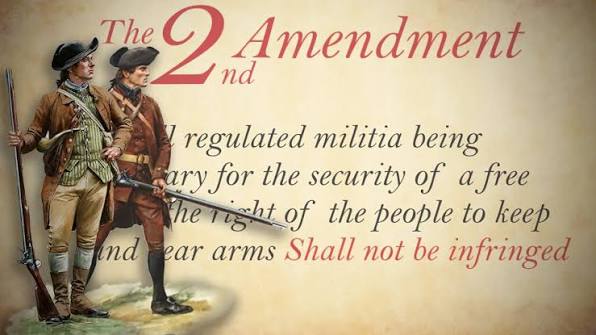
The Second Amendment is part of the Bill of Rights, the first ten amendments to the U.S. Constitution. It protects the right of the people to keep and bear arms.
It was ratified on December 15, 1791, along with nine other amendments. These amendments were added to calm fears that the new federal government would have too much power.
Here is a quick snapshot of the basic facts. These figures give helpful context before diving into the full historical story below.
| Fact | Detail |
|---|---|
| Full text length | 27 words |
| Amendment number | 2nd, part of the Bill of Rights |
| Drafted by | James Madison |
| Proposed | June 8, 1789 |
| Ratified | December 15, 1791 |
| Main idea | Right to keep and bear arms |
| Influenced by | 1689 English Bill of Rights |
The Historical Background Before the Second Amendment
The Second Amendment did not appear out of nowhere. It grew out of more than a century of English and colonial history around arms and government power.
English Roots: The 1689 English Bill of Rights
In 1689, England passed its own Bill of Rights after the Glorious Revolution. It allowed Protestant subjects to have arms for their defense, as permitted by law.
This English provision came from fear of a king disarming his political opponents. American colonists carried this same concern across the Atlantic.
Colonial Militias and the Road to Revolution
Colonial America relied on militias made up of ordinary citizens, not professional soldiers. Men were expected to own and maintain their own weapons.
British attempts to seize colonial arms and gunpowder, including at Lexington and Concord in 1775, helped trigger the Revolutionary War. That event showed colonists how dangerous an armed government facing an unarmed population could be.
Lessons from the Revolutionary War
The war proved that an armed citizenry could resist a powerful army. It also proved that untrained militias alone could not always win battles.
This mixed lesson shaped how the founders thought about both citizen arms and the need for some organized military structure.
The Role of the Bill of Rights
The original 1787 Constitution did not include a Bill of Rights at all. Several states only agreed to ratify it after being promised that one would follow quickly.
This promise is the direct reason the Second Amendment exists today. Without that political compromise, protections for arms-bearing rights may never have been written into the federal Constitution.
Why the Founding Fathers Feared a Standing Army
After independence, the new Constitution gave the federal government power to raise an army and navy. Many people were uneasy about this shift.
Federalists vs. Anti-Federalists
Federalists supported a strong central government with the power to maintain a standing army. Anti-Federalists worried this same army could be used to oppress the states and the people.
This disagreement was one of the biggest sticking points during the ratification debates over the Constitution.
The Fear of Tyranny and Disarmament
Anti-Federalists pointed to history, including English attempts to disarm political enemies. They argued that an armed population was the best check against a government turning tyrannical.
To win their support for the Constitution, Federalists agreed to add a Bill of Rights, including protection for arms-bearing rights.
How the Second Amendment Was Written
The actual drafting process took place over several months in the first session of Congress.
James Madison’s Original Draft
On June 8, 1789, James Madison proposed a list of amendments to Congress. His draft on arms read differently from the final version, and it included an exemption for religious objectors.
Madison’s version emphasized a well-armed militia as the best security for a free country.
Debates in the First Congress
The House of Representatives debated and revised the wording multiple times. Lawmakers removed the religious-objector clause and adjusted the order of the clauses.
The Senate made further changes, though no detailed Senate debate record survives today.
Final Wording and Ratification
By September 1789, Congress agreed on final language and sent it to the states for approval. The amendment was ratified in December 1791.
| Year | Event |
|---|---|
| 1689 | English Bill of Rights protects arms for Protestants |
| 1775 | Lexington and Concord skirmishes spark the Revolution |
| 1787 | U.S. Constitution drafted, raising Anti-Federalist concerns |
| 1789 | Madison proposes the Bill of Rights in Congress |
| 1791 | Second Amendment ratified, December 15 |
| 2008 | Heller affirms an individual right to bear arms |
| 2010 | McDonald applies that right to state and local laws |
State Constitutions and the Right to Bear Arms Before 1791
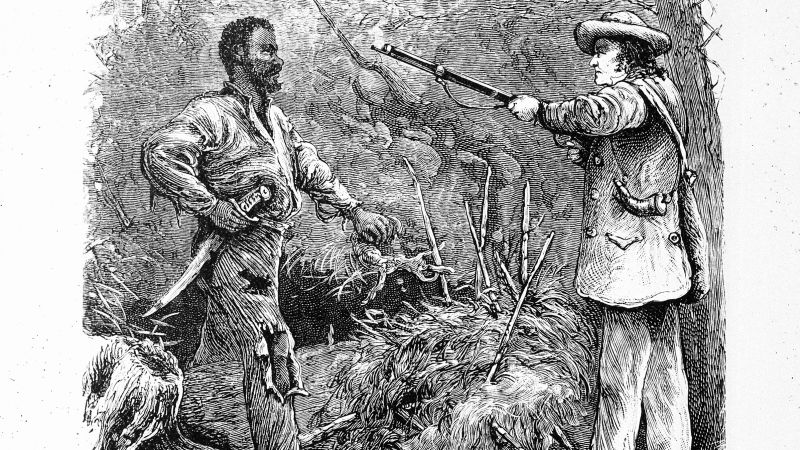
The federal Second Amendment was not the first American document to protect arms-bearing rights. Several states had already written similar protections into their own constitutions.
Early State Provisions
Pennsylvania’s 1776 constitution stated that the people have a right to bear arms for the defense of themselves and the state. Other states, including Vermont and North Carolina, included similar wording in their founding documents.
These early state provisions show that the idea was already widely accepted before Madison drafted the federal version.
Why State Language Often Differed from the Federal Amendment
Many state constitutions used clearer, more direct language about personal self-defense than the federal amendment did. The federal version focused more heavily on militias in its opening clause.
This difference is one reason historians still debate how much the founders meant to protect an individual right at the federal level versus a militia-based right.
What the Second Amendment Actually Says
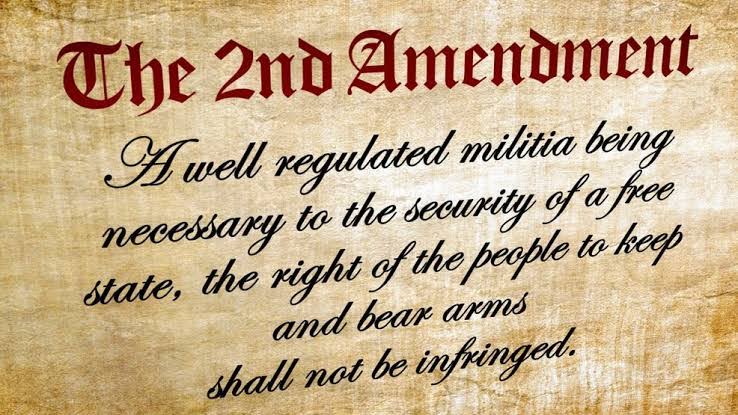
The full text reads: “A well regulated Militia, being necessary to the security of a free State, the right of the people to keep and bear Arms, shall not be infringed.”
Breaking Down the 27 Words
The amendment has two main parts. The first mentions a “well regulated Militia” as necessary to a free state.
The second protects “the right of the people to keep and bear Arms” and says it “shall not be infringed.”
The Militia Clause vs. the Rights Clause
For decades, scholars debated whether the militia clause limited the rights clause to only militia members. The Supreme Court eventually ruled this is an individual right, separate from militia service.
This debate is central to understanding why was the 2nd Amendment created and how its meaning has shifted. The wording itself never changed, but the way judges read that wording changed dramatically across more than two centuries.
The Core Purposes Behind Its Creation
Historians generally point to four overlapping purposes that explain why the amendment exists.
Self-Defense
Citizens expected to be able to protect themselves, their families, and their property. This was treated as a natural right, not something granted by government, and it predated the Constitution itself.
Defense Against Tyranny
An armed population was seen as a check on government overreach. The founders had just fought a war against what they viewed as a tyrannical king, and that memory was still very fresh.
Maintaining Militias for Common Defense
Citizen militias needed armed members who could respond quickly to threats. State militias depended on individuals already owning weapons, since the new nation could not yet afford a large standing army.
Checking Federal Military Power
A federal standing army worried many founders. Armed citizens and state militias offered a counterbalance to that federal military strength, keeping power spread between the states and the new central government.
| Purpose | Why It Mattered |
|---|---|
| Self-defense | Natural right to protect life and property |
| Anti-tyranny check | Resistance to government oppression |
| Militia readiness | Quick civilian response to threats |
| Federal power balance | Counterweight to a standing army |
How Courts Have Interpreted the Second Amendment Over Time
The amendment’s meaning has not stayed fixed. Court rulings have shifted how it applies in practice.
19th and Early 20th Century: A Dormant Amendment
For most of American history, the Supreme Court rarely addressed the Second Amendment directly. State courts handled most gun-related disputes during this period, and the federal amendment stayed largely in the background of American law.
District of Columbia v. Heller (2008)
This case struck down a Washington D.C. handgun ban. The Court ruled the amendment protects an individual right to own a firearm for self-defense, separate from militia membership, marking the first time the Court clearly settled this question.
McDonald v. Chicago (2010)
This ruling extended the Heller decision to state and local governments. It used the Fourteenth Amendment to apply Second Amendment protections nationwide, closing a gap that had existed since the 1800s.
Bruen and Beyond (2022-2024)
In 2022, the Bruen decision created a new historical test for gun laws. Later rulings refined that test, keeping the debate over gun regulation very much alive today, especially around modern weapons and public-carry rules.
| Case | Year | Key Outcome |
|---|---|---|
| United States v. Cruikshank | 1876 | Second Amendment did not apply to states |
| United States v. Miller | 1939 | Tied protection to militia-related use |
| District of Columbia v. Heller | 2008 | Confirmed individual right to bear arms |
| McDonald v. Chicago | 2010 | Applied the right to state and local laws |
| Caetano v. Massachusetts | 2016 | Extended protection beyond traditional firearms |
| NYSRPA v. Bruen | 2022 | Set new historical-tradition test for gun laws |
Why Was the 2nd Amendment Created? Key Reasons Summarized
Pulling everything together, the amendment was created to balance several competing concerns at once.
It protected individual self-defense, supported state militias, and reassured Anti-Federalists that the new federal government would not strip away arms-bearing rights. It also reflected English legal tradition going back over a century, plus the harsh memory of British attempts to seize colonial weapons before the Revolution.
No single founder gets full credit for this outcome. It was the product of compromise between competing factions who agreed on the goal but disagreed sharply on the exact wording needed to reach it.
Common Myths About Why the 2nd Amendment Was Created
A few popular myths about the amendment’s origins still circulate today. Clearing these up helps explain why the 2nd Amendment was created more accurately.
Myth: It Was Only About Hunting and Muskets
Hunting is rarely mentioned in the founding debates over the amendment. The discussions centered on militias, self-defense, and resisting potential government tyranny, not sport or game.
Myth: Courts Always Read It as an Individual Right
For most of the 1800s and 1900s, courts largely tied the amendment to militia service. The individual-rights interpretation only became firmly settled law after the 2008 Heller decision.
Myth: The Founders All Agreed on Its Purpose
Federalists and Anti-Federalists had different priorities when supporting the amendment. Some emphasized state militias, while others emphasized personal liberty, so the final wording reflects a genuine compromise.
Key Figures Behind the Second Amendment’s Creation
Several individuals played important, very different roles in shaping the final amendment. Their disagreements explain much of its compromise-driven wording.
James Madison
Madison drafted the original proposal and pushed it through the First Congress. He wanted to satisfy Anti-Federalist critics without weakening the new federal government.
George Mason and Patrick Henry
Mason and Henry were leading Anti-Federalists from Virginia who distrusted federal military power. Their objections during the ratification debates helped force the creation of a Bill of Rights in the first place.
Alexander Hamilton
Hamilton defended the need for a federal standing army in the Federalist Papers. He argued that a well-trained militia could still exist alongside that army without threatening liberty.
| Figure | Role |
|---|---|
| James Madison | Drafted the amendment and guided it through Congress |
| George Mason | Anti-Federalist voice for militia and arms rights |
| Patrick Henry | Vocal critic of federal military power |
| Alexander Hamilton | Federalist defender of a standing army and militia balance |
How the Second Amendment Compares to Other Bill of Rights Amendments
Placing the Second Amendment next to its neighbors helps explain its purpose. Several other amendments share its underlying goal of limiting government power.
The First Amendment protects speech and religion from government interference. The Fourth Amendment protects against unreasonable searches, using phrasing similar to the Second Amendment’s own wording.
| Amendment | Core Protection |
|---|---|
| First | Speech, religion, press, assembly |
| Second | Right to keep and bear arms |
| Third | Limits on quartering soldiers in homes |
| Fourth | Protection from unreasonable searches |
| Tenth | Powers reserved to states and the people |
Seen together, these amendments share one theme. Each one limits federal power and protects something the founders considered a pre-existing right, not a new government grant.
The Second Amendment Today
Modern Debates
Today’s debates focus on gun control laws, public safety, and how far government can regulate firearms. Courts now lean heavily on historical tradition to decide these cases.
Gun-rights groups argue that strong protections are necessary to preserve personal liberty. Gun-control advocates argue that modern firearms and modern crime patterns require updated regulations.
Why the History Still Matters
Knowing the founding history helps explain ongoing legal arguments. It also explains why both gun-rights advocates and gun-control advocates point to the same 27 words for support.
Without this historical context, it is easy to misread the amendment as either a simple hunting right or an unlimited personal right. Neither extreme matches how it was actually debated and written.
Second Amendment by the Numbers
A few quick figures help put the amendment’s history in perspective.
| Number | What It Represents |
|---|---|
| 27 | Words in the full amendment text |
| 10 | Total amendments in the original Bill of Rights |
| 2 | Years between proposal (1789) and ratification (1791) |
| 217 | Years between ratification and the Heller decision (1791-2008) |
| 5-4 | Supreme Court vote margin in both Heller and McDonald |
Frequently Asked Questions (FAQs)
Why was the 2nd Amendment created?
It was created to protect self-defense, support citizen militias, and guard against a tyrannical government. It also addressed Anti-Federalist fears about federal military power during the ratification debates.
When was the 2nd Amendment ratified?
The Second Amendment was ratified on December 15, 1791. It became part of the Bill of Rights along with nine other amendments approved that same day.
Who wrote the 2nd Amendment?
James Madison drafted the original proposal in 1789. Congress then revised his wording several times before reaching final approval that September.
What does the 2nd Amendment say?
It states that a well-regulated militia is necessary to a free state. It also says the right of the people to keep and bear arms shall not be infringed by government.
What does “well regulated militia” mean?
At the time, it referred to ordinary armed citizens, not a professional army. The Supreme Court later separated this phrase from the individual right to bear arms in its 2008 ruling.
Did the 2nd Amendment protect an individual right from the start?
Historians still debate the founders’ original intent on this point. Courts only firmly confirmed an individual right in the 2008 Heller decision, nearly 217 years after ratification.
What is the District of Columbia v. Heller case?
It was a 2008 Supreme Court case that struck down a D.C. handgun ban. It confirmed an individual right to own a firearm for self-defense in the home.
How did McDonald v. Chicago change the 2nd Amendment?
The 2010 ruling applied the Second Amendment to state and local governments. Before this case, the protection technically applied only to federal law and federal restrictions.
What inspired the 2nd Amendment?
The 1689 English Bill of Rights and colonial militia traditions were major influences. Fear of a disarmed citizenry under British rule also played a big role in shaping the final text.
Is the 2nd Amendment still relevant today?
Yes, it remains central to ongoing gun law and gun rights debates in the United States. Courts continue to apply and reinterpret it in modern cases involving new weapons and carry laws.
Conclusion
So, why was the 2nd Amendment created? It came from a mix of English legal tradition, colonial militia practice, and deep distrust of unchecked government power. The founders wanted citizens able to defend themselves, support state militias, and resist tyranny if it ever returned.
James Madison drafted it in 1789, Congress revised it, and the states ratified it in December 1791. Its meaning has shifted over time, especially after the Heller and McDonald rulings confirmed an individual right to bear arms, and again after the Bruen decision reshaped how courts evaluate gun laws.
Today, the amendment still shapes American law, politics, and everyday debate. Its short 27 words continue to anchor one of the country’s longest-running constitutional arguments, and that is exactly why its founding history is still worth understanding clearly in 2026.
