

Why does my teeth hurt when I bite down? This is one of the most common dental complaints dentists hear every single day.
Tooth pain when biting down is not something you should ignore, because it is almost always a signal that something is wrong inside your mouth.
Whether the pain is sharp and sudden or a dull lingering ache, the cause matters.
Why Does My Teeth Hurt When I Bite Down
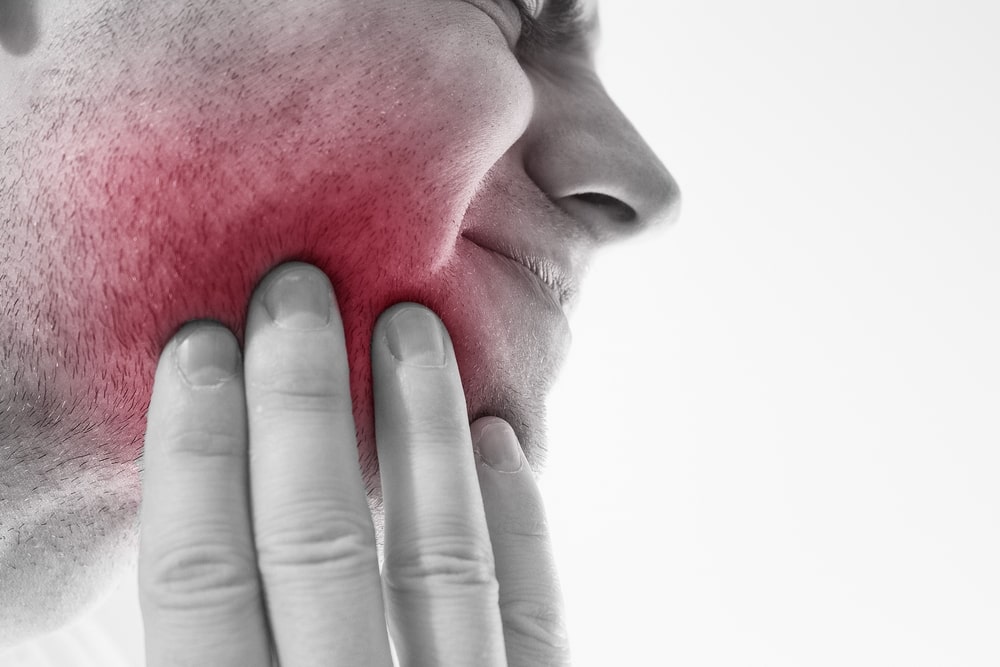
Tooth pain when you bite down can come from many different sources. It could be inside the tooth, around the root, in the gums, or even from your jaw joint. Understanding the cause is the first step toward fixing it.
Here is a quick overview of the most common causes:
| Cause | Type of Pain | Urgency |
|---|---|---|
| Tooth Decay / Cavity | Dull ache, sharp with pressure | Moderate |
| Cracked Tooth | Sharp, shooting pain | High |
| Dental Abscess | Throbbing, intense | Emergency |
| Gum Disease | Soreness near gumline | Moderate-High |
| TMJ Disorder | Jaw/tooth pain combined | Moderate |
| Bruxism (Grinding) | Widespread soreness | Moderate |
| Sinus Infection | Upper back teeth only | Low-Moderate |
| Loose Filling or Crown | Pressure sensitivity | Moderate |
| High Bite After Dental Work | Pain on specific tooth | Low |
| Cracked Root | Deep, unpredictable pain | High |
Tooth Decay and Cavities
Tooth decay is one of the most common reasons your teeth hurt when you bite down. According to the CDC, over 90% of adults have had at least one cavity in their lifetime.
When decay eats through the outer enamel layer and reaches the inner dentin or pulp, even light biting pressure can trigger real pain. The pain may feel sharp and sudden, especially when eating something sweet, hot, or cold.
Not every cavity hurts right away. You can have decay forming for months before it advances deep enough to cause bite pain.
What it feels like: A sharp jolt or lingering ache on a specific tooth when you press down on food or drink something sweet.
Treatment: Your dentist will remove the decay and place a filling. For deep decay near the nerve, a root canal may be needed.
Cracked or Fractured Tooth
A cracked tooth is one of the trickiest dental problems to diagnose. The crack may be completely invisible to the naked eye and may not even show up on a standard X-ray.
Cracks often happen from biting hard foods, old dental work, or grinding your teeth at night. The pain is usually a sharp, shooting sensation that appears when you bite down at a certain angle, then disappears quickly.
What it feels like: A quick, sharp pain when chewing on one side that seems to come and go. You may not feel it every time.
Treatment options by crack severity:
| Severity | Treatment |
|---|---|
| Small surface crack | Bonding or crown |
| Crack reaching dentin | Crown to protect the tooth |
| Crack reaching pulp | Root canal + crown |
| Vertical root fracture | Extraction in most cases |
Dentists use a special bite stick to press on different parts of the tooth to pinpoint exactly where the fracture is located.
Dental Abscess
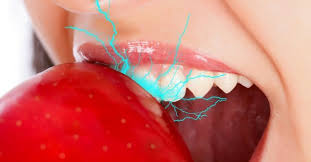
A dental abscess is a serious infection that forms when bacteria reach the innermost part of the tooth, called the pulp. This is a dental emergency.
The abscess creates a pocket of pus near the root, which causes intense pressure to build up. This pressure makes biting or even touching the gums near the tooth extremely painful.
Signs you may have an abscess:
- Throbbing, constant tooth pain
- Swelling in your face, jaw, or gums
- A small pimple-like bump on the gums called a fistula
- Bad taste or salty-tasting fluid draining in your mouth
- Fever, chills, or weakness
If you have swelling and fever along with tooth pain, go to the emergency room immediately. Dental infections can spread to the throat and brain if left untreated.
Treatment: A root canal to remove the infected pulp is the standard treatment. In some cases, the tooth may need to be extracted.
Gum Disease (Periodontal Disease)
Gum disease starts quietly and often causes no pain in the early stages. But as it advances, it can cause significant bite pain and tooth sensitivity.
When gum tissue detaches from the tooth, it exposes the root surface. Roots do not have the protective enamel layer that the crown of your tooth does, making them extremely sensitive to pressure, temperature, and touch.
What it feels like: Soreness near the gumline when you bite down, especially on teeth where gums appear red, swollen, or receded.
Warning signs of gum disease:
- Bleeding gums when brushing or eating
- Swollen or tender gums
- Persistent bad breath
- Loose teeth
- Spaces developing between teeth
- Exposed tooth roots
Treatment: Scaling and root planing (a deep cleaning) is the first-line treatment. Advanced cases may require surgery.
TMJ (Temporomandibular Joint) Disorder
The TMJ is the joint that connects your jaw to your skull. When this joint becomes inflamed or misaligned, the pain can radiate directly into your teeth, making it feel like your teeth are the problem.
TMJ disorders affect millions of people and are often linked to stress, jaw injury, or teeth grinding. You might notice clicking or popping sounds when you open and close your mouth.
What it feels like: A combination of jaw soreness, facial pain, and tooth discomfort, especially in the back teeth. Pain may worsen in the morning if you grind at night.
Treatment options:
| Treatment | What it Does |
|---|---|
| Night guard | Protects teeth from grinding pressure |
| Physical therapy | Relaxes and strengthens jaw muscles |
| Anti-inflammatory medications | Reduces joint swelling |
| Bite adjustment | Corrects uneven pressure |
| Surgery (severe cases) | Repairs joint structure |
Bruxism (Teeth Grinding)
Bruxism is the habit of grinding or clenching your teeth, often during sleep. Most people do not even realize they do it until a dentist points out the wear patterns on their teeth.
The constant pressure from grinding wears down enamel and stresses every tooth in your mouth. Over time, this leads to widespread soreness and pain when biting, especially in the morning.
What it feels like: Dull aching in multiple teeth, a sore jaw, headaches in the morning, and increased sensitivity. No single tooth hurts the most.
Treatment: A custom-fit night guard worn during sleep protects your teeth from grinding pressure. Stress management techniques also help since stress is the most common trigger.
Sinus Infection
Not all bite pain is actually a dental problem. If your sinuses are inflamed due to infection or allergies, the pressure in your sinus cavities can push down directly onto the roots of your upper back teeth.
This is called sinus toothache, and it mimics real tooth pain almost perfectly.
What it feels like: A dull, achy pain in your upper molars or premolars on both sides of your mouth. It often worsens when you bend forward, walk up stairs, or press on your cheekbones.
Key difference: A true dental problem usually hurts on one specific tooth. Sinus-related pain tends to affect multiple upper teeth at once.
Treatment: Treating the sinus infection with decongestants, saline rinses, or antibiotics (if bacterial) usually resolves the tooth pain within days.
Loose Filling or Crown
Fillings and crowns do not last forever. Over time, they can loosen, develop tiny gaps at the margin, or shift slightly with biting pressure. When a restoration becomes loose, bacteria can sneak underneath and create a new cavity below the surface.
A filling or crown that sits too high after dental work can also cause immediate bite pain because it takes more pressure than the surrounding teeth.
What it feels like: Sensitivity or pain in a tooth that previously had work done. The pain may come on gradually or immediately after a dental visit.
Treatment: A simple adjustment or replacement of the restoration solves the problem in most cases. Early treatment is much easier and less expensive than waiting.
Root Canal vs. Filling: How Do Dentists Decide?
Many patients worry about whether they will need a root canal. Here is how dentists make that call:
| Condition | Filling Sufficient | Root Canal Needed |
|---|---|---|
| Surface cavity | Yes | No |
| Deep cavity near pulp | Sometimes | Often |
| Tooth abscess | No | Yes |
| Cracked tooth (pulp exposed) | No | Yes |
| Reversible pulpitis | Yes | No |
| Irreversible pulpitis | No | Yes |
A simple sensitivity test and X-ray can usually tell your dentist which treatment you need.
Home Remedies for Tooth Pain When Biting Down
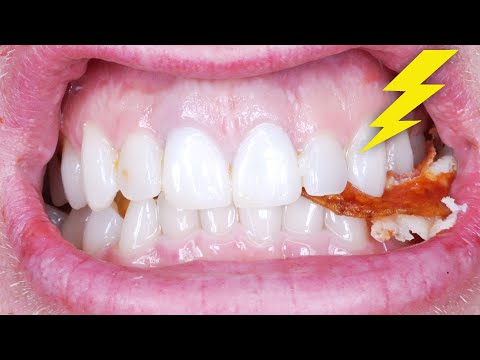
These remedies will not fix the underlying problem, but they can help manage your pain until you see your dentist.
Warm Salt Water Rinse Mix half a teaspoon of table salt into one cup of warm water. Swish for 30 seconds and spit. Salt is a natural disinfectant and helps reduce inflammation. Repeat 2 to 3 times per day.
Cold Compress Apply a cold pack or ice wrapped in a cloth to the outside of your cheek for 15 to 20 minutes at a time. This helps numb the area and reduce swelling.
Over-the-Counter Pain Relievers Ibuprofen (Advil) and acetaminophen (Tylenol) are both effective. Ibuprofen is preferred if there is swelling because it also reduces inflammation. Always follow the dosage on the package.
Clove Oil Clove oil contains eugenol, a natural numbing compound. Apply a small amount to a cotton ball and dab it gently on the painful tooth. Do not swallow.
Soft Foods Only Avoid hard, crunchy, chewy, hot, or sweet foods until you see your dentist. Stick to soft options like yogurt, mashed potatoes, and bananas. Chew on the opposite side of your mouth.
What to avoid:
- Aspirin placed directly on the tooth or gums (this burns tissue)
- Very hot or very cold beverages
- Chewing on the painful side
- Ignoring the pain hoping it will go away
When Should You See a Dentist Immediately?
Some situations are dental emergencies. Do not wait for a routine appointment if you notice any of these warning signs:
Go to the dentist or emergency room right away if:
- Your face or jaw is swollen
- You have a fever along with tooth pain
- The pain is severe and constant, not just when biting
- You notice pus or a bad taste in your mouth
- You feel a loose tooth that was not loose before
- You cannot open or close your jaw fully
See a dentist within a few days if:
- Pain when biting has lasted more than 2 days
- You notice a new sensitivity to hot, cold, or sweet foods
- A filling or crown feels different or high
- Your gums are red, swollen, or bleeding regularly
How Your Dentist Will Diagnose the Problem
Your dentist has several tools to find the exact cause of your bite pain. Here is what a typical diagnostic appointment looks like:
Bite Stick Test: You bite down on a small stick at different points on the tooth. This pinpoints exactly which cusp or root is causing the pain, which is especially useful for identifying cracked teeth.
Sensitivity Testing: Cold air or a cold stimulus is applied to the tooth. How you respond helps determine whether the nerve is healthy, inflamed, or dying.
Dental X-Rays: X-rays reveal cavities between teeth, bone loss, and abscesses at the root. However, hairline fractures are often invisible even on X-rays.
Gum Probing: Your dentist measures the depth of the pockets around each tooth to check for signs of gum disease.
Bite Assessment: Bite paper is placed in your mouth and you bite down. Marks on the paper show which teeth are under the most pressure.
Treatment Summary by Cause
| Cause | First-Line Treatment | Advanced Option |
|---|---|---|
| Cavity | Filling | Root canal (if deep) |
| Cracked tooth | Crown | Root canal + crown |
| Abscess | Root canal | Extraction |
| Gum disease | Deep cleaning (scaling) | Surgery |
| TMJ disorder | Night guard + therapy | Surgery |
| Bruxism | Custom night guard | Stress therapy |
| Sinus toothache | Decongestants | Antibiotics |
| Loose filling | Replacement filling | New crown |
| High bite | Bite adjustment | None needed |
How to Prevent Tooth Pain When Biting Down
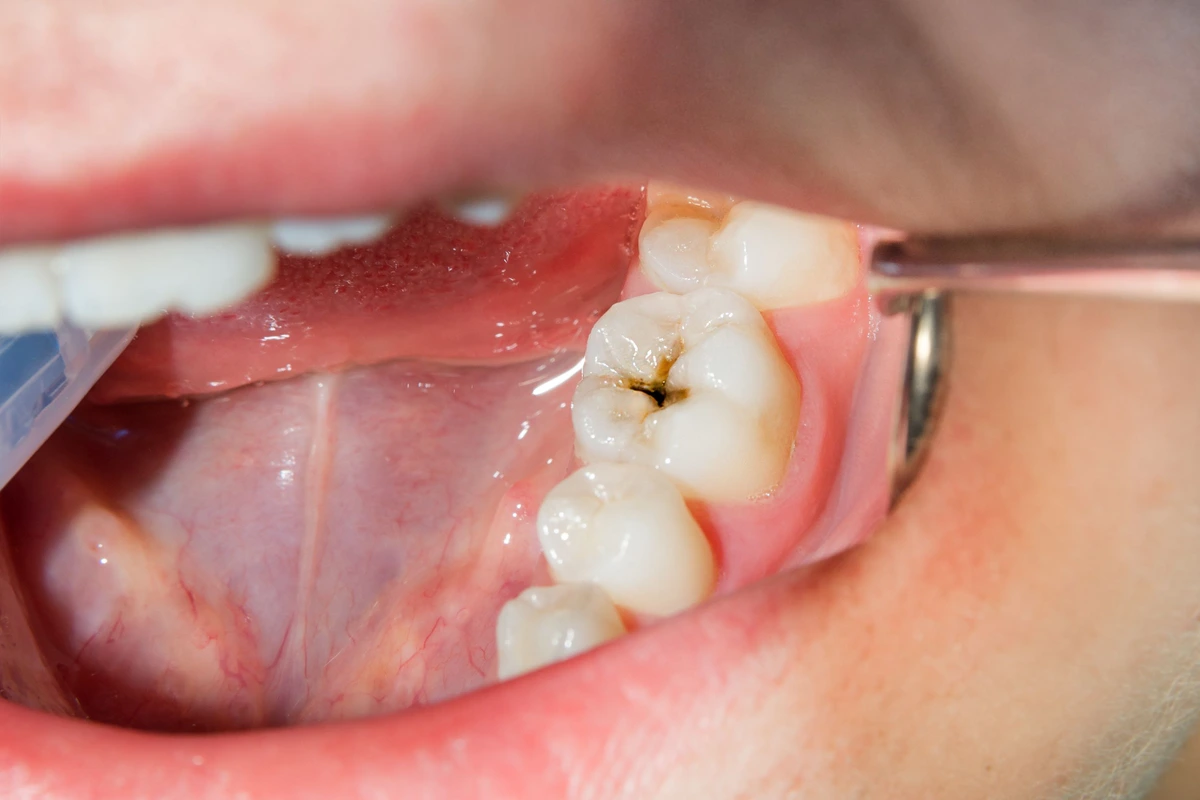
Prevention is always better than treatment. Most bite pain is caused by conditions that develop slowly over months or years and are completely preventable.
Daily Habits That Protect Your Teeth
Brush your teeth twice a day using a soft-bristled toothbrush and fluoride toothpaste. Brushing removes plaque before it has a chance to erode enamel and cause decay.
Floss once daily. Flossing removes food and bacteria from between teeth and along the gumline where your toothbrush cannot reach. Most cavities that cause bite pain form in these contact areas.
Dietary Changes That Make a Difference
Limit sugary foods and drinks. Sugar feeds the bacteria that produce acid and eat away at enamel. Sticky candies and sugary drinks are especially harmful because they stay in contact with your teeth for longer.
Avoid chewing on hard objects like ice, pens, or hard candy. These habits are a leading cause of cracked teeth, which are notoriously painful and expensive to treat.
Regular Dental Visits
See your dentist every six months for a checkup and professional cleaning. Many of the conditions that cause bite pain, including cavities, early gum disease, and worn fillings, are completely painless in their early stages. Only a dental exam can catch them before they become painful problems.
Ask about a night guard if your dentist notices wear patterns on your teeth. Getting fitted early prevents years of enamel loss from grinding.
Back Teeth vs. Front Teeth Pain When Biting
The location of your bite pain gives useful clues about the cause.
Back teeth (molars and premolars) do most of the heavy chewing, making them more prone to:
- Cavities due to their deep grooves and hard-to-clean surfaces
- Cracked cusps from chewing hard foods
- Sinus pain (since molar roots sit very close to the sinus floor)
- Gum disease starting in the back of the mouth
Front teeth hurt when biting mainly due to:
- Trauma or injury causing cracks or fractures
- Enamel erosion from acidic foods
- Gum recession exposing the root
- High bite after dental bonding or veneer placement
Bottom teeth specifically can hurt from:
- Gum disease advancing from the lower front
- Enamel wear
- Bruxism affecting the lower arch more than the upper
Pain After Recent Dental Work
It is completely normal for a tooth to feel sensitive or slightly painful for a few days after a filling, crown placement, or root canal.
The nerves inside the tooth need time to settle after being worked on. This post-treatment sensitivity usually fades within one to two weeks.
However, if the pain is sharp, gets worse over time, or if the treated tooth feels higher than the others when you bite, call your dentist. The restoration may need a simple adjustment to correct your bite and eliminate the extra pressure.
Normal post-treatment pain: Mild sensitivity, dull ache, fades within 1 to 2 weeks. Abnormal post-treatment pain: Sharp or intense pain, swelling, worsening over time, or pain that starts after the anesthetic completely wears off.
Frequently Asked Questions (FAQs)
Why does my tooth hurt when I bite down but there is no cavity?
A cavity is not the only cause. Cracked teeth, gum disease, TMJ disorder, sinus pressure, and bruxism can all cause bite pain even when your tooth appears perfectly healthy on the surface.
Can a sinus infection cause tooth pain when biting?
Yes. Inflamed sinuses press against the roots of your upper back teeth and can cause a dull ache that feels exactly like a toothache. The pain usually affects multiple upper teeth at once and worsens when you bend forward.
Is tooth pain when biting down a dental emergency?
It depends on your other symptoms. If you have swelling, fever, pus, or severe constant pain, it is an emergency. Mild bite sensitivity without other symptoms can usually wait a few days for a regular dental appointment.
Why does only one tooth hurt when I bite down?
Single-tooth bite pain typically points to a cavity, crack, loose filling, or abscess in that specific tooth. This is different from widespread bite pain, which often suggests grinding or TMJ issues.
Can a cracked tooth heal on its own?
No. Teeth cannot regenerate or repair cracks on their own. Without treatment, a crack will only worsen over time and may eventually split the tooth or allow bacteria to reach the nerve.
How long does tooth pain when biting last?
It depends on the cause. Sensitivity after dental work may fade within one to two weeks. Pain from a cavity, crack, or infection will not resolve on its own and will likely get worse without treatment.
What is the fastest home remedy for tooth pain when biting?
A cold compress on the outside of the cheek combined with ibuprofen provides the fastest temporary relief. A warm salt water rinse also helps reduce inflammation. None of these fixes the underlying problem.
Can grinding teeth cause pain when biting in the morning?
Yes. Bruxism creates widespread jaw soreness and tooth sensitivity that is typically worst in the morning after a night of grinding. Multiple teeth may feel sore rather than just one.
Why do my back teeth hurt when I bite down?
Back teeth do most of your chewing, making them vulnerable to cavities, cracked cusps, and gum disease. They also sit near the sinuses, so sinus congestion can cause pain that feels like it is coming from your molars.
Do I need a root canal if my tooth hurts when biting?
Not necessarily. Minor bite pain from a small cavity or a high filling can be fixed without a root canal. A root canal is needed when the nerve inside the tooth is infected, inflamed beyond recovery, or when an abscess has formed.
Conclusion
Why does my teeth hurt when I bite down? As you now know, the answer is never one-size-fits-all.
Tooth pain when biting can come from a cavity, a cracked tooth, an abscess, gum disease, TMJ disorder, bruxism, a sinus infection, or even a loose filling.
Each cause has a distinct feel, a distinct treatment, and a distinct level of urgency. Home remedies like salt water rinses, cold compresses, and ibuprofen can ease your pain temporarily, but they will never fix the root cause.
Only a dentist can properly diagnose what is happening inside your mouth and recommend the right treatment.
If your bite pain has lasted more than two days, or if you notice any swelling, fever, or pus, do not wait.
Call your dentist right away. Early treatment is always faster, simpler, and less expensive than waiting for a dental problem to get worse.
