

Why are my nipples always hard? In most cases, it’s a normal reflex controlled by tiny muscle fibers in the nipple and areola, not a sign of illness.
These muscles react to cold, touch, clothing friction, hormones, and even emotions, much like goosebumps react to a chill.
For most people, this is harmless and comes and goes throughout the day. But in some cases, constantly hard or sore nipples can point to skin conditions, hormonal shifts, or something that needs a doctor’s attention.
Why Are My Nipples Always Hard?
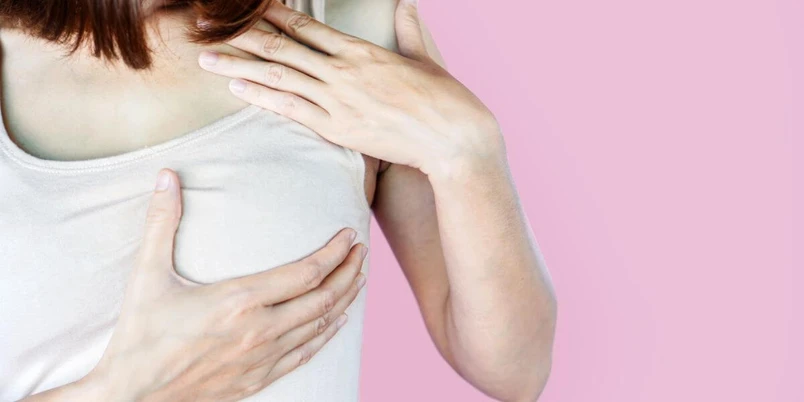
Nipples become hard because of smooth muscle fibers inside the nipple and areola tightening involuntarily.
These fibers are controlled by the sympathetic nervous system, the same system responsible for fight-or-flight reactions.
When triggered, the nipple erects and the areola tightens, similar to how skin reacts with goosebumps in the cold.
This reflex can happen with or without an obvious reason, and it’s rarely something to worry about on its own.
Common Harmless Causes of Hard Nipples
Most cases of hard nipples trace back to everyday, non-medical triggers that affect almost everyone at some point.
| Trigger | Why It Happens |
|---|---|
| Cold temperature | Muscle contraction to conserve heat |
| Clothing friction | Constant rubbing stimulates nerve endings |
| Sexual arousal | Nervous system activation increases blood flow |
| Emotional response | Stress or excitement can trigger the reflex |
| Physical touch | Direct stimulation of sensitive nerve fibers |
| Exercise | Repetitive friction from movement and fabric |
These triggers can affect one or both nipples, and the hardness usually fades once the trigger is removed.
Cold Exposure and Temperature Changes
Cold air or water causes blood vessels to constrict and muscles to tighten across the body, including the nipples.
This is a natural way the body works to conserve heat, and it resolves once you warm up again.
Air conditioning, cold showers, and winter weather are some of the most common everyday culprits.
Friction From Clothing and Exercise
Tight bras, rough fabrics, and seams create constant low-level stimulation that keeps nipples firm for longer periods.
Runners and surfers are especially prone to this, sometimes developing a condition informally called “jogger’s nipple” from repeated friction.
Cotton fabric absorbs sweat and increases friction, while moisture-wicking, snug-fitting tops tend to reduce irritation significantly.
Hormonal Fluctuations
Hormone shifts during the menstrual cycle, pregnancy, breastfeeding, or perimenopause can increase nipple sensitivity and firmness.
Rising estrogen around ovulation often causes breast tenderness alongside noticeably harder nipples for a few days.
During pregnancy, increased blood flow and hormone changes can make nipples larger, darker, and consistently firmer.
Sexual Arousal and Emotional Triggers
Sexual arousal activates nerve pathways that increase blood flow to the nipple, causing it to harden.
Even subconscious thoughts, visual cues, or emotional excitement can trigger this same nervous system response.
This is a normal physiological reaction and doesn’t require any medical explanation on its own.
Skin Conditions That Cause Hard or Sore Nipples
Some skin-related issues can cause nipples to stay hard while also becoming painful, dry, or irritated.
Eczema and Dermatitis
Eczema on the nipple causes dryness, flaking, itching, and firmness that doesn’t resolve with typical triggers.
It often flares up due to allergens, harsh soaps, or fabric sensitivities and responds well to gentle skincare.
Allergic Reactions
Products like detergents, lotions, or new fabrics can trigger contact dermatitis, leading to hardness, redness, and itching.
Switching to fragrance-free, hypoallergenic products usually resolves this within a few days.
Fungal Infections (Thrush)
Thrush on the nipple, common during breastfeeding, causes burning, hardness, and a shiny or flaky appearance.
It typically needs antifungal treatment prescribed by a doctor to fully clear up.
Medical Conditions Linked to Persistent Hard Nipples
While uncommon, certain medical conditions can present with nipple hardness as one of several symptoms.
| Condition | Key Symptoms |
|---|---|
| Mastitis | Hardness, redness, warmth, fever (often during breastfeeding) |
| Breast abscess | Painful lump, swelling, hard nipple area |
| Paget’s disease | Crusting, hardness, flattened or inverted nipple |
| Hormonal imbalance | Persistent firmness with other hormone symptoms |
| Thyroid disorders | Breast tenderness alongside other systemic symptoms |
These conditions usually come with additional symptoms beyond hardness alone, which helps distinguish them from harmless triggers.
Mastitis and Breastfeeding-Related Causes
Mastitis is inflammation of breast tissue, common in breastfeeding mothers, that can cause hard, warm, and painful nipples.
It often develops from a blocked milk duct or bacterial infection and may come with fever and fatigue.
Frequent breastfeeding or pumping, along with warm compresses, often helps clear a blocked duct before it worsens.
If fever or spreading redness develops, prompt medical treatment with antibiotics is usually necessary.
Paget’s Disease of the Nipple
Paget’s disease is a rare condition linked to underlying breast cancer that affects the nipple and areola skin.
Symptoms include crusting, flaking, hardness, itching, and sometimes a flattened or inverted nipple shape.
Because it mimics eczema, many cases are initially misdiagnosed, so persistent one-sided symptoms should always be evaluated.
Ovulation and the Menstrual Cycle
Around ovulation, a surge in estrogen commonly causes breast tenderness and firmer nipples for several days.
Other ovulation signs include changes in cervical fluid, mild pelvic cramping, and a slight increase in libido.
This pattern tends to repeat monthly and resolves once hormone levels shift again after ovulation.
Pregnancy and Hard Nipples
During early pregnancy, rising hormone levels increase blood flow to the breasts, often making nipples firmer and larger.
Areolas may also darken and enlarge, and some people notice small bumps called Montgomery glands becoming more visible.
Later in pregnancy, colostrum leakage can accompany nipple firmness as the body prepares for breastfeeding.
Perimenopause and Menopause
As estrogen levels decline approaching menopause, some people notice unusual or persistent nipple firmness.
This often comes with irregular periods, hot flashes, mood changes, and disrupted sleep patterns.
While less common than in younger years, hormone-related nipple changes during this stage are still considered normal.
When Hard Nipples Are Normal vs When to Worry
Most hard nipple episodes are brief, triggered by an obvious cause, and resolve without treatment.
| Normal Pattern | Concerning Pattern |
|---|---|
| Comes and goes with cold or touch | Persistent for weeks without a trigger |
| Affects both nipples equally | Only affects one nipple |
| No pain or skin changes | Painful, crusted, or flaking skin |
| Resolves after the trigger ends | Lump, discharge, or inversion present |
If your symptoms match the concerning column, it’s worth scheduling an evaluation rather than waiting it out.
Warning Signs That Need Medical Attention
Certain symptoms alongside hard nipples should never be ignored, regardless of age or gender.
- A new lump or thickening in the breast or underarm area
- Nipple discharge, especially if bloody or occurring without squeezing
- Skin changes like dimpling, puckering, or an orange-peel texture
- Nipple inversion that’s new and wasn’t present before
- Persistent one-sided pain, crusting, or scaling
- Fever, warmth, or spreading redness around the breast
Any of these combined with nipple hardness warrants a prompt visit to a doctor for a proper exam.
How Doctors Diagnose the Underlying Cause
A doctor typically starts by asking about the timing, pattern, and any accompanying symptoms you’ve noticed.
A physical breast exam helps rule out lumps, skin changes, or signs of infection.
Depending on findings, they may order a mammogram, ultrasound, hormone panel, or skin biopsy for further clarity.
Most evaluations are quick, and the majority of cases turn out to have a simple, treatable explanation.
Managing and Reducing Nipple Hardness Day to Day
Several practical steps can reduce discomfort from friction-related or cold-triggered nipple hardness.
- Wear a properly fitted, seamless bra to reduce friction throughout the day.
- Choose moisture-wicking fabric over cotton during exercise to limit chafing.
- Apply a barrier balm or petroleum jelly before long runs or workouts.
- Use fragrance-free detergent and lotion if you suspect a skin sensitivity.
- Layer clothing in cold weather to reduce temperature-triggered firmness.
- Keep skin moisturized to prevent dryness-related irritation.
These changes won’t stop the natural reflex entirely but can reduce soreness and irritation significantly.
Hard Nipples in Men

Men experience the same smooth muscle reflex in the nipple and areola as women do.
Cold, friction, arousal, and even hormonal shifts like low testosterone can all cause nipple hardness in men.
Persistent one-sided hardness, lumps, or discharge in men should also be checked, since male breast cancer, while rare, does occur.
Clothing and Fabric Choices That Help
The type of fabric touching your skin plays a bigger role in nipple comfort than most people realize.
| Fabric Type | Effect on Nipples |
|---|---|
| Cotton | Absorbs sweat, increases friction over time |
| Moisture-wicking synthetic | Reduces friction and moisture buildup |
| Silk | Smooth, low-friction, gentle on sensitive skin |
| Wool | Can be scratchy and irritating for some people |
| Seamless bras | Minimize pressure points and rubbing |
Choosing breathable, seamless materials for daily wear and workouts can noticeably reduce irritation-related hardness and soreness.
Common Myths About Hard Nipples
A lot of confusing or inaccurate information circulates about what nipple hardness actually means.
Myth: Hard nipples always mean arousal. In reality, cold, friction, and hormones cause hardness far more often than arousal alone.
Myth: Only women experience this. Men have the same nerve and muscle structure, so they experience it too.
Myth: Hard nipples are always a health concern. Isolated, brief hardness with an obvious trigger is completely normal.
Myth: Nipple hardness patterns never change with age. Sensitivity naturally shifts across puberty, pregnancy, and menopause.
When to See a Doctor: A Quick Checklist
Use this quick checklist to decide whether your symptoms warrant a medical visit.
- Hardness lasting more than a few weeks without a clear trigger
- Any new lump, thickening, or change in breast shape
- Nipple discharge that isn’t related to breastfeeding
- Skin changes like crusting, scaling, or dimpling
- Fever, warmth, or spreading redness around the breast
- Symptoms affecting only one side persistently
If two or more of these apply to you, scheduling an appointment sooner rather than later is the safer choice.
Hard Nipples and Emotional or Psychological Triggers
Beyond physical stimuli, stress and anxiety can activate the same nervous system pathways that control nipple hardness.
This is why some people notice their nipples harden during nervousness, excitement, or high-stress situations.
It’s considered a normal autonomic response and isn’t something that requires treatment on its own.
Nipple Piercings and Hard Nipples
People with nipple piercings often notice more frequent or prolonged hardness due to constant low-level nerve stimulation.
The jewelry itself can act as a persistent trigger, similar to how clothing friction affects unpierced nipples.
Healing piercings may also cause temporary swelling that can be mistaken for hardness, which usually settles within a few months.
Keeping the area clean and avoiding tight clothing over a fresh piercing reduces irritation and unnecessary firmness.
Medications and Supplements That Affect Nipple Sensitivity
Certain medications can alter hormone levels enough to change how often nipples feel hard or tender.
Birth control pills, hormone replacement therapy, and some antidepressants are commonly linked to increased breast and nipple sensitivity.
Supplements like fenugreek, often used to support milk supply, can also increase nipple firmness and sensitivity in breastfeeding individuals.
If a new medication seems linked to the change, it’s worth mentioning to the prescribing doctor at your next visit.
The Role of Body Temperature Regulation
Nipples, like other areas of the body with smooth muscle fibers, play a small role in temperature regulation.
When the body senses cold, blood vessels near the skin surface constrict to preserve core body heat.
This vasoconstriction is part of the same reflex that causes hardened nipples and goosebumps across the skin.
It’s a fully automatic process and doesn’t require any conscious effort or awareness to occur.
Nipple Sensitivity Across Different Life Stages

Nipple sensitivity and hardness patterns can shift noticeably across different stages of life.
| Life Stage | Typical Pattern |
|---|---|
| Puberty | Increased sensitivity as breast tissue develops |
| Reproductive years | Cyclical firmness tied to the menstrual cycle |
| Pregnancy | Persistent firmness and enlargement |
| Breastfeeding | Frequent firmness tied to feeding and let-down |
| Perimenopause | Irregular, hormone-driven sensitivity changes |
| Post-menopause | Generally reduced sensitivity overall |
Understanding which stage you’re in can help explain patterns that might otherwise feel confusing or random.
Breastfeeding and Let-Down Reflex
Nursing parents often notice their nipples harden right before or during a feeding, tied to the let-down reflex.
This reflex triggers milk release and is accompanied by a tingling or firming sensation in the nipple.
It can also happen involuntarily when hearing a baby cry or even just thinking about feeding.
This is a completely normal and expected part of the breastfeeding process.
Comparing Nipple Symptoms: What They Might Mean
Since several conditions overlap in symptoms, comparing patterns side by side can help narrow down the likely cause.
| Symptom Pattern | Likely Explanation |
|---|---|
| Hardness only in cold weather | Normal temperature response |
| Hardness with itching and flaking | Eczema or allergic reaction |
| Hardness with fever and warmth | Possible mastitis |
| Hardness with a lump | Needs prompt medical evaluation |
| Hardness tied to monthly cycle | Hormonal, linked to ovulation or PMS |
| Hardness during breastfeeding | Let-down reflex, usually normal |
Matching your specific pattern against this table can help you decide how urgently to seek medical advice.
Diet, Lifestyle, and Hormonal Balance
Certain lifestyle factors can indirectly affect how often nipples feel hard or sensitive throughout the month.
Caffeine and high sodium intake can worsen breast tenderness, especially in the days leading up to menstruation.
Regular exercise and stable sleep patterns help support balanced hormone levels over time.
Reducing stress through relaxation techniques may also lessen how often emotional triggers cause noticeable nipple firmness.
Tracking Your Symptoms Before a Doctor’s Visit
Keeping a simple symptom log for a week or two can make your doctor’s visit far more productive.
Note when the hardness occurs, how long it lasts, and whether it’s tied to temperature, touch, or your cycle.
Record any additional symptoms like pain, discharge, or skin changes, along with which side is affected.
This pattern of information often helps doctors reach a diagnosis faster and rule out unlikely causes early on.
A short log covering food, sleep, stress levels, and clothing worn on symptomatic days can also reveal hidden lifestyle triggers you hadn’t connected before.
Frequently Asked Questions (FAQs)
1. Is it normal for nipples to be hard all the time?
Occasional or frequent hardness is usually normal and linked to cold, friction, or hormones. Constant hardness with pain or skin changes should be checked.
2. Can hard nipples be a sign of pregnancy?
Yes, hormonal changes in early pregnancy often make nipples firmer, larger, and more sensitive. It’s one of many early pregnancy signs.
3. Why is only one of my nipples hard?
One-sided hardness can result from localized friction, a skin issue, or in rare cases, an underlying condition. It’s worth monitoring if it persists.
4. Can hard nipples mean a hormone imbalance?
Yes, fluctuating estrogen or thyroid issues can cause ongoing nipple sensitivity and firmness. A hormone panel can help confirm this.
5. Do hard nipples always mean arousal?
No, arousal is only one of several triggers, alongside cold, friction, hormones, and stress. Context usually makes the cause clear.
6. Can allergies cause hard, itchy nipples?
Yes, contact dermatitis from soaps, detergents, or fabrics can cause hardness along with itching and redness. Switching products often resolves it.
7. When should I worry about hard nipples?
Worry if hardness comes with a lump, discharge, one-sided changes, or skin crusting. These need a prompt medical evaluation.
8. Can men have hard nipples too?
Yes, men have the same nerve and muscle response in the nipple as women do. The same causes and warning signs apply.
9. Does exercise cause hard nipples?
Yes, friction from bras, shirts, and repetitive movement during exercise commonly causes nipple hardness and soreness. Moisture-wicking fabric helps prevent this.
10. Can stress make my nipples hard?
Yes, stress and anxiety activate the same nervous system response responsible for the nipple hardening reflex. It’s a normal, harmless reaction.
A Quick Recap of the Main Causes
Before moving to the FAQs, here’s a fast recap of the categories covered in this guide.
Everyday harmless triggers include cold, friction, arousal, and emotional responses, which explain the vast majority of cases.
Hormonal causes span the menstrual cycle, pregnancy, breastfeeding, and perimenopause, all of which are considered normal.
Medical causes are less common but include eczema, allergies, thrush, mastitis, and in rare cases, Paget’s disease.
Keeping this recap in mind makes it easier to place your own symptoms into the right category.
Conclusion
Hard nipples are almost always a normal reflex controlled by involuntary muscle fibers reacting to cold, touch, friction, hormones, or emotions.
For most people, this comes and goes throughout the day without any medical significance and needs no treatment beyond comfort measures like better-fitting bras or moisture-wicking fabric.
Certain patterns, however, deserve closer attention: one-sided changes, lumps, discharge, crusting, or persistent pain are signs worth discussing with a doctor.
Hormonal life stages like ovulation, pregnancy, breastfeeding, and perimenopause can all naturally increase nipple firmness as part of the body’s normal hormonal rhythm. If your symptoms fall outside these familiar patterns, a quick medical evaluation can offer clarity and peace of mind.
