

Why Are There White Spots on My Teeth? White spots on my teeth can appear suddenly and make even a healthy smile look uneven or discolored. Most people notice these pale patches after brushing, in photos, or after a teeth whitening session.
They are usually harmless, but they can also be an early warning sign of enamel damage. Understanding why white spots form is the first step toward treating and preventing them.
Why Are There White Spots on My Teeth?
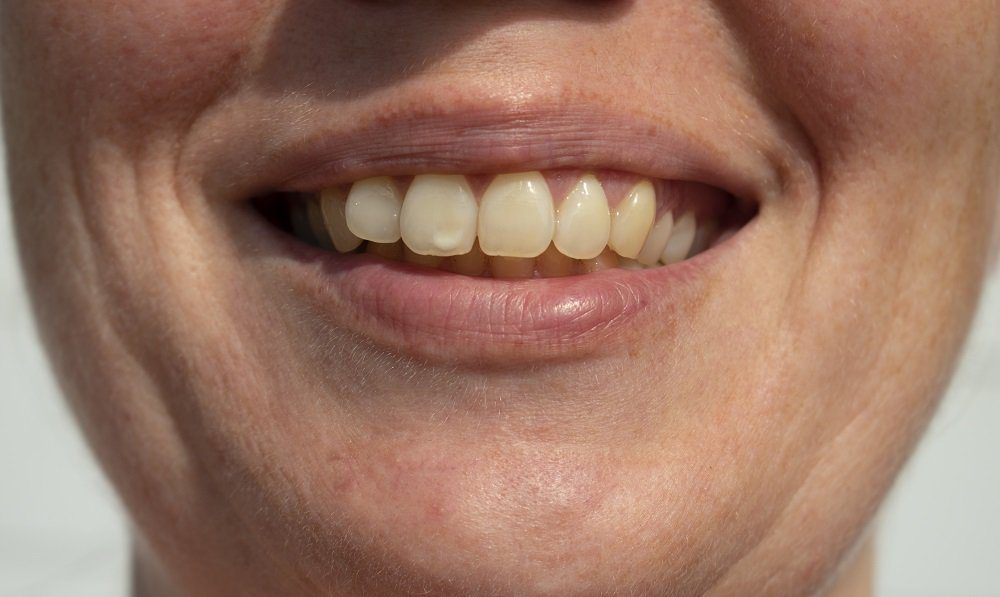
White spots are areas of tooth enamel that look lighter, chalkier, or more opaque than the surrounding tooth surface. They form when minerals like calcium and phosphate are lost from the enamel.
This mineral loss changes how light reflects off the tooth. Instead of a smooth, translucent surface, you get a dull, whitish patch that can affect one tooth or several at once.
These spots are not always painful, and many people only notice them by accident. However, they often signal that the enamel has weakened in that specific area.
Common Causes of White Spots on Teeth
There is no single reason white spots appear. Dentists usually point to one of several overlapping causes, ranging from childhood development issues to daily diet and hygiene habits.
Below are the most frequent causes reported across dental sources and clinical guidance.
Dental Fluorosis
Fluorosis happens when a child consumes too much fluoride while their permanent teeth are still developing, usually between the ages of one and eight.
This can come from swallowing fluoride toothpaste, drinking heavily fluoridated water, or taking fluoride supplements unnecessarily. The result is permanent white or chalky patches that appear once adult teeth erupt.
Enamel Hypoplasia
Enamel hypoplasia is a developmental defect where the enamel layer forms thinner than normal. It often results from childhood illness, high fever, poor nutrition, or premature birth.
Teeth affected by enamel hypoplasia are more prone to white spots, sensitivity, and future decay. This condition is usually genetic or linked to early childhood health events outside a person’s control.
Poor Oral Hygiene and Plaque Buildup
When plaque is not removed consistently, bacteria feed on leftover sugars and produce acid. That acid strips minerals from the enamel surface, creating early white lesions.
This is one of the most preventable causes of white spots. Consistent brushing and flossing significantly reduce this risk over time.
White Spots From Braces
Braces make it harder to clean around brackets and wires. Plaque tends to collect at the base of each bracket if brushing is not thorough.
Many people only notice these white spots after the braces come off, since the brackets previously hid the demineralized areas. This is sometimes called “orthodontic white spot lesions.”
Diet High in Sugar and Acidic Foods
Frequent consumption of soda, citrus fruits, candy, and other acidic or sugary foods gradually erodes enamel. Acid weakens the tooth’s mineral structure, making white patches more likely.
Acid reflux can have a similar effect, since stomach acid reaching the mouth also erodes enamel from the inside out.
Dry Mouth and Mouth Breathing
Saliva helps protect and remineralize enamel. When someone breathes through their mouth, especially while sleeping, saliva production drops and teeth dry out.
Reduced saliva flow makes teeth more vulnerable to acid attacks, which can trigger visible white spots over time, particularly near the gumline.
Nutritional Deficiencies
Enamel formation depends on adequate calcium, vitamin D, and phosphorus during childhood. A diet lacking these nutrients can result in weaker enamel and increased susceptibility to white spots.
This cause is more common in developing teeth than in fully formed adult enamel.
Early Tooth Decay (Demineralization)
A white spot is frequently the very first visible sign of tooth decay. At this early stage, the damage is often still reversible with proper care.
If left untreated, however, the weakened area can progress into an actual cavity that requires filling.
Celiac Disease and Other Medical Conditions
Some systemic health conditions, including celiac disease, can interfere with how the body absorbs minerals needed for healthy enamel formation.
If white spots appear alongside other unexplained symptoms, it is worth discussing your medical history with both a dentist and a physician.
Genetics
In some cases, enamel defects and a tendency toward white spots simply run in families. Genetic factors can influence enamel thickness and mineral density from birth.
Are White Spots on Teeth Dangerous?
In most cases, white spots are a cosmetic concern rather than a medical emergency. They are not painful and do not spread like an infection.
That said, a white spot can be an early cavity in disguise. Ignoring it may allow the enamel to break down further and eventually require a filling.
The safest approach is to have any new or changing white spot examined by a dentist, especially if it appears suddenly or grows larger.
How Common Are White Spots on Teeth?
White spots are one of the most frequently reported cosmetic dental concerns, affecting people of all ages across the world.
Studies on dental fluorosis suggest that a significant percentage of children in fluoridated communities show at least mild white spot changes on their permanent teeth.
Braces-related white spots are also extremely common, with many orthodontic patients noticing at least faint marks once their braces are removed.
Because the condition is so widespread, dentists consider it a routine finding rather than a rare or alarming diagnosis in most cases.
How to Diagnose White Spots on Teeth
A dentist typically diagnoses the cause through a simple visual exam using a dental light and mirror. In many cases, no special equipment is needed.
For less obvious cases, dentists may use an intraoral camera or X-rays to check whether decay has spread beneath the enamel surface. This helps distinguish fluorosis from early decay.
Sharing your childhood fluoride exposure, orthodontic history, and diet habits helps the dentist narrow down the most likely cause.
How to Fix White Spots on Teeth (Treatment Options)
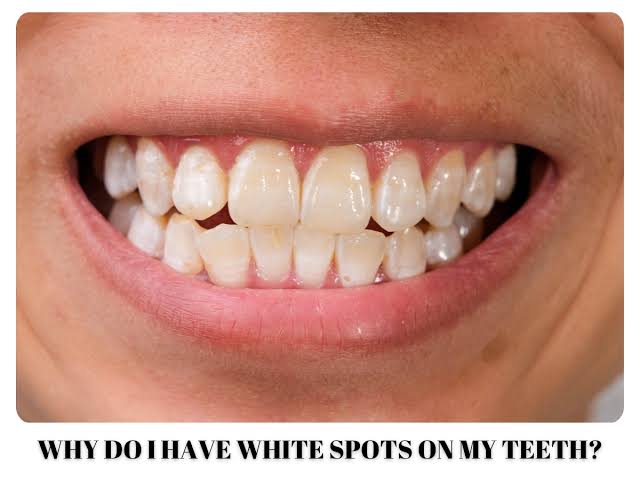
Treatment depends heavily on the underlying cause. What works for fluorosis will not necessarily work for a decay-related white spot.
Here are the main options dentists recommend.
Professional Teeth Whitening
Whitening treatments can even out the color contrast between the white spot and the rest of the tooth. This works best for mild, surface-level discoloration.
A dentist should be consulted before using over-the-counter whitening strips, since whitening can sometimes make certain spots more noticeable rather than less.
Microabrasion
Microabrasion is a dental procedure that gently removes a very thin layer of enamel using a mild abrasive compound. This can reduce or eliminate shallow white spots.
It is a quick, non-invasive option typically completed in a single office visit.
Resin Infiltration (ICON Treatment)
Resin infiltration involves applying a special resin that soaks into the porous enamel of a white spot lesion. This helps the tooth blend in with surrounding enamel.
It is especially popular for treating white spots left behind by braces, since it addresses both the appearance and the underlying porosity.
Fluoride Treatment and Remineralization
For white spots caused by early demineralization, professional fluoride treatments can help redeposit minerals into the enamel. This may reverse very early-stage damage.
At-home remineralizing toothpaste containing fluoride or hydroxyapatite can support this process between dental visits.
Dental Veneers
Veneers are thin porcelain or composite shells bonded to the front of the tooth. They fully cover white spots and other discoloration.
This option is typically reserved for more stubborn or cosmetically significant cases, since it is more invasive than microabrasion or resin infiltration.
Enamel Bonding
Composite bonding uses tooth-colored resin to mask white spots directly. It is more affordable than veneers and can usually be completed in one appointment.
Causes and Treatment Quick Reference Table
| Cause | Typical Age Group | Common Treatment |
|---|---|---|
| Dental fluorosis | Children (during tooth development) | Whitening, microabrasion, veneers |
| Enamel hypoplasia | Children, lifelong effect | Fluoride treatment, bonding, veneers |
| Poor oral hygiene | Any age | Improved brushing, professional cleaning |
| Braces-related spots | Teens, adults with braces | Resin infiltration, fluoride treatment |
| Acidic or sugary diet | Any age | Remineralizing toothpaste, diet changes |
| Dry mouth / mouth breathing | Any age | Hydration, saliva substitutes, dental checkup |
| Early tooth decay | Any age | Fluoride treatment, monitoring, filling if needed |
How to Prevent White Spots on Teeth
Prevention is almost always easier and cheaper than treatment. A few consistent habits can significantly lower your risk.
Brush twice daily with a fluoride toothpaste and clean gently along the gumline. Floss daily to remove plaque between teeth where a toothbrush cannot reach.
Limit sugary and acidic foods and drinks, especially soda and citrus juice consumed frequently throughout the day. Rinse your mouth with water after eating these items.
If you or your child wear braces, ask your orthodontist about fluoride rinses or sealants designed to protect enamel during treatment.
Monitor fluoride intake in young children, including supervising toothpaste use so they do not swallow large amounts during brushing.
Visit your dentist for regular checkups and cleanings so early demineralization can be caught and treated before it becomes visible or permanent.
White Spots on Teeth in Kids vs Adults
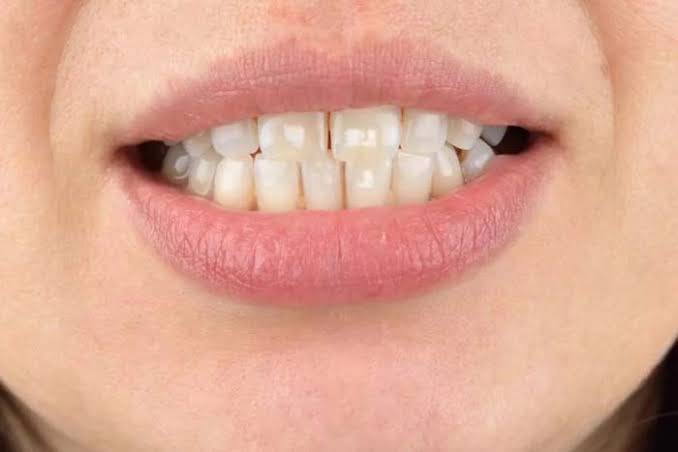
In children, white spots are most often linked to fluorosis or enamel hypoplasia, since permanent teeth are still forming beneath the gums during early childhood.
In adults, white spots are more commonly tied to diet, plaque buildup, dry mouth, or leftover effects from wearing braces as a teenager.
The treatment approach can differ slightly, since children’s enamel is more responsive to fluoride-based remineralization compared to fully matured adult enamel.
Home Remedies: Do They Work?
Many people search for natural ways to fade white spots at home. Realistically, home remedies have limited effect once enamel has already lost minerals.
Improving oral hygiene, cutting back on acidic drinks, and using a remineralizing toothpaste can help mild, early-stage spots. However, they will not remove fluorosis or hypoplasia-related spots.
For deeper or permanent white spots, only professional treatments like microabrasion, resin infiltration, or veneers will produce a visible, lasting change.
White Spots vs Other Types of Tooth Discoloration
Not every discolored patch on a tooth is a white spot lesion. Yellow or brown staining usually comes from coffee, tea, tobacco, or aging enamel rather than mineral loss.
Gray or dark discoloration can indicate a dying nerve or an old filling reacting with the tooth structure. This is different from the chalky, opaque look of a true white spot.
Knowing the difference matters because whitening treatments that work on surface stains will not fix a true white spot caused by demineralization or fluorosis.
Common Myths About White Spots on Teeth
There is a lot of misinformation online about white spots, so it helps to separate fact from myth before choosing a treatment.
Myth: White spots always mean poor hygiene. In reality, many spots come from childhood fluoride exposure or genetics, not current brushing habits.
Myth: Whitening toothpaste removes white spots. Whitening toothpaste targets surface stains, not the deeper mineral loss that causes true white spots.
Myth: White spots are contagious or spread to other people. White spots are a localized enamel issue and pose no risk of transmission to anyone else.
Myth: Once a white spot appears, nothing can be done. Many spots respond well to professional treatments like resin infiltration, microabrasion, or fluoride therapy.
Estimated Cost Range for Common Treatments
Costs vary by location, dentist, and severity of the white spots, but the table below gives a general idea of what to expect.
| Treatment | Typical Price Range | Best For |
|---|---|---|
| Fluoride treatment | $20 to $50 per visit | Early demineralization |
| Microabrasion | $100 to $300 | Shallow surface spots |
| Resin infiltration | $150 to $400 per tooth | Braces-related white spots |
| Composite bonding | $150 to $600 per tooth | Localized cosmetic spots |
| Porcelain veneers | $800 to $2,500 per tooth | Severe or multiple spots |
These figures are general estimates. Always request a personalized quote from your dentist, since insurance coverage and regional pricing can shift the final cost.
Can Toothpaste Alone Fix White Spots?
Regular toothpaste cleans and protects teeth, but it rarely reverses an existing white spot on its own, especially if the mineral loss is significant.
Toothpaste formulated with fluoride or hydroxyapatite can support remineralization for very mild, early spots when used consistently over several weeks.
For fluorosis, hypoplasia, or deeper decay-related spots, toothpaste alone will not be enough, and professional treatment remains the most reliable solution.
Foods and Habits That Help Protect Enamel
Certain foods actively support enamel strength and can reduce the risk of new white spots forming over time.
Dairy products like cheese and milk supply calcium and phosphate, both of which support natural remineralization. Leafy greens also provide useful minerals for tooth health.
Drinking plenty of water throughout the day helps maintain saliva flow, which naturally buffers acid and washes away food debris.
Chewing sugar-free gum after meals can stimulate saliva production, offering extra protection when brushing right away is not possible.
Can Stress or Illness Trigger White Spots?
High fever or illness during early childhood can disrupt enamel formation, which is one reason enamel hypoplasia sometimes develops without any clear hygiene-related cause.
In adults, chronic stress does not directly cause white spots, but it can lead to teeth grinding, dry mouth, or neglected oral care, all of which indirectly raise the risk.
Addressing the underlying illness or stress factor, alongside good dental care, gives enamel the best chance to stay strong and mineral-rich.
When to See a Dentist
You should schedule a dental visit if a white spot appears suddenly, grows larger, or is accompanied by sensitivity to hot or cold foods.
It is also worth getting checked if the spot appears alongside a rough or pitted texture, since this can indicate active decay rather than simple staining.
Early evaluation gives you the widest range of treatment options and the best chance of reversing the damage before it becomes permanent.
How Long Does Treatment Take to Work?
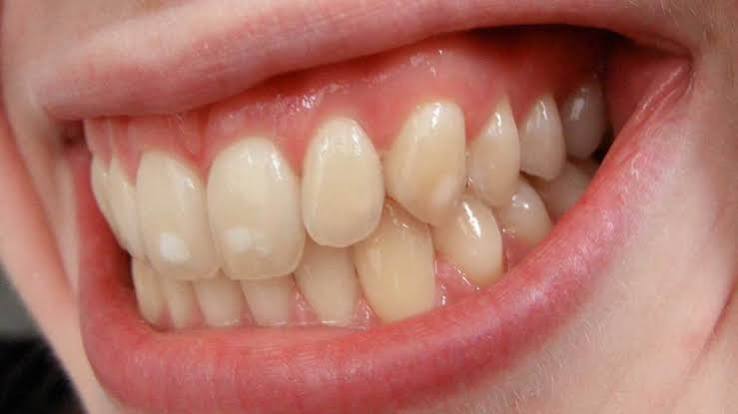
Treatment timelines vary depending on the method chosen and the severity of the white spots being treated.
Fluoride treatments and remineralizing toothpaste usually take several weeks of consistent use before any visible improvement appears. Patience is important with this approach.
Microabrasion and resin infiltration typically show results in a single office visit, since the enamel surface is treated directly during the appointment.
Veneers and bonding also produce immediate results, since they physically cover the discolored area rather than waiting for the enamel to remineralize naturally.
Will Insurance Cover White Spot Treatment?
Coverage depends on whether the treatment is classified as medically necessary or purely cosmetic by your dental insurance provider.
Fluoride treatments and fillings for decay-related spots are often at least partially covered. Cosmetic options like veneers or whitening are usually out-of-pocket expenses.
It is worth calling your insurance provider before scheduling treatment so you understand exactly what portion of the cost you will be responsible for.
Frequently Asked Questions (FAQs)
1. Why do I suddenly have white spots on my teeth?
Sudden white spots are usually caused by early enamel demineralization from acid or plaque. A dentist can confirm the exact cause quickly.
2. Can white spots on teeth go away on their own?
Very early, mild spots can sometimes improve with better hygiene and fluoride use. Fluorosis-related spots will not disappear without treatment.
3. Are white spots on teeth a sign of a cavity?
They can be the earliest visible sign of decay, but they do not always mean a cavity has formed yet. A checkup can confirm this.
4. Does teeth whitening make white spots worse?
Whitening can sometimes make white spots more noticeable by lightening the surrounding enamel. A dentist can advise on the safest approach.
5. What causes white spots on teeth after braces?
Braces trap plaque around brackets, leading to demineralization in those exact spots. This is very common and treatable with resin infiltration.
6. Can adults get fluorosis-related white spots?
No, fluorosis only develops while adult teeth are forming in childhood. Adult-onset white spots have a different underlying cause.
7. Is microabrasion painful?
Microabrasion is generally painless and does not require anesthesia. Most patients complete the procedure comfortably in one visit.
8. How much does it cost to fix white spots on teeth?
Costs vary widely, from affordable fluoride treatments to more expensive veneers. A dentist can estimate cost based on the chosen treatment.
9. Can diet alone cause white spots on teeth?
Yes, a diet high in sugar or acidic foods can erode enamel and trigger white spot formation over time. Diet changes can also help prevent new spots.
10. Should I worry about white spots on my child’s teeth?
Mild spots are common and often cosmetic, but a dentist should evaluate any new or unusual spots. Early treatment options work best in children.
Conclusion
White spots on teeth are extremely common and usually more of a cosmetic concern than a medical emergency. They can stem from fluorosis, enamel hypoplasia, poor oral hygiene, braces, diet, dry mouth, or early tooth decay.
Because the right treatment depends entirely on the cause, a dental evaluation is the most reliable first step. Options range from simple fluoride treatments and microabrasion to resin infiltration, bonding, or veneers for more stubborn cases.
Prevention remains the most effective long-term strategy. Consistent brushing, flossing, a balanced diet, and regular dental checkups can keep new white spots from forming.
If you notice a new or changing white spot, do not wait. Early attention gives you more treatment options and a better chance of restoring a smooth, even smile.
