

Why does my jaw keep locking is one of the most searched dental health questions today — and for good reason.
A jaw that suddenly gets stuck open or closed is alarming, painful, and disruptive to daily life.
Whether it happens while eating, yawning, or talking, recurring jaw locking is a signal your body is sending you.
In most cases, the root cause is a treatable condition involving the temporomandibular joint (TMJ).
What Is Jaw Locking and Why Does It Happen
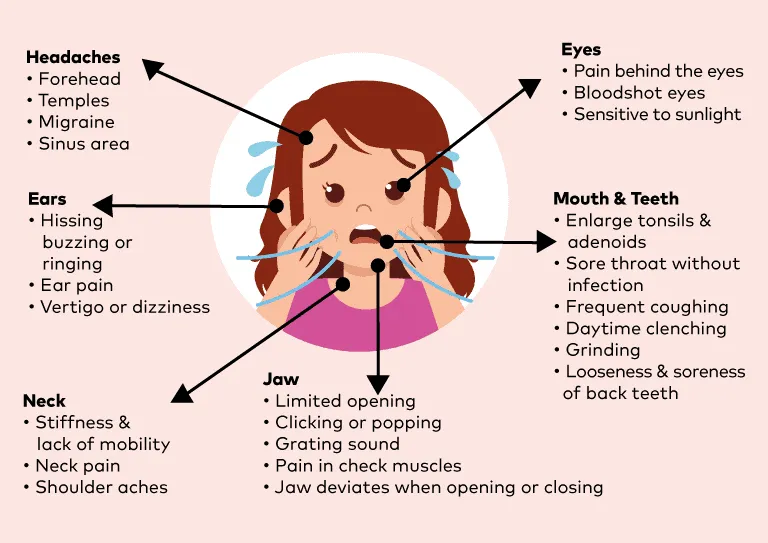
Jaw locking occurs when the lower jaw gets stuck and cannot move freely. It can lock in two positions — either stuck open or stuck closed.
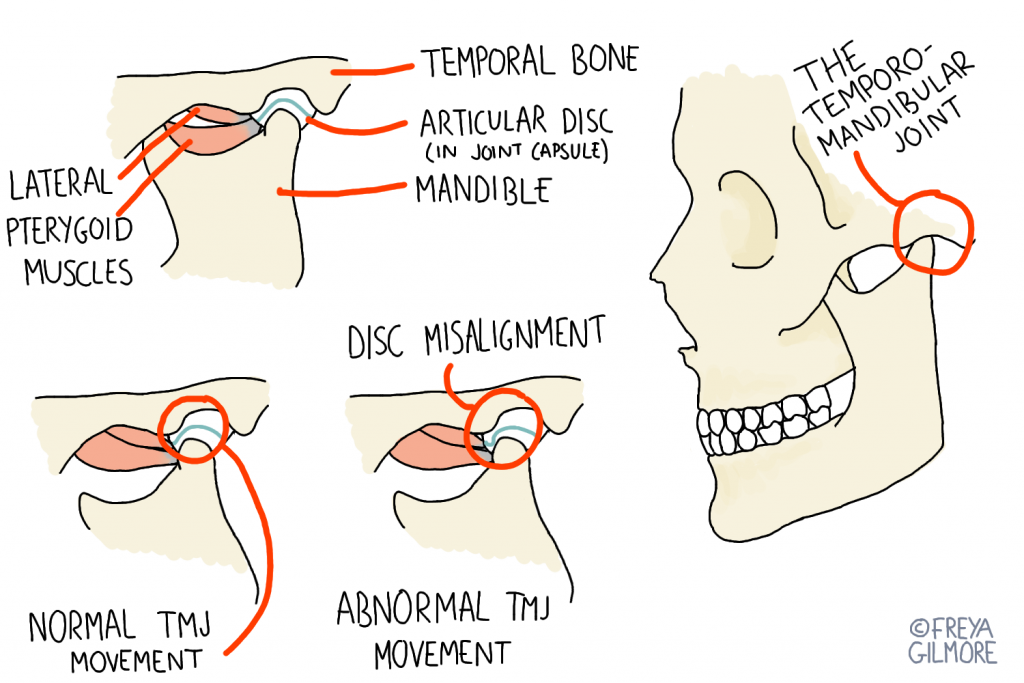
The temporomandibular joint (TMJ) connects your lower jawbone to your skull near each ear. This joint controls every movement you make with your mouth — chewing, speaking, yawning, and smiling.
When something disrupts the TMJ — whether a displaced disc, muscle spasm, or joint inflammation — the jaw can lock suddenly and cause sharp pain or limited movement.
Two Types of Jaw Locking You Should Know
Understanding which type of lock you have helps determine the right treatment approach.
| Type | Description | Common Cause |
|---|---|---|
| Closed Lock | Mouth is stuck shut; cannot open fully (less than 1 inch) | Disc displacement without reduction |
| Open Lock | Mouth is stuck open; cannot close or bring teeth together | TMJ dislocation or subluxation |
Closed locking is more common and is often linked to TMJ disc problems. Open locking is less frequent but requires urgent care.
The #1 Cause — TMJ Disorder (TMD)
The most common reason your jaw keeps locking is temporomandibular joint disorder, often called TMD or TMJ disorder. This condition affects the joint and surrounding muscles.
TMD affects up to 12 million people in the United States alone, mostly adults aged 20 to 40. Women are twice as likely to develop it compared to men.
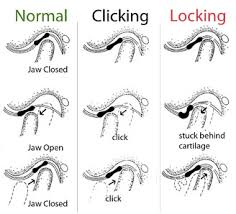
The articular disc — a small piece of cartilage inside the joint — can slip out of its normal position. When this happens, it blocks smooth jaw movement and causes the jaw to click, pop, or lock entirely.
Common Causes of a Locking Jaw
There is rarely one single reason why your jaw keeps locking. Most cases involve a combination of factors.
Teeth Grinding and Clenching (Bruxism)
Bruxism is the habit of grinding or clenching your teeth, often during sleep. Many people don’t even know they do it until symptoms appear. Over time, this places extreme stress on the TMJ, wearing down cartilage and straining the jaw muscles.
The constant pressure weakens the joint’s ability to stay aligned. This leads to the disc slipping, clicking noises, and eventually jaw locking.
Disc Displacement
The articular disc acts as a cushion inside the TMJ. Ligament damage, previous injuries, or TMD can cause this disc to shift out of its correct position.
When the disc doesn’t return to its proper place after movement, the jaw gets stuck. This is known as disc displacement without reduction (DDNR) — the most frequent cause of closed-lock jaw.
Stress and Anxiety
Stress causes people to unconsciously tighten their jaw muscles and clench their teeth. This is one of the most overlooked triggers of jaw locking.
Chronic stress leads to persistent muscle tension in the face, neck, and jaw. That constant tension restricts movement over time and makes locking episodes more frequent.
Jaw Injury or Trauma
A direct hit to the jaw — from sports, a fall, or an accident — can dislocate the TMJ. Even minor trauma can damage the ligaments that hold the disc in place.
Swelling from an injury also compresses the joint space, limiting movement and causing the jaw to feel tight or frozen. This type of locking may appear days after the original injury.
Arthritis in the TMJ
Both rheumatoid arthritis and osteoarthritis can damage the cartilage inside the TMJ. As cartilage wears away, the bones begin to rub together.
This friction causes inflammation, joint damage, and eventually mechanical locking. Arthritis-related jaw locking tends to worsen gradually and is often accompanied by grating or crunching sounds.
Wisdom Teeth Problems
Misaligned wisdom teeth can shift the jaw structure and alter how your bite comes together. This imbalance places extra strain on the TMJ.
In some cases, impacted wisdom teeth press against surrounding tissue and contribute to jaw stiffness and locking. Removing problematic wisdom teeth often resolves the locking in these situations.
Tetanus (Trismus)
Tetanus caused by the bacterium Clostridium tetani is a serious but less common cause of jaw locking, known medically as trismus. It causes severe muscle spasms that lock the jaw shut.
This type of locking is a medical emergency. Tetanus vaccination and prompt treatment are essential. If jaw locking is accompanied by muscle stiffness in the neck or back, seek emergency care immediately.
Key Symptoms That Come With Jaw Locking
Jaw locking rarely happens in isolation. Watch for these accompanying symptoms that signal TMJ involvement.
| Symptom | What It Suggests |
|---|---|
| Clicking or popping sounds | Disc movement or displacement |
| Ear pain or fullness | TMJ inflammation near the ear canal |
| Headaches, especially morning headaches | Nighttime bruxism or clenching |
| Facial muscle soreness | Overworked jaw muscles |
| Pain while chewing | Joint or muscle inflammation |
| Limited mouth opening | Disc displacement or muscle tightness |
| Neck and shoulder pain | Connected muscle tension |
If you have three or more of these symptoms alongside locking, a TMJ specialist consultation is strongly recommended.
How Doctors Diagnose Jaw Locking
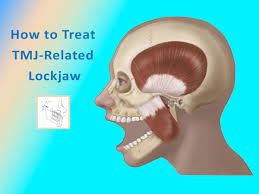
Getting an accurate diagnosis is the first step toward real relief. Guessing at home often delays treatment and allows the condition to worsen.
Physical Examination
A dentist or TMJ specialist will check how far you can open your mouth, listen for clicking or grinding sounds, and feel for tenderness in the jaw muscles and joint area. They will also assess your bite alignment.
Imaging Tests
| Test | What It Shows |
|---|---|
| X-ray | Basic bone structure of the jaw and teeth |
| CT Scan | Detailed bone and joint structure |
| MRI | Soft tissue, articular disc position, and joint health |
| CBCT Scan | 3D view of the jaw joint and surrounding bone |
MRI is currently the most accurate method for confirming disc displacement and diagnosing the exact cause of jaw locking.
Arthroscopy
In complex cases, a thin camera tube (arthroscope) is inserted near the jaw joint to visualize the tissue directly. This technique is both diagnostic and, in some cases, therapeutic.
Treatment Options for Jaw Locking
Most jaw locking cases respond well to conservative, non-surgical treatments when addressed early.
Conservative Home-Based Treatments
These are the first line of defense and are appropriate for mild to moderate cases.
Warm Compress — Apply a warm, damp cloth to the jaw for 10 to 15 minutes. Heat relaxes tight muscles and improves blood flow to the joint. Repeat several times daily.
Cold Pack — Use a cold compress for short periods (5 to 10 minutes) if swelling or sharp pain is present. Alternating between heat and cold can provide additional relief.
Soft Food Diet — Switching to soft foods like yogurt, mashed potatoes, soup, and smoothies removes strain from the TMJ. Avoid hard, crunchy, or chewy foods during flare-ups.
OTC Pain Relief — Ibuprofen or naproxen (NSAIDs) help reduce both pain and inflammation in the joint. Always follow dosage instructions and consult a doctor for ongoing use.
Stay Hydrated — Dehydration affects muscle function. Proper hydration supports the muscle’s ability to relax and contract normally, reducing tension-related locking.
TMJ-Specific Exercises
Exercises restore mobility, strengthen muscles, and reduce the frequency of locking episodes. Perform only when pain is manageable.
Goldfish Exercise (Partial Opening) Place one finger on your TMJ and another on your chin. Slowly drop your lower jaw halfway, then close gently. Repeat 6 times per session, multiple times daily.
Tongue-to-Roof Exercise Press the tip of your tongue gently to the roof of your mouth. Slowly open your mouth as wide as comfortable, then close. Perform 8 to 10 repetitions.
Smile Stretch Make the widest comfortable smile. Then slowly open your jaw about two inches. Take a deep breath and release. Repeat 5 to 10 times.
Resisted Opening Place your thumb under your chin and gently push upward while slowly opening your mouth. The light resistance strengthens the muscles controlling mouth opening.
Professional Medical Treatments
When home care is not enough, these treatments provide stronger and more targeted relief.
Occlusal Splints and Night Guards — Custom-made oral devices prevent teeth grinding, reposition the jaw, and protect the joint during sleep. They are one of the most effective conservative treatments for TMD-related locking.
Physical Therapy — Therapists use ultrasound therapy, electrical stimulation, manual massage, and guided exercises to restore full jaw movement and reduce muscle tension.
Corticosteroid Injections — Injections directly into the joint reduce severe inflammation quickly. They are used when other approaches fail to provide adequate relief.
Botox Injections — Botulinum toxin injected into overactive chewing muscles reduces clenching forces and relieves muscle-related jaw locking. Effects last several months.
Arthrocentesis — A minor in-office procedure where the joint is flushed with sterile fluid to remove inflammatory byproducts and restore disc mobility. Effective when no major TMJ history exists.
Arthroscopic Surgery — A minimally invasive procedure using a small camera to remove scar tissue, reposition the disc, or clear inflammatory tissue from inside the joint.
Open Joint Surgery (Arthroplasty) — Reserved for severe, unresponsive cases. The surgeon can remove damaged disc tissue, repair ligaments, or reconstruct the joint entirely.
When Should You See a Doctor for Jaw Locking
Not every stiff morning jaw requires emergency care. But certain signs mean you need professional evaluation promptly.
See a dentist or TMJ specialist if:
- Your jaw locks more than once a week
- You cannot open your mouth more than one inch
- Pain is severe or does not improve with home care
- You hear loud clicking or grinding sounds regularly
- Jaw locking is accompanied by ear pain or chronic headaches
- Symptoms have lasted longer than two weeks
Seek emergency care immediately if:
- Jaw is locked wide open and you cannot close it
- You suspect a jaw fracture or dislocation after injury
- Jaw locking is accompanied by fever, facial swelling, or difficulty breathing
- You experience muscle stiffness spreading to neck or back (possible tetanus)
Prevention — How to Stop Your Jaw From Locking Again
Once treated, preventing future episodes requires consistent habits and lifestyle adjustments.
Daily Habits That Protect Your Jaw
Avoid wide yawning — Support your chin with your hand when yawning to prevent over-extending the joint. Excessive yawning is a surprisingly common trigger for TMJ dislocation.
Chew on both sides — Chewing only on one side creates muscle imbalance. Distributing the load evenly reduces wear on either TMJ.
Improve your posture — Forward head posture misaligns the spine and places strain on the jaw. Sitting and standing upright reduces indirect pressure on the TMJ.
Stop nail biting and ice chewing — These habits place repetitive stress on the jaw joint and should be eliminated entirely if jaw locking is recurring.
Limit gum chewing — Excessive gum chewing overworks the jaw muscles and can trigger muscle fatigue and locking in people with TMJ sensitivity.
Stress Reduction for Jaw Health
Since stress is a major driver of bruxism and jaw tension, managing it directly protects your jaw.
Deep breathing exercises, yoga, meditation, and progressive muscle relaxation all reduce cortisol levels and unconscious clenching. Even 10 minutes of daily stress management practice can make a meaningful difference in jaw locking frequency.
Nutrition for Jaw and Joint Health
Certain nutrients support the health of muscles and cartilage that surround the TMJ.
| Nutrient | Benefit | Food Sources |
|---|---|---|
| Magnesium | Reduces muscle tension and spasms | Spinach, almonds, dark chocolate |
| Calcium | Supports bone and joint strength | Dairy, broccoli, fortified foods |
| Omega-3 Fatty Acids | Reduces joint inflammation | Salmon, walnuts, flaxseed |
| Vitamin D | Aids calcium absorption and bone health | Sunlight, egg yolks, fortified milk |
| Collagen | Supports cartilage and ligament repair | Bone broth, chicken skin, supplements |
The Role of Sleep in Jaw Locking
Many people don’t realize that their worst jaw locking episodes are connected to what happens at night.
Sleep bruxism — grinding and clenching during sleep — is one of the most destructive habits for the TMJ. It often goes unnoticed until symptoms like morning jaw stiffness, tooth wear, or headaches appear.
A custom night guard from your dentist is the most effective tool to protect the jaw during sleep. Over-the-counter guards are available but are significantly less protective than custom-fitted devices.
Sleeping position also matters. Sleeping on your stomach with your face pressed into the pillow pushes the jaw sideways, misaligning the joint repeatedly through the night. Side or back sleeping with proper pillow support is much better for jaw health.
Jaw Locking in Special Populations
Jaw Locking in Children and Teens
While TMJ disorders are most common in adults, children and teenagers can experience jaw locking too. Growth-related changes, sports injuries, and orthodontic treatment can all affect TMJ alignment.
Any child with recurring jaw locking, clicking, or difficulty chewing should be evaluated by a pediatric dentist or orthodontist experienced in TMJ issues.
Jaw Locking During Pregnancy
Hormonal changes during pregnancy can affect ligament laxity throughout the body, including around the TMJ. This can make the joint more prone to displacement and locking.
Stress and sleep disruption during pregnancy also increase bruxism risk. A conservative approach — warm compresses, soft diet, and a night guard — is safe and effective.
Jaw Locking in Older Adults
Arthritis is the primary driver of jaw locking in older populations. Both osteoarthritis and rheumatoid arthritis progressively damage the joint cartilage.
Regular dental checkups, joint supplements, and early anti-inflammatory treatment slow the progression and help maintain comfortable jaw function.
Frequently Asked Questions (FAQs)
H4: Why does my jaw keep locking when I open my mouth wide?
This happens due to disc displacement or muscle weakness in the TMJ. Wide opening pushes the disc past its normal position, causing it to get stuck.
H4: Can jaw locking go away on its own?
Mild episodes may resolve with rest and home care, but recurring locking almost always needs professional evaluation to prevent worsening joint damage.
H4: Is jaw locking a sign of something serious?
In most cases it is a treatable TMJ issue, not dangerous. However, locking with fever, facial swelling, or neck stiffness requires immediate medical attention.
H4: Can stress really cause my jaw to lock?
Yes. Stress triggers unconscious jaw clenching and bruxism, which strain the TMJ muscles and ligaments and directly contribute to locking episodes.
H4: What is the fastest way to unlock a locked jaw at home?
Stay calm, apply a warm compress for 10 to 15 minutes, gently massage the jaw, and attempt slow, small mouth movements. Do not force the jaw open.
H4: Is jaw locking the same as lockjaw from tetanus?
No. Most jaw locking is caused by TMJ dysfunction. Tetanus-related trismus is rare, involves full-body muscle stiffness, and is a medical emergency.
H4: Can a night guard stop my jaw from locking?
Yes. A custom night guard prevents grinding, reduces clenching forces, and repositions the jaw in a healthier alignment — greatly reducing locking frequency.
H4: How long does TMJ jaw locking last?
A single episode can last seconds to hours. Without treatment, chronic TMJ disorder makes locking more frequent and episodes longer.
H4: When should I go to the emergency room for jaw locking?
Go immediately if the jaw is locked wide open and won’t close, if there is a known injury, or if locking comes with fever, swelling, or trouble breathing.
H4: Can jaw locking be permanently fixed?
Many patients achieve full resolution with conservative treatment. Severe cases may need surgery, but most people manage their condition successfully without it.
Conclusion
Why does my jaw keep locking is a question that deserves a real, thorough answer — and now you have one.
Jaw locking is almost always connected to the temporomandibular joint, and the causes range from bruxism and disc displacement to stress, arthritis, and injury.
The good news is that the vast majority of cases are treatable without surgery. Starting with warm compresses, jaw exercises, a soft diet, and stress reduction handles most mild-to-moderate cases.
When symptoms persist or worsen, professional treatments like night guards, physical therapy, corticosteroid injections, or arthroscopy deliver lasting relief.
The most important thing you can do right now is stop ignoring the signal your jaw is sending.
Early diagnosis and consistent care protect your joint, prevent permanent damage, and restore comfortable, pain-free movement.
If your jaw has locked more than once, schedule a consultation with a dentist or TMJ specialist today — your jaw health is worth it.
