

Why does my hair get greasy after one day? You are not alone.
Millions of people wash their hair in the morning only to find oily, flat roots by evening.
The good news is that greasy hair is not a sign of poor hygiene. It is a scalp issue caused by excess oil production, wrong product choices, or bad habits.
Why Does My Hair Get Greasy After One Day
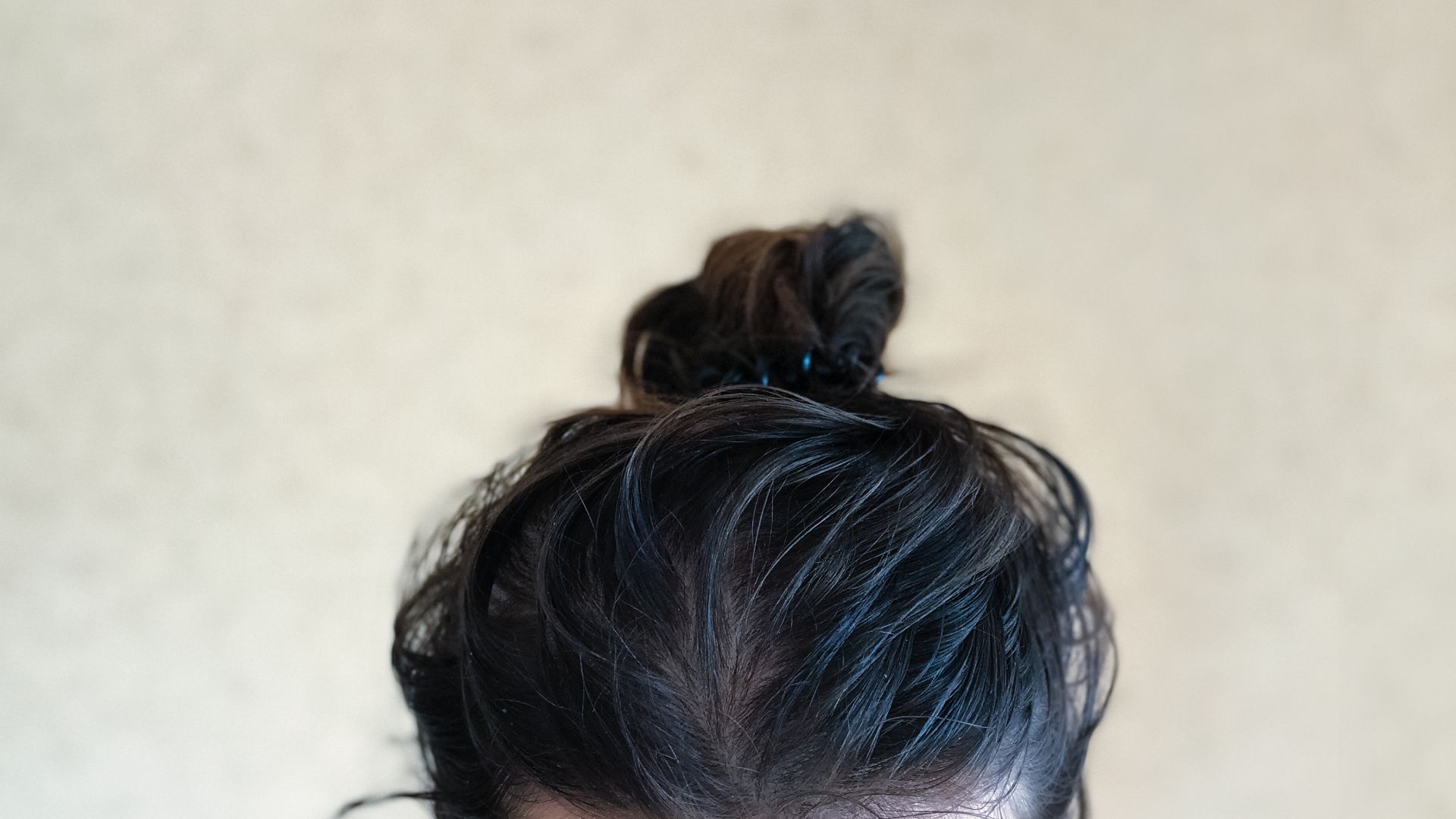
Your scalp contains tiny oil-producing glands called sebaceous glands. These glands produce a natural oil called sebum. Sebum is essential — it moisturizes your scalp, protects each hair strand, and keeps hair from becoming brittle.
The problem starts when these glands become overactive. When they produce too much sebum, it travels down the hair shaft and makes your roots look oily, heavy, and flat — usually within 24 hours of washing.
How Sebum Travels Down the Hair Shaft
Sebum does not just sit on the scalp. It moves from the root to the tip. Straight and fine hair types allow sebum to travel faster because there are no curls or texture to slow it down. This is why people with thin, straight hair notice grease much faster than those with thick or curly hair.
Top Reasons Why Your Hair Gets Greasy After One Day
Understanding the root cause is the first step. Here are the most common reasons your hair gets greasy so quickly.
Overwashing Triggers More Oil
It sounds counterintuitive, but washing your hair every single day can actually make grease worse. When you strip your scalp of its natural oils too often, the sebaceous glands panic and produce even more sebum to compensate. This creates a vicious cycle — the more you wash, the greasier your hair becomes the next day.
Wrong Shampoo for Your Hair Type
Using a heavy, moisturizing shampoo on an already oily scalp is a common mistake. These formulas are designed for dry or damaged hair. They add extra hydration and weight to your roots, making greasy hair worse within hours of washing.
Applying Conditioner on the Roots
Conditioner is meant for the mid-lengths and ends of your hair — not the scalp. When you apply it near the roots, it coats the scalp and adds buildup. This buildup mixes with natural sebum and speeds up the greasy look dramatically.
Touching Your Hair Too Much
Every time you run your fingers through your hair, you transfer oils from your hands directly onto your strands. People who touch, tuck, or play with their hair throughout the day notice faster oil buildup near the roots.
Hormonal Changes and Imbalances
Hormones have a direct impact on sebum production. Puberty, pregnancy, menstrual cycles, or even high stress levels can trigger your oil glands to go into overdrive. This is why teenagers and people with hormonal imbalances often struggle with greasy hair more than others.
Dirty Pillowcases and Hair Tools
Your pillowcase absorbs oil, sweat, dirt, and old product from your hair every night. When you sleep on the same pillowcase for days, all of that transfers back to your freshly washed hair. Similarly, using a dirty hairbrush spreads old oil from the bristles back onto your clean strands.
Hot Water While Washing
Hot water feels relaxing, but it is damaging to your scalp. It dries out the scalp quickly, which signals the sebaceous glands to produce more oil to restore moisture. Washing your hair in lukewarm or cool water is much better for oil control.
Product Buildup on the Scalp
Using too many styling products — dry shampoo, hair sprays, serums, and leave-in conditioners — leads to buildup. This buildup sits on the scalp and clogs follicles. Even if you wash your hair daily, heavy product residue can make hair look greasy and dull.
Diet and Lifestyle Factors
What you eat affects your scalp. A diet high in processed foods, fried items, or refined sugars can increase inflammation and oil production. Nutrient deficiencies in zinc or B vitamins can also disrupt your scalp’s oil balance. Stress and poor sleep further worsen sebum production.
Dandruff and Scalp Conditions
Conditions like seborrheic dermatitis or oily dandruff are directly linked to excess sebum. If your scalp is itchy, flaky, and greasy at the same time, a fungal or bacterial imbalance may be the real issue — not just your hair care routine.
Hair Types and How Fast They Get Greasy

Not all hair types get greasy at the same speed. Here is a quick comparison:
| Hair Type | Grease Speed | Reason |
|---|---|---|
| Fine / Straight | Very fast (within 24 hours) | Sebum travels easily down the shaft |
| Medium / Wavy | Moderate (1–2 days) | Some texture slows sebum movement |
| Thick / Curly | Slow (2–4 days) | Curls and density absorb and slow sebum |
| Coily / Kinky | Slowest (3–5+ days) | Tight coils trap sebum near the root |
Fine and straight hair types are the most affected because there is no texture to slow down the sebum journey from root to tip.
Signs Your Hair Is Greasy and Not Just Unwashed
Many people confuse greasy hair with simply dirty hair. They are not the same thing.
Greasy hair signs:
- Oily, shiny roots within 24 hours of washing
- Flat, limp strands with no volume
- Clumping of hair near the scalp
- Dry or frizzy ends with only the roots being oily
- A heavy, weighed-down feeling even after washing
If your hair looks clean immediately after washing but turns greasy by the next morning, you have an overactive scalp — not a hygiene problem.
How to Stop Hair from Getting Greasy So Fast
Here are the most effective, expert-backed strategies to reduce oil buildup and keep hair fresh longer.
Switch to a Clarifying or Oil-Control Shampoo
A clarifying shampoo removes buildup, excess oil, and product residue without leaving behind heavy moisturizers. Look for a sulfate-free clarifying shampoo designed for oily scalps. Avoid shampoos with heavy conditioning agents or silicones.
Use a clarifying shampoo 1–2 times per week and a gentle daily shampoo on other wash days.
Use the Right Amount of Shampoo
Hair professionals recommend using only an almond-sized amount of shampoo per wash. Using too much creates more lather and strips the scalp, triggering rebound oil production. Double shampooing — washing twice in one session — gives a deeper clean without needing excess product.
Wash with Lukewarm or Cool Water
Hot water stimulates the sebaceous glands. Always rinse your hair with lukewarm water during the wash and finish with a cool water rinse to close the cuticle and reduce oil production.
Apply Conditioner Only from Mid-Length to Ends
Keep conditioner completely away from your scalp and roots. Apply it only from the mid-lengths down to the tips. This prevents buildup near the follicles while still keeping the ends moisturized and healthy.
Reduce How Often You Wash
This is the hardest step but the most effective. Gradually reducing wash frequency from daily to every other day trains your scalp to produce less oil over time. During the transition period (usually 2–4 weeks), your hair may feel greasier than usual — but this is temporary.
Wash Your Pillowcase Every 2–3 Days
Change or flip your pillowcase every few days. Sleeping on fresh fabric prevents old oil and product residue from transferring back to your clean hair overnight. Silk or satin pillowcases are gentler on hair and absorb less oil than cotton.
Stop Touching Your Hair
Keeping your hands away from your hair throughout the day makes a noticeable difference. Avoid tucking hair behind your ears repeatedly or playing with your roots, as this spreads finger oils directly onto the strands.
Use Dry Shampoo Strategically
Dry shampoo is a lifesaver between washes. It absorbs excess oil at the roots and adds volume. However, do not overuse it — heavy reliance on dry shampoo can clog follicles over time. Use it as a bridge between wash days, not as a permanent fix.
Apply dry shampoo at the roots the night before for best absorption results.
Clean Your Hair Brushes Regularly
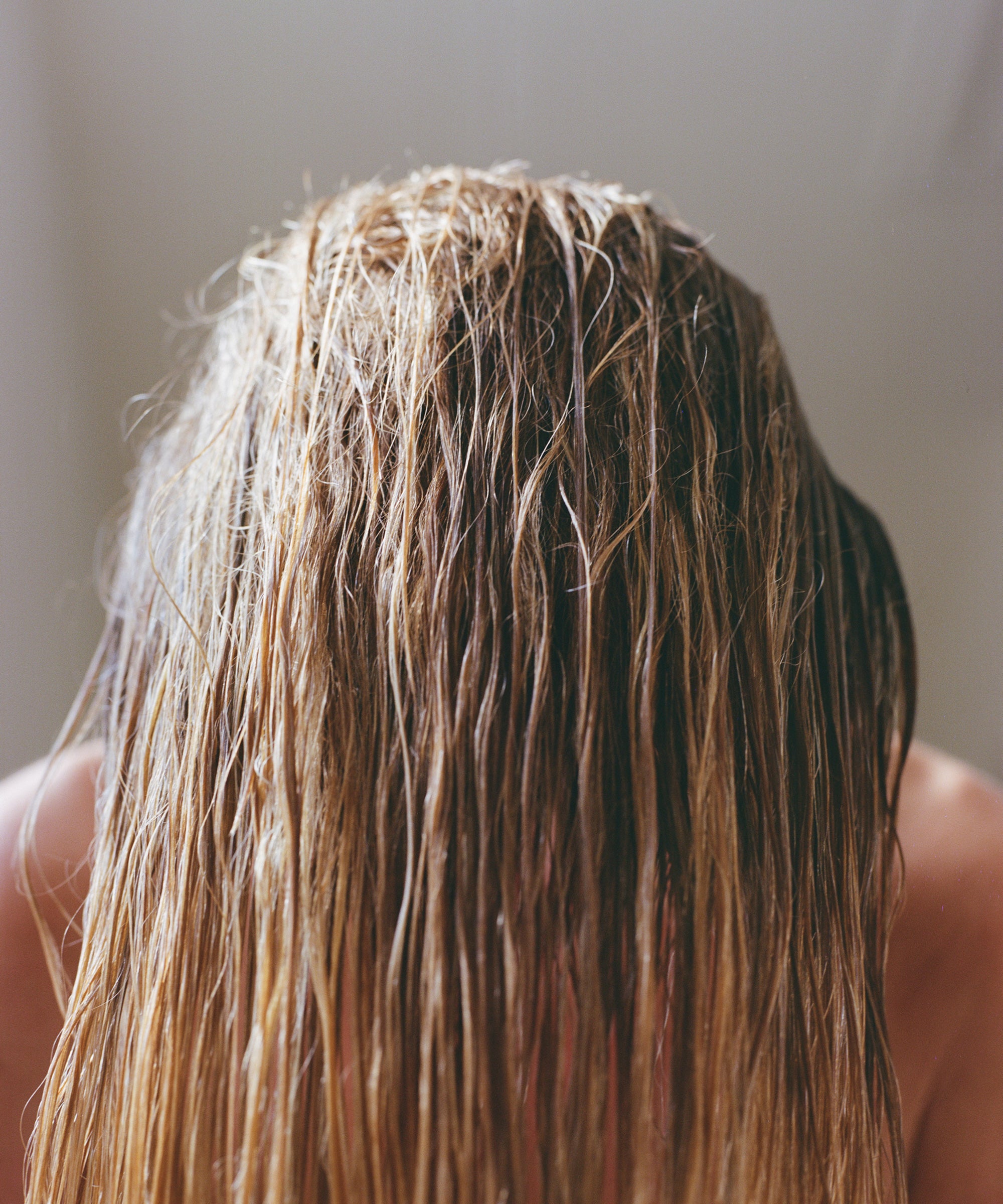
Wash your hairbrush at least once a week. Dirty brushes transfer old oil, product, and dead skin cells back to clean hair. Use warm soapy water or a brush-cleaning solution to remove buildup from the bristles.
Adjust Your Diet
Adding more zinc-rich foods (pumpkin seeds, chickpeas), B vitamins (eggs, whole grains), and omega-3 fatty acids (salmon, walnuts) can help regulate sebum production from the inside. Reduce processed foods, fried items, and sugary drinks.
Best Ingredients to Look for in Shampoos for Greasy Hair
| Ingredient | Benefit |
|---|---|
| Salicylic Acid | Exfoliates scalp, removes buildup |
| Tea Tree Oil | Antibacterial, controls scalp oil |
| Zinc Pyrithione | Reduces sebaceous gland activity |
| Kaolin Clay | Absorbs excess oil without drying |
| Niacinamide | Balances sebum production |
| Witch Hazel | Natural astringent, reduces greasiness |
Avoid shampoos with heavy silicones (dimethicone), thick moisturizers (shea butter), or heavy oils (argan, coconut) when your primary issue is oily roots.
Ingredients and Products to Avoid for Oily Hair
- Silicones (dimethicone, cyclomethicone) — coat the shaft and trap oil
- Heavy oils (coconut oil, argan oil near roots) — add extra grease
- Heavy conditioners — increase scalp buildup when applied to roots
- Sulfate-heavy shampoos — strip oils and cause rebound production
- Dry shampoo overuse — can clog follicles long-term
Hormones and Greasy Hair: What’s the Connection?
Hormones are one of the biggest triggers for excess sebum. The sebaceous glands are sensitive to androgens — hormones like testosterone and DHT. When androgen levels rise, oil gland activity increases dramatically.
This explains why greasy hair is so common during:
- Puberty — hormonal surge activates oil glands
- Menstrual cycle — oil production spikes in the days before your period
- Pregnancy — hormonal shifts affect scalp behavior
- Stress — cortisol increases androgen activity
- Certain medications — some birth control or hormonal drugs affect sebum
If you notice your hair is only greasy during certain times of the month or during periods of stress, hormones are likely the primary cause.
The Role of Scalp Health in Greasy Hair
A healthy scalp microbiome keeps oil production balanced. When the scalp’s natural bacteria and pH are disrupted, it can lead to chronic oiliness.
Signs of an unhealthy scalp:
- Persistent greasiness even after washing
- Itching combined with oiliness
- Flaking alongside greasy roots (oily dandruff)
- Redness or inflammation
Using harsh products, over-cleansing, and not rinsing shampoo thoroughly are common causes of scalp imbalance. A scalp scrub or exfoliating treatment once per week can help reset the balance.
Greasy Hair and Dandruff: Are They Connected?
Yes. Oily dandruff (seborrheic dermatitis) is directly caused by excess sebum combined with a yeast called Malassezia. This yeast feeds on scalp oils and causes flaking, itching, and inflammation.
If your hair is greasy and you also have white or yellowish flakes, you may be dealing with seborrheic dermatitis — not just a regular oily scalp. In this case, using a medicated shampoo containing zinc pyrithione, selenium sulfide, or ketoconazole is recommended.
Morning vs. Night Washing: Which Is Better for Oily Hair?
| Morning Wash | Night Wash | |
|---|---|---|
| Pros | Starts the day fresh | Hair has time to dry naturally |
| Cons | May get greasy by afternoon | Pillowcase can re-grease hair overnight |
| Best for | Social or active days | Those with normal oil production |
For very oily hair, washing in the morning and using dry shampoo at night extends freshness. For moderate oiliness, night washing and changing pillowcases frequently works well.
Scalp Massage: Helpful or Harmful for Greasy Hair?
Scalp massages improve blood circulation and support healthy hair growth. However, they can temporarily increase oil distribution across the scalp.
If you have an oily scalp, do gentle scalp massages no more than 2–3 times per week. Avoid aggressive brushing or vigorous scalp stimulation, as this activates sebaceous glands and speeds up grease production.
Can Stress Make Your Hair Greasy Faster?
Absolutely. When you are stressed, your body releases cortisol. Cortisol triggers androgen production, which directly stimulates the sebaceous glands. This is why many people notice their hair gets greasier during exams, difficult work periods, or emotional stress.
Managing stress through regular sleep, exercise, and mindfulness practices also benefits your scalp health significantly.
Quick Reference: Daily Habits That Cause Greasy Hair
| Bad Habit | Why It Causes Grease |
|---|---|
| Washing hair daily | Triggers rebound oil production |
| Hot showers | Stimulates sebaceous glands |
| Touching hair frequently | Transfers hand oils to strands |
| Dirty pillowcase | Re-deposits old oil on clean hair |
| Heavy conditioner at roots | Adds buildup near follicles |
| Skipping brush cleaning | Spreads old oil back through hair |
| Too many styling products | Causes scalp buildup |
| High-sugar diet | Increases inflammation and sebum |
How Long Does It Take to Train Your Scalp to Be Less Oily?
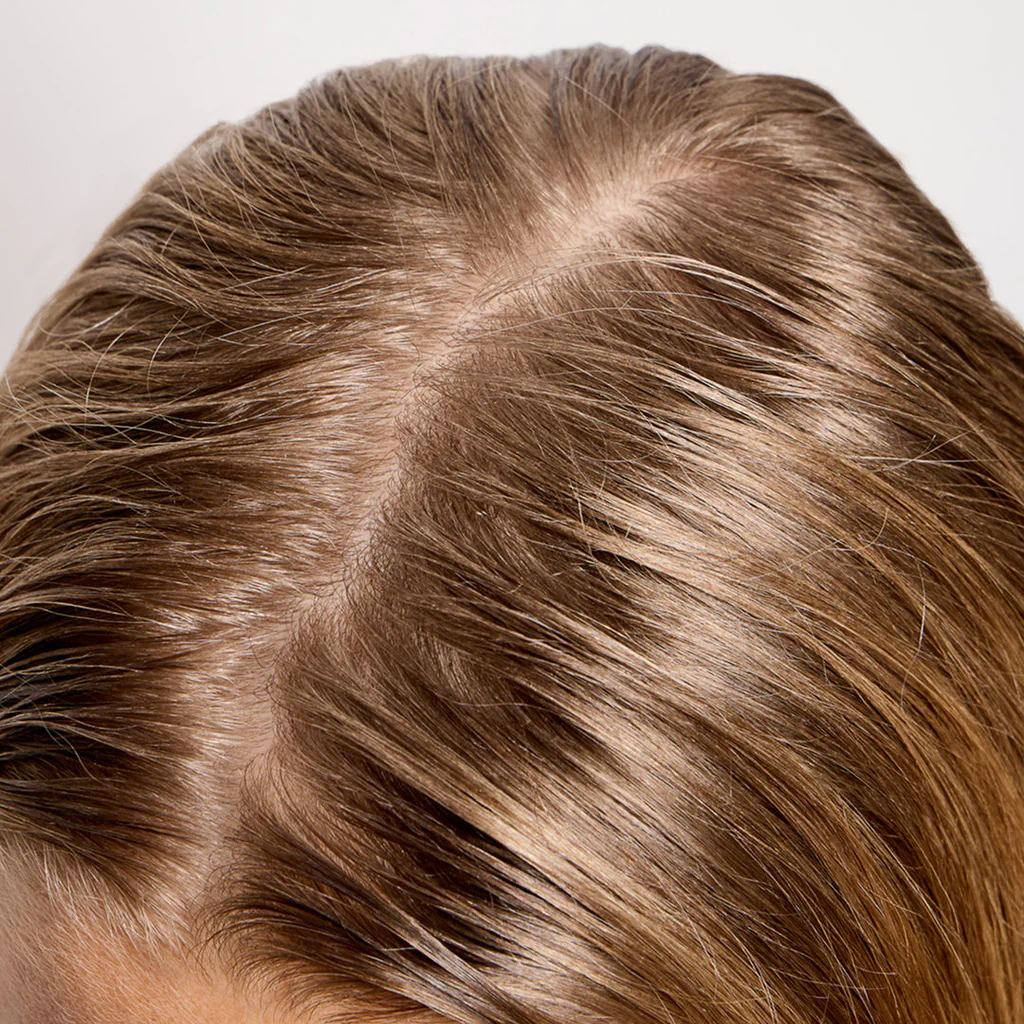
Most people need about 3 to 6 weeks to successfully train their scalp to produce less oil after reducing wash frequency. During this adjustment phase, expect temporary greasiness. Using dry shampoo and loose hairstyles can help manage the transition.
The timeline varies based on:
- Current wash frequency
- Hair type and thickness
- Hormonal factors
- Product choices
Consistency is key. Stick with the reduced-wash routine and your scalp will eventually recalibrate.
When to See a Dermatologist or Trichologist
Most cases of greasy hair are manageable at home. However, you should consult a professional if:
- Hair is greasy despite following a proper routine for 6+ weeks
- Greasiness is accompanied by significant hair loss
- You notice severe scalp inflammation, redness, or sores
- Oily dandruff does not improve with medicated shampoos
- You suspect a hormonal disorder may be involved
A trichologist can assess your scalp and prescribe targeted treatments for chronic sebum overproduction.
Frequently Asked Questions (FAQs)
Why does my hair get greasy after just one day of washing?
Your scalp’s sebaceous glands are overproducing sebum. This can be triggered by overwashing, hormonal changes, wrong products, or a scalp imbalance — not by poor hygiene.
Does washing hair every day make it greasier?
Yes. Daily washing strips natural oils, which signals your scalp to produce even more sebum. Gradually reducing wash frequency to every 2–3 days helps control oil over time.
What is the best shampoo for greasy hair?
A sulfate-free clarifying shampoo or an oil-control shampoo with ingredients like salicylic acid, zinc pyrithione, or tea tree oil works best for fast-greasing hair.
Can diet affect how greasy my hair gets?
Yes. High sugar, fried foods, and nutrient deficiencies in zinc and B vitamins can increase sebum production. A balanced diet with omega-3s and whole grains supports healthier oil levels.
Does dry shampoo help with greasy hair?
Dry shampoo absorbs excess oil and adds volume between washes. However, overusing it can cause scalp buildup. Use it as a short-term fix, not a daily replacement for washing.
Is greasy hair a sign of an unhealthy scalp?
Not always. Mild oiliness is normal and protective. But persistent, excessive greasiness — especially with itching or flaking — may indicate seborrheic dermatitis or another scalp condition.
Why is my hair greasy at the roots but dry at the ends?
This is called combination hair. Your scalp overproduces oil while the lengths are dry or damaged. Use oil-control products at the roots and moisturizing products only on the ends.
Does stress cause greasy hair?
Yes. Stress increases cortisol, which raises androgen levels, which stimulates the oil glands. Managing stress through sleep, exercise, and mindfulness can reduce scalp oiliness.
How can I make my hair stay fresh longer after washing?
Use a clarifying shampoo, avoid touching your hair, skip root conditioner, wash with cool water, change your pillowcase often, and use dry shampoo strategically at night.
Can greasy hair cause hair loss?
Indirectly yes. Excess sebum can clog hair follicles and feed scalp fungi, leading to dandruff or seborrheic dermatitis — both of which can cause hair thinning if untreated.
Conclusion
Why does my hair get greasy after one day? The answer almost always comes down to overactive sebaceous glands producing too much sebum.
Whether the trigger is overwashing, the wrong shampoo, hormonal shifts, stress, diet, or bad habits like touching your hair too often — each factor plays a role in how fast your roots become oily.
The fix is not to wash more — it is to wash smarter. Switch to an oil-control or clarifying shampoo, reduce wash frequency gradually, keep conditioner away from your roots, use cool water, and clean your pillowcase and brushes regularly.
Give your scalp 4–6 weeks to adjust and you will notice a real difference in how long your hair stays fresh.
Taking care of your scalp is just as important as taking care of your skin.
With the right routine and a little patience, you can break the grease cycle for good and enjoy clean, voluminous, healthy hair for longer.
