

Why do volleyball players tape their fingers? They tape their fingers mainly to prevent injuries, stabilize joints, improve grip, and support recovery after a jam or sprain.
Anyone who has watched a match closely has probably noticed the white or colored strips wrapped around player’s hands.
It isn’t just a style choice, although it can look that way from the stands. Finger taping is a practical habit built around the demands of the sport, where hands absorb constant impact from blocking, setting, hitting, and digging.
What Is Finger Taping in Volleyball
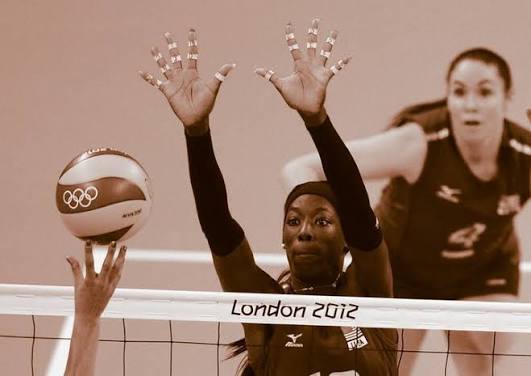
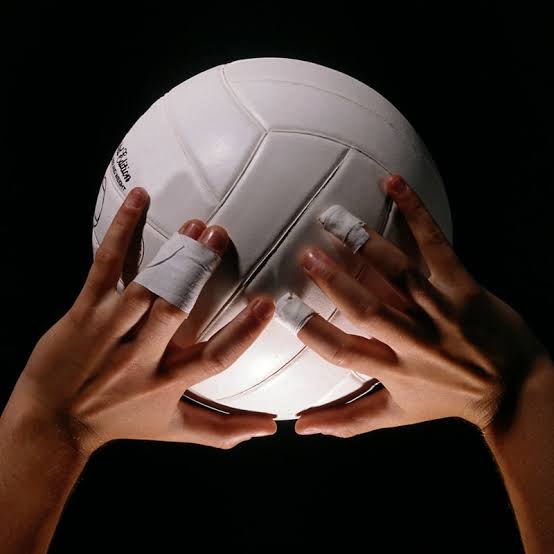
Finger taping is the practice of wrapping athletic or kinesiology tape around one or more fingers before practice or a match. It’s a form of “hand insurance” against the sport’s fast, repetitive hand contact.
Most players don’t tape every finger. They usually target the fingers most exposed to blocking and setting, especially the index, middle, and ring fingers.
The habit spans every level of the sport, from youth club players to professionals on national teams. It’s simple enough to learn in minutes but useful enough to become a permanent part of many players’ routines.
Why Do Volleyball Players Tape Their Fingers
There isn’t a single reason players reach for tape. It’s a mix of injury prevention, performance support, and personal comfort that adds up over a long season.
Injury Prevention
Volleyball puts constant stress on the hands during blocks, sets, and hard-driven spikes. Tape reinforces the joints so a bad-angle hit doesn’t turn into a dislocation or sprain.
One study of young volleyball players found that 43% of upper extremity volleyball injuries involved the fingers, which explains why prevention is taken seriously at every level.
Joint Stabilization
Fingers bend backward or sideways in a split second during blocks and digs. Tape limits that extreme range of motion, keeping joints aligned during high-speed contact.
This is especially important for middle blockers and outside hitters, whose fingers absorb direct ball impact at the net.
Grip and Ball Control
Sweat and moisture make the ball slippery during long rallies. A layer of tape adds friction between the fingers and the ball, helping with cleaner passes, sets, and serves.
Better grip translates into fewer mishandled balls, which matters most for setters running quick offenses.
Support for Existing Injuries
Players with a jammed or sprained finger often keep playing with the help of tape. It restricts painful movement while still allowing enough flexibility to compete.
Buddy taping, where an injured finger is secured to a healthy neighbor, is the most common method used for this kind of support.
Confidence and Routine
Many players say taping is as much mental as physical. Knowing the fingers are protected removes hesitation before a block or a hard dig.
For some, it’s become part of a pre-match ritual, similar to lacing shoes a certain way or bouncing the ball before a serve.
Skin and Nail Protection
Repeated ball contact can crack skin, tear nails, or cause blisters over a long season. Tape acts as a barrier that reduces friction damage to the skin.
This benefit is smaller than injury prevention but adds up across a full tournament weekend.
Volleyball Finger Injury Statistics
Finger injuries are more common in volleyball than many players realize, especially among positions that block or set frequently. Here’s a quick statistical snapshot pulled from injury research.
| Statistic | Data Point |
|---|---|
| Upper extremity injuries involving fingers | 43% |
| Finger injuries as share of all acute volleyball injuries | About 13.4% |
| Most common injury site overall | Ankles at roughly 31.9% |
| Second most common injury site | Knees at roughly 17.4% |
| Sprains and strains among finger injuries | 42.6% |
| Fractures among finger injuries | 19.5% |
These numbers show why coaches and trainers treat finger care as a routine part of preparation, not an afterthought.
Types of Tape Used in Volleyball
Not all tape works the same way. Players usually pick a type based on whether they need rigid support, stretch, or friction protection.
| Tape Type | Best For | Flexibility |
|---|---|---|
| Rigid Zinc-Oxide Tape | Buddy taping, joint immobilization | Low |
| Elastic Athletic Tape | Blister and friction prevention | Medium |
| Kinesiology Tape | Fingertip padding, light support | High |
| Cohesive Bandage | Sensitive skin, self-adhering wraps | Medium |
<cite index=”3-1″>Hitters generally prefer rigid zinc-oxide tape for maximum stability to prevent joints from folding during high-impact blocks</cite>, while setters lean toward lighter, stretchier options.
Common Finger Taping Techniques
Different situations call for different wrapping methods. Below are the techniques most players learn early on.
Buddy Taping
This is the go-to method for a jammed or sprained finger. The injured finger is taped to a healthy neighboring finger so they move together.
Players usually tape the pinky to the ring finger, but any neighboring finger can be used depending on which one is injured.
X Taping
X taping wraps the tape diagonally across the finger joint in a crossing pattern. It supports the joint while still allowing some natural bending.
This method is common among hitters and blockers who need support without losing the ability to flex the finger during contact.
H Taping
H taping uses vertical strips down the front and back of the finger, connected by horizontal strips across the joints. It forms an “H” shape once complete.
Liberos often use this style on the ring or middle fingers for extra control and comfort during long matches.
Spiral Wrap
A spiral wrap starts at the base of the finger and winds upward toward the tip, with each layer slightly overlapping the last. It’s mainly used to reduce friction rather than restrict movement.
<cite index=”3-1″>A spiral wrap using elastic athletic tape acts as a second skin, preventing blisters and friction burns from frequent digs and ball contact.</cite>
Step-by-Step: How to Tape Your Fingers for Volleyball
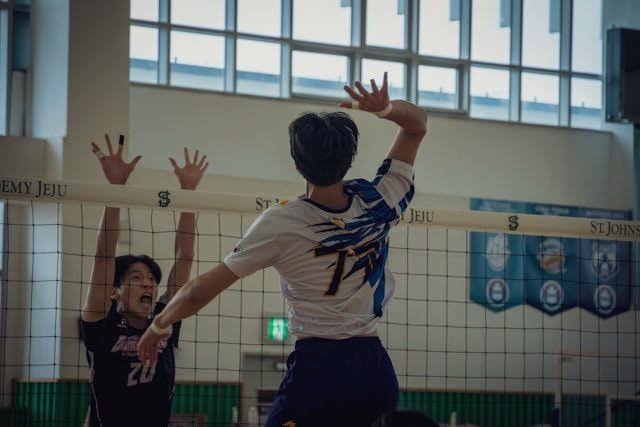
Getting the technique right matters more than the type of tape used. Follow these steps for a basic, effective wrap.
Step 1: Clean and dry your hands. Tape sticks poorly to sweaty or oily skin, so start with clean, dry fingers.
Step 2: Choose your tape width. Most players use tape between 1.25 cm and 2.5 cm wide, depending on finger size and taping method.
Step 3: Start at the base of the finger. Anchor the tape just below the knuckle, wrapping once to secure it.
Step 4: Wrap upward with slight overlap. Move the tape toward the tip, letting each pass overlap the previous one slightly.
Step 5: Cover the joint fully. Make sure the area needing support is completely covered without leaving gaps.
Step 6: Secure the end. Press the final wrap down firmly so it won’t loosen during play.
Step 7: Test mobility. Bend the finger gently. It should feel supported but not numb, tingly, or discolored.
Position-Wise Taping Preferences
Taping habits often shift based on a player’s role on the court. Here’s a quick breakdown by position.
| Position | Preferred Tape | Main Reason |
|---|---|---|
| Setters | Kinesiology or light elastic tape | Reduce friction during repetitive ball contact |
| Hitters | Rigid zinc-oxide tape | Prevent joint folding during blocks |
| Liberos | Elastic tape, H taping style | Comfort and control during long rallies |
| Middle Blockers | Rigid tape, buddy taping | Protection from direct net contact |
Benefits of Taping Fingers in Volleyball
Bringing it all together, here’s a simple summary table of what taping actually does for a player on the court.
| Benefit | How It Helps |
|---|---|
| Joint stability | Limits hyperextension during blocks and digs |
| Injury prevention | Reduces risk of sprains, jams, and dislocations |
| Faster recovery | Allows play to continue while healing minor injuries |
| Improved grip | Adds friction for cleaner ball control |
| Skin protection | Prevents blisters, cracked skin, and nail damage |
| Mental confidence | Reduces hesitation during aggressive plays |
Common Finger Taping Mistakes
Even experienced players get taping wrong sometimes. Watch out for these common errors.
Taping too tightly. This cuts off circulation and can make fingers numb or discolored during play.
Skipping the joint. Leaving the actual joint uncovered defeats the purpose of the wrap entirely.
Reusing old tape. Worn-out tape loses adhesion and stops offering real support mid-match.
Wrapping over dirty or sweaty skin. This causes the tape to slip loose exactly when it’s needed most.
Restricting all movement. Over-wrapping so the finger can’t bend at all often does more harm than good.
Is Finger Taping a Fashion Statement Too
Beyond protection, taping has become part of how players express themselves on court. Colorful patterns and unique wrap styles have turned into a recognizable part of volleyball culture.
<cite index=”1-1″>Many volleyball players confess that their finger taping isn’t entirely for functional reasons, and it crosses the line into becoming a fashion statement as well.</cite>
Within teams, you’ll often notice players with their own signature wrap style, almost like a small personal branding choice repeated every match.
This doesn’t mean the functional side gets ignored. Most players still choose a pattern that happens to also support the joints they care about protecting.
How Coaches and Trainers View Finger Taping
At the youth and collegiate level, athletic trainers often guide players on when and how to tape. It’s treated as part of standard pre-match preparation, similar to ankle taping.
Coaches generally encourage taping for players returning from a minor injury, since it allows them to keep training without sitting out completely.
Trainers also watch for over-reliance on tape, since strengthening exercises and proper technique matter just as much for long-term finger health.
Finger Taping for Beginners vs Experienced Players
Beginners often start with simple buddy taping since it’s the easiest method to learn and apply correctly. It requires minimal materials and very little practice.
Experienced players tend to experiment with more advanced methods like X taping or H taping, adjusting tightness and coverage based on years of trial and error.
Over time, most players develop a personal taping style that matches their position, their injury history, and even their comfort preferences during long matches.
Other Sports That Use Finger Taping
Volleyball isn’t the only sport where finger taping is common. It’s widely used across several other high-grip and high-impact activities.
<cite index=”4-1″>Brazilian Jiu-Jitsu practitioners rely on finger taping to prevent injuries during grips</cite>, and demand for this kind of tape has grown sharply among grappling athletes.
<cite index=”4-1″>Rock climbers depend on precise taping techniques to support finger tendons and prevent painful pulley injuries when tackling difficult holds.</cite>
Weightlifters, gymnasts, and basketball players also use finger tape, each adapting the technique to their sport’s specific hand demands.
Finger Tape vs Finger Sleeves
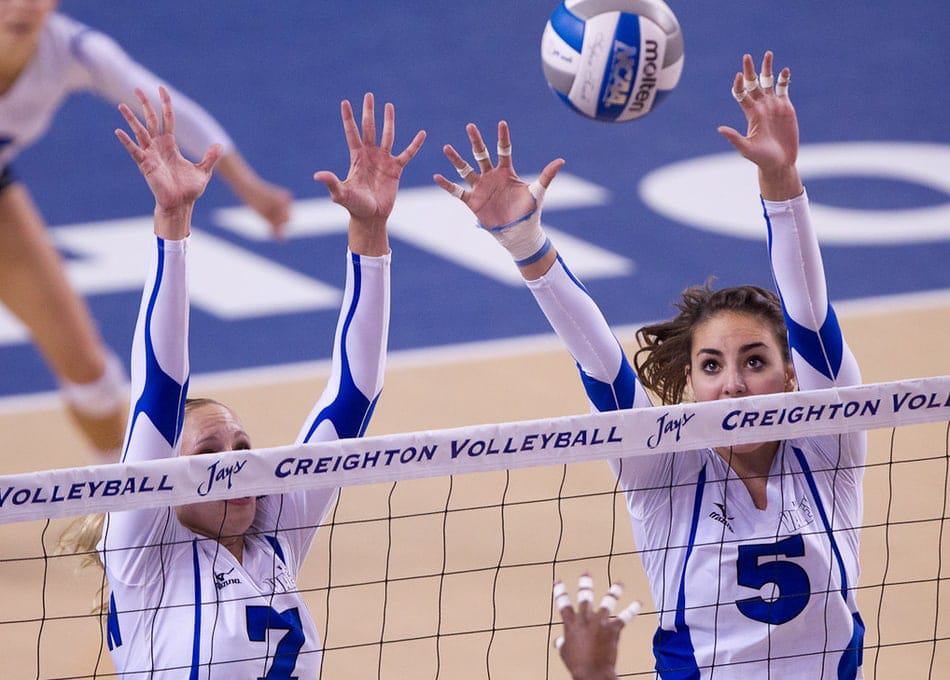
Some players skip tape entirely and use compression finger sleeves instead. Both options offer support, but they work in slightly different ways.
Sleeves are quick to put on and reusable, making them convenient for practice sessions. Tape, on the other hand, offers a more customized and rigid fit for match-day protection.
| Feature | Finger Tape | Finger Sleeves |
|---|---|---|
| Customization | High, wrap tightness adjustable | Low, fixed fit |
| Reusability | Single use per session | Reusable across sessions |
| Support level | Strong, rigid | Light to moderate |
| Setup time | A few minutes | A few seconds |
| Cost over a season | Higher, ongoing purchase | Lower, one-time buy |
Many players actually use both, depending on whether it’s a light practice day or a competitive match with more physical contact.
How Often Should You Replace Finger Tape
Tape loses grip and support as sweat builds up during a session. Most players replace it once it starts peeling at the edges or sliding out of position.
On tournament days with back-to-back matches, it’s common to retape between games rather than trying to stretch one wrap across an entire day.
Reusing old, stretched-out tape is one of the fastest ways to lose the protection it’s meant to provide. Fresh tape simply holds its shape and grip far better.
Signs a Finger Injury Needs More Than Tape
Tape is a great tool for minor jams, mild sprains, and preventive support, but it isn’t a substitute for medical care in every case. Some signs point to a more serious problem.
Persistent swelling, visible deformity, or a finger that won’t straighten after taping are signals to stop playing. Numbness or a sharp, sustained pain also means tape alone won’t fix the issue.
<cite index=”9-1″>Even therapeutic tape, while effective for pain control, works mainly through sensory input and support rather than actually healing structural damage underneath.</cite>
In these situations, seeing a sports medicine professional or hand specialist is the safer next step before returning to the court.
Buying Guide: What to Look for in Volleyball Finger Tape
Not every roll of tape is built the same, and picking the right one can make a real difference during a match. Here’s what to check before buying.
Width options. Look for tape available in both narrow and wider widths so you can match it to different fingers and taping styles.
Tear-by-hand design. Good athletic tape tears cleanly without needing scissors, which matters during quick timeouts.
Adhesive strength. The tape should stay in place through sweat and repeated hand contact without constantly needing readjustment.
Skin sensitivity. Players with sensitive skin often do better with cohesive wraps that stick only to themselves, not to skin or hair.
Breathability. A porous tape structure helps air circulate, which matters during long tournament days with multiple matches.
Finger Taping Tips for 2026
Tape technology and player habits keep evolving. Here are a few current best practices worth knowing.
Keep a mixed tape kit. Carrying both rigid and elastic tape covers injury support and performance needs in one bag.
Retape between long matches. Tournament days often call for a fresh wrap once the old one loosens from sweat.
Consult a professional for real injuries. <cite index=”2-1″>If you’re concerned about a finger injury, consult a health care professional before starting any taping routine.</cite>
Practice before matchday. Get comfortable with your preferred taping method during practice, not right before a tournament.
Frequently Asked Questions (FAQs)
Why do volleyball players tape their fingers?
They tape fingers to prevent injuries, stabilize joints, and improve grip during blocks, sets, and hits. It also supports players recovering from an existing sprain.
Does finger taping actually work?
Yes, tape limits excessive joint movement and adds proprioceptive feedback that improves hand awareness. It also offers real mental confidence during aggressive plays.
Which fingers do volleyball players tape most?
The index, middle, and ring fingers are taped most often. These fingers absorb the most impact during blocking and setting.
What type of tape is best for volleyball?
Rigid zinc-oxide tape works best for joint support and buddy taping. Elastic or kinesiology tape suits players who want flexibility and blister protection.
Is buddy taping effective for a jammed finger?
Yes, buddy taping is considered the standard method for a jammed finger. It secures the injured finger to a healthy neighbor for support.
Can taping fingers improve grip on the ball?
Yes, tape adds friction between the fingers and the ball surface. This helps with control during sweaty or high-pressure rallies.
How tight should finger tape be?
Tape should feel snug but never restrict blood flow. If fingers change color or go numb, the tape is too tight.
Do professional volleyball players always tape their fingers?
Not always, but many do as a preventive habit or personal ritual. Some only tape after an injury or during high-stakes matches.
How long can you leave tape on during a match?
Tape usually lasts one match session before it loosens from sweat and movement. Most players retape between matches on tournament days.
Is finger taping only for injured players?
No, many uninjured players tape as a preventive measure or performance habit. It’s common in setters and hitters even without a current injury.
Conclusion
So, why do volleyball players tape their fingers? It comes down to protection, performance, and peace of mind. Fingers absorb a huge share of the impact in volleyball, from blocking at the net to setting under pressure, which makes them one of the most injury-prone areas in the sport.
Taping offers joint stability, better grip, faster recovery from minor injuries, and a mental confidence boost that many players rely on before every match.
Whether it’s a simple buddy tape for a sore finger or a full X-tape wrap before a tournament, the habit is built on real, practical benefits rather than just style.
If you’re new to the sport, start with the basics: clean hands, snug wraps, and the right tape for your position. Over time, you’ll find the method that keeps your hands protected and your game consistent, match after match.
