

Why do people faint is one of the most searched health questions online, and the answer is more complex than most people think.
Fainting, medically called syncope, happens when blood flow to the brain suddenly drops, causing a brief loss of consciousness.
It can happen to anyone, at any age, for many different reasons.
Some causes are harmless, while others signal a serious medical condition.
Why Do People Faint
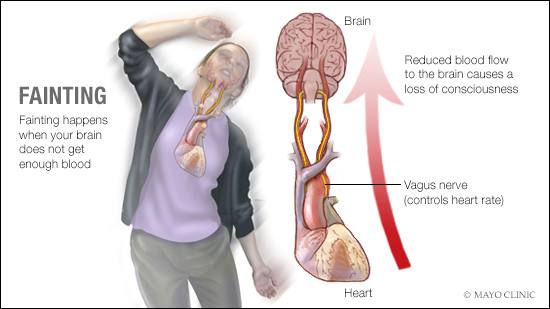
Fainting is a sudden, temporary loss of consciousness. The medical term is syncope (pronounced “SIN-ko-pee”). It usually lasts only a few seconds to a few minutes.
Most people recover quickly and feel confused or tired right after waking up. The core reason behind every fainting episode is the same: not enough blood, and therefore not enough oxygen, reaching the brain.
Syncope is not a disease on its own. It is a symptom that can point to many different underlying causes, from mild to serious.
Why Do People Faint
Fainting is extremely common across all age groups. Here is a quick overview of how frequently it occurs:
| Statistic | Detail |
|---|---|
| Lifetime prevalence | 1 in 3 people will faint at least once |
| Most common type | Vasovagal syncope (reflex syncope) |
| Accounts for | Over 50% of all fainting cases |
| Cardiac syncope | About 1 in 10 fainting cases |
| Peak age group | Children and young adults |
| Risk in older adults | Higher due to medications and heart conditions |
The Main Reason People Faint
The root cause of fainting is always a drop in blood flow to the brain. When the brain does not receive enough oxygen-rich blood, even briefly, it shuts down temporarily to protect itself.
This drop in blood flow can happen in several different ways. Blood pressure may fall suddenly. Heart rate may slow down. Blood may pool in the legs and not return to the heart fast enough.
Understanding which mechanism is at work helps doctors identify the correct type of syncope and treat it properly.
Types of Fainting: A Complete Breakdown
Vasovagal Syncope (Reflex Syncope)
Vasovagal syncope is the most common reason people faint. It accounts for more than half of all fainting episodes worldwide.
It happens when the vagus nerve overreacts to a trigger and sends the wrong signals to the heart. The heart rate and blood pressure both drop suddenly, cutting off adequate blood flow to the brain.
Common Triggers of Vasovagal Syncope
Triggers vary from person to person, but the most frequently reported include:
- Seeing blood or needles
- Standing for a long time in one place
- Emotional stress or sudden fear
- Extreme pain or physical injury
- Donating blood or getting an injection
- Overheating or being in a crowded, stuffy room
- Coughing, laughing, or urinating (situational syncope)
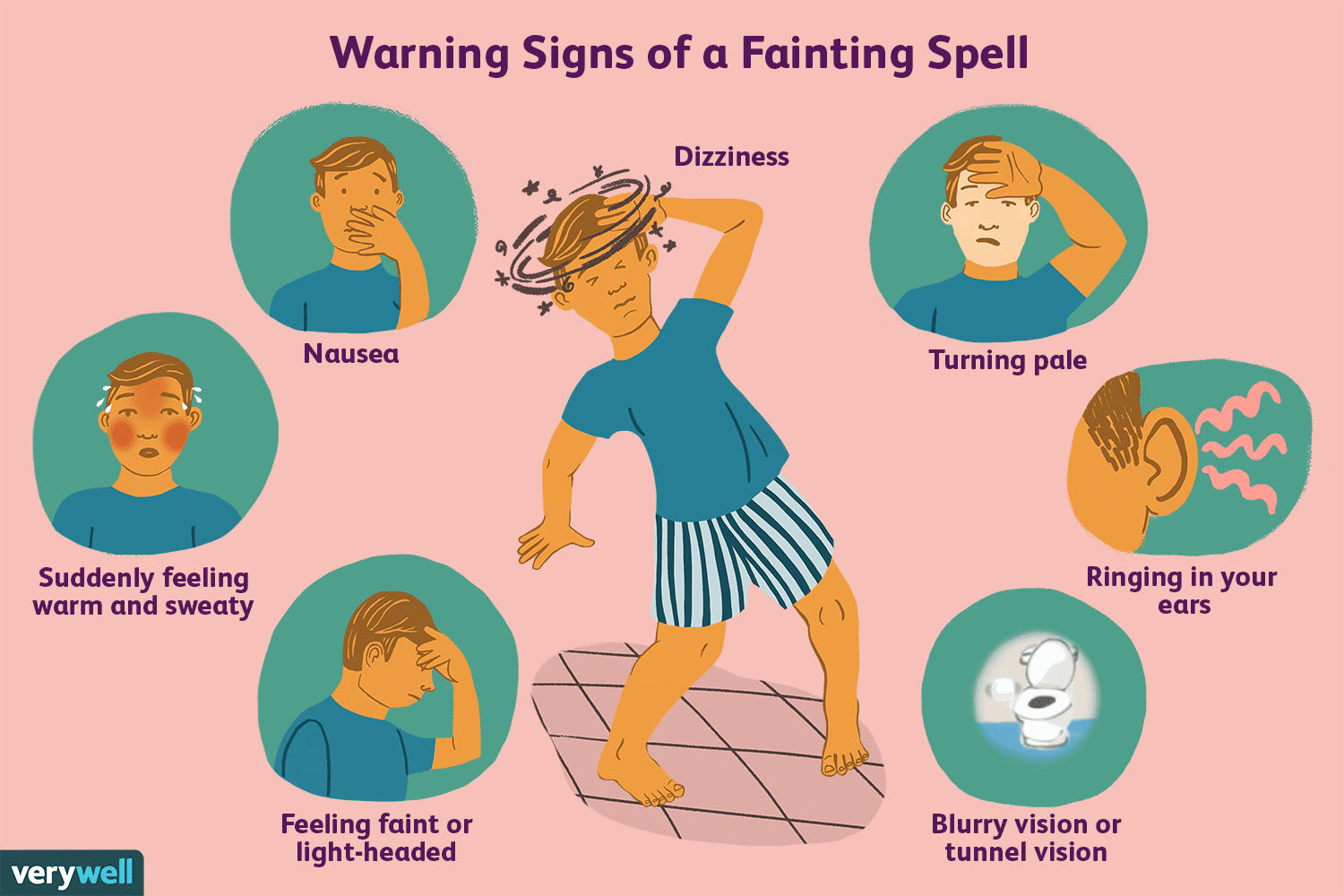
Warning signs usually appear 30 to 60 seconds before losing consciousness. These include sudden paleness, nausea, sweating, tunnel vision, and a feeling of warmth.
Orthostatic Hypotension (Postural Syncope)
Orthostatic hypotension is the second most common reason people faint. It occurs when a person stands up quickly from a sitting or lying position.
When you stand up, gravity pulls blood into the legs. The body normally compensates by increasing heart rate and tightening blood vessels. When this compensation is too slow or does not happen at all, blood pressure drops and fainting can occur.
Who Is Most at Risk
| Risk Factor | Why It Causes Fainting |
|---|---|
| Dehydration | Less blood volume to circulate |
| Prolonged bed rest | Body loses postural reflexes |
| Blood pressure medications | Can over-lower blood pressure |
| Diabetes | Nerve damage affects blood pressure control |
| Parkinson’s disease | Autonomic nervous system dysfunction |
| Alcohol use | Dilates blood vessels, lowers BP |
| Older age | Slower compensatory responses |
Cardiac Syncope (Heart-Related Fainting)
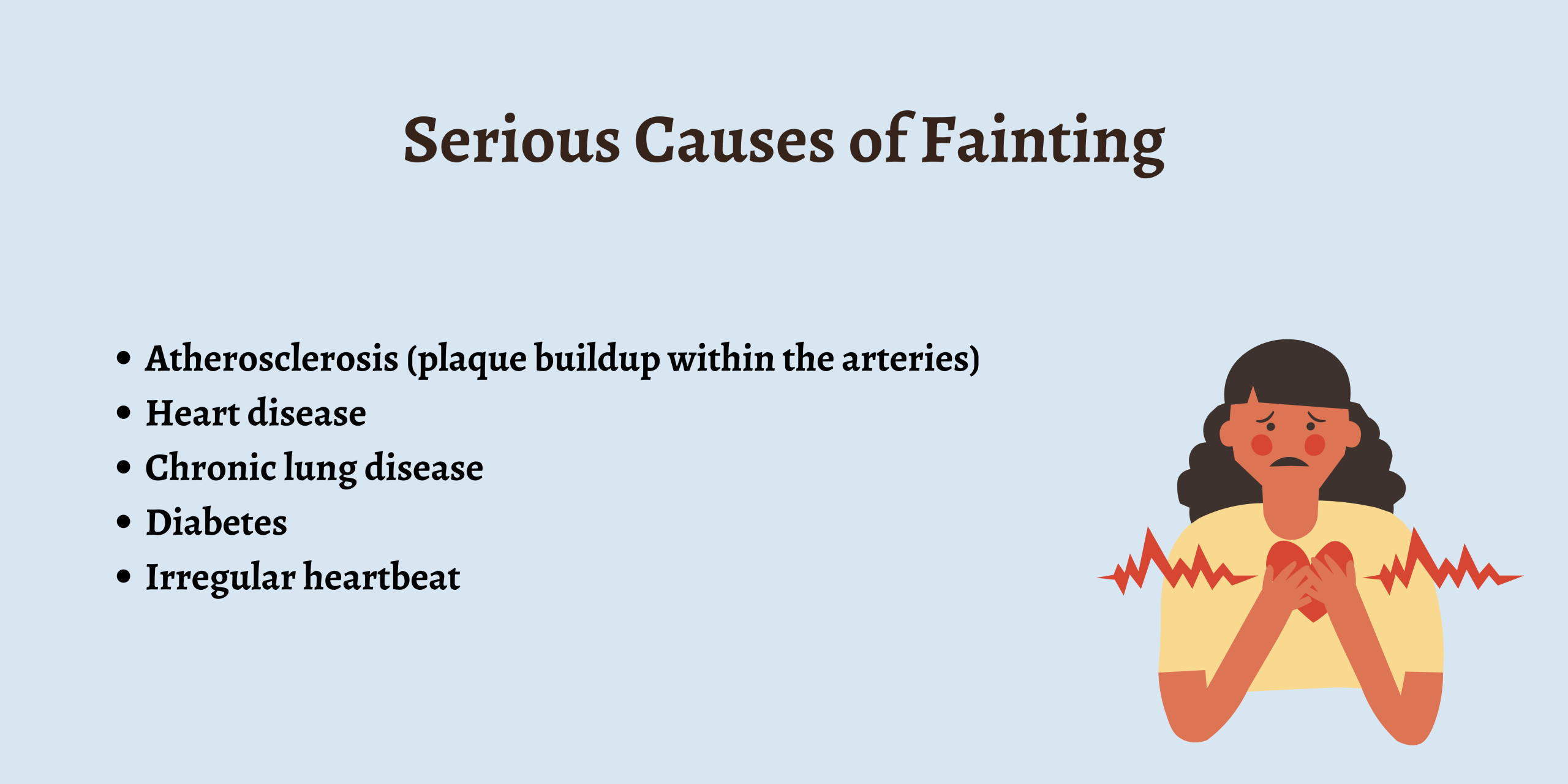
Cardiac syncope accounts for about 10% of all fainting cases but is the most serious type. It happens when the heart fails to pump enough blood to the brain due to a structural or electrical problem.
This type of fainting can be a warning sign of sudden cardiac death, especially in young athletes. It must be taken seriously and evaluated by a doctor immediately.
Heart Conditions That Can Cause Fainting
- Arrhythmias (irregular heartbeats such as atrial fibrillation or bradycardia)
- Aortic stenosis (narrowing of the heart valve)
- Heart failure
- Hypertrophic cardiomyopathy (thickened heart muscle)
- Blood clots in the lungs (pulmonary embolism)
- Heart attack
Red Flag Warning Signs of Cardiac Syncope
Watch for these symptoms. They need emergency medical care right away:
- Fainting during or right after exercise
- Chest pain before or after fainting
- Palpitations or sudden changes in heart rate
- No warning signs at all before losing consciousness
- Fainting while lying down (not standing)
- Family history of sudden cardiac death
Neurological Syncope (Brain-Related Fainting)
Neurological syncope is less common but can be linked to serious brain or nervous system conditions. It happens when a neurological event disrupts normal blood flow regulation in the brain.
Causes include stroke, transient ischemic attacks (TIAs or mini-strokes), seizures, and migraines with neurological symptoms. This type often comes with other neurological symptoms like confusion, one-sided weakness, or speech problems.
Fainting From Dehydration and Low Blood Volume
Dehydration is a very common and often overlooked cause of fainting. When the body loses too much fluid, there is not enough blood volume to maintain adequate pressure throughout the body.
The brain is especially vulnerable to this drop. Summer months see higher fainting rates because heat increases sweating, which reduces blood volume even faster.
Alcohol also contributes to dehydration by increasing urine output and dilating blood vessels, which explains why people sometimes faint after drinking.
Low Blood Sugar (Hypoglycemia) and Fainting
Low blood sugar is a significant trigger for fainting, especially in people with diabetes. When glucose levels drop too low, the brain loses its primary fuel source and begins to shut down.
Symptoms of low blood sugar include shakiness, sweating, confusion, and lightheadedness, which can quickly progress to loss of consciousness. Skipping meals, excessive exercise, or too much insulin can all trigger a hypoglycemic fainting episode.
Emotional Triggers and Psychogenic Syncope
Strong emotional responses can cause fainting in some people. This is sometimes called psychogenic syncope and is linked to anxiety disorders, panic attacks, and depression.
The body interprets extreme emotional stress as a physical threat, activating the same nervous system responses that cause vasovagal syncope. Psychogenic fainting can be harder to diagnose because standard tests often come back normal.
Medications That Can Cause Fainting
Many common medications affect heart rate, blood pressure, or fluid balance and can increase the risk of fainting:
| Medication Type | Example Drugs | How They Cause Fainting |
|---|---|---|
| Antihypertensives | Beta-blockers, ACE inhibitors | Lower blood pressure too much |
| Diuretics | Furosemide, hydrochlorothiazide | Reduce blood volume |
| Antidepressants | Some SSRIs, tricyclics | Affect blood pressure regulation |
| Diabetes medications | Insulin, sulfonylureas | Can cause low blood sugar |
| Allergy medications | Some antihistamines | Can affect heart rhythm |
| Parkinson’s drugs | Levodopa | Lower blood pressure on standing |
Always review all medications with your doctor if you experience unexplained fainting episodes.
Situational Fainting
Situational syncope happens in response to specific body functions or movements. It is a subtype of reflex syncope.
Common situational fainting triggers include:
- Coughing too hard (cough syncope)
- Straining during bowel movements
- Urination, especially at night
- Swallowing in people with certain esophageal conditions
- Pressure on the neck (carotid sinus syndrome)
- Hair combing or shaving near the neck
These situations all trigger the same nerve reflex that drops heart rate and blood pressure temporarily.
POTS: A Lesser-Known Cause of Fainting
Postural Orthostatic Tachycardia Syndrome (POTS) is a condition where heart rate increases significantly upon standing, often by 30 or more beats per minute. Despite the fast heart rate, blood pressure regulation fails and the brain does not get enough blood.
POTS is more common in young women and can cause frequent fainting, chronic fatigue, and lightheadedness. It is diagnosed with a tilt-table test and treated with lifestyle changes, hydration strategies, and sometimes medication.
Warning Signs Before You Faint
Most fainting episodes come with warning signs. Recognizing them early can help you prevent a fall and injury.
Common pre-fainting symptoms include:
- Sudden dizziness or lightheadedness
- Nausea or upset stomach
- Pale or gray-looking skin
- Profuse sweating out of nowhere
- Tunnel vision or blurry sight
- Ringing in the ears (tinnitus)
- Feeling extremely warm or cold
- Heart pounding or fluttering
- Weakness in the legs
- A sense that something is wrong
If you feel these symptoms, sit or lie down immediately. Elevating your legs can help return blood to the brain and prevent full loss of consciousness.
What to Do When Someone Faints
Acting quickly and correctly after someone faints can prevent injury and help with recovery:
- Lay the person flat on their back
- Elevate their legs above the level of their heart (about 12 inches)
- Loosen any tight clothing around the neck or chest
- Check for breathing and pulse
- Do not give food or water until fully conscious and alert
- Call 911 if they do not regain consciousness within one to two minutes
- Call 911 if they have chest pain, difficulty breathing, or seizure activity
Do not leave the person alone. Even if they recover quickly, a medical evaluation is important to find the cause.
When to See a Doctor After Fainting
Not every fainting episode requires an emergency room visit, but all should be evaluated by a doctor. Seek immediate medical attention if:
- Fainting occurs during exercise
- There is chest pain, shortness of breath, or palpitations
- The person has a known heart condition
- The episode lasts longer than one to two minutes
- There are injuries from the fall
- Fainting happens repeatedly with no known cause
- The person is elderly or has multiple health conditions
Your doctor may order tests including an EKG (electrocardiogram), blood tests, a tilt-table test, or a Holter monitor to evaluate heart rhythm over time.
Diagnosing the Cause of Fainting
Doctors use a combination of history, physical examination, and testing to find the cause of syncope:
| Test | What It Checks |
|---|---|
| EKG (Electrocardiogram) | Heart rhythm and electrical activity |
| Echocardiogram | Heart structure and valve function |
| Tilt-Table Test | Blood pressure and heart rate on position changes |
| Holter Monitor | Heart rhythm over 24 to 48 hours |
| Blood Tests | Blood sugar, blood count, electrolytes |
| Implantable Loop Recorder | Monitors heart rhythm for months or years |
| MRI or CT Scan | Brain structure and blood vessel abnormalities |
How to Prevent Fainting
Prevention depends on identifying and avoiding your personal triggers. General strategies that help across most types of fainting include:
- Stay well hydrated throughout the day, especially in hot weather
- Avoid standing in one place for too long
- Rise slowly from sitting or lying positions
- Eat regular meals to keep blood sugar stable
- Wear compression stockings if recommended by your doctor
- Increase salt intake if your doctor advises it (for low blood pressure)
- Avoid known triggers like heat, crowds, or the sight of blood
- Practice tensing the muscles of the legs and abdomen if you feel faint coming on
Frequently Asked Questions
Why do people faint suddenly with no warning?
Cardiac syncope can cause fainting with no warning signs at all. It is caused by sudden heart rhythm problems and needs immediate medical evaluation.
Is fainting dangerous?
Most fainting is harmless and caused by simple triggers like dehydration or standing too long. However, fainting linked to heart problems can be life-threatening.
What is the most common reason people faint?
Vasovagal syncope is the most common cause, accounting for over 50% of all fainting episodes. It is triggered by things like the sight of blood, stress, or prolonged standing.
Can dehydration alone make you faint?
Yes. Dehydration reduces blood volume, which lowers blood pressure and can cause the brain to receive insufficient oxygen, leading to fainting.
How long does a fainting episode last?
Most fainting episodes last only seconds to a few minutes. If a person is unconscious for longer than two minutes, call emergency services immediately.
Can anxiety cause fainting?
Yes. Extreme anxiety or panic can trigger the same nervous system response as vasovagal syncope, causing blood pressure and heart rate to drop and leading to fainting.
What should I do if I feel like I am going to faint?
Sit or lie down immediately and elevate your legs. Tensing your leg muscles and drinking water can also help prevent full loss of consciousness.
Can low blood sugar cause fainting?
Yes. Hypoglycemia deprives the brain of its main fuel source. It is especially common in people with diabetes and can cause fainting if not treated quickly.
Does fainting run in families?
Some types of fainting, particularly vasovagal syncope and certain cardiac conditions, have a genetic component. A family history of unexplained fainting should be reported to a doctor.
When should I go to the emergency room after fainting?
Go to the ER if fainting occurred during exercise, if you have chest pain or palpitations, if you were unconscious for more than two minutes, or if you have a known heart condition.
Conclusion
Why do people faint comes down to one fundamental problem: the brain is not getting enough blood.
But the reasons behind that drop in blood flow are many and varied. Vasovagal syncope remains the number one cause, triggered by everyday situations like stress, heat, or the sight of blood.
Orthostatic hypotension, cardiac syncope, dehydration, low blood sugar, medications, and neurological conditions all play significant roles as well.
Most fainting episodes are harmless and resolve on their own within minutes. However, cardiac syncope and neurological causes require prompt medical attention.
The key is to know your personal triggers, recognize the warning signs early, and take steps to prevent falls and injury.
If you or someone you know faints repeatedly or without clear cause, do not ignore it.
A full medical evaluation can identify the underlying problem and guide the right treatment, protecting long-term health and quality of life.
