

Why are the Browns called the Browns? The Cleveland Browns take their name from Paul Brown, the franchise’s first head coach and general manager, who was already a football legend in Ohio before the team even played a game.
In 1945, team founder Arthur “Mickey” McBride ran a fan contest to name the new Cleveland franchise, and “Browns” won out as a tribute to Coach Brown. Oddly, Brown himself publicly resisted the connection for years, offering a different explanation involving a famous boxer.
Quick Answer: Why Are the Browns Called the Browns?
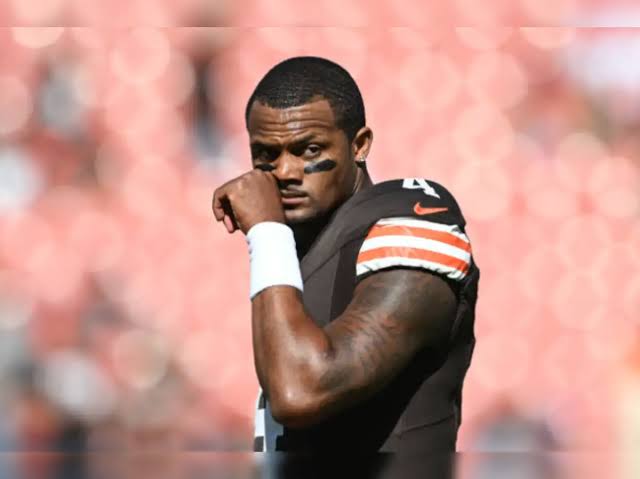
The Cleveland Browns are named after Paul Brown, their original head coach and part-owner.
A 1945 fan contest selected “Browns” as the winning name after their previous top choice was ruled out.
Paul Brown publicly downplayed this connection for years, adding confusion to an otherwise simple origin story.
Today, the name is fully accepted as an honor to Brown’s early impact on the franchise and Ohio football.
The Founding of the Franchise (1944-1945)
The story begins in 1944, when Cleveland taxi-cab businessman Arthur B. “Mickey” McBride secured a new football franchise for the city.
McBride wasn’t a passionate football fan himself, but he saw value in owning a professional sports team.
He joined the newly formed All-America Football Conference, a rival league to the NFL at the time.
To lead the team, McBride hired Paul Brown, a coach with a strong reputation from his college football success.
Who Was Paul Brown?
Paul Brown had already built a formidable coaching résumé before joining the Cleveland franchise.
He led Ohio State University to a national collegiate championship, making him a household name across the state.
His reputation for discipline, innovation, and winning made him a natural choice to lead Cleveland’s new team.
Brown was given not just a coaching role, but also a share of team ownership and full control over personnel decisions.
The Fan Naming Contest
In 1945, McBride decided to let the public choose the new team’s name through an open contest.
Thousands of fans submitted suggestions, reflecting the excitement building around Cleveland’s new football franchise.
| Contest Detail | Information |
|---|---|
| Year held | 1945 |
| Organizer | Arthur B. McBride |
| Most popular entry | Cleveland Panthers |
| Final selected name | Cleveland Browns |
The top submission wasn’t the name that ultimately stuck, which surprises many fans learning the story for the first time.
Why “Cleveland Panthers” Was Rejected
Cleveland Panthers was the most popular fan submission in the naming contest.
However, this name had already been used by an earlier, unsuccessful Cleveland football franchise.
McBride didn’t want his new team associated with that previous team’s failure, so he passed on the name.
This decision opened the door for the second-most popular submission to become the team’s official name instead.
Theory 1: Named After Coach Paul Brown
The most widely accepted theory is that the team was named directly after head coach Paul Brown.
Many within the organization felt naming the team after their respected coach and part-owner was a fitting tribute.
Brown was already a beloved figure across Ohio, which made the name instantly meaningful to local fans.
This remains the theory supported by most historians, journalists, and the team itself today.
Theory 2: Named After Boxer Joe Louis
A second theory claims the team was actually named after legendary boxer Joe Louis, nicknamed the “Brown Bomber.”
Paul Brown himself promoted this version of the story for years, distancing his name from the team’s title.
Critics of this theory point out that Joe Louis had no direct connection to Cleveland or the franchise.
Most researchers view this explanation as an attempt by Brown to appear modest rather than the true origin.
Paul Brown’s Own Conflicting Statements
For much of his early career with the team, Paul Brown publicly refuted being the namesake.
He repeatedly pointed to the Joe Louis connection instead, even though evidence didn’t support it strongly.
Later in life, Brown reportedly acknowledged that the team had indeed been named after him all along.
This shift in his own account is a big reason the naming story still generates discussion among football historians.
The AAFC Years and Early Dominance
The Browns began play in 1946 as part of the All-America Football Conference, not yet in the NFL.
Under Paul Brown’s leadership, the team dominated the league from its very first season.
| Season | AAFC Result |
|---|---|
| 1946 | League champions |
| 1947 | League champions |
| 1948 | League champions, undefeated season |
| 1949 | League champions |
The 1948 season stands out as the team went a perfect 15-0, becoming the first undefeated professional football team.
Joining the NFL in 1950
When the AAFC folded, the Browns were one of three franchises absorbed into the NFL in 1950.
Many expected the transition to be difficult, given the perceived gap in talent between the two leagues.
Instead, the Browns quickly proved themselves, continuing their winning ways against established NFL competition.
Their strong performance helped validate the AAFC’s overall talent level and cemented Brown’s coaching legacy.
NFL Championship Success
The Browns continued their early dominance well into their NFL years under Paul Brown’s system.
| Championship Year | League |
|---|---|
| 1950 | NFL |
| 1954 | NFL |
| 1955 | NFL |
| 1964 | NFL |
These championships came during a period widely regarded as the franchise’s golden era of football success.
Team Colors and the No-Logo Helmet
The Cleveland Browns wear brown, orange, and white, a color scheme that has remained largely unchanged since the team’s founding.
Unlike most NFL teams, the Browns helmet features no logo at all, just a solid orange shell.
This distinctive design has become one of the most recognizable and talked-about looks in professional football.
Many fans see the plain helmet as a nod to the franchise’s old-school, tradition-first identity.
Brownie the Elf: The Team’s Unofficial Mascot
Since the team is named after a person rather than an animal or object, the Browns don’t have a traditional mascot.
Instead, the franchise has long used a character called Brownie the Elf in its branding and merchandise.
Brownie has appeared on logos, uniforms, and promotional materials throughout different eras of the team’s history.
The character adds a lighthearted symbol to a franchise whose actual name comes from a real person.
Ownership Changes Over the Years
The Browns have passed through several ownership groups since their founding in the 1940s.
| Era | Ownership Change |
|---|---|
| 1945-1953 | Arthur B. McBride, original founder |
| 1953 | Sold to a group of businessmen |
| Later decades | Art Modell era begins |
| 1990s-2026 | Multiple ownership transitions |
Despite these changes, the “Browns” name has remained untouched since it was first chosen in 1945.
The Move to Baltimore Controversy (1995)
In 1995, owner Art Modell announced plans to relocate the franchise to Baltimore, sparking major backlash from Cleveland fans.
The city and fanbase took legal action, arguing the Browns’ name, colors, and history belonged to Cleveland specifically.
A settlement was eventually reached that allowed Modell’s team to move while keeping the Browns identity in Cleveland.
This is why the Baltimore Ravens exist as a separate franchise rather than being considered a relocated Browns team.
The Return of the Browns (1999 Expansion)
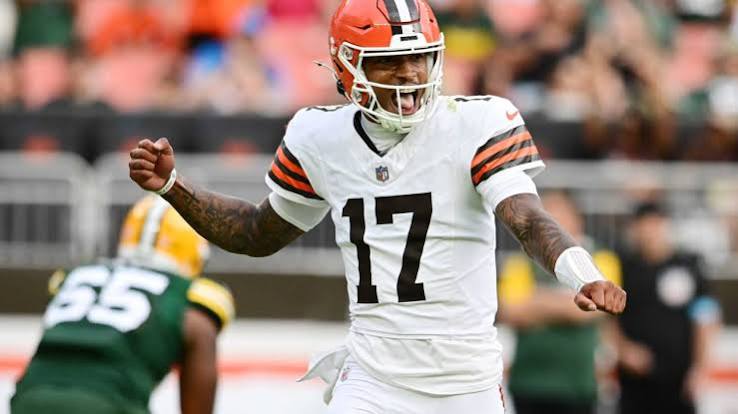
As part of the 1995 settlement, the NFL guaranteed Cleveland would receive a new Browns franchise by 1999.
This new team retained the original name, colors, and history rather than starting completely from scratch.
The 1999 Browns are legally treated as a continuation of the original franchise, preserving decades of team history.
This unique arrangement is one of the more unusual chapters in NFL franchise history.
Other NFL Teams Named After People
The Browns aren’t the only NFL franchise with a name tied to a real person, though it’s still uncommon.
| Team | Naming Connection |
|---|---|
| Cleveland Browns | Named after coach Paul Brown |
| Pittsburgh Steelers | Named after the steel industry, not a person |
| Green Bay Packers | Named after a meatpacking company sponsor |
| Dallas Cowboys | Named after a general cultural theme, not an individual |
Compared to most NFL teams named after animals, professions, or regional themes, the Browns’ direct personal tribute stands out.
Fun Facts About the Browns Name
A few additional details make the Browns’ naming story even more interesting to football fans.
- The Browns are one of the few major sports franchises named directly after a coach rather than an owner.
- Paul Brown later founded and coached the Cincinnati Bengals after leaving Cleveland.
- The “Brown Bomber” theory persisted in media coverage for decades before being widely dismissed.
- The Browns’ lack of a logo helmet is unique among all 32 current NFL franchises.
These small details help explain why the naming story remains a popular topic among football history fans.
Why the Name Still Matters Today
The Browns’ name carries a sense of historical weight that connects modern fans to the franchise’s founding era.
It also reflects a rare moment in sports history where a coach’s legacy became permanently woven into a team’s identity.
For longtime Cleveland fans, the name represents both the franchise’s early championship success and its resilience through relocation controversy.
This blend of history and identity is part of what makes the Browns’ story stand out among NFL franchises.
Paul Brown’s Coaching Legacy Beyond Cleveland
Paul Brown’s influence on football extended far beyond the team that carries his name.
After leaving Cleveland in the early 1960s following a dispute with new owner Art Modell, Brown stayed away from coaching for several years.
He later returned to the NFL as the founding coach and owner of the Cincinnati Bengals in 1968.
Brown is credited with pioneering several coaching innovations, including the modern playbook, facemask design, and structured film study for players.
How Paul Brown Shaped Modern Football
Many coaching practices considered standard today trace directly back to Paul Brown’s early methods in Cleveland.
He was among the first coaches to use game film extensively to prepare players and adjust strategy.
Brown also helped popularize the practice of calling plays from the sideline rather than leaving it entirely to the quarterback.
His organizational approach to scouting and roster management influenced how many NFL front offices operate even today.
The Dispute That Led to Brown’s Departure
Paul Brown’s exit from the team he helped name wasn’t smooth, adding another layer to the franchise’s early history.
New owner Art Modell purchased the team in the early 1960s and gradually clashed with Brown over control of football decisions.
Tensions grew until Modell fired Brown in 1963, ending his run with the franchise he’d shaped from the very beginning.
This departure makes the team’s continued use of his name even more notable, since the split wasn’t on good terms.
Cleveland’s Football Identity Before the Browns
Understanding the Browns’ name also requires a bit of context about Cleveland’s football history before 1946.
The city had hosted earlier professional football teams, including the Cleveland Rams, who eventually relocated to Los Angeles.
Cleveland Panthers and Cleveland Bulldogs were also names tied to earlier, less successful local football ventures.
This history of prior team failures partly explains why McBride was cautious about reusing certain team names for his new franchise.
The Cleveland Rams Connection
Interestingly, Cleveland already had an NFL franchise, the Rams, when the Browns were being formed in the AAFC.
The Rams won an NFL championship in 1945 but relocated to Los Angeles almost immediately afterward.
This left Cleveland without an NFL team just as the new Browns were beginning to build their identity in a rival league.
The timing meant the Browns quickly became the city’s primary football team once the Rams departed.
Cultural Impact of the Browns Name in Cleveland
Over the decades, the Browns name has become deeply tied to Cleveland’s civic identity beyond just football.
Local businesses, streets, and community events frequently reference the team, reflecting how embedded the name has become in daily life.
The team’s colors and branding appear throughout the city, from murals to local merchandise shops.
This level of cultural integration is part of why the 1995 relocation controversy generated such intense public reaction.
How the Naming Story Compares to Other Franchise Origins
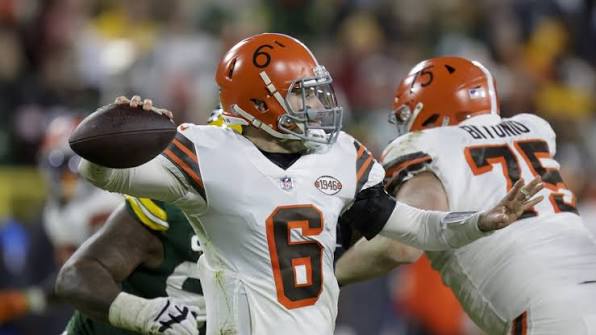
Most NFL team names come from animals, regional industries, or general themes rather than individual people.
| Naming Category | Example Teams |
|---|---|
| Animal-based | Lions, Bears, Eagles |
| Industry-based | Steelers, Packers |
| Regional theme | Patriots, Cowboys |
| Named after a person | Browns |
This comparison highlights just how unusual the Browns’ origin story is within the broader landscape of American professional sports.
Notable Players Who Wore the Browns Name
Throughout their history, the Browns have featured several legendary players who helped build the franchise’s reputation and reinforce the meaning behind its name.
Jim Brown is widely regarded as one of the greatest running backs in NFL history and spent his entire career with Cleveland.
Otto Graham quarterbacked the team through much of its early championship success under coach Paul Brown, the very man the franchise is named after.
Other notable names include Lou Groza, Ernie Davis, and more recently Myles Garrett and Nick Chubb, each contributing to a different, distinct era of the franchise’s long and storied history.
A Quick Recap of the Naming Timeline
For readers who want a fast overview, here’s a simple timeline of how the Browns got their name.
| Year | Event |
|---|---|
| 1944 | McBride secures Cleveland’s AAFC franchise |
| 1945 | Paul Brown hired as coach; fan naming contest held |
| 1945 | “Browns” selected as the official team name |
| 1946 | Team begins play in the AAFC |
| 1950 | Browns join the NFL |
| 1995 | Team relocates to Baltimore, becomes the Ravens |
| 1999 | Browns franchise returns to Cleveland |
This timeline captures the key milestones and turning points behind one of the NFL’s most talked-about and debated team names.
Why Fans Still Ask This Question Decades Later
Despite being settled history among researchers, the Browns’ naming story continues to generate curiosity among new generations of fans.
Part of the appeal is the mystery created by Paul Brown’s own conflicting public statements over the years.
The team’s unique no-logo helmet and lack of a traditional mascot also keep fans curious about the franchise’s unusual identity choices.
As new fans discover the team through streaming, social media, and modern NFL coverage, the story keeps finding fresh audiences.
It’s a rare example of a sports name origin story that remains genuinely debated rather than fully agreed upon, even among longtime historians.
Frequently Asked Questions (FAQs)
1. Why are the Cleveland Browns called the Browns?
The team is named after Paul Brown, their original head coach and part-owner. A 1945 fan contest selected the name in his honor.
2. Were the Browns named after a boxer?
Paul Brown claimed for years the name honored boxer Joe Louis, the “Brown Bomber.” Most historians consider this unlikely and unsupported.
3. What was the second most popular name suggestion?
“Cleveland Panthers” was the most popular fan submission but was rejected. It had already been used by a failed earlier team.
4. Did Paul Brown want the team named after him?
No, he publicly resisted the idea for years. He later reportedly acknowledged the name was indeed his tribute.
5. Why don’t the Browns have a helmet logo?
The Browns have worn a plain orange helmet since their founding, a tradition they’ve kept. It remains unique in the NFL today.
6. What is Brownie the Elf?
Brownie the Elf is the team’s unofficial mascot character. It appears on branding since the Browns lack a traditional mascot.
7. Why did the Browns move to Baltimore?
Owner Art Modell relocated the franchise in 1995 due to stadium and financial disputes. Cleveland fans fought and kept the name.
8. Are the Ravens the old Browns team?
No, legally the Ravens are a separate new franchise. The Browns name, colors, and history stayed in Cleveland.
9. When did the Browns return to Cleveland?
The Browns returned as a new expansion team in 1999. They retained the original name and franchise history.
10. How many championships have the Browns won?
The Browns won four NFL championships and four AAFC titles. Their most dominant stretch was the 1950s and early 1960s.
Conclusion
The Cleveland Browns’ name traces back to a 1945 fan contest that honored original head coach Paul Brown, even though Brown himself spent years publicly downplaying the connection in favor of a boxer-related explanation.
The rejected top choice, Cleveland Panthers, and Brown’s later admission add extra layers to what could have been a simple naming story.
Beyond the name itself, the Browns built an impressive early legacy with AAFC dominance, an undefeated 1948 season, and four NFL championships.
The franchise’s identity survived a dramatic relocation controversy in 1995, returning to Cleveland in 1999 with its original name intact.
Few NFL teams carry a naming story this layered, which is exactly why fans keep asking the question decades later.
It’s a reminder that even simple-sounding team names can hide a surprisingly rich piece of sports history worth remembering, one that continues to shape how the franchise is perceived across generations of football fans, from its earliest AAFC dynasty days all the way through its modern rebuilding era in 2026.
