

Why did my cat pee on me is a question that leaves most owners shocked, frustrated, and honestly a little grossed out. It can feel personal, but this behavior is almost never about spite or dislike.
In most cases, a cat peeing on their owner signals an underlying medical issue, stress, or a litter box problem rather than deliberate misbehavior.
Is My Cat Peeing on Me on Purpose?
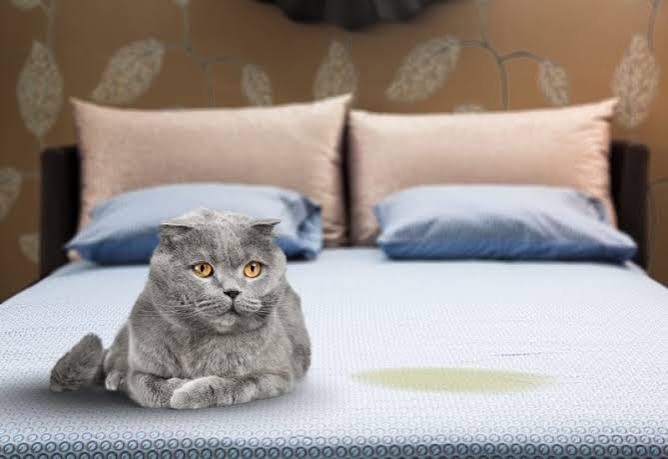
It can feel like your cat is doing this intentionally, especially if it happens more than once. In reality, cats rarely urinate on people out of anger or revenge.
Most cats view their owner as a safe, familiar presence, which sometimes makes an owner an unintentional target during a stressful or painful moment.
Understanding this helps take the emotional sting out of the situation and makes it easier to focus on identifying the real cause.
Medical Reasons Your Cat May Pee on You
Medical issues are one of the most common explanations for this behavior, especially if your cat normally uses their litter box without any problems.
Urinary Tract Infection (UTI)
A UTI causes pain and urgency during urination, which can lead a cat to urinate suddenly and unpredictably, sometimes on whatever is closest, including their owner.
Watch for frequent trips to the litter box, straining, or blood in the urine as additional warning signs.
Feline Idiopathic Cystitis
This is inflammation of the bladder with no clear identifiable cause, often triggered or worsened by stress. It frequently leads to painful, urgent urination outside the litter box.
Bladder Stones or Crystals
Crystals or stones in the urinary tract can block or irritate the urinary system, causing pain that makes a cat associate the litter box with discomfort.
In severe cases, this can become a life-threatening blockage, especially in male cats, and requires urgent veterinary care.
Kidney Disease
Kidney disease increases thirst and urine production, which can overwhelm a cat’s normal litter box habits and occasionally lead to accidents, including on their owner.
Diabetes Mellitus
Diabetes also increases thirst and urination significantly. A cat producing much more urine than usual may struggle to make it to the litter box in time.
Arthritis or Mobility Issues
Older cats with joint pain may find it physically difficult or painful to climb into a litter box, especially one with high sides, leading to accidents nearby.
Illness Preventing Litter Box Access
A cat who feels generally unwell, weak, or disoriented may simply be unable to reach their litter box in time, resulting in urinating on the nearest surface, including you.
Behavioral Reasons Your Cat May Pee on You
If medical causes are ruled out, several behavioral and environmental factors can explain this unusual behavior.
Stress and Anxiety
Stress is one of the leading behavioral triggers for inappropriate urination in cats. Changes like a new pet, new baby, moving homes, or even new furniture can trigger this response.
A stressed cat may seek out their owner’s scent for comfort, occasionally urinating nearby as part of that stress response.
Territorial Marking
Cats use urine to mark territory, particularly unneutered males. If your cat feels their territory is threatened, they may mark you simply because you carry a strong, familiar scent.
Fear Response
A sudden fright, loud noise, or startling event can trigger an involuntary urination response in some cats, especially if it happens while they are near or on their owner.
Litter Box Problems
A dirty, poorly placed, or disliked litter box is one of the most common and fixable causes of inappropriate urination in otherwise healthy cats.
Cats are naturally particular about litter texture, box size, and privacy, and even small changes can lead to avoidance behavior.
Peeing on You While Sleeping
Some cats urinate on their owner specifically while they are sleeping, often because the owner is warm, still, and associated with comfort and safety.
This can also happen if a cat becomes disoriented from illness or has limited mobility and cannot reach the litter box during the night.
Attention-Seeking Behavior
In rare cases, a cat may urinate on their owner as a learned behavior if it previously resulted in immediate attention, even if that attention was negative.
Medical vs Behavioral Causes Table
| Cause Category | Example Triggers | Key Signs |
|---|---|---|
| Medical | UTI, crystals, kidney disease, diabetes | Straining, blood in urine, increased thirst |
| Stress-related | New pet, moving, loud noises | Hiding, over-grooming, litter avoidance |
| Territorial | Unneutered male, new animal in home | Spraying, marking vertical surfaces |
| Litter box issue | Dirty box, wrong litter, poor location | Avoiding box, urinating near it |
| Mobility-related | Arthritis, senior age, injury | Difficulty jumping, hesitation at box |
What to Do Immediately After It Happens
Stay calm and avoid punishing your cat, since scolding can increase stress and worsen the underlying cause rather than solve it.
Clean the affected area thoroughly with an enzymatic cleaner to fully remove the scent, which helps prevent your cat from returning to the same spot.
Take note of any additional symptoms, such as straining, frequent litter box visits, or changes in appetite, to share with your veterinarian.
When to See a Vet
Schedule a vet visit if the behavior happens more than once, especially if your cat also shows signs like straining, blood in urine, or increased thirst.
Seek emergency care immediately if your male cat appears to be straining without producing urine, since this can indicate a life-threatening urinary blockage.
Even a single episode is worth mentioning at your next checkup, since early detection of urinary or kidney issues leads to better long-term outcomes.
How Vets Diagnose the Cause
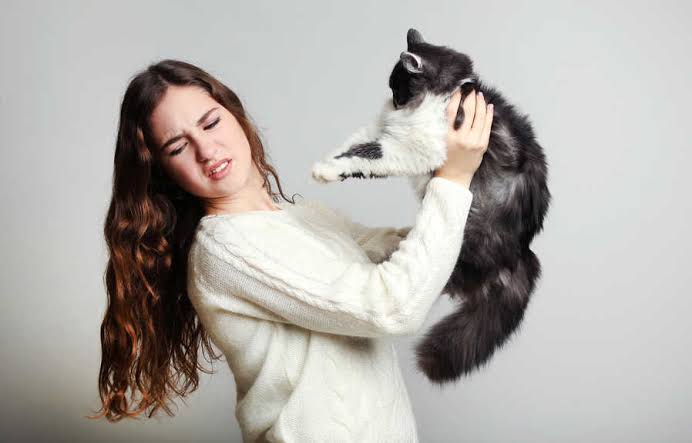
A vet typically starts with a physical exam and a urinalysis to check for infection, crystals, blood, or abnormal concentration levels in the urine.
Bloodwork can help identify kidney disease, diabetes, or other systemic issues that may be contributing to increased urination or urgency.
In some cases, imaging like an ultrasound or X-ray may be used to check for bladder stones or other structural issues in the urinary tract.
Treatment Options Based on Cause
Treatment depends entirely on the underlying cause identified during the veterinary evaluation, which is why an accurate diagnosis matters most.
UTI and Infection Treatment
Bacterial infections are typically treated with a course of antibiotics, along with monitoring to confirm the infection has fully cleared.
Idiopathic Cystitis Management
Management often includes stress reduction, increased water intake, and sometimes prescription diets designed to support urinary tract health.
Bladder Stone Treatment
Depending on severity, treatment may involve a special diet to dissolve smaller stones or surgery for larger stones or blockages.
Kidney Disease Management
Kidney disease is typically managed with a prescription renal diet, medication, and regular monitoring rather than a full cure.
Diabetes Management
Diabetes is usually managed with insulin therapy, dietary changes, and consistent monitoring of blood glucose levels under veterinary guidance.
Behavioral and Stress-Related Treatment
Vets may recommend pheromone diffusers, environmental enrichment, or in some cases anti-anxiety medication for cats with significant stress-related urination issues.
How to Prevent Your Cat From Peeing on You Again
Keep the litter box clean by scooping daily and fully changing the litter regularly, since cats are highly sensitive to odor and cleanliness.
Provide one litter box per cat, plus one extra, placed in quiet, easily accessible locations throughout your home.
Reduce stress by introducing changes gradually, maintaining a consistent routine, and using calming pheromone products if your cat seems anxious.
Choose a litter box with low sides for senior cats or those with mobility issues, making it easier and less painful to access.
Keep fresh water available at all times and monitor for changes in thirst or urination frequency that could signal an underlying health issue.
Litter Box Setup Checklist
| Setup Factor | Recommendation |
|---|---|
| Number of boxes | One per cat, plus one extra |
| Cleaning frequency | Scoop daily, fully clean weekly |
| Box location | Quiet, accessible, away from food |
| Box type | Low sides for senior or mobility-limited cats |
| Litter type | Unscented, fine-grain litter is often preferred |
Does Neutering or Spaying Help?
Neutering or spaying significantly reduces territorial marking behavior, particularly in male cats, since it lowers hormone-driven urges to mark territory.
While it does not address medical causes, it can meaningfully reduce behavioral urination issues in cats that have not yet been fixed.
Discussing the timing and benefits of spaying or neutering with your vet can help prevent this behavior before it becomes a habit.
Multi-Cat Household Considerations
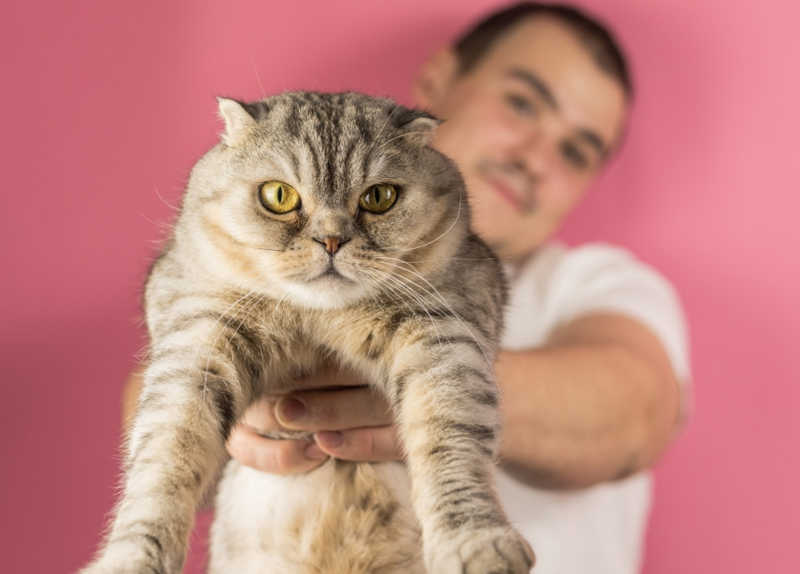
In homes with multiple cats, tension between cats can increase stress-related urination, especially if one cat feels territory or resources are threatened.
Providing separate resources, including food, water, and litter boxes for each cat, can reduce competition and stress-driven accidents.
Gradual, supervised introductions when adding a new pet can also help minimize the anxiety that often triggers this behavior.
Indoor vs Outdoor Cats and Litter Box Behavior
Indoor cats rely entirely on their litter box, making cleanliness and accessibility especially important for preventing accidents in the home.
Outdoor or indoor-outdoor cats may occasionally choose to urinate outside instead, but sudden changes in this pattern can still signal stress or a medical issue.
Cats transitioning from outdoor to indoor living may need extra time and encouragement to fully adjust to consistent litter box use.
How Age Affects This Behavior
Senior cats are more prone to medical causes like kidney disease, diabetes, and arthritis, all of which can contribute to accidents outside the litter box.
Younger cats are more likely to display stress or territorial marking behavior, especially during major life changes like moving or a new pet in the home.
Understanding your cat’s age and health history helps narrow down the most likely explanation before your vet visit.
Why Some Cats Target Their Owner Specifically
Cats often view their owner as the most familiar and trusted presence in the home, which can make you an accidental target during a stressful or painful moment.
Your scent, warmth, and consistent presence may simply make you the closest available surface when a cat feels sudden urgency or distress.
This is rarely a reflection of how your cat feels about you and more a reflection of proximity and comfort-seeking behavior in the moment.
How Diet Can Influence Urinary Health
Diet plays a meaningful role in urinary tract health, since certain foods can influence urine pH and the likelihood of crystal formation.
Cats fed primarily dry food may have lower overall water intake, which can concentrate urine and increase the risk of urinary issues over time.
Prescription urinary diets are often recommended for cats with a history of crystals, stones, or idiopathic cystitis to help reduce recurrence.
The Role of Water Intake
Encouraging your cat to drink more water can support healthy urinary function and reduce the risk of concentrated, irritating urine.
Cat water fountains often encourage cats to drink more compared to standard bowls, since many cats prefer moving water over still water.
Adding wet food to your cat’s diet is another effective way to boost overall hydration and support long-term urinary tract health.
Cleaning Tips to Prevent Repeat Incidents
Using a proper enzymatic cleaner is essential, since regular soap or standard cleaning products often fail to fully break down the proteins in cat urine.
Residual odor, even if undetectable to humans, can attract your cat back to the same spot, making thorough cleaning an important prevention step.
Avoid ammonia-based cleaners, since ammonia is a component of urine and can actually encourage repeat marking in the same location.
Common Myths About Cats Peeing on Owners
There is a lot of misleading information online about why cats do this, so it helps to clear up a few common misconceptions.
Myth: Cats do this out of spite. Cats do not have the cognitive framework for revenge; this behavior almost always reflects stress, pain, or a litter box issue.
Myth: It always means the cat is angry at you. In most cases, it reflects a medical problem or environmental stressor rather than any negative feeling toward you.
Myth: Punishing the cat will stop the behavior. Punishment increases stress, which can actually worsen both medical and behavioral causes of inappropriate urination.
Myth: Only untrained cats do this. Even well-trained, litter-box-reliable cats can suddenly start this behavior due to illness, pain, or a stressful life change.
Working With a Behavior Specialist
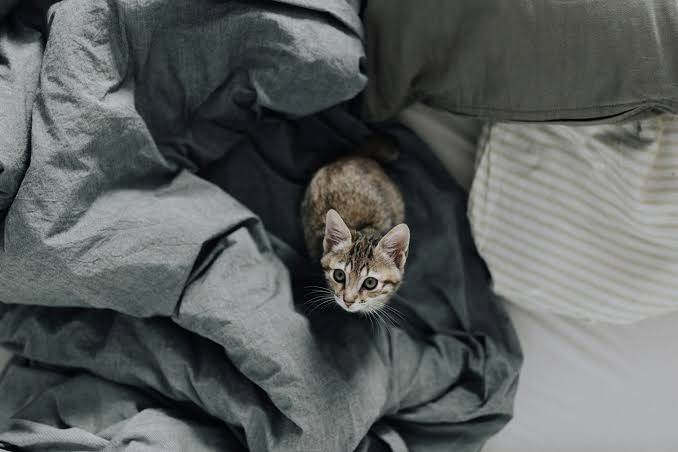
If stress or anxiety appears to be the main driver behind the behavior and basic changes are not helping, a certified cat behaviorist can offer targeted guidance.
Behaviorists can assess your home environment, litter box setup, and multi-pet dynamics to identify triggers that may not be obvious to owners.
This option is especially helpful for multi-cat households or cases where medical causes have already been ruled out by a veterinarian.
Recognizing Pain in Cats
Cats are naturally skilled at hiding pain, which means urinary or joint pain may go unnoticed until behavior changes like inappropriate urination appear.
Subtle signs of pain include reduced grooming, hiding more than usual, reluctance to jump, or changes in appetite and energy levels.
If your cat shows any of these signs alongside urinating outside the litter box, a veterinary exam is strongly recommended to rule out pain-related causes.
Common Litter Types and Cat Preferences
Most cats prefer soft, fine-grained, unscented clumping litter over coarse or heavily scented alternatives, which can feel unpleasant on sensitive paws.
Switching litter types abruptly can sometimes trigger litter box avoidance, so any change should be introduced gradually by mixing old and new litter together.
If your cat has recently started avoiding the litter box after a litter change, switching back to the previous type may resolve the issue quickly.
Environmental Enrichment to Reduce Stress
Providing vertical spaces like cat trees, scratching posts, and window perches can help reduce stress by giving your cat a sense of control over their environment.
Interactive play sessions and puzzle feeders can also help release pent-up energy and anxiety that might otherwise contribute to stress-related urination.
Maintaining a predictable daily routine, including consistent feeding and playtimes, helps many anxious cats feel more secure in their environment.
Long-Term Outlook for Cats With This Behavior
With proper diagnosis and treatment, most cats fully recover from medical causes and return to consistent, reliable litter box habits.
Stress-related cases often improve significantly once triggers are identified and addressed through environmental changes and consistent routines.
Ongoing veterinary monitoring is especially important for chronic conditions like kidney disease or diabetes to prevent future flare-ups of this behavior.
What Vets Typically Ask During an Evaluation
Vets usually ask when the behavior started, how often it happens, and whether it is limited to you or happens on other surfaces as well.
They will also ask about litter box habits, recent life changes, diet, and any other symptoms like straining, appetite changes, or lethargy.
Keeping a simple log of when incidents happen and any related circumstances can help your vet identify patterns more quickly.
Frequently Asked Questions (FAQs)
1. Why does my cat only pee on me and not the litter box?
This usually points to a medical issue, stress, or litter box aversion. A vet visit and urinalysis can help identify the exact cause.
2. Is my cat peeing on me a sign of illness?
Yes, it can indicate a UTI, kidney disease, diabetes, or bladder issue. Persistent or repeated incidents should always be checked by a vet.
3. Why did my cat pee on me while I was sleeping?
This can happen due to stress, comfort-seeking behavior, or an inability to reach the litter box in time. Rule out medical causes first.
4. Can stress really cause my cat to pee on me?
Yes, stress from changes like a new pet, move, or loud noises can trigger inappropriate urination, including on their owner.
5. Should I punish my cat for peeing on me?
No, punishment increases stress and can worsen the behavior. Focus on identifying and addressing the underlying cause instead.
6. Does neutering stop cats from peeing on their owners?
Neutering reduces territorial marking behavior, especially in males, but does not address medical causes of inappropriate urination.
7. Why does my senior cat suddenly pee on me?
Senior cats often develop arthritis, kidney disease, or diabetes, all of which can lead to accidents outside the litter box.
8. How can I stop my cat from peeing on me again?
Keep the litter box clean and accessible, reduce stress, and consult a vet to rule out or treat any medical causes.
9. Is it normal for a healthy cat to pee on their owner?
It is uncommon in healthy cats with no stressors, so any incident is worth monitoring closely and discussing with your vet.
10. When should I take my cat to the emergency vet?
Go immediately if your cat strains to urinate without success, since this can signal a dangerous urinary blockage requiring urgent care.
Conclusion
A cat peeing on their owner is rarely about spite or dislike. It is far more often a sign of an underlying medical issue, stress, or a litter box problem that needs attention.
Conditions like UTIs, bladder stones, kidney disease, and diabetes can all trigger this behavior, alongside stress-related causes like territorial marking, fear, or environmental changes.
A veterinary evaluation is the most reliable way to identify the true cause, since treatment differs significantly between medical and behavioral triggers.
With proper litter box care, stress reduction, and prompt veterinary attention when needed, most cats can return to normal, healthy bathroom habits, restoring peace of mind for both of you.
