

Why are my teeth transparent at the edges? In most cases, it means the outer layer of your tooth, called enamel, has thinned enough to let light pass through instead of reflecting off it.
Enamel is naturally somewhat translucent, so as it wears down, the biting edges of your front teeth can start looking glassy, clear, or slightly blue.
This can result from everyday habits like acidic food and drink, aggressive brushing, teeth grinding, or underlying health conditions like acid reflux.
While enamel loss can’t be reversed, several treatments can restore your smile’s appearance and protect the teeth you still have.
What Does It Actually Mean When Teeth Look Transparent?
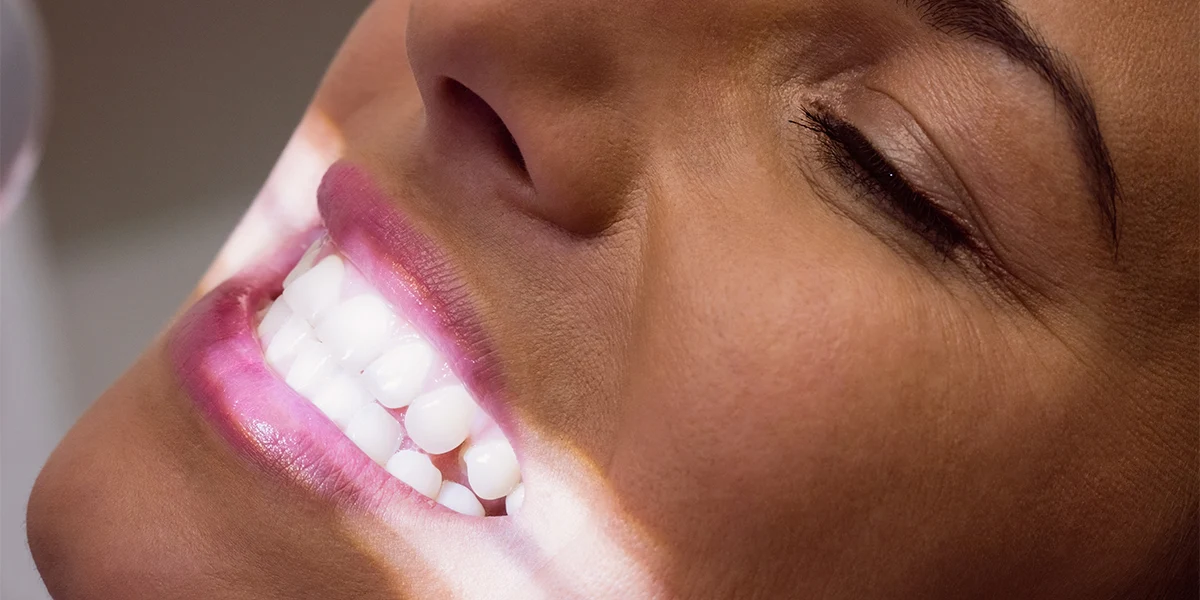
Transparent or translucent teeth happen when enamel, the tooth’s protective outer layer, becomes thin enough to let light through.
Healthy enamel is opaque and reflects light, giving teeth their solid white appearance.
As enamel thins, the yellowish dentin layer underneath becomes more visible, creating a glassy or see-through look.
This effect is most noticeable at the incisal edges, the thin biting tips of the front teeth.
Enamel vs Dentin: Why the Difference Matters
Understanding tooth structure helps explain why transparency happens where it does.
| Layer | Color and Texture | Role |
|---|---|---|
| Enamel | White, opaque, hard | Outer protective shield |
| Dentin | Yellowish, semi-translucent | Supports enamel, transmits sensation |
| Pulp | Soft tissue | Contains nerves and blood vessels |
Enamel is the hardest substance in the human body, but it’s also naturally thinnest at the biting edges.
This is exactly why transparency shows up at the tips of teeth before anywhere else.
Is Some Tooth Transparency Normal?
Slight translucency at the very edges of front teeth can be a normal variation, especially with age.
As people get older, enamel naturally thins slightly from decades of everyday chewing and exposure.
However, noticeable transparency in young or middle-aged adults is not considered typical and often signals a deeper issue.
If transparency seems to be increasing or spreading, it’s worth having a dentist take a closer look.
Common Causes of Transparent Teeth
Several everyday habits and health conditions can accelerate enamel thinning and cause visible transparency.
| Cause | How It Affects Enamel |
|---|---|
| Acidic foods and drinks | Gradually dissolves enamel surface |
| Acid reflux (GERD) | Stomach acid repeatedly contacts teeth |
| Aggressive brushing | Mechanically wears down enamel |
| Teeth grinding (bruxism) | Wears edges thin through friction |
| Genetic conditions | Affects enamel formation from birth |
| Frequent vomiting | Exposes teeth to strong stomach acid |
| Dry mouth | Reduces saliva’s protective effect |
Most cases involve more than one factor working together over months or years.
Acid Erosion From Food and Drinks
Acidic foods and beverages like citrus fruits, soda, wine, and sports drinks can gradually dissolve enamel.
Frequent exposure, especially sipping acidic drinks throughout the day, gives acid more contact time with your teeth.
Rinsing with water after acidic food or drink helps limit prolonged acid exposure on the enamel surface.
Waiting about 30 minutes before brushing after acidic exposure also helps, since enamel is temporarily softened right after contact.
Acid Reflux and GERD
Gastroesophageal reflux disease, commonly known as GERD, brings stomach acid up into the mouth repeatedly.
This acid is significantly stronger than most dietary acids and can erode enamel faster with regular exposure.
People with chronic GERD often notice transparency and thinning concentrated on the back sides of their front teeth.
Managing reflux with a doctor’s guidance is an important step in protecting enamel long-term.
Frequent Vomiting and Eating Disorders
Conditions involving frequent vomiting, including bulimia and severe morning sickness, expose teeth to strong stomach acid regularly.
This repeated acid exposure is one of the more aggressive causes of rapid enamel erosion.
Rinsing with water, never brushing immediately after vomiting, and dental monitoring are commonly recommended protective steps.
Addressing the underlying cause with medical support is essential for both oral and overall health.
Aggressive Brushing and Abrasive Toothpaste
Brushing too hard or using a hard-bristled toothbrush can mechanically wear down enamel over time.
Whitening toothpastes and charcoal-based products, while popular, can also be more abrasive than standard formulas.
Switching to a soft-bristled brush and gentle, circular brushing motions helps protect enamel from unnecessary wear.
Choosing a non-abrasive, fluoride toothpaste is a simple change that supports long-term enamel health.
Teeth Grinding and Clenching (Bruxism)
Grinding or clenching teeth, often during sleep, creates constant friction that wears down enamel at the edges.
Many people aren’t aware they grind their teeth until a dentist notices telltale wear patterns.
A custom nightguard is the most common and effective way to protect teeth from grinding-related damage.
Stress management can also help reduce grinding frequency, since anxiety is a common underlying trigger.
Genetic and Developmental Conditions
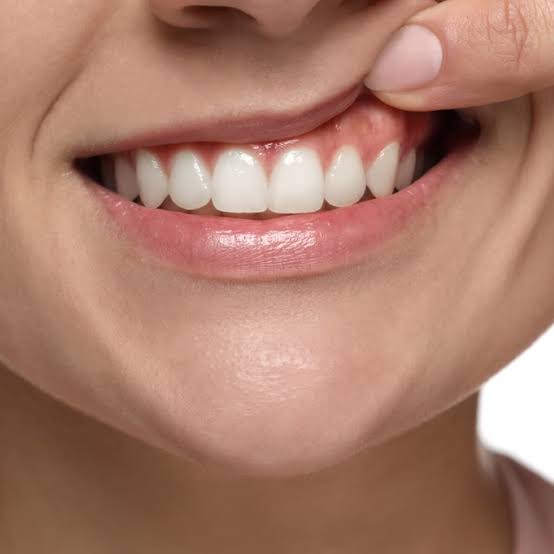
Some people are born with naturally thinner or weaker enamel due to genetic conditions.
Amelogenesis Imperfecta is a genetic disorder that affects enamel formation, leading to naturally thin, translucent teeth.
Enamel hypoplasia, linked to genetics or early childhood illness, can also cause underdeveloped, thinner enamel.
Celiac disease has similarly been linked to poor enamel development and a translucent, pitted appearance.
Nutritional Deficiencies and Malabsorption
Enamel formation depends on adequate calcium, vitamin D, and other minerals during tooth development and throughout life.
Malabsorption conditions can limit the body’s ability to absorb these nutrients, weakening enamel over time.
Malnutrition, particularly during childhood tooth development, can result in enamel that’s thinner and more prone to transparency.
Addressing nutritional gaps with a doctor’s guidance can help support better enamel strength going forward.
Dry Mouth and Reduced Saliva
Saliva plays a protective role by neutralizing acids and helping remineralize enamel throughout the day.
Reduced saliva production, whether from medication side effects or medical conditions, removes much of this natural protection.
This can accelerate enamel erosion and make transparency more likely to develop or worsen.
Staying hydrated and discussing dry mouth symptoms with a doctor can help address the root cause.
Symptoms That Often Come With Transparent Teeth
Transparency rarely shows up completely on its own and often comes with related symptoms.
- Increased sensitivity to hot, cold, sweet, or acidic foods
- Rougher or slightly jagged tooth edges
- Yellowing or darkening as more dentin becomes visible
- Small chips near the thinned edges
- Canker sores from rough edges irritating soft tissue
Noticing several of these together is a good reason to schedule a dental checkup sooner rather than later.
Is Enamel Loss Reversible?
Enamel does not regenerate once it’s lost, since it contains no living cells capable of repair.
This makes prevention and early intervention especially important compared to waiting until damage becomes significant.
While enamel itself can’t grow back, its appearance and function can often be restored with dental treatment.
Remineralizing toothpaste can help strengthen existing enamel, but it cannot rebuild enamel that’s already gone.
When to See a Dentist
Certain signs suggest it’s time to schedule a dental visit rather than monitoring the issue at home.
| Sign | Why It Matters |
|---|---|
| Increasing transparency over weeks or months | May indicate active, ongoing erosion |
| New tooth sensitivity | Enamel may be exposing dentin |
| Visible chips near thin edges | Risk of further breakage |
| Transparency in a young adult | Not typical without an underlying cause |
| Discoloration alongside transparency | Could signal deeper enamel damage |
A dentist can identify the specific cause and recommend the most effective next steps for your situation.
Professional Treatment Options
Several dental treatments can improve the appearance and strength of transparent teeth.
Dental Bonding
Bonding uses tooth-colored resin applied directly to the affected area to restore shape and opacity.
It’s a relatively quick, affordable option that works well for minor transparency and small chips.
Veneers
Veneers are thin shells placed over the front of teeth to fully cover transparency and improve overall appearance.
They offer a longer-lasting, more durable solution for more noticeable or widespread enamel thinning.
Remineralization Treatments
Fluoride treatments and remineralizing agents can help strengthen remaining enamel and reduce sensitivity.
These treatments won’t reverse existing transparency but can help slow further enamel weakening.
Crowns
For severe enamel loss affecting a tooth’s strength, a crown may be recommended to fully protect the tooth.
Crowns cover the entire visible tooth, restoring both function and appearance in more advanced cases.
Treatment Comparison Table
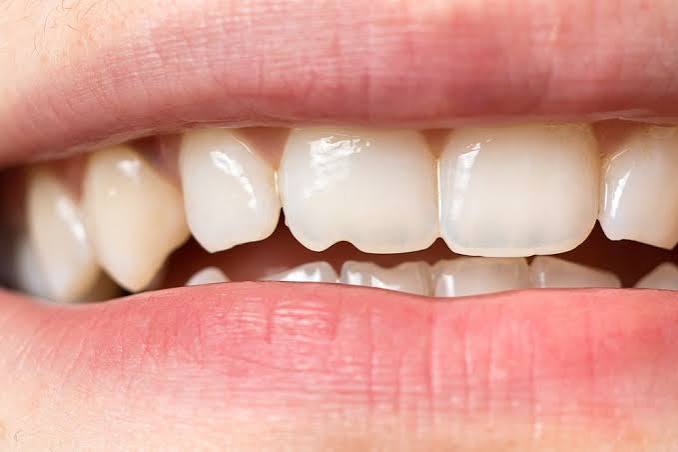
Comparing treatment options side by side can help you understand which fits your situation best.
| Treatment | Best For | Durability |
|---|---|---|
| Bonding | Minor transparency, small chips | Moderate, may need touch-ups |
| Veneers | Noticeable transparency, cosmetic goals | Long-lasting |
| Remineralization | Early-stage thinning, sensitivity | Ongoing maintenance needed |
| Crowns | Severe enamel loss | Long-lasting, full coverage |
Your dentist will recommend the right option based on how much enamel has been lost and where.
How to Slow Down Further Enamel Loss
While existing enamel loss can’t be undone, several habits can help protect the enamel you still have.
- Use a soft-bristled toothbrush with gentle pressure
- Choose a non-abrasive, fluoride toothpaste
- Limit acidic foods and drinks, or rinse with water afterward
- Wait 30 minutes before brushing after acidic exposure
- Wear a nightguard if you grind your teeth
- Stay hydrated to support healthy saliva production
Consistency with these habits makes a meaningful difference in slowing future enamel wear.
Diet Tips to Protect Enamel
What you eat and drink plays a major role in long-term enamel health.
Dairy products like cheese and milk can help neutralize acids and support remineralization after meals.
Drinking water throughout the day, especially after acidic or sugary foods, helps rinse away residue.
Using a straw for acidic drinks reduces direct contact between the liquid and your front teeth.
Transparent Teeth in Children
Transparent or translucent teeth in children can sometimes point to developmental conditions like enamel hypoplasia.
Childhood illness, certain medications, or nutritional deficiencies during tooth development can all affect enamel formation.
Early dental evaluation helps identify the cause and allows for protective treatment before permanent teeth are affected.
Parents noticing unusual transparency in a child’s teeth should mention it at the next regular dental visit.
Transparent Teeth and Tooth Sensitivity
As enamel thins, the dentin layer underneath becomes more exposed to temperature and pressure changes.
Dentin contains tiny tubules that connect directly to the tooth’s nerve, which is why exposed dentin often causes sensitivity.
Hot drinks, cold foods, sweets, and even cool air can trigger sharp, brief discomfort in affected teeth.
Desensitizing toothpaste can help manage mild symptoms, though a dentist should evaluate ongoing or worsening sensitivity.
The Role of Fluoride in Protecting Enamel
Fluoride strengthens enamel by supporting a process called remineralization, where minerals are redeposited into the tooth surface.
Regular use of fluoride toothpaste and fluoridated water can help make enamel more resistant to acid attacks.
Some dentists also recommend professional fluoride treatments for people showing early signs of enamel thinning.
While fluoride can’t restore lost enamel, it plays an important role in slowing further deterioration.
Home Remedies vs Professional Treatment: What Actually Works
Many people search for home remedies to fix transparent teeth, but it’s important to separate myth from fact.
| Approach | Effectiveness |
|---|---|
| Oil pulling | No proven effect on enamel thickness |
| Baking soda rinses | May help neutralize acid, but not restore enamel |
| Remineralizing toothpaste | Can strengthen existing enamel, not rebuild it |
| Professional dental treatment | Only proven way to restore appearance and function |
Home care supports prevention, but restoring already-thinned enamel requires professional dental treatment.
Cosmetic Impact and Emotional Effects
Beyond the physical symptoms, transparent teeth can affect confidence, especially when noticeable in a smile.
Many people feel self-conscious about glassy or discolored edges, particularly on their front teeth.
Cosmetic treatments like bonding and veneers address both the health and appearance side of the issue simultaneously.
Talking openly with a dentist about aesthetic concerns can help guide treatment choices that fit your goals.
Enamel Erosion Risk Factors Checklist
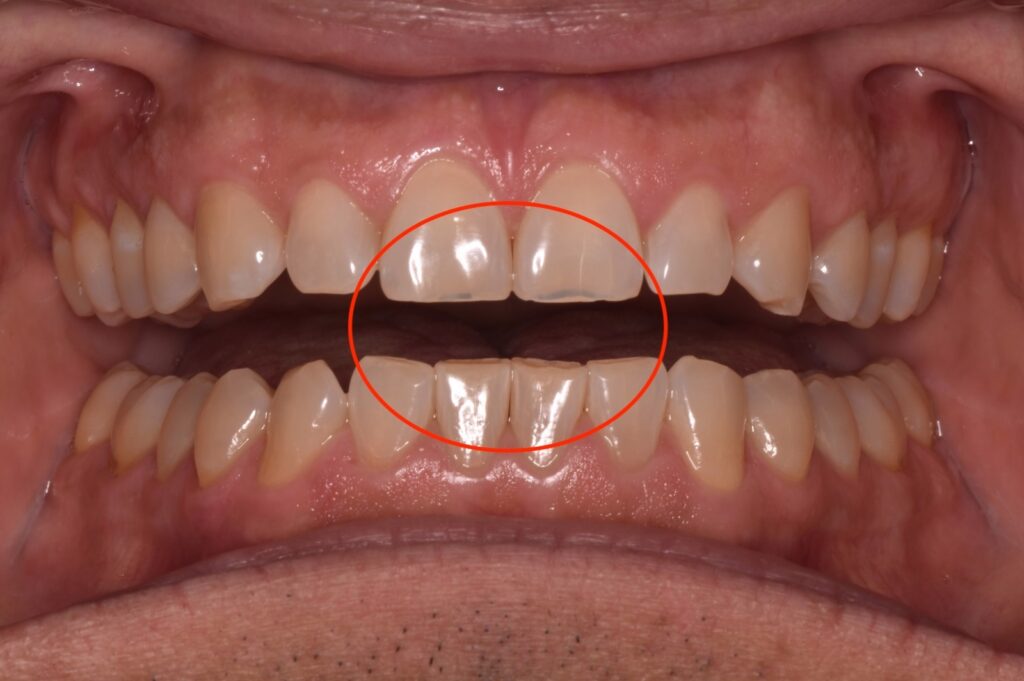
Certain habits and conditions raise your personal risk of developing enamel erosion and visible transparency.
- Frequent consumption of soda, citrus, or sports drinks
- Diagnosed or undiagnosed acid reflux
- History of teeth grinding or jaw clenching
- Use of whitening or abrasive toothpaste daily
- Chronic dry mouth from medication or medical conditions
- Family history of genetic enamel conditions
Reviewing this list can help you and your dentist identify which factors are most relevant to your case.
How Dentists Diagnose the Cause of Transparency
A dental exam typically starts with a visual inspection of the transparent areas under good lighting.
Dentists look at the pattern and location of transparency, since different causes tend to affect teeth differently.
They may also ask about diet, brushing habits, reflux symptoms, and any relevant family or medical history.
In some cases, additional evaluation with a physician may be recommended if an underlying health condition is suspected.
Long-Term Outlook for Enamel Health
With consistent preventive care, most people can significantly slow the progression of enamel thinning over time.
Regular dental checkups allow early detection of new erosion before it becomes cosmetically or functionally significant.
Combining professional treatment with better daily habits offers the best long-term outcome for enamel-related transparency.
Even in genetic cases, protective measures can meaningfully reduce the rate of further enamel loss, giving people at higher risk a real chance to preserve their natural smile for longer.
Foods and Habits That Support Stronger Enamel
Beyond avoiding acid, certain foods and habits actively support enamel strength over time.
Calcium-rich foods like cheese, yogurt, and leafy greens provide building blocks that support the remineralization process.
Chewing sugar-free gum after meals stimulates saliva flow, which naturally helps neutralize acids in the mouth.
Limiting snacking frequency reduces the number of acid exposures your teeth face throughout the day.
Combining these habits with regular dental checkups creates a strong foundation for long-term enamel protection.
Transparent Teeth vs Other Tooth Color Changes
It’s helpful to distinguish transparency from other common tooth appearance changes people often confuse it with.
| Appearance Change | Likely Cause |
|---|---|
| Glassy, see-through edges | Enamel thinning |
| Yellowing across whole tooth | Dentin showing through worn enamel, or staining |
| White spots | Early demineralization or fluorosis |
| Gray or dark tooth | Nerve damage or internal staining |
| Chalky texture | Enamel hypoplasia or hypomineralization |
Recognizing which pattern matches your teeth helps you describe the issue accurately during a dental visit.
Quick Recap Before the FAQs
Transparent teeth are almost always linked to enamel thinning, whether from daily habits, medical conditions, or genetics.
Acid exposure, aggressive brushing, and grinding are the most common everyday contributors worth addressing first.
Professional treatment options like bonding, veneers, and remineralization can restore appearance once enamel has thinned.
Prevention remains the most powerful tool, since enamel itself cannot regenerate once it’s lost, which makes early habits and regular dental visits the smartest long-term investment in your smile.
Frequently Asked Questions (FAQs)
1. Why are my teeth transparent at the edges?
It usually means enamel has thinned at the biting edges, letting light pass through. This reveals the yellowish dentin layer underneath.
2. Is transparent teeth a serious problem?
It’s often cosmetic, but ongoing transparency can signal active enamel erosion or an underlying condition. A dental check is a good idea.
3. Can transparent teeth be reversed?
Enamel itself can’t regenerate once lost, but treatments like bonding or veneers can restore appearance. Prevention protects remaining enamel.
4. What causes teeth to suddenly look more transparent?
Common triggers include acidic food, acid reflux, aggressive brushing, or teeth grinding. A dentist can help pinpoint the exact cause.
5. Does acid reflux really cause transparent teeth?
Yes, stomach acid from GERD is stronger than most dietary acids and can erode enamel quickly. Managing reflux helps protect teeth.
6. Can transparent teeth be a sign of an eating disorder?
Yes, frequent vomiting exposes teeth to strong acid and is a recognized cause of enamel erosion. Medical support is important here.
7. Are transparent teeth normal with age?
Slight edge translucency can be a normal age-related change. Noticeable transparency in younger adults usually isn’t typical.
8. What treatment works best for transparent teeth?
It depends on severity: bonding and remineralization suit mild cases, while veneers or crowns suit more advanced enamel loss. A dentist can advise.
9. Can toothpaste fix transparent teeth?
Remineralizing toothpaste can strengthen existing enamel but can’t rebuild enamel that’s already lost. It helps prevent further thinning.
10. Should I see a dentist for transparent teeth?
Yes, especially if transparency is increasing, painful, or appearing in a young adult. Early evaluation prevents more serious damage.
Conclusion
Transparent teeth almost always come down to one root cause: thinning enamel that lets light pass through instead of reflecting off the tooth surface.
This can result from everyday habits like acidic foods, aggressive brushing, and teeth grinding, or from underlying conditions like acid reflux, genetic disorders, or nutritional deficiencies.
While enamel loss can’t be reversed once it happens, treatments like bonding, veneers, remineralization, and crowns can restore both appearance and function.
Protecting the enamel you still have through gentle brushing, a balanced diet, and reduced acid exposure is the most effective long-term strategy.
If transparency is increasing or coming with sensitivity, a dental visit can pinpoint the cause and get you on the right treatment path, giving you both peace of mind and a clear plan to protect your smile going forward.
