

Why do gums bleed is one of the most searched dental questions, usually asked right after someone notices blood in the sink while brushing or flossing. It can be startling, even if it only happens occasionally.
In most cases, bleeding gums point to gingivitis, the earliest and most reversible stage of gum disease. However, they can also signal harder brushing habits, medication side effects, or underlying health conditions.
Why Do Gums Bleed?? What Does It Mean
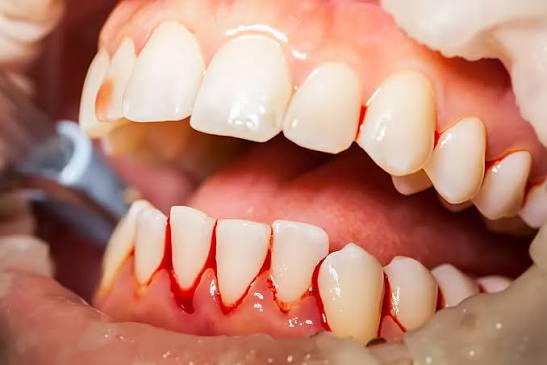
Bleeding gums happen when the soft tissue around your teeth becomes inflamed and its tiny blood vessels become more fragile than usual.
This inflammation is most often triggered by plaque, a sticky bacterial film that builds up along the gumline and irritates the surrounding tissue.
While occasional bleeding is common, frequent or heavy bleeding is not considered normal and usually signals something that needs attention.
Most Common Causes of Bleeding Gums
There are several possible explanations for bleeding gums, ranging from simple hygiene habits to more serious underlying health conditions.
Gingivitis
Gingivitis is the leading cause of bleeding gums. It develops when plaque along the gumline is not removed consistently, leading to inflammation and swelling.
Gums affected by gingivitis often look red, feel tender, and bleed easily during brushing or flossing, even with gentle pressure.
Periodontitis (Advanced Gum Disease)
If gingivitis is left untreated, it can progress into periodontitis, a more serious infection that damages the gum tissue and bone supporting the teeth.
Periodontitis can cause more persistent bleeding, gum recession, and eventually tooth loss if it continues without treatment.
Brushing or Flossing Too Hard
Ironically, being too aggressive with oral hygiene can also cause bleeding. A hard-bristled toothbrush or overly vigorous flossing can injure delicate gum tissue.
This type of bleeding is usually temporary and improves once technique is adjusted and a softer toothbrush is introduced.
Starting a New Flossing Routine
Gums that are not used to regular flossing may bleed for the first week or two as the tissue adjusts. This typically resolves with consistent, gentle flossing.
Ill-Fitting Dental Appliances
Dentures, retainers, or braces that do not fit properly can rub against gum tissue, causing irritation and occasional bleeding at pressure points.
Hormonal Changes
Hormonal shifts during pregnancy, puberty, or menstruation can increase blood flow to the gums, making them more sensitive and prone to bleeding.
Pregnancy gingivitis is a well-documented condition where hormonal changes make gums more reactive to plaque than usual.
Vitamin Deficiencies
Low levels of vitamin C or vitamin K can weaken gum tissue and impair the body’s ability to clot properly, both of which contribute to bleeding gums.
Blood Thinning Medications
Medications like aspirin, warfarin, and other blood thinners reduce the blood’s ability to clot, making gums more likely to bleed even from minor irritation.
Diabetes
Diabetes can impair the body’s ability to fight infection, increasing the risk of gum disease and making bleeding gums more common in people with poorly controlled blood sugar.
Smoking and Tobacco Use
While smoking can sometimes mask bleeding by restricting blood flow, it significantly increases the risk of gum disease, which often causes more severe bleeding once it develops.
Blood Disorders
Less commonly, conditions like leukemia, platelet disorders, or hemophilia can cause gums to bleed more easily, sometimes alongside other symptoms like frequent nosebleeds or easy bruising.
Stress and Lack of Sleep
Chronic stress and poor sleep can weaken immune function, making gum tissue more vulnerable to inflammation and bleeding over time.
Causes and Key Signs Table
| Cause | Typical Trigger | Key Signs |
|---|---|---|
| Gingivitis | Plaque buildup | Red, swollen, tender gums |
| Periodontitis | Untreated gingivitis | Persistent bleeding, recession |
| Hard brushing or flossing | Aggressive technique | Bleeding improves with gentler care |
| Hormonal changes | Pregnancy, puberty | Increased gum sensitivity |
| Blood thinners | Prescribed medication | Bleeding from minor irritation |
| Vitamin deficiency | Poor diet | Weak, easily bleeding gum tissue |
| Blood disorders | Underlying illness | Bleeding plus bruising or fatigue |
Is Occasional Gum Bleeding Normal?
Occasional bleeding, especially after starting a new flossing routine or brushing a bit too hard, is usually not a major concern.
However, bleeding that happens every time you brush, or that occurs without any clear trigger, is not considered normal and should be evaluated.
Paying attention to frequency and severity helps determine whether the cause is minor or something that needs professional care.
Warning Signs You Should Not Ignore
Certain symptoms alongside bleeding gums suggest a more serious underlying issue that deserves prompt attention.
Watch for gum recession, persistent bad breath, loose teeth, visible pus, or gums that appear consistently swollen and dark red rather than pink.
Bleeding accompanied by easy bruising, frequent nosebleeds, or unusual fatigue may point to a blood-related condition rather than a purely dental issue.
How Dentists Diagnose the Cause
A dentist typically starts with a visual exam, checking for plaque buildup, gum color, swelling, and any signs of recession or infection.
They may use a small probe to measure gum pocket depth around each tooth, since deeper pockets often indicate more advanced gum disease.
If a systemic health condition is suspected, your dentist may refer you to a physician for bloodwork to check for diabetes, vitamin deficiencies, or clotting issues.
How to Stop Bleeding Gums at Home
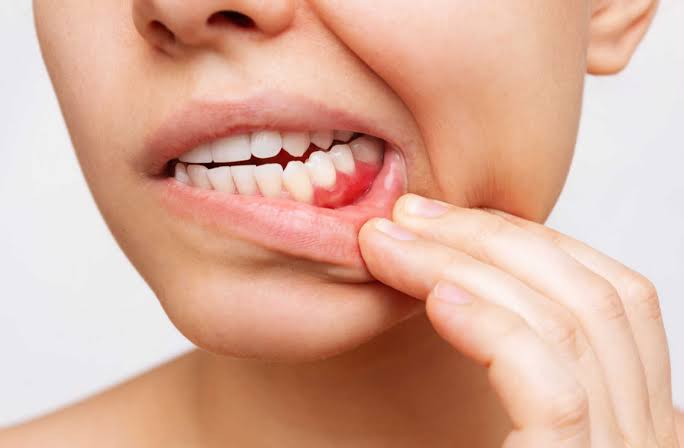
Switch to a soft-bristled toothbrush and use gentle, circular motions rather than aggressive back-and-forth scrubbing along the gumline.
Floss daily using a gentle technique, sliding the floss carefully between teeth rather than snapping it against the gum tissue.
Rinse with warm salt water to help reduce inflammation and soothe irritated gum tissue between brushing sessions.
Stay consistent, since gums that are inflamed from early gingivitis often improve significantly within one to two weeks of improved home care.
Professional Treatment Options
If home care alone is not resolving the bleeding, several professional treatments can address the underlying cause more directly.
Professional Dental Cleaning
A thorough cleaning removes plaque and tartar buildup that regular brushing cannot fully eliminate, often resolving mild gingivitis-related bleeding quickly.
Scaling and Root Planing
For more advanced gum disease, this deep-cleaning procedure removes plaque and tartar from below the gumline and smooths the tooth root to help gums reattach.
Antibacterial Mouth Rinses
Dentists may recommend a prescription or antibacterial mouth rinse to reduce bacteria and inflammation in cases of persistent gingivitis.
Medication Adjustments
If blood thinners or another medication are contributing to bleeding, your dentist may coordinate with your physician to review dosing or alternatives.
Treating Underlying Health Conditions
When bleeding gums stem from diabetes, vitamin deficiency, or a blood disorder, treating the root medical condition is essential for lasting improvement.
Foods That Support Healthy Gums
A diet rich in vitamin C, found in citrus fruits, bell peppers, and leafy greens, supports gum tissue strength and healing.
Vitamin K, found in leafy greens and broccoli, plays an important role in healthy blood clotting and can support gum health.
Reducing sugary and processed foods helps limit the bacteria that contribute to plaque buildup and gum inflammation over time.
Foods and Habits That Support Gum Health Table
| Nutrient or Habit | Food Sources or Action | Benefit |
|---|---|---|
| Vitamin C | Citrus fruits, bell peppers, strawberries | Strengthens gum tissue |
| Vitamin K | Leafy greens, broccoli | Supports healthy clotting |
| Water intake | Plain water throughout the day | Rinses away food debris and bacteria |
| Reduced sugar intake | Limiting sweets and soda | Reduces plaque-forming bacteria |
| Regular dental visits | Every six months | Removes plaque before it causes damage |
How to Prevent Bleeding Gums Long Term
Brush twice daily for two full minutes using a soft-bristled toothbrush and fluoride toothpaste, focusing gently along the gumline.
Floss once daily to remove plaque between teeth where a toothbrush cannot reach, using a gentle sliding motion rather than force.
Avoid tobacco products, since smoking significantly increases the risk of gum disease and can mask early bleeding symptoms.
Schedule dental checkups and cleanings every six months so plaque and early gum inflammation can be caught and treated before it worsens.
Manage underlying health conditions like diabetes with your doctor, since well-controlled blood sugar supports healthier gum tissue.
Bleeding Gums During Pregnancy
Pregnancy hormones can increase blood flow to the gums, making pregnancy gingivitis a common and usually temporary condition during this time.
Maintaining consistent oral hygiene and attending regular dental checkups during pregnancy can help minimize bleeding and prevent it from progressing to more serious gum disease.
Most pregnancy-related gum bleeding improves after delivery as hormone levels return to their normal baseline.
Bleeding Gums in Children
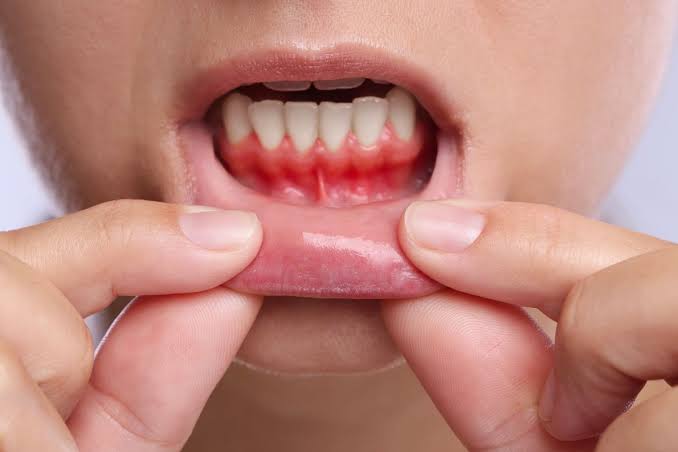
Children can experience bleeding gums due to plaque buildup, especially if brushing and flossing habits are still developing.
Teething and the eruption of new teeth can also cause temporary gum sensitivity and mild bleeding in younger children.
Establishing good oral hygiene habits early, along with regular pediatric dental visits, helps prevent chronic gum issues later in life.
How Diet Affects Gum Bleeding Beyond Vitamins
Beyond specific vitamins, overall diet quality plays a significant role in how the body manages inflammation, including inflammation in the gums.
Diets high in refined sugar and processed carbohydrates feed the bacteria responsible for plaque, indirectly increasing the likelihood of gum irritation and bleeding.
Anti-inflammatory foods like fatty fish, nuts, and leafy greens may support overall gum health as part of a balanced, whole-food diet.
The Link Between Gum Health and Overall Health
Research has increasingly connected gum disease to broader health concerns, including cardiovascular disease and complications related to diabetes.
Chronic gum inflammation is thought to contribute to systemic inflammation throughout the body, which is one reason dentists take bleeding gums seriously even when they seem minor.
Treating gum disease early is not just about protecting your smile. It may also play a role in supporting your overall long-term health.
Electric vs Manual Toothbrush for Bleeding Gums
Both electric and manual toothbrushes can be effective at reducing plaque, as long as a soft-bristled head and gentle technique are used consistently.
Electric toothbrushes often include built-in timers and pressure sensors, which can help prevent the overly aggressive brushing that sometimes irritates gum tissue.
Choosing the right toothbrush ultimately matters less than using proper technique and staying consistent with your daily oral hygiene routine.
Mouthwash and Bleeding Gums
Alcohol-based mouthwashes can sometimes dry out or irritate already sensitive gum tissue, potentially making mild bleeding feel worse temporarily.
Alcohol-free, antibacterial mouthwashes are generally gentler and can help reduce the bacteria that contribute to plaque and gum inflammation.
Your dentist can recommend a specific mouthwash formulation if your gums are particularly sensitive or prone to frequent bleeding.
What to Expect at a Gum Disease Evaluation
During an evaluation, your dentist will likely take X-rays to check for bone loss around the teeth, which is a hallmark sign of advancing periodontitis.
They will also review your medical history, current medications, and any symptoms you have noticed beyond bleeding, such as sensitivity or bad breath.
Based on these findings, your dentist will recommend a treatment plan ranging from a simple cleaning to more advanced periodontal therapy if needed.
Common Myths About Bleeding Gums
There is a lot of misleading information about bleeding gums, so it helps to clarify a few common misconceptions.
Myth: Bleeding gums mean you should stop brushing that area. In reality, gentle but consistent brushing is exactly what helps resolve gingivitis-related bleeding.
Myth: Bleeding gums always mean gum disease. While common, bleeding can also stem from technique, medication, hormones, or nutritional factors.
Myth: Bleeding gums are just a cosmetic issue. Left untreated, gum disease can lead to tooth loss and has been linked to broader health concerns.
Myth: Only older adults get bleeding gums. Bleeding gums can affect people of any age, including children, teens, and pregnant individuals.
Cost of Treating Bleeding Gums
Treatment costs vary depending on severity, ranging from a routine cleaning to more involved periodontal therapy for advanced gum disease.
| Treatment | Typical Price Range | Best For |
|---|---|---|
| Routine cleaning | $75 to $200 | Mild gingivitis, plaque buildup |
| Scaling and root planing | $150 to $400 per quadrant | Moderate to advanced gum disease |
| Antibacterial rinse prescription | $10 to $30 | Ongoing inflammation management |
| Periodontal maintenance visits | $100 to $250 per visit | Long-term gum disease management |
These figures are general estimates and can vary by location, provider, and insurance coverage. Always request a personalized quote from your dental office.
How Age Affects Gum Bleeding Risk
Teens going through puberty often experience increased gum sensitivity due to hormonal shifts, similar to what happens during pregnancy.
Adults are more likely to experience bleeding related to plaque buildup, medication use, or the early stages of periodontal disease as they age.
Older adults face a higher risk of periodontitis and related bleeding, partly due to years of cumulative plaque exposure and other age-related health factors.
Bleeding Gums and Braces
Braces make it more difficult to clean thoroughly around brackets and wires, which can lead to plaque buildup and gum inflammation if hygiene routines are not adjusted.
Orthodontic patients are often advised to use special flossing tools or water flossers to reach areas a regular toothbrush may miss.
If gums bleed frequently during orthodontic treatment, an orthodontist or dentist can recommend specific tools or techniques to improve cleaning around braces.
Does Age Affect How Quickly Gums Heal?
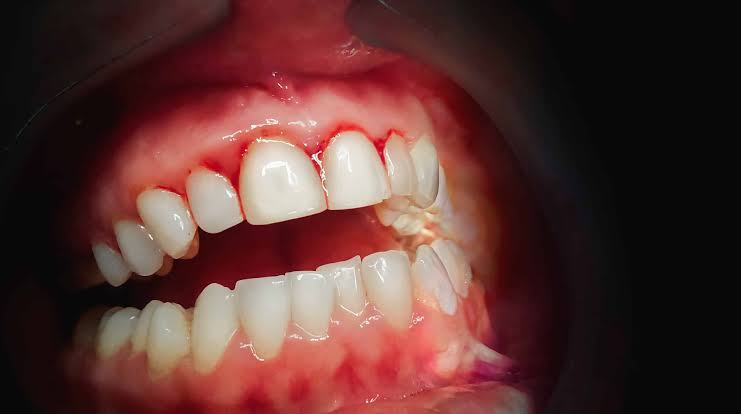
Younger people generally heal from mild gum irritation faster than older adults, thanks to more efficient tissue repair and circulation.
This does not mean older adults cannot recover fully. It simply means consistency with oral hygiene and professional care becomes even more important with age.
Regardless of age, most cases of gingivitis-related bleeding respond well to consistent care within a few weeks.
Tracking Your Symptoms Before a Dental Visit
Keeping a simple log of when bleeding occurs, how severe it is, and any related symptoms can help your dentist diagnose the cause more efficiently.
Note whether bleeding happens during brushing, flossing, eating, or spontaneously, along with any recent changes in medication, diet, or stress levels.
Bringing this information to your appointment can save time and help your dentist create a more targeted treatment plan from the start.
When Bleeding Gums Signal an Emergency
While most bleeding gum cases are not emergencies, certain situations warrant prompt or same-day dental attention rather than waiting for a routine appointment.
Heavy, uncontrolled bleeding that does not stop with gentle pressure, especially after an injury or dental procedure, should be evaluated right away.
Severe pain, visible pus, facial swelling, or fever alongside bleeding gums can indicate a dental infection that needs urgent treatment.
When to See a Dentist
Schedule a dental visit if bleeding happens regularly, worsens over time, or does not improve after two weeks of gentler brushing and flossing.
See a dentist promptly if you notice gum recession, loose teeth, persistent bad breath, or visible swelling and redness that does not subside.
Consult a physician alongside your dentist if bleeding gums are accompanied by easy bruising, frequent nosebleeds, or unexplained fatigue, since these may point to a broader health issue.
Frequently Asked Questions (FAQs)
1. Why do my gums bleed only when I floss?
This is often caused by inconsistent flossing or a slightly aggressive technique. Gentle, regular flossing usually improves this within one to two weeks.
2. Can stress cause bleeding gums?
Yes, chronic stress can weaken immune function and increase gum inflammation. Managing stress alongside good oral hygiene can help.
3. Is it normal for gums to bleed a little every day?
No, daily bleeding usually signals gingivitis or another underlying issue. A dental checkup is recommended if this continues.
4. Can vitamin deficiencies really cause bleeding gums?
Yes, low vitamin C or vitamin K levels can weaken gum tissue and clotting ability, making bleeding more likely.
5. Do blood thinners always cause bleeding gums?
Not always, but they can increase bleeding tendency, especially with minor gum irritation. Mention any medications to your dentist.
6. Can pregnancy cause bleeding gums?
Yes, hormonal changes during pregnancy commonly increase gum sensitivity and bleeding. This is often temporary and improves after delivery.
7. How long does it take for bleeding gums to heal?
Mild gingivitis-related bleeding often improves within one to two weeks of consistent, gentle brushing and flossing.
8. Can bleeding gums be a sign of a serious illness?
In rare cases, yes. Conditions like leukemia or blood disorders can cause bleeding gums, especially alongside bruising or fatigue.
9. Should I stop flossing if my gums bleed?
No, continuing gentle, consistent flossing usually helps resolve the bleeding faster than stopping altogether.
10. When should I worry about bleeding gums?
Worry if bleeding is frequent, worsens, or comes with swelling, loose teeth, or symptoms like easy bruising elsewhere on the body.
Conclusion
Bleeding gums are common, and in most cases, they point to gingivitis caused by plaque buildup along the gumline. Brushing technique, hormonal changes, medications, and nutritional gaps can also play a role.
While occasional bleeding is often manageable with better brushing and flossing habits, persistent or worsening bleeding deserves professional attention, since it can signal advancing gum disease or an underlying health condition.
Simple daily habits like gentle brushing, regular flossing, a balanced diet, and routine dental checkups go a long way toward keeping your gums healthy and bleeding-free.
If your gums continue to bleed despite improved care, do not wait to see a dentist. Early treatment protects both your smile and your long-term oral health.
