

Why do my toenails smell is a question a lot of people quietly search after noticing an unpleasant odor while removing their socks or shoes.
In most cases, the smell comes from fungi, bacteria, or trapped debris beneath the nail plate, often linked to sweat, tight footwear, or an early fungal infection.
While ordinary sweaty-feet odor usually washes away, a persistent smell coming from the nail itself is a different story and often points to something that needs targeted treatment.
Quick Answer: Why Your Toenails Smell
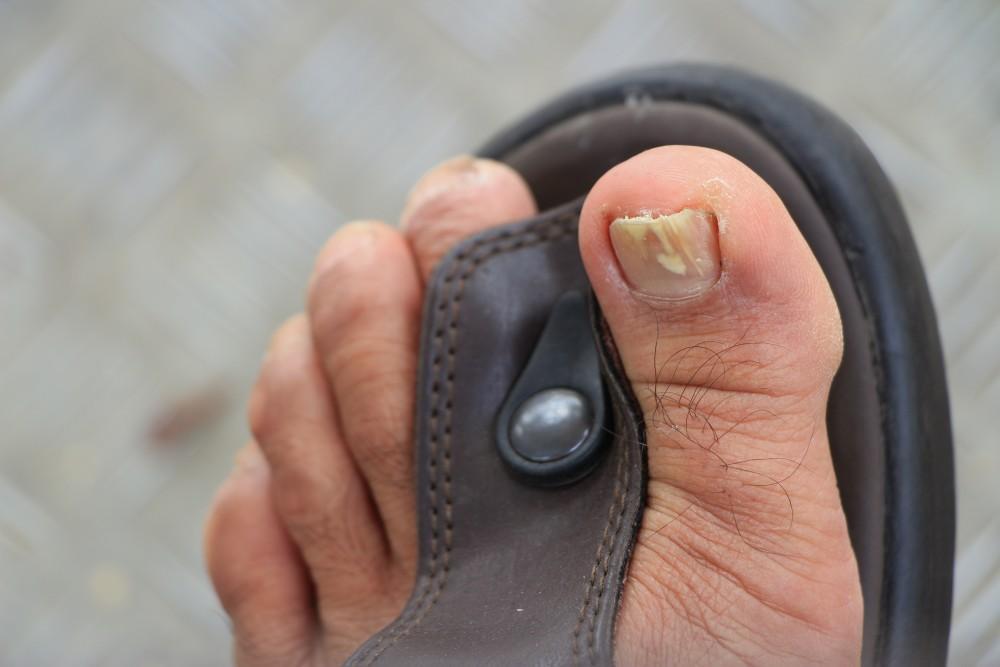
Toenail odor is usually caused by bacteria and fungi feeding on sweat and trapped debris beneath the nail.
Persistent, cheese-like, or sour odor that doesn’t wash away is a strong sign of toenail fungus, medically known as onychomycosis.
Sweaty Feet vs Smelly Toenails: What’s the Difference?
Bad-smelling feet that aren’t caused by fungus usually wash away easily with a thorough shower and clean socks.
If the smell keeps coming back even after washing, the odor is more likely coming from the nail itself rather than just sweat.
This distinction matters because sweat-related odor responds to hygiene changes, while nail-based odor usually needs targeted antifungal treatment.
Table: Sweaty Feet Odor vs Fungal Nail Odor
| Feature | Sweaty Feet Odor | Fungal Toenail Odor |
|---|---|---|
| Washes away easily | Yes | No |
| Smell description | Musty, sour | Cheese-like, foul |
| Nail appearance | Normal | Yellow, thick, brittle |
| Underlying cause | Sweat and bacteria | Fungal infection (dermatophytes) |
Toenail Fungus: The Most Common Cause
Toenail fungus, or onychomycosis, is caused by microscopic organisms called dermatophytes that thrive in warm, moist environments.
These are the same organisms responsible for athlete’s foot, which is why the two conditions often occur together and are frequently treated using similar antifungal approaches.
Once a fungal infection spreads underneath the toenail, it becomes difficult to eliminate without targeted antifungal treatment.
What Fungal Toenail Odor Actually Smells Like
Fungal infections typically produce a distinct sour or cheese-like odor as the organisms feed on keratin in the nail.
This smell tends to get stronger over time if the infection isn’t treated, especially inside closed shoes.
Unlike ordinary foot odor, this smell persists even after thorough washing because the fungus lives beneath the nail plate itself.
How Bacteria Contribute to Toenail Odor
Bacteria naturally living on skin and feet can multiply rapidly in warm, sweaty, enclosed shoe environments.
As bacteria break down sweat and dead skin cells, they release compounds responsible for the classic “sweaty foot” smell.
While bacterial odor is generally milder than fungal odor, a combination of both bacteria and fungus can make the smell significantly worse.
Debris and Buildup Trapped Under the Nail
Dirt, dead skin, and sock lint can accumulate beneath the toenail, especially in nails that are thick or overgrown.
This trapped debris creates an ideal breeding ground for bacteria and fungi, intensifying any existing odor.
Regular trimming and cleaning helps prevent this kind of buildup from becoming a long-term odor source.
Table: Common Root Causes of Smelly Toenails
| Cause | Description | Odor Type |
|---|---|---|
| Fungal infection | Dermatophytes growing under the nail | Sour, cheese-like |
| Bacterial overgrowth | Bacteria breaking down sweat | Musty, sweaty |
| Trapped debris | Dirt and dead skin under the nail | Mild, earthy |
| Poor footwear ventilation | Moisture trapped inside shoes | Damp, stale |
| Poor hygiene habits | Infrequent washing or sock changes | Strong, persistent |
Risk Factors That Make Toenail Odor More Likely
Wearing tight, closed shoes for long periods traps heat and moisture, creating the perfect environment for fungus and bacteria.
Frequent exposure to damp public areas like pools, gyms, and locker rooms significantly increases the risk of fungal infection.
Having diabetes, poor circulation, or a weakened immune system also raises the likelihood of developing toenail fungus.
Why the Big Toe Is Usually Affected First
The big toe is the most commonly affected nail when it comes to fungal infections and related odor.
Infections typically begin at the side or tip of the nail and gradually spread toward the cuticle over time.
Because the big toenail experiences the most pressure and friction inside shoes, it’s especially prone to small injuries that let fungus in.
How to Tell If It’s Really Fungus
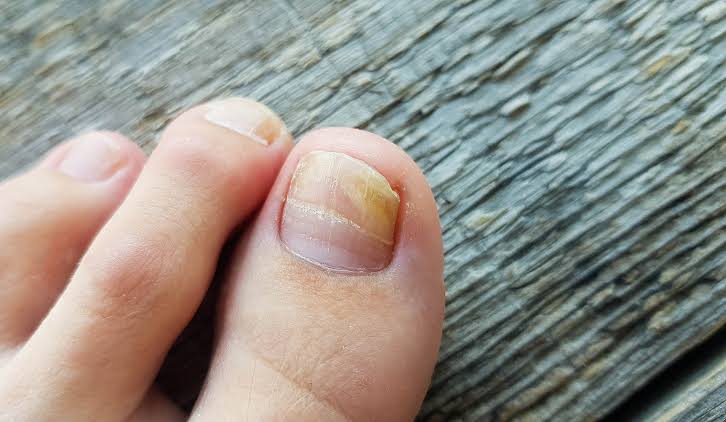
White or yellow discoloration, thickening, and brittleness of the nail are classic signs pointing toward a fungal infection.
If washing your feet thoroughly doesn’t reduce the smell within a day or two, fungus is the more likely explanation.
A podiatrist can confirm a fungal infection by taking a small nail clipping and sending it for laboratory testing.
Table: Signs That Point to Fungal Infection
| Sign | What It Suggests |
|---|---|
| Yellow or white discoloration | Likely fungal infection |
| Thickened, brittle nail | Advanced fungal growth |
| Nail lifting from the nail bed | Infection spreading beneath the nail |
| Smell persists after washing | Fungus living under the nail plate |
| Crumbly or cheese-like debris | Active fungal buildup |
Other Medical Conditions That Can Affect Nail Odor
People with diabetes are more prone to fungal infections due to reduced circulation and a weakened ability to fight off microbes.
Circulation problems can also slow healing of small nail injuries, giving fungi and bacteria more opportunity to take hold.
A weakened immune system, whether from illness or certain medications, makes it harder for the body to naturally control fungal growth.
Over-the-Counter Treatment Options
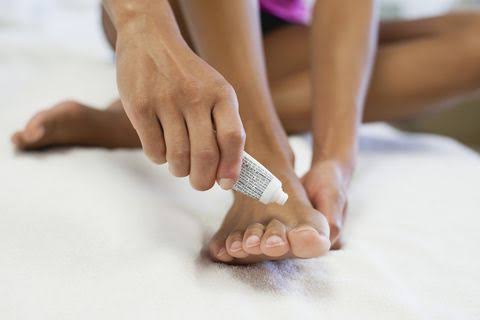
Antifungal creams, ointments, and medicated nail lacquers are available without a prescription for mild toenail fungus cases.
These topical treatments work by penetrating the nail surface to reduce fungal activity, though they often take several months to show results.
Over-the-counter treatments tend to work best on early-stage infections rather than nails that are already significantly thickened or discolored.
Prescription and Medical Treatment Options
Oral antifungal medications prescribed by a doctor are generally more effective than topical treatments for stubborn infections.
These medications carry a risk of side effects, including potential liver strain, so regular monitoring by a doctor is usually recommended.
Laser treatments are a newer option that use targeted heat to kill fungal organisms without relying on antifungal chemicals.
Table: Toenail Fungus Treatment Options Compared
| Treatment | How It Works | Typical Timeline |
|---|---|---|
| Topical antifungal cream | Applied directly to nail surface | Several months |
| Medicated nail lacquer | Penetrates nail over time | Months, often 6-12 |
| Oral antifungal medication | Treats infection from within | Weeks to a few months |
| Laser treatment | Heat targets fungal organisms | Often a single session |
Why At-Home Remedies Alone Rarely Work
Simply washing your feet won’t fully clean out fungus living deep within the nail bed.
Home remedies like vinegar soaks may temporarily reduce mild odor but usually can’t eliminate an established fungal infection.
Using harsh substances like bleach on the nail is not recommended and can cause skin irritation or injury without curing the fungus.
When to See a Podiatrist
Persistent odor that doesn’t improve with better hygiene after a week or two is a good reason to schedule a podiatry visit.
Nail discoloration, thickening, pain, or the nail separating from the nail bed are all signs that warrant professional evaluation.
People with diabetes or circulation issues should see a podiatrist promptly at the first sign of nail changes or odor.
Table: When to See a Doctor vs Manage at Home
| Situation | Recommended Action |
|---|---|
| Mild odor, normal-looking nail | Improve hygiene, monitor for a few days |
| Odor persists after washing | Consider antifungal treatment |
| Yellow, thick, or brittle nail | See a podiatrist for diagnosis |
| Pain, swelling, or nail lifting | Schedule a prompt medical evaluation |
| Diabetes or poor circulation present | See a podiatrist at first sign of changes |
Daily Hygiene Habits That Reduce Odor
Washing feet daily with soap and water, then drying thoroughly between the toes, helps prevent bacterial and fungal buildup.
Keeping nails trimmed straight across and filed smooth reduces the chance of trapped debris and injury-related infections.
Sanitizing nail clippers regularly and avoiding sharing nail tools helps prevent spreading fungus between nails or between people.
Footwear Choices That Help Prevent Smelly Toenails
Wearing moisture-wicking socks helps keep feet dry throughout the day, reducing the damp conditions fungus needs to thrive.
Changing socks at least once daily, more often if they become damp, limits how long feet stay in a moist environment.
Rotating between multiple pairs of shoes allows each pair to fully dry out between wears, reducing fungal buildup inside them.
Table: Footwear and Hygiene Prevention Checklist
| Habit | Why It Helps |
|---|---|
| Moisture-wicking socks | Keeps feet dry, reduces fungal growth conditions |
| Daily sock changes | Limits prolonged moisture exposure |
| Rotate shoes | Allows full drying between wears |
| Antifungal sprays/powders | Reduces fungal spores inside shoes |
| Trim nails straight across | Prevents debris buildup and injury |
Using Antifungal Sprays and Powders
Antifungal sprays and powders applied inside shoes help reduce fungal spores that can reinfect nails after treatment.
This step is especially useful for people who sweat heavily or wear closed shoes for extended periods each day.
Combining shoe treatment with proper foot hygiene gives the best chance of preventing recurring toenail odor.
Public Spaces That Increase Fungal Exposure Risk
Public pools, locker rooms, and gym showers are common places where fungal spores can spread between people.
Wearing sandals or shower shoes in these environments significantly reduces the risk of picking up a fungal infection.
Avoiding walking barefoot in shared damp spaces is one of the simplest, most effective ways to lower long-term infection risk for both you and those around you.
How Long Toenail Fungus Treatment Really Takes
Treating toenail fungus can take anywhere from several months to over a year, since nails grow slowly.
Consistency with topical or oral treatment throughout the entire regrowth period is essential for successfully clearing the infection.
Stopping treatment early, even if the nail looks better, often allows the fungus to return before it’s fully eliminated.
Preventing Toenail Fungus From Coming Back
Continuing good foot hygiene habits after treatment finishes helps prevent the infection from returning in the same or other nails.
Treating shoes with antifungal spray even after the infection clears reduces the risk of reinfection from lingering spores.
Regularly checking nails for early signs of discoloration allows for faster treatment if fungus does return.
The Science Behind Fungal Nail Infections
Dermatophytes, the fungi responsible for most toenail infections, feed on keratin, the protein that makes up nail tissue.
As these organisms break down keratin, they release byproducts that create the distinct foul smell associated with fungal nails.
Because keratin is abundant in nails, fungus can continue growing steadily once it establishes itself beneath the nail plate, often spreading gradually toward the cuticle if left unaddressed for long periods.
Genetic and Age-Related Factors in Toenail Fungus
Some people appear to have a genetic predisposition that makes them more susceptible to fungal nail infections than others.
Older adults are more prone to toenail fungus due to slower nail growth, reduced circulation, and years of cumulative shoe exposure.
Nails naturally become thicker and more brittle with age, creating more surface area and cracks where fungus can take hold.
The Connection Between Nail Injuries and Fungal Infections
A stubbed toe, ingrown nail, or repeated pressure from tight shoes can create tiny openings that allow fungus to enter the nail bed.
Even minor, unnoticed injuries can serve as an entry point for fungal spores over time.
Protecting toenails from repeated trauma, especially during sports or physical activity, can reduce the risk of developing an infection.
How Nail Polish Can Sometimes Make Odor Worse
Wearing nail polish for extended periods without breaks can trap moisture underneath, creating a favorable environment for fungal growth.
This is especially true for polish applied over nails that aren’t completely dry or clean beforehand.
Giving nails regular polish-free breaks allows them to breathe and reduces the risk of trapped moisture contributing to odor.
Diet and Its Possible Role in Nail Health
While diet alone doesn’t directly cause fungal infections, poor nutrition can weaken the immune system’s ability to fight off fungal growth.
Adequate intake of protein, biotin, and zinc supports healthy nail structure, which may offer some natural resistance to fungal invasion.
A balanced diet works best as a supportive measure alongside proper hygiene and medical treatment, not as a standalone cure.
Table: Lifestyle Factors That Influence Toenail Fungus Risk
| Factor | Effect on Risk |
|---|---|
| Wearing tight, closed shoes often | Increases risk |
| Walking barefoot in public showers | Increases risk |
| Diabetes or poor circulation | Increases risk |
| Regular foot hygiene | Decreases risk |
| Moisture-wicking socks | Decreases risk |
| Rotating and drying shoes | Decreases risk |
Children and Toenail Odor: Is It Different?
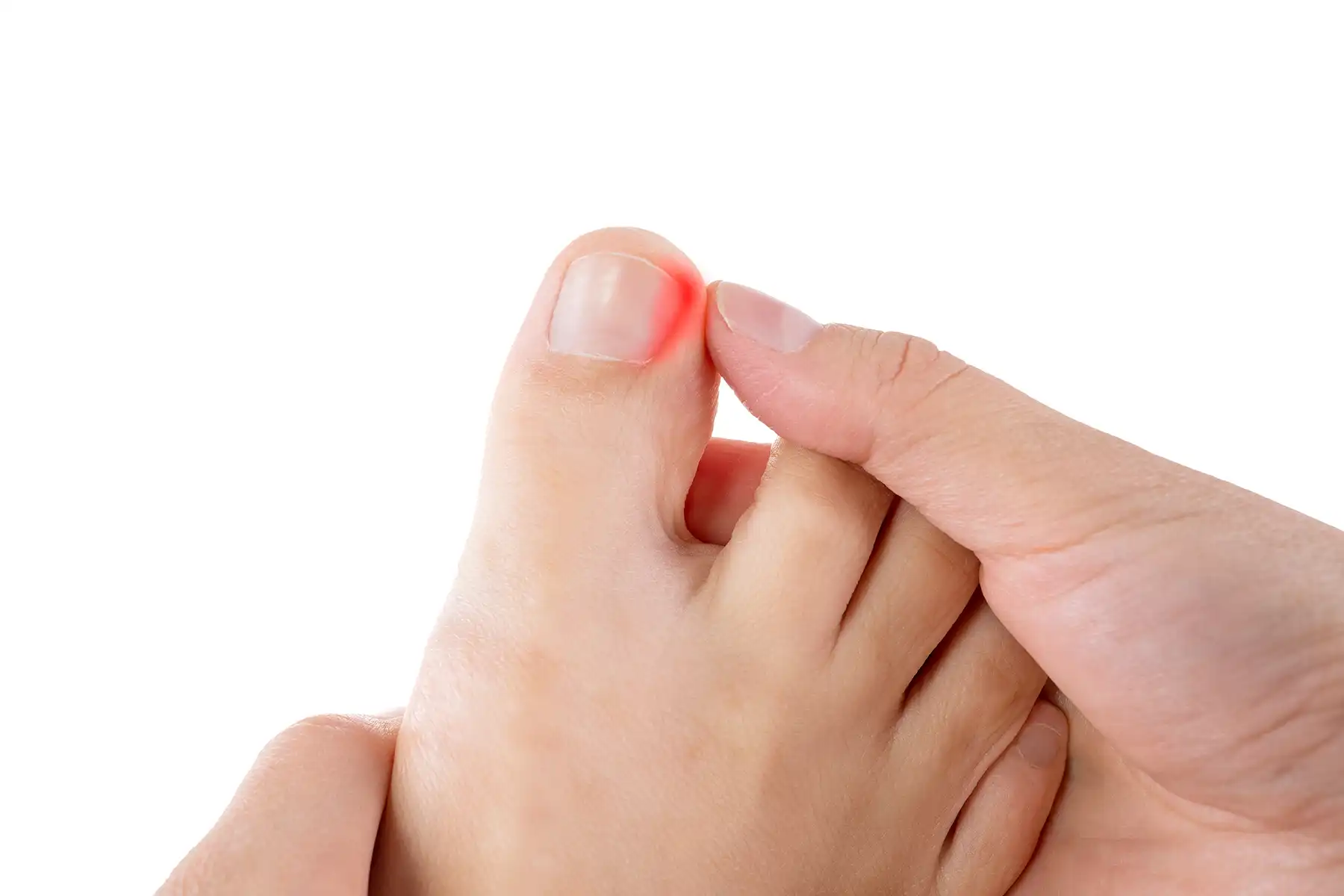
Children can develop fungal toenail infections too, often from shared spaces like school locker rooms or swimming pools.
Because children’s nails grow faster than adults’, treatment often resolves more quickly with consistent care.
Parents should still consult a pediatrician or podiatrist before starting antifungal treatment on a child’s nails.
Toenail Odor After Pedicures
Sharing nail tools at nail salons that aren’t properly sanitized can introduce fungal spores and lead to infection later on.
Choosing salons that sterilize their tools between clients, or bringing your own tools, significantly reduces this risk.
If odor develops shortly after a pedicure, it’s worth mentioning this timeline to your podiatrist during evaluation.
Managing Toenail Odor Long-Term
Long-term management combines consistent hygiene, breathable footwear, and prompt attention to any early signs of nail changes.
Treating both the nail and the shoes together prevents the frustrating cycle of reinfection that many people experience.
Patience is essential, since fungal treatment timelines are measured in months rather than days or weeks, and stopping too early is one of the most common reasons treatment fails.
The Emotional Impact of Living With Smelly Toenails
Dealing with persistent toenail odor can cause real embarrassment, especially in social situations involving open shoes or shared spaces like pools, gyms, or beaches.
Many people delay seeking treatment out of embarrassment, which unfortunately allows the underlying fungal infection more time to spread to nearby nails.
Remembering that toenail fungus is extremely common, and highly treatable, can make it easier to seek help sooner rather than later.
Combining Treatments for Faster Results
Some podiatrists recommend combining topical antifungal treatment with oral medication for particularly stubborn or advanced infections.
Using antifungal shoe sprays alongside nail treatment helps prevent the reinfection cycle that often frustrates people using nail treatment alone.
Regular follow-up appointments allow your podiatrist to track progress and adjust the treatment plan if the infection isn’t responding well.
What to Expect During a Podiatry Visit for Nail Odor
A podiatrist will typically examine the nail visually and may take a small clipping to test for fungal presence in a lab, which usually takes about one to two weeks to return results.
They’ll also ask about your footwear habits, medical history, and how long the odor has been present.
Based on the findings, they’ll recommend a treatment plan tailored to the severity of the infection and your overall health, often starting with the least invasive option first before escalating if needed.
Fun Facts and Helpful Notes About Toenail Odor
Toenail fungus and the bacteria responsible for foot odor often thrive in the exact same warm, moist conditions.
Because fungus lives deep within the nail structure, cleaning the surface alone is rarely enough to fully eliminate the smell.
Interestingly, toenail fungus is one of the most common nail conditions worldwide, yet it remains one of the most under-treated because many people mistake it for simple foot odor in the early stages.
Frequently Asked Questions (FAQs)
1. Why do my toenails smell so bad?
Toenail odor is usually caused by fungus or bacteria feeding on sweat and trapped debris beneath the nail.
2. How do I know if it’s fungus or just sweat?
If the smell doesn’t wash away with thorough cleaning, it’s likely fungal rather than simple sweat-related odor.
3. What does fungal toenail odor smell like?
It’s often described as sour or similar to cheese, and it tends to worsen over time if untreated.
4. Can smelly toenails be cured at home?
Mild cases may improve with hygiene changes, but established fungal infections usually need antifungal treatment to fully clear.
5. How long does toenail fungus treatment take?
Treatment can take several months to over a year, since nails grow slowly and need time to regrow healthy tissue.
6. Is toenail fungus contagious?
Yes, it can spread through contact with infected surfaces like pool decks, locker rooms, and shared nail tools.
7. Can diabetes make toenail odor worse?
Yes, diabetes and poor circulation increase the risk of fungal infections and can slow healing significantly.
8. Do antifungal creams really work?
They can work for mild, early-stage infections, but often take several months and may not fully treat advanced cases.
9. When should I see a podiatrist for smelly toenails?
See a podiatrist if the smell persists after washing, or if you notice discoloration, thickening, or nail changes.
10. How can I prevent smelly toenails in the future?
Keep feet dry, wear moisture-wicking socks, rotate shoes, and treat footwear with antifungal spray regularly.
Conclusion
So, why do your toenails smell? In most cases, the odor comes from fungus or bacteria feeding on sweat and debris trapped beneath the nail, especially in warm, damp shoe environments.
Simple sweaty-feet odor usually washes away with good hygiene, but a persistent, sour, or cheese-like smell almost always points to a fungal infection that needs targeted treatment.
Over-the-counter antifungal products can help mild cases, while stubborn or advanced infections often respond better to prescription medication or laser treatment from a podiatrist.
Preventing future odor comes down to consistent hygiene, moisture-wicking socks, rotating shoes, and treating footwear with antifungal spray regularly. If the smell persists despite your best efforts, seeing a podiatrist in 2026 is the fastest path to a clear diagnosis and lasting relief.
