

Why are Samoans so strong? This question has fascinated scientists, sports analysts, and historians for decades.
Samoans are consistently ranked among the most physically powerful people on earth, dramatically overrepresented in the NFL, rugby, WWE, and combat sports.
Their extraordinary strength is not an accident or a myth.
It is the product of 3,500 years of genetic evolution, a culture built around physical service, and a traditional diet perfectly designed to fuel hard labor.
The Scale of Samoan Strength in Sports
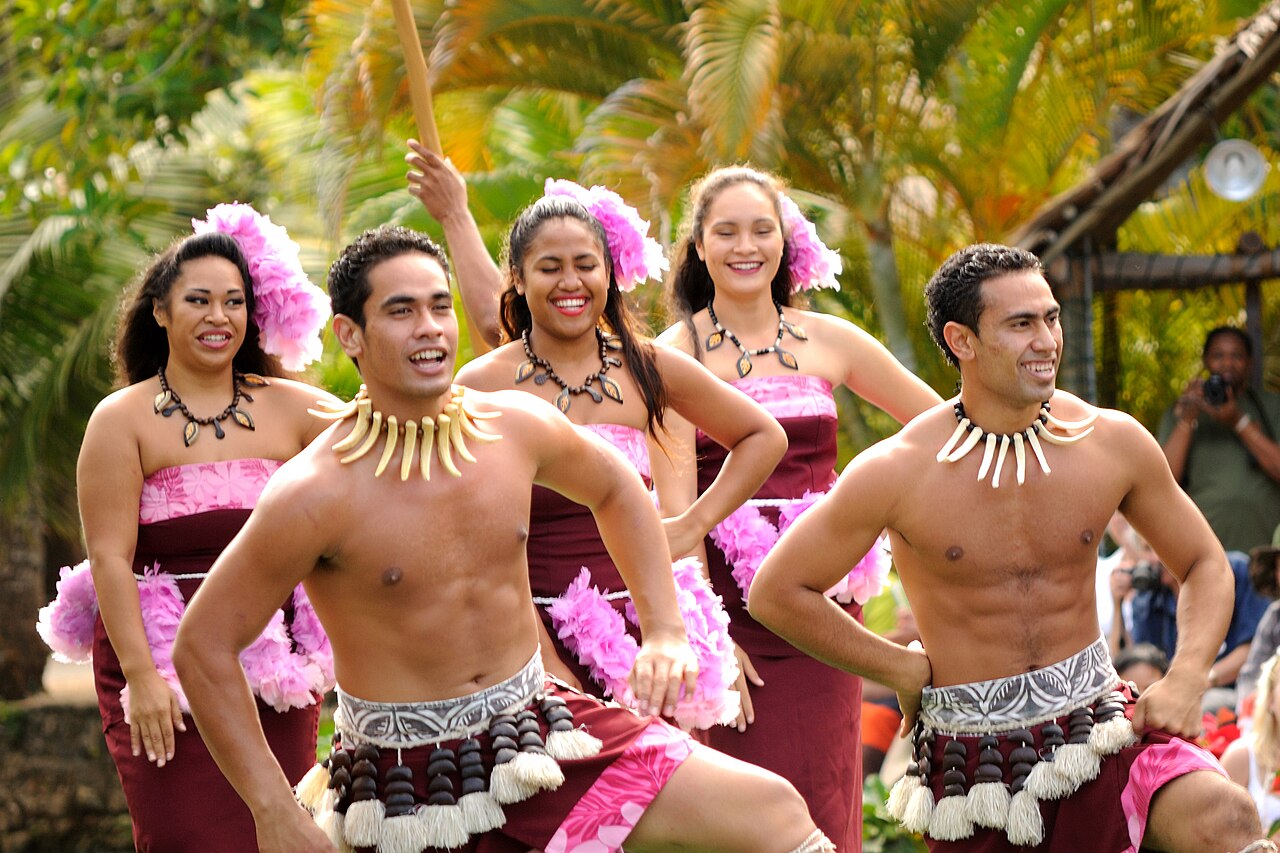
The numbers alone tell a remarkable story.
Samoans and Samoan Americans are estimated to be up to 56 times more likely to play in the National Football League than non-Samoan Americans.
Pacific Islander athletes dominate professional rugby at the highest levels, with Samoa, Tonga, and Fiji producing elite players far out of proportion to their populations.
| Sport | Samoan Representation |
|---|---|
| NFL (American Football) | ~56x more likely than average American |
| Professional Rugby (International) | Dramatically overrepresented |
| WWE / Pro Wrestling | Decades of Samoan family dynasties |
| Combat Sports (MMA, Boxing) | Consistent elite presence |
| Olympic Weightlifting | Growing Pacific Islander presence |
Names like Dwayne “The Rock” Johnson, Roman Reigns, Troy Polamalu, and Junior Fa are all linked to Samoan heritage. These athletes did not simply train harder than everyone else. They started with a biological and cultural foundation that few populations on earth share.
The Genetic Blueprint: What Makes Samoan Bodies Different
The CREBRF Gene Variant
The single most important genetic discovery related to Samoan physiology is the CREBRF gene variant.
A landmark 2016 study published in Nature Genetics, involving the genomes of over 5,000 Samoans from Brown University, identified this variant in approximately 26% of the Samoan population.
This gene causes cells to store more fat and release less energy, essentially running the body like a highly efficient fuel-conserving engine.
During 3,500 years of long Pacific Ocean voyages, this was a life-saving adaptation. Carriers could survive longer on scarce food supplies while maintaining the muscle mass needed for intense ocean labor.
The CREBRF variant is virtually absent in African and European populations and appears at very low frequencies in East Asian populations. Its high frequency in Samoans is a direct genetic signature of Pacific voyaging pressures.
Myostatin and Natural Muscle Growth
Myostatin is a protein in the human body that limits how much muscle can grow.
Lower myostatin expression means the body places fewer brakes on muscle development, allowing greater natural muscle mass even without structured training.
Research indicates that Polynesian populations, including Samoans, tend to have genetic baselines that support lower myostatin expression compared to many other populations.
This is a significant factor. It means Samoan individuals can build and maintain muscle mass more efficiently than populations with higher myostatin activity.
Higher Bone Density
Documented studies on Polynesian physiology show higher average bone density compared to European population baselines.
Denser bones create larger and stronger muscle attachment points. This directly supports the large-framed, broad-shouldered physical appearance that Samoan athletes are known for.
Higher bone density also means the conventional BMI scale misrepresents Samoan body composition. A significant portion of higher body mass in Samoans is lean muscle and bone rather than fat tissue.
Summary of Key Genetic Advantages
| Genetic Factor | Effect on Strength |
|---|---|
| CREBRF gene variant | Efficient energy storage and fuel conservation |
| Lower myostatin expression | Greater natural muscle growth |
| Higher bone density | Larger muscle attachment, stronger frame |
| Large body frame genetics | Natural physical size advantage |
3,500 Years of Evolutionary Selection
The Pacific Voyaging Bottleneck
The ancestors of the Samoan people began settling the Polynesian island groups approximately 3,500 years ago. This was one of the most extraordinary feats of human migration in history.
They navigated thousands of miles of open ocean on wooden vessels, relying on stars, currents, and wind patterns with no modern instruments.
These voyages could last weeks or months. Food and fresh water were severely limited. Only the physically strongest and metabolically most efficient individuals survived.
Those who made it to land and went on to reproduce passed their traits forward. Over thousands of years and dozens of generations, this created a population with a genuine genetic tendency toward physical resilience, efficient energy use, and large body frames.
Warfare and Physical Selection
Samoan historical culture was intensely warrior-based.
Warfare between villages and island groups was common, and physical combat skill was directly tied to survival, status, and reproductive success.
The biggest, strongest, toughest warriors survived battles and were respected as leaders. They attracted partners and produced more offspring, gradually shifting the genetic average of the population toward greater physical capacity.
This is the same principle that produced the Spartan warrior physique through centuries of selective pressure, applied over a much longer timeframe in the Pacific.
Fa’a Samoa: The Culture That Built Physical Giants
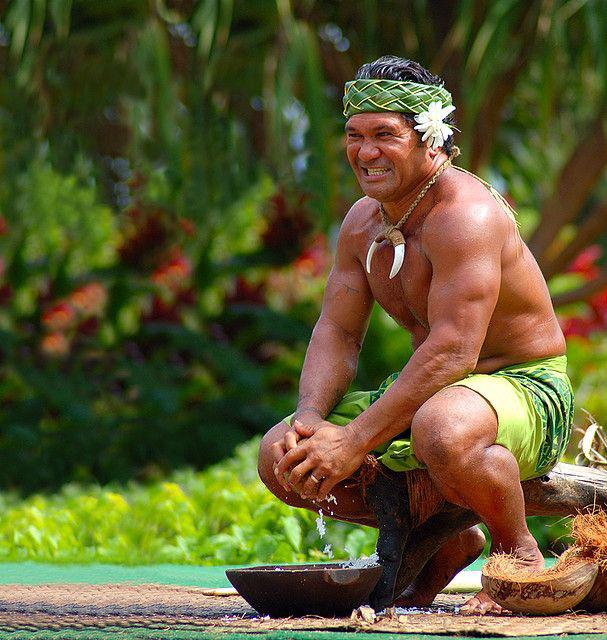
What Is Fa’a Samoa?
Fa’a Samoa means “the Samoan Way.” It is the complete system of values, customs, and social obligations that governs Samoan life.
At the core of Fa’a Samoa is the concept of tautua, which means service. Every member of the extended family (aiga) and village is expected to contribute physical service to the community. This is not optional. It is the primary expression of one’s place and worth in Samoan society.
Tautua as Daily Physical Training
In traditional Samoan life, tautua meant intense physical labor every single day.
Fishing required hours of rowing outrigger canoes and hauling heavy nets against ocean currents. Agriculture meant clearing dense tropical vegetation, planting, and harvesting taro and yam by hand in hot conditions. Building and maintaining the traditional open-sided fale (house) required moving and shaping heavy timber. Preparing a community feast in an umu (earth oven) involved coordinating sustained physical effort across an entire village.
Samoan people did not train to be strong. They were strong because their culture made physical work inseparable from belonging, respect, and family duty.
Children grew up surrounded by this labor and were expected to contribute from an early age. Physical capacity was built organically through a lifetime of real work.
The Matai System and Physical Status
In Samoan culture, the path to becoming a Matai (chief or family leader) required demonstrating years of dedicated physical service to the family and village.
Physical strength was not just admired. It was a prerequisite for social status and leadership.
This created a cultural reinforcement loop. Strong individuals earned status. Status attracted partners. Children inherited both the genetics and the cultural framework that produced strength.
The Tatau and Mental Resilience
The Samoan tatau (traditional tattoo) is one of the most physically demanding cultural rituals in the world.
A full Samoan pe’a tattoo, covering the body from waist to knee, is applied by hand over a period of days using bone combs. The pain is severe and sustained. Completing it without surrender is a marker of mental and physical toughness.
This ritual reinforces that Samoan strength is not only physical. It is a mental and spiritual commitment expressed through the body.
The Traditional Samoan Diet: Food That Built Strength
Core Traditional Foods
The traditional Samoan diet was built entirely around whole, nutrient-dense foods that supported an extremely active daily lifestyle.
| Food | Nutritional Role |
|---|---|
| Taro (talo) | Complex carbohydrates, fibre, potassium, magnesium |
| Breadfruit (ulu) | Complex carbs, vitamins, sustained energy |
| Fresh ocean fish | Complete protein, omega-3 fatty acids |
| Coconut | Healthy fats, medium-chain triglycerides |
| Taro leaves (palusami) | Micronutrients, iron, calcium |
| Shellfish and seafood | Lean protein, zinc, iodine |
This diet provided the right macronutrient balance for sustained physical work. Complex carbohydrates from taro and breadfruit fueled long hours of labor without blood sugar spikes. Fresh fish provided complete protein for muscle repair and growth. Coconut supplied healthy fats for energy and hormonal health.
Why This Diet Worked With Samoan Genetics
The traditional diet complemented Samoan genetics rather than conflicting with them.
The CREBRF gene promotes efficient energy storage. When that storage mechanism was paired with whole foods and daily hard physical labor, the result was sustained muscle maintenance and physical capacity.
The problem only emerged when the diet shifted. Beginning in the mid-20th century, cheap imported foods including white rice, tinned corned beef, and high-sugar soft drinks displaced traditional staples. The same genes that promoted energy efficiency during Pacific voyaging now promote fat accumulation in a modern processed-food environment.
The Umu: Cooking as Physical Work
Even food preparation was a form of physical conditioning in traditional Samoan culture.
Preparing an umu (earth oven) feast requires hauling volcanic rocks, chopping wood, lifting heavy layers of wrapped food, and coordinating communal effort across hours of sustained work.
The physical demands of food preparation alone contributed to the development of powerful back, shoulder, and core muscles.
Samoans in Professional Sports: The Cultural Dimension
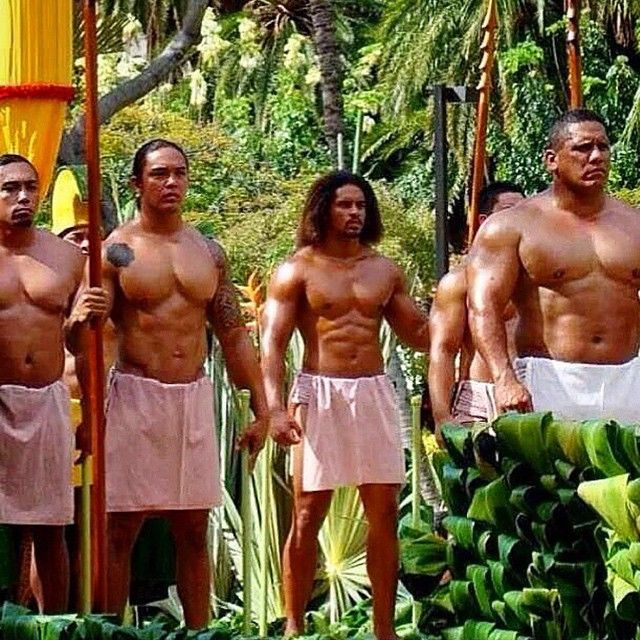
Why Sport Is a Natural Fit
When Samoan genetics meet the cultural drive of tautua, focused into a competitive athletic context, the results are exceptional.
Sport in Samoan communities is not just recreation. It is a continuation of the warrior tradition and the service ethic. An athlete’s victory belongs to the entire aiga. The family invests deeply in the athlete’s success, and the athlete carries the identity and pride of the entire community onto the field.
This creates a psychological resilience and motivational depth that pure physical talent cannot replicate.
Famous Samoan Athletes Across Sports
NFL (American Football) Troy Polamalu, Junior Fa, Vita Vea, and dozens of current players carry Samoan heritage into the highest level of American football.
Professional Wrestling The Anoa’i family dynasty in WWE spans decades, including Roman Reigns, Sika, Afa, and The Usos. Dwayne “The Rock” Johnson’s Samoan heritage is a foundational part of his public identity.
Rugby Union and League Samoa, Tonga, and Fiji consistently produce world-class players for their national teams and top club competitions worldwide.
MMA and Combat Sports Fighters including Junior Tafa and multiple UFC competitors carry Samoan genetics and cultural identity into combat sports at the elite level.
Modern Challenges: Genetics in a Changed Environment
The Obesity Paradox
Samoans face some of the highest rates of obesity-related illness in the world. This seems contradictory to the story of exceptional physical strength.
It is not a contradiction. It is the same biology in a different environment.
The CREBRF gene variant that promoted survival during ocean voyages now promotes fat storage when the diet consists of processed, calorie-dense imported food rather than taro and fresh fish.
The genetic traits that built physical giants are neutral tools. In the right environment, they produce extraordinary athletes. In the wrong food environment, they produce metabolic health challenges.
BMI and Misclassification
Conventional BMI cut-offs were developed using European population data.
Because Samoans have naturally higher bone density and greater lean muscle mass, standard BMI calculations significantly overestimate obesity risk in Samoan populations.
Many Samoan individuals classified as overweight or obese by BMI standards are in fact carrying high levels of lean muscle and bone mass, not excess fat tissue.
How Samoan Strength Compares to Other Populations
| Population | Known Physical Trait | Primary Driver |
|---|---|---|
| Samoans | Extreme muscle mass and frame size | CREBRF gene, myostatin, tautua culture |
| West Africans | Fast-twitch muscle fiber density | Genetic and training adaptation |
| Kenyans | Elite endurance capacity | Altitude adaptation, skeletal efficiency |
| Mongolians | Wrestling strength and endurance | Historical steppe warrior culture |
| Inuit | Cold-weather endurance and grip | Arctic survival adaptation |
Each population’s physical profile reflects its specific evolutionary history. Samoan strength is the product of Pacific ocean survival pressures, island warfare selection, and a culture that embedded physical service into daily identity.
Key Takeaways: Why Are Samoans So Strong?
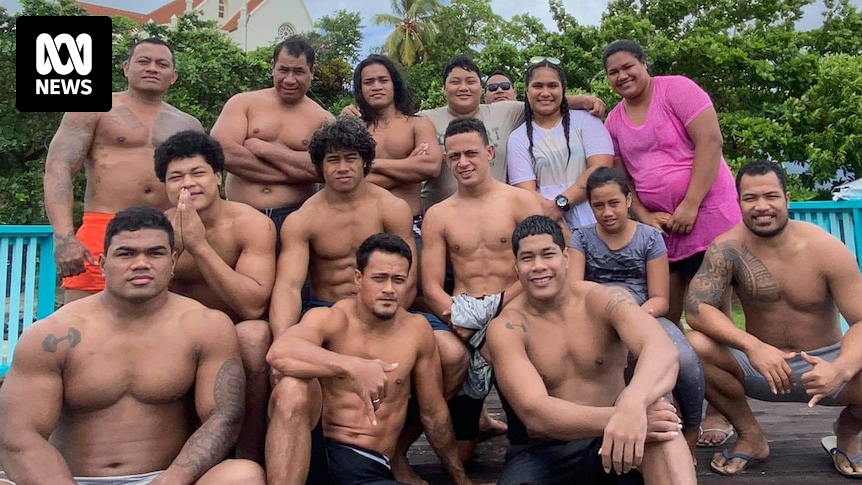
The answer is never just one thing.
Samoan strength comes from genetics shaped by 3,500 years of Pacific voyaging and island survival, including the CREBRF gene variant, lower myostatin expression, and higher bone density.
It comes from culture, specifically the Fa’a Samoa value system and the practice of tautua, which made daily physical labor inseparable from identity, respect, and belonging.
It comes from a traditional diet built around taro, fresh fish, breadfruit, and coconut, providing the right fuel for sustained physical work without caloric excess.
And it comes from a mental framework forged through the warrior tradition, the tatau ritual, and a community structure where the athlete’s performance is the entire family’s achievement.
None of these factors works in isolation. Remove any one of them and the picture is incomplete.
Frequently Asked Questions (FAQs)
What gene makes Samoans so strong?
The CREBRF gene variant, found in about 26% of Samoans, promotes efficient energy storage and muscle maintenance. Combined with lower myostatin expression, it creates a strong foundation for natural muscle development.
Are Samoans the strongest people in the world?
Samoans are consistently among the most physically powerful ethnic groups globally, particularly in contact and strength sports, but “strongest in the world” is a generalization. They are dramatically overrepresented in elite sports relative to their population size.
Why are Samoans overrepresented in the NFL?
Samoans are estimated to be up to 56 times more likely to play in the NFL than non-Samoan Americans. This reflects the combination of genetic physical traits and a cultural drive rooted in tautua and community representation.
Is Samoan strength just genetics?
No. Genetics provide the physical blueprint, but Fa’a Samoa and tautua provide the cultural engine that activates and maximizes that genetic potential throughout life. Both work together.
Why are Samoans so big and muscular?
Higher bone density, lower myostatin expression, the CREBRF gene variant, and a culture requiring daily physical labor all combine to produce a naturally large, muscular physique in many Samoan individuals.
What did traditional Samoans eat to stay strong?
The core traditional diet was taro, breadfruit, fresh ocean fish, coconut, taro leaves, and shellfish. This provided complex carbohydrates for energy, complete protein for muscle repair, and healthy fats for hormonal health.
How does Samoan culture contribute to their strength?
The concept of tautua (service) required daily physical labor in fishing, farming, construction, and food preparation. Physical capacity was built through a lifetime of real work embedded in cultural identity, not structured training.
Is Dwayne Johnson’s strength related to his Samoan heritage?
Yes. Dwayne “The Rock” Johnson has Samoan heritage through his mother’s side. His family belongs to the Anoa’i wrestling dynasty, and he has credited his cultural background as a core part of his identity and drive.
Why do Samoans dominate WWE wrestling?
The Anoa’i family represents one of the most decorated wrestling dynasties in history. Samoan physical traits and the warrior cultural tradition make professional wrestling a natural fit. Jey Uso has stated that Samoans were “just made” for the physicality of the sport.
Do all Samoans have the CREBRF gene?
No. The CREBRF variant is present in approximately 26% of the Samoan population, not all individuals. Genetic variation exists within any population, and not every Samoan carries this specific variant.
Conclusion
Why are Samoans so strong? The answer runs 3,500 years deep.
It starts with ancestors who crossed the Pacific Ocean in wooden canoes, surviving impossible conditions through physical toughness and metabolic efficiency.
It continues through generations of warriors who earned status through strength and service.
It is sustained by a culture, Fa’a Samoa, that has never separated physical capacity from identity, family, and belonging.
The CREBRF gene, lower myostatin expression, and higher bone density are real genetic inheritances. But genetics alone do not produce champions.
The cultural framework of tautua turns physical potential into extraordinary athletic achievement.
The traditional diet of taro, fresh fish, and coconut fuel the body that culture and genetics built.
Samoan strength is not a mystery. It is the visible result of one of the most remarkable evolutionary and cultural stories in human history.
And it continues today on every rugby field, NFL gridiron, and wrestling mat where Samoan athletes carry their family, their village, and their heritage into competition.
