

Why are my teeth chipping is a question dentists hear often, especially from people who notice damage without any obvious accident or injury involved. In most cases, there is a clear underlying reason behind it.
Chipped teeth are more than a cosmetic issue since exposed enamel can lead to sensitivity, pain, and even infection if left untreated for too long.
Quick Facts Table: Chipped Teeth Overview
Here is a quick summary of the most important facts about chipped teeth before we explore the full details.
| Fact | Detail |
|---|---|
| Most common causes | Bruxism, trauma, decay, acidic diet |
| Enamel regeneration | Enamel does not regrow once damaged |
| Common chip locations | Front teeth, molars, teeth with old fillings |
| Risk of ignoring a chip | Decay, infection, further fracture |
| Common treatments | Bonding, veneers, crowns, root canal |
| Prevention tools | Mouthguards, night guards, dental checkups |
| When to see a dentist | Immediately after noticing any chip |
What Does It Mean When Teeth Keep Chipping?
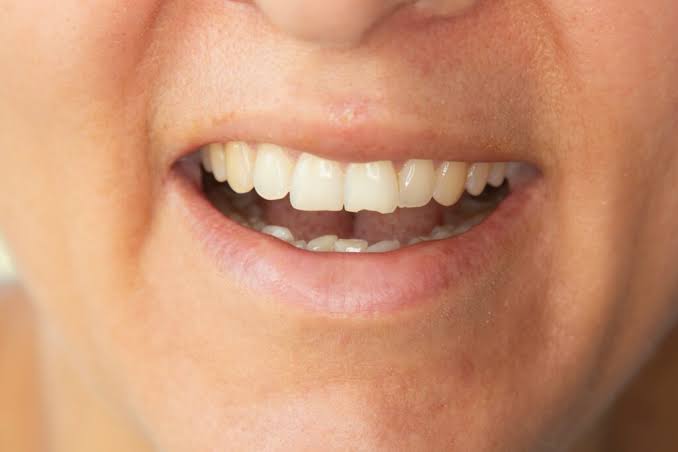
A single chipped tooth is common and often linked to an obvious event like biting something hard or a minor accident.
However, teeth that chip repeatedly without a clear cause usually signal an underlying issue weakening the enamel or overall tooth structure.
Identifying that root cause is essential, since simply fixing the chip without addressing the reason behind it often leads to repeated damage.
Why Are My Teeth Chipping: Main Causes
There are several common reasons behind chipping teeth, ranging from daily habits to underlying dental and health conditions.
1. Bruxism (Teeth Grinding and Clenching)
Bruxism, the habit of grinding or clenching teeth, often happens during sleep or in response to stress, wearing down enamel over time.
This chronic pressure weakens tooth structure gradually, making teeth far more prone to sudden chipping, even during normal daily activities.
2. Acidic and Sugary Diet
Frequent consumption of acidic foods and drinks like citrus, coffee, soda, and certain salad dressings gradually erodes protective tooth enamel.
Over time, this slow erosion creates microfractures that make teeth more vulnerable to chipping from even minor pressure.
3. Tooth Decay and Cavities
Cavities and decay weaken the internal and external structure of a tooth, often without obvious symptoms until a chip suddenly occurs.
Since decay compromises the tooth from the inside, even normal biting pressure can be enough to cause a fracture.
4. Using Teeth as Tools
Using teeth to open packages, cut thread, or crack nuts places unnecessary stress on enamel that it wasn’t designed to handle.
This habit is a frequent and preventable cause of chipped teeth, especially around the front incisors.
5. Biting Hard Foods and Objects
Ice, popcorn kernels, hard candies, and nuts are common culprits behind sudden chips, since they place intense localized pressure on teeth.
Being mindful of how you chew these foods can significantly reduce your risk of unexpected tooth damage.
6. Physical Trauma
Falls, sports injuries, and car accidents are leading causes of sudden, obvious tooth chipping that requires prompt dental attention.
Wearing a mouthguard during contact sports or high-impact activities can substantially reduce this risk.
7. Old or Failing Fillings
Large or aging fillings can weaken the surrounding tooth structure, making the area more susceptible to chipping under normal chewing pressure.
If a filling is compromising your tooth’s stability, your dentist may recommend replacing it before further damage occurs.
8. Bite Misalignment (Occlusal Issues)
When teeth do not align properly, some teeth absorb more pressure than they were designed for, increasing their risk of chipping.
Orthodontic evaluation can help identify and correct these bite issues before they cause lasting dental damage.
9. Age-Related Wear
As people age, enamel naturally wears down and becomes more brittle, making teeth more prone to chipping over time.
Regular dental checkups become increasingly important with age to catch and address weakening enamel early.
10. Mouth Piercings
Piercings on the lip, cheek, or tongue can accidentally strike teeth, increasing the risk of chips from repeated contact or impact.
Being mindful of jewelry placement and habits like clicking piercings against teeth can help reduce this risk.
11. Genetics and Naturally Weaker Enamel
Some people are simply born with weaker or thinner enamel due to genetic factors, making them more prone to chipping than others.
While this risk factor can’t be changed, extra preventive care can help protect naturally weaker teeth.
12. Certain Medications and Health Conditions
Some medications and health conditions can contribute to dry mouth or bruxism, indirectly increasing the risk of enamel damage and chipping.
If you suspect a medication might be affecting your dental health, it’s worth discussing with both your doctor and dentist.
Common vs Less Obvious Causes Comparison Table
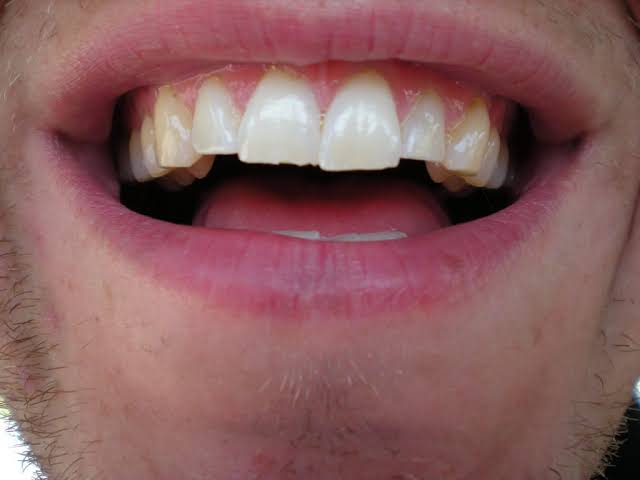
Understanding which causes are more obvious versus more easily overlooked can help you better identify your own risk factors.
| Cause Type | Examples | How Noticeable |
|---|---|---|
| Obvious causes | Trauma, biting hard objects | Immediately apparent |
| Gradual causes | Acidic diet, aging, decay | Builds up slowly, often unnoticed |
| Behavioral causes | Bruxism, using teeth as tools | May go unnoticed until damage occurs |
| Structural causes | Bite misalignment, old fillings | Requires dental evaluation to identify |
How Enamel Erosion Leads to Chipping
Tooth enamel is the hardest substance in the human body, but it is not indestructible and cannot regenerate once it’s damaged.
Constant exposure to acids from food and drinks gradually thins this protective layer, weakening the tooth’s ability to withstand normal pressure.
Once enamel becomes thin enough, even everyday activities like chewing can be enough to cause a chip or crack.
Signs Your Chipped Tooth Needs Urgent Attention
While some chips are minor, certain signs indicate the need for prompt dental evaluation rather than waiting for a routine visit.
| Warning Sign | Why It Matters |
|---|---|
| Visible pulp or bleeding | May indicate nerve exposure |
| Severe pain or sensitivity | Suggests deeper tooth damage |
| Sharp edges cutting the mouth | Risk of injury and infection |
| Large missing tooth structure | May require a crown or root canal |
| Swelling near the affected tooth | Possible sign of infection |
How Dentists Diagnose the Cause of Repeated Chipping
A dentist will typically start with a visual exam, checking for cavities, worn enamel, and signs of bite misalignment or grinding.
X-rays may be used to detect hidden decay or structural weaknesses not visible during a standard visual examination.
Your dentist will also ask about habits like teeth grinding, diet, and any recent trauma to help pinpoint the underlying cause.
Treatment Options for Chipped Teeth
Treatment depends on the size and location of the chip, ranging from simple cosmetic fixes to more involved dental procedures.
Dental Bonding
Bonding uses a tooth-colored resin to repair minor chips, blending seamlessly with your natural tooth for a quick, noninvasive fix.
This option is popular for small chips and typically requires only a single dental visit to complete.
Dental Veneers
Veneers are thin shells placed over the front of a tooth, often used for chips affecting visible front teeth for cosmetic improvement.
This option provides a durable, natural-looking solution for teeth with more noticeable or recurring damage.
Dental Crowns
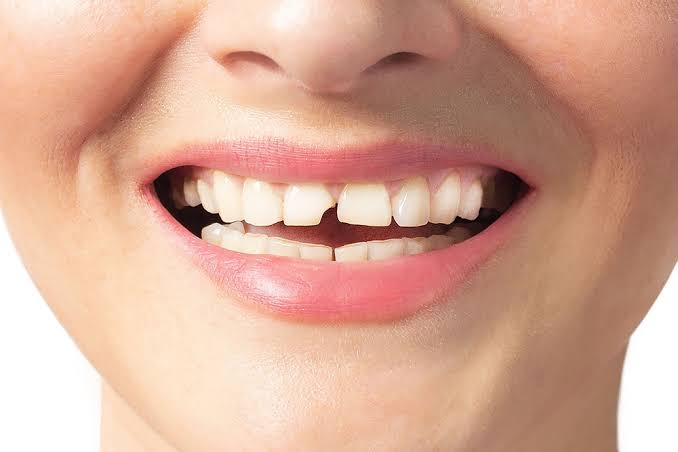
When a significant portion of a tooth is missing, a crown may be needed to fully cover and protect the remaining structure.
Crowns restore both function and appearance while providing added strength to a weakened tooth.
Root Canal Treatment
If a chip exposes the tooth’s inner pulp, a root canal may be necessary to remove damaged tissue and prevent infection.
The tooth is typically topped with a crown afterward for additional protection and reinforcement.
Treatment Options Comparison Table
Here is a simple comparison of common treatment options based on chip severity.
| Treatment | Best For | Recovery |
|---|---|---|
| Dental Bonding | Minor chips | Single visit, quick recovery |
| Veneers | Cosmetic front tooth damage | One to two visits |
| Crowns | Significant structural damage | One to two visits |
| Root Canal | Pulp exposure or infection | May require follow-up crown placement |
Home Care Tips After a Chipped Tooth
While waiting for your dental appointment, a few simple steps can help protect the damaged tooth from further harm.
Avoid chewing on the affected side to reduce additional pressure on the already weakened tooth structure.
Cover any sharp edges with dental wax if available, to protect your tongue and the inside of your mouth from cuts.
Rinse gently with warm water to keep the area clean while avoiding very hot or cold foods that could trigger sensitivity.
How to Prevent Teeth From Chipping
Prevention largely comes down to protecting your enamel and reducing unnecessary pressure on your teeth through daily habits.
Wear a properly fitted mouthguard during contact sports or high-impact activities to protect against sudden trauma.
If you grind your teeth at night, a custom-fitted night guard from your dentist can significantly reduce enamel wear over time.
Avoid using your teeth as tools, and be mindful when biting into hard foods like ice, popcorn kernels, or hard candy.
Prevention Checklist Table
| Prevention Step | Why It Helps |
|---|---|
| Wear a mouthguard during sports | Reduces trauma-related chipping |
| Use a night guard for bruxism | Prevents enamel wear from grinding |
| Limit acidic and sugary foods | Slows enamel erosion |
| Avoid using teeth as tools | Prevents unnecessary structural stress |
| Attend regular dental checkups | Catches early enamel weakness |
Diet Tips to Protect Your Enamel
What you eat and drink plays a major role in how strong and resilient your enamel remains over time.
Limiting citrus fruits, soda, and coffee, or rinsing your mouth with water afterward, can help reduce acid exposure to your teeth.
Increasing calcium and vitamin-rich foods can support stronger enamel and overall dental health over the long term.
The Role of Bruxism in Chronic Chipping
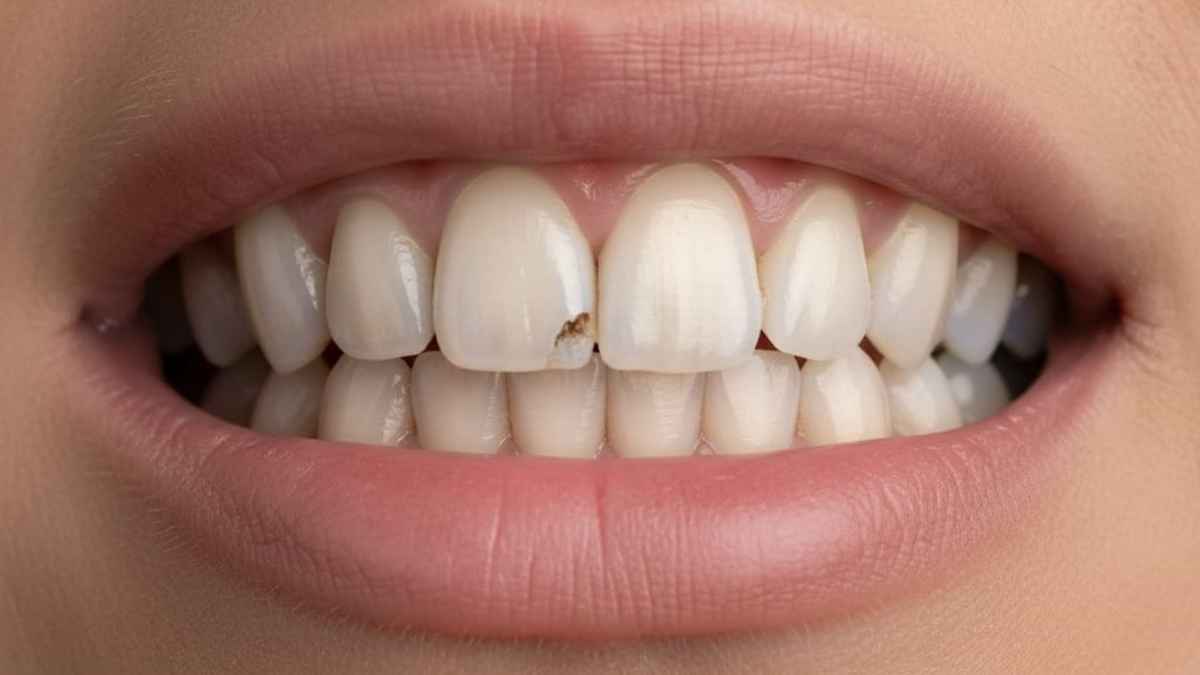
Bruxism is one of the most overlooked causes of repeated tooth chipping, since many people grind their teeth unknowingly during sleep.
Signs of bruxism include jaw soreness, headaches, and visibly worn or flattened teeth noticed during a dental checkup.
A custom night guard remains one of the most effective long-term solutions for protecting teeth from ongoing grinding-related damage.
Chipped Teeth in Children
Children can also experience chipped teeth, often due to falls, sports, or untreated cavities that weaken developing tooth structure.
Since children’s teeth are still forming, prompt dental attention is especially important to prevent complications affecting future adult teeth.
Encouraging good oral hygiene habits early can help protect both baby teeth and the permanent teeth that follow.
Frequently Asked Questions (FAQs)
1. Why are my teeth chipping so easily?
Common causes include bruxism, acidic diet, decay, and weakened enamel. A dentist can help identify your specific cause.
2. Can enamel grow back after chipping?
No, enamel does not regenerate once damaged. Treatment focuses on repairing and protecting the remaining tooth structure.
3. Is a chipped tooth a dental emergency?
It depends on severity. Pain, bleeding, or exposed pulp requires urgent dental care.
4. Can teeth grinding cause chipping?
Yes, bruxism gradually wears down enamel. This makes teeth more prone to chipping over time.
5. What foods should I avoid to prevent chipping?
Avoid hard foods like ice and popcorn kernels. Limit acidic foods and drinks as well.
6. How are minor chips treated?
Minor chips are often treated with dental bonding. It’s quick, noninvasive, and blends naturally.
7. Can old fillings cause teeth to chip?
Yes, large or failing fillings can weaken surrounding tooth structure. This increases the risk of chipping.
8. Should children with chipped teeth see a dentist immediately?
Yes, prompt care helps prevent complications. This includes protecting future permanent teeth.
9. Can a misaligned bite cause chipping?
Yes, uneven bite pressure can overstress certain teeth. Orthodontic evaluation may help correct this issue.
10. How can I prevent my teeth from chipping?
Use mouthguards or night guards as needed. Maintain good oral hygiene and limit hard or acidic foods.
Conclusion
Why are my teeth chipping usually comes down to a combination of daily habits, diet, and underlying dental issues like bruxism, decay, or weakened enamel.
While a single chip can result from an obvious accident, repeated chipping almost always points to a deeper cause that needs proper evaluation and treatment.
The good news is that most causes of chipping teeth are manageable with the right approach, whether that means wearing a night guard, adjusting your diet, replacing an old filling, or simply breaking the habit of using your teeth as tools.
Since enamel cannot regenerate once damaged, prevention remains the most effective long-term strategy for protecting your smile.
