

Why are my cat’s eyes always dilated is a common question pet owners ask when they notice their cat’s pupils staying large even in bright rooms.
Occasional dilation is completely normal and often tied to excitement, play, or low light. However, when a cat’s pupils remain dilated constantly, especially in well-lit spaces, it can point to an underlying health issue like high blood pressure, glaucoma, or a neurological condition.
Why Do Cat’s Pupils Dilate Normally
Cat pupils naturally dilate in low-light conditions to allow more light into the eye for better vision.
This adaptation allows cats to see significantly better than humans in dim environments, which is part of their natural hunting ability.
Emotional states like excitement, fear, or heightened arousal during play can also trigger temporary pupil dilation.
This is part of the “fight-or-flight” response and should resolve naturally once your cat settles down.
Normal Versus Concerning Dilation
| Situation | Likely Cause | Concerning? |
|---|---|---|
| Dilated in a dark room | Normal low-light response | No |
| Dilated during play or excitement | Normal emotional response | No |
| Dilated briefly after startling event | Normal fight-or-flight response | No |
| Dilated constantly in bright light | Possible medical issue | Yes |
| One pupil larger than the other | Anisocoria | Yes |
| Pupils alternate between eyes | Feline spastic pupil syndrome | Yes |
When Constant Dilation Becomes A Concern
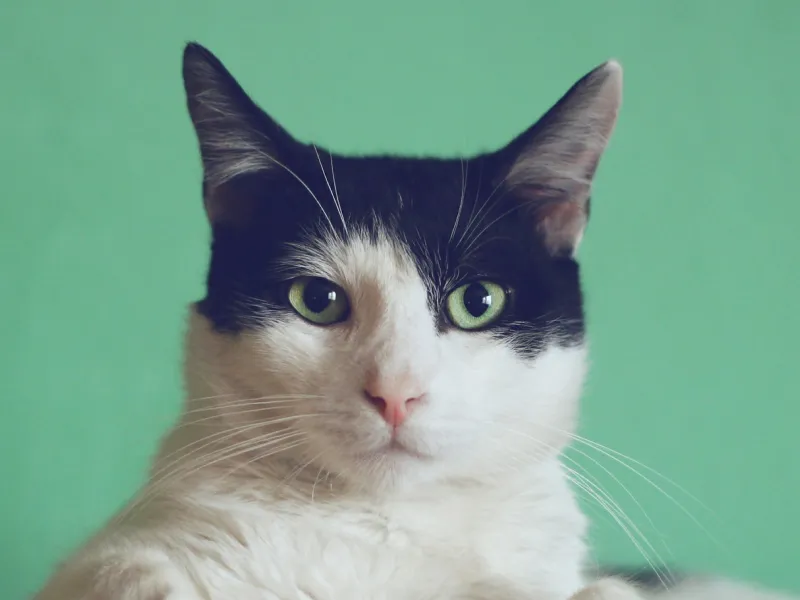
If your cat’s pupils remain dilated even in bright rooms or daylight, this pattern deserves closer attention.
Persistent dilation that doesn’t respond to changes in lighting is different from the normal, brief dilation seen during play.
This type of consistent dilation can be one of the more common symptoms of an underlying medical condition.
If this pattern continues for more than a day, scheduling a veterinary appointment is a reasonable next step.
High Blood Pressure As A Common Cause
High blood pressure, or feline hypertension, is one of the most common causes of persistent pupil dilation in cats.
The eyes are among the organs most commonly affected by hypertension in cats.
High blood pressure can cause retinal detachment, swelling, or bleeding inside the eye, sometimes leading to sudden blindness.
This condition is particularly common in older cats and is often linked to kidney disease, hyperthyroidism, or heart disease.
Why Hypertension Is Especially Dangerous
Feline hypertension is difficult to detect in its early stages, since cats often show few obvious clinical signs.
By the time dilated pupils are noticed, the underlying blood pressure issue may have already caused significant internal damage.
If your cat’s blood pressure rises too high for too long, this can gravely affect the retina and cause detachment.
Early detection and treatment can sometimes reverse vision loss caused by hypertension if caught quickly enough.
Kidney Disease And Dilated Pupils
Kidney disease is a common underlying cause of secondary hypertension in cats, particularly in older age groups.
Since kidney disease is common and often develops gradually, it can indirectly lead to persistent pupil dilation over time.
Other signs of kidney disease include weight loss, increased thirst, and changes in appetite or behavior.
Blood and urine tests are typically used by veterinarians to check kidney function if this is suspected as a cause.
Hyperthyroidism As A Contributing Factor
An overactive thyroid gland, known as hyperthyroidism, is another condition linked to secondary hypertension in cats.
This condition is especially common in older cats and can contribute to elevated blood pressure over time.
Additional signs of hyperthyroidism include weight loss despite a good appetite, increased activity, and a poor coat condition.
A simple blood test can help confirm hyperthyroidism if your vet suspects it as an underlying cause.
Glaucoma And Eye Pressure
Feline glaucoma occurs when fluid inside the eye fails to drain properly, causing pressure to build up.
This increased pressure can damage the optic nerve and, if left untreated, eventually lead to blindness.
Glaucoma can affect one or both eyes and may cause a fixed, dilated, or oddly shaped pupil.
Other signs of glaucoma include cloudiness in the eye and a noticeable change in the size of the eyeball itself.
Anisocoria: Uneven Pupil Sizes
Anisocoria refers to a condition where one of a cat’s pupils is a different size than the other.
This is not a disease on its own but rather a symptom of an underlying issue affecting the eye or nervous system.
Causes of anisocoria include corneal ulcers, glaucoma, head trauma, and neurological conditions like Horner’s syndrome.
If trauma is the cause, anisocoria may resolve within a few hours, but a vet visit is necessary if it persists beyond a day.
Feline Spastic Pupil Syndrome
Feline spastic pupil syndrome describes a condition where uneven pupil sizes appear to alternate between the two eyes.
This unusual pattern is most often linked to feline leukemia virus, commonly known as FeLV.
FeLV is a contagious virus spread through blood, saliva, or shared living spaces among cats.
Vaccination remains the most effective way to protect kittens and adult cats from this serious viral infection.
Feline Leukemia Virus And Eye Symptoms
FeLV can affect the nervous system in ways that lead to unusual pupil behavior, including alternating dilation between eyes.
There is currently no cure for FeLV, making vaccination and prevention especially important for at-risk cats.
Cats diagnosed with FeLV are generally recommended to be kept indoors to prevent spreading the virus to other cats.
Routine testing is often recommended for cats with outdoor access or unknown vaccination history.
Corneal Ulcers And Eye Pain
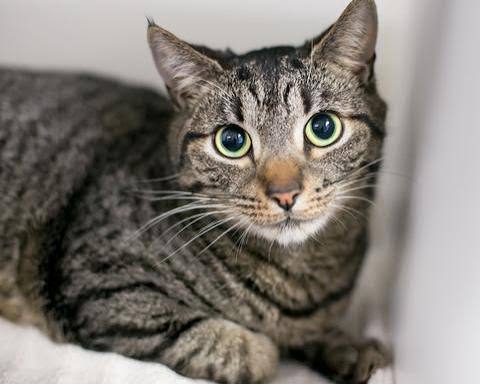
Corneal ulcers are painful sores on the surface of the eye that can contribute to abnormal pupil behavior.
Cats with corneal ulcers often show additional signs like squinting, discharge, and visible discomfort around the eye.
Pain itself can be a direct trigger for pupil dilation, adding to the abnormal appearance of the eye.
Prompt veterinary treatment is important for corneal ulcers, since they can worsen quickly without proper care.
Ocular Tumors As A Less Common Cause
Ocular tumors can press on the muscles or blood vessels within the eye, preventing normal pupil constriction.
These tumors often cause noticeable pain and discomfort in the affected eye alongside abnormal pupil size.
Tumors may or may not be cancerous, but early removal is generally recommended as a precaution.
Removing a growth early can also help limit the potential spread of cancerous cells elsewhere in the body.
Neurological Conditions Affecting Pupils
Various neurological conditions can interfere with the nerves that control pupil size and responsiveness to light.
Horner’s syndrome, for example, can result from issues like ear infections, spinal cord injury, or even brain tumors.
Feline dysautonomia is another neurological condition that can cause dilated pupils alongside respiratory symptoms.
These conditions often require specialized veterinary testing to properly diagnose and treat the underlying cause.
Medication Side Effects
Certain medications, particularly those used to treat glaucoma, can cause a cat’s pupils to dilate as a side effect.
Atropine, for example, is sometimes used to relieve eye pressure but can also cause temporary pupil dilation and light sensitivity.
If your cat recently started a new medication and you notice dilated pupils, mention this timing to your vet.
Understanding medication side effects can help rule out more serious underlying causes during a veterinary evaluation.
Toxin Exposure And Dilated Pupils
Exposure to certain toxic plants, like lilies, or accidental ingestion of human medications can cause severe neurological reactions in cats.
These reactions can include non-responsive, dilated pupils along with other signs of illness.
If toxin exposure is suspected, contacting an emergency vet immediately is critical, since some toxins can be life-threatening.
Keeping toxic plants and medications well out of reach can help prevent this type of emergency.
Vision Loss And Dilated Pupils
Cats experiencing vision loss, whether from age, disease, or injury, often show consistently dilated pupils as a result.
A cat with poor vision may also squint frequently or bump into furniture and other objects.
Vision loss can develop gradually or suddenly, depending on the underlying cause.
A veterinary eye exam can help determine whether vision loss is contributing to your cat’s dilated pupils.
The Emergency Warning Signs Table
| Warning Sign | Why It Matters |
|---|---|
| Pupils dilated in bright light | May indicate hypertension or vision loss |
| One pupil larger than the other | Anisocoria, needs vet evaluation |
| Pupils alternating between eyes | Possible FeLV-related condition |
| Squinting with discharge | Possible corneal ulcer |
| Sudden onset with disorientation | Possible neurological emergency |
| Cloudy or enlarged eye | Possible glaucoma |
Why You Should Never Test With A Flashlight
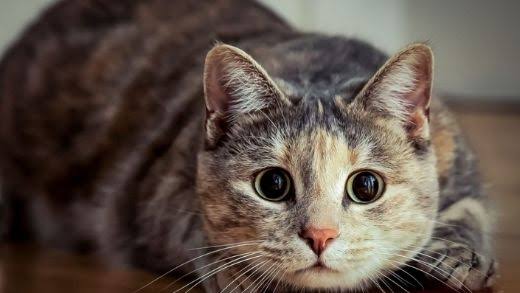
Shining a bright flashlight directly into a cat’s eyes to test pupil response can be risky if there’s an underlying injury.
If the retina is already damaged or detached, intense light exposure could worsen the condition.
It’s safer to let a veterinarian use proper equipment, like an ophthalmoscope, to examine your cat’s eyes.
Avoiding at-home testing with bright lights helps prevent accidental additional harm to an already compromised eye.
How Veterinarians Diagnose The Cause
A veterinarian will typically start with a full physical exam, checking blood pressure and looking for other signs of illness.
Blood tests can help identify kidney disease, hyperthyroidism, or infections like FeLV that may be contributing factors.
An eye exam, sometimes including specialized equipment, helps assess for glaucoma, corneal damage, or retinal issues.
In some cases, additional imaging or specialist referral may be needed to identify neurological causes.
When To Seek Emergency Veterinary Care
Sudden anisocoria, where pupils are dramatically uneven, should be treated as a potential ophthalmic or neurological emergency.
Dilated pupils accompanied by disorientation, weakness, or collapse also warrant immediate emergency care.
If you suspect toxin exposure alongside abnormal pupils, contact an emergency vet clinic right away.
When in doubt about the severity of your cat’s symptoms, erring on the side of caution is always the safer choice.
Supporting Your Cat’s Eye Health
Regular veterinary checkups, including blood pressure monitoring for senior cats, can help catch issues before symptoms become severe.
Keeping toxic plants and medications out of reach reduces the risk of accidental exposure-related eye problems.
Vaccinating against FeLV remains one of the most effective preventive steps for at-risk cats.
Monitoring your cat’s eyes regularly for changes in size, symmetry, or responsiveness can help you catch problems early.
Heart Disease As An Underlying Cause
Cats with heart disease may develop secondary high blood pressure, which can then affect pupil size.
Feline heart disease often develops silently, with few obvious symptoms until the condition becomes more advanced.
Routine veterinary exams, including listening for heart murmurs, can help catch heart-related issues before they cause complications.
If hypertension is confirmed, checking for underlying heart disease is often part of the diagnostic process.
Age-Related Changes And Iris Atrophy
As cats age, the iris, the colored part of the eye, can naturally lose some of its tissue over time.
This condition, known as iris atrophy, can affect how well the pupil constricts or dilates in response to light.
Iris atrophy is generally considered a normal part of aging rather than a dangerous medical condition.
However, any new or sudden changes in pupil appearance should still be discussed with your veterinarian to rule out other causes.
Progressive Retinal Atrophy
Progressive retinal atrophy is a genetic condition that gradually leads to the deterioration of the retina over time.
This condition often results in slowly progressing vision loss, which can cause pupils to remain dilated as the eyes struggle to detect light.
Certain cat breeds may be more prone to this condition due to genetic predisposition.
While there is no cure, early diagnosis can help owners adapt their cat’s environment to support their changing vision.
Feline Immunodeficiency Virus And Eye Symptoms
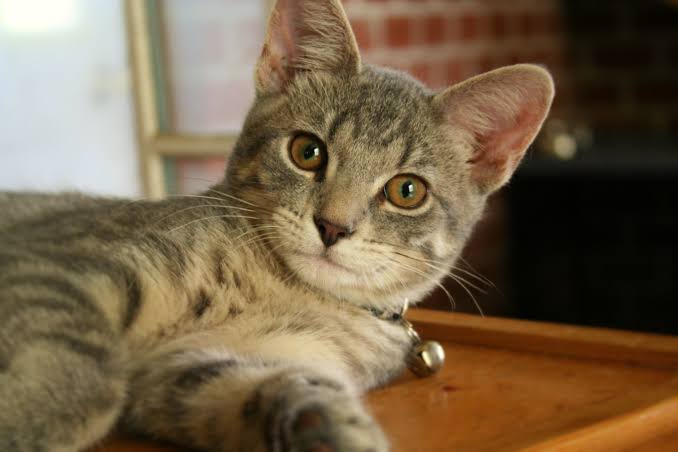
Feline immunodeficiency virus, or FIV, can weaken the immune system and make cats more susceptible to eye infections.
These secondary infections can sometimes contribute to abnormal pupil behavior or inflammation within the eye.
Routine testing for FIV is often recommended for cats with outdoor access or an unknown health history.
Managing FIV involves supportive care and monitoring for secondary infections that could affect the eyes or other organs.
Toxoplasmosis And Eye Inflammation
Toxoplasmosis is a parasitic infection that can occasionally affect a cat’s eyes, leading to inflammation and abnormal pupil responses.
This infection is more commonly associated with outdoor cats who hunt or consume raw meat.
Eye-related symptoms of toxoplasmosis can include inflammation, cloudiness, or changes in pupil behavior.
A veterinarian can test for this infection if other more common causes have been ruled out.
Monitoring Your Cat’s Eyes At Home
Observing your cat’s pupils in different lighting conditions over a few days can help you notice patterns more clearly.
Taking photos in consistent lighting can help track whether dilation is improving, worsening, or staying the same over time.
Noting any additional symptoms, like appetite changes or lethargy, can provide valuable context for your veterinarian.
This kind of simple, at-home observation can make your eventual vet visit more productive and efficient.
Senior Cat Eye Health Checklist
Senior cats benefit from more frequent veterinary checkups, given their higher risk for hypertension and related conditions.
Blood pressure checks, alongside routine bloodwork, can help catch early signs of kidney or thyroid disease.
Watching for subtle behavior changes, like bumping into furniture, can help identify early vision problems.
Consistent monitoring becomes increasingly important as cats age past seven or eight years old.
Quick Recap On Dilated Cat Pupils
Occasional dilation from play, excitement, or low light is completely normal in cats.
Persistent dilation in bright light, uneven pupils, or alternating pupil sizes are signs worth a veterinary evaluation.
Common underlying causes include hypertension, kidney disease, hyperthyroidism, glaucoma, and infections like FeLV.
Prompt attention to these symptoms gives your cat the best chance at preserving their long-term vision.
Preparing For A Vet Visit About Dilated Pupils
Before your appointment, note when you first noticed the dilation and whether it changes with lighting or activity.
Mention any other symptoms, such as changes in appetite, thirst, weight, or energy levels, to give your vet a fuller picture.
If possible, take a few photos of your cat’s eyes in different lighting conditions to show your veterinarian.
This preparation can help your vet narrow down potential causes more efficiently during the appointment.
The Emotional Side Of Caring For A Cat With Eye Issues
Noticing a change in your cat’s eyes can understandably feel worrying, especially when the cause isn’t immediately clear.
Staying calm and observant, rather than jumping to conclusions, helps you provide clear information to your veterinarian.
Many causes of dilated pupils, especially when caught early, can be managed effectively with proper treatment.
Partnering closely with your vet gives your cat the best possible outcome, whatever the underlying cause turns out to be.
Frequently Asked Questions (FAQs)
1. Why are my cat’s eyes always dilated even in bright light?
This can indicate high blood pressure, glaucoma, or vision loss. A vet visit is recommended if this persists beyond a day.
2. Is it normal for a cat’s eyes to dilate during play?
Yes, excitement and play often cause temporary pupil dilation. This is a normal part of their fight-or-flight response.
3. What does it mean if one of my cat’s pupils is bigger than the other?
This is called anisocoria and is never considered normal. It can signal glaucoma, trauma, or a neurological issue.
4. Can high blood pressure cause dilated pupils in cats?
Yes, feline hypertension is a common cause of persistent dilation. It’s especially common in older cats with kidney or thyroid issues.
5. Are dilated pupils a sign of blindness in cats?
Yes, dilated pupils can indicate vision loss, especially if fixed and unresponsive to light. A vet exam can confirm this.
6. Can feline leukemia cause dilated pupils?
Yes, FeLV can cause a condition called feline spastic pupil syndrome. This causes pupils to alternate in size between the eyes.
7. Should I shine a flashlight in my cat’s eyes to check them?
No, this isn’t recommended if you suspect an eye injury. A vet can safely examine the eyes with proper equipment.
8. Can medications cause a cat’s pupils to dilate?
Yes, certain glaucoma medications like atropine can cause temporary dilation. Mention any new medications to your vet if you notice this.
9. Is glaucoma in cats treatable?
Glaucoma can be managed if caught early, though vision loss is often permanent. Prompt treatment can help slow further damage.
10. When should I take my cat to the vet for dilated pupils?
See a vet if dilation persists more than 24 hours or pupils appear uneven. Any accompanying symptoms should also prompt a visit.
Conclusion
A cat’s pupils dilating occasionally during play, excitement, or in dim lighting is completely normal and nothing to worry about.
However, when a cat’s eyes stay dilated constantly, especially in bright rooms, this pattern can point to an underlying issue such as high blood pressure, glaucoma, kidney disease, or a neurological condition.
Uneven pupil sizes, known as anisocoria, should always be evaluated by a veterinarian, since this symptom is never considered normal on its own.
Because many of these underlying conditions, particularly hypertension, can be difficult to detect early, persistent or unusual pupil dilation is best addressed with a prompt veterinary visit rather than a wait-and-see approach.
Regular checkups, especially for senior cats, along with close attention to any changes in your cat’s eyes, remain the best way to protect their long-term vision and overall health in 2026.
